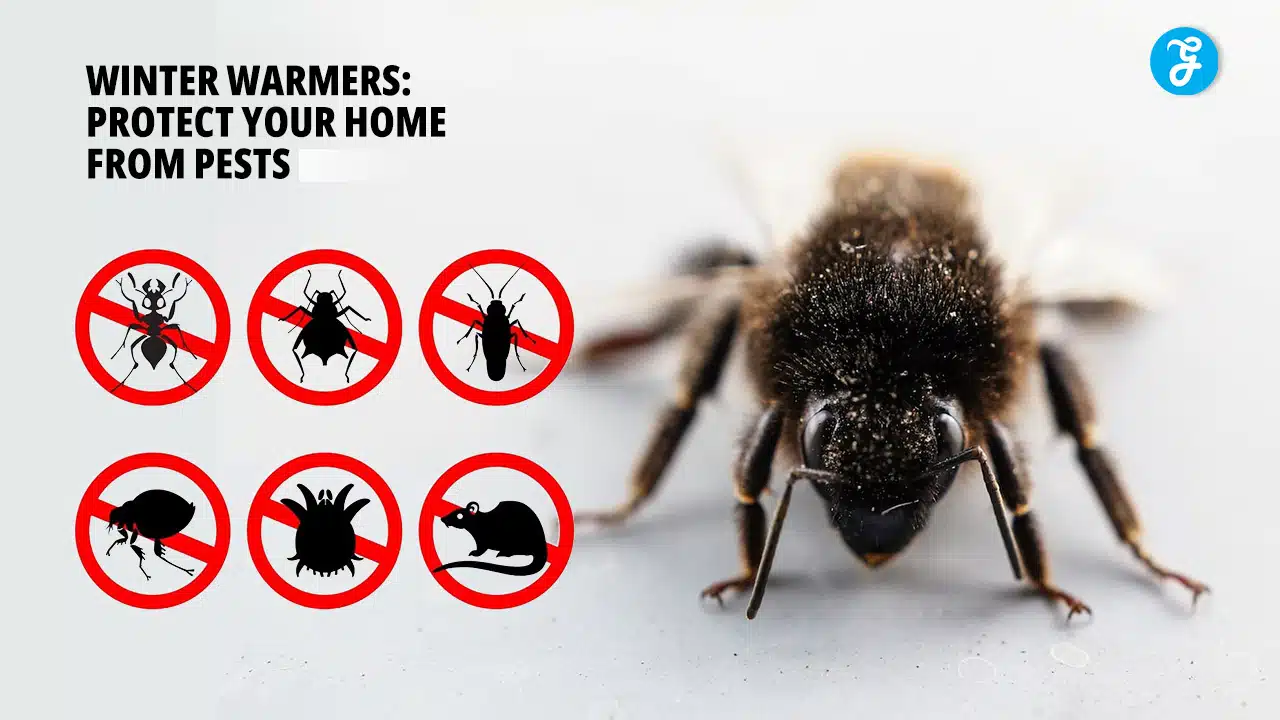
Winter brings cozy nights and holiday cheer but also unwanted visitors to your home. Pests seek warmth and shelter during cold months, making your house an inviting target. These critters can cause damage and spread germs from mice to spiders if left unchecked.
Protecting your home from winter pests can save you time, money, and stress. You can keep your living space pest-free this season by sealing entry points, removing food sources, and using natural deterrents.
Simple precautions allow you to enjoy a warm and cozy winter without worrying about uninvited guests.
Understanding Winter Pest Behavior
Winter drives pests to seek shelter in homes. They look for warmth, food, and protection from harsh weather. Knowing which pests to watch for can help you keep them out.
Why Pests Seek Warmth Indoors
Pests come inside when it gets cold. They can’t survive freezing temperatures outside. Your home offers them a cozy place to live. It has food, water, and hiding spots.
Insects and rodents slow down in winter. They need less food but still want to stay warm. Walls and attics make excellent nesting areas. Pests may damage your home as they settle in.
You might see more pests in the fall. This is when they start looking for winter homes. Sealing cracks and holes can keep them out. Check around windows, doors, and pipes.
Common Winter Pests
Several pests try to move in during winter. Here are some you might see:
- Mice and rats
- Cockroaches
- Spiders
- Ants
- Box elder bugs
Rodents are a big problem. They chew on wires and leave droppings. Cockroaches spread germs and can trigger allergies. Spiders often come inside, following other bugs.
You can spot signs of these pests. Look for droppings, chew marks, or webs. Listen for scratching in walls. Keep food sealed and crumbs cleaned up.
Some bugs hibernate in wall voids. They may wake up on warm winter days. You might see them in sunny windows. This doesn’t mean you have an active problem.
1. Seal Cracks and Gaps
 Winter is coming, and pests want to stay warm, too. They’ll try to sneak into your cozy home through tiny openings. Don’t let them in!
Look for cracks and gaps around your house. Check windows, doors, and the foundation. Even small holes can be entry points for bugs and mice.
Use caulk for more minor cracks. For bigger holes, try wire mesh or steel wool. Then, cover it with expanding foam.
Don’t forget about vents and chimneys. They need special screens to keep critters out. Make sure these are in good shape before winter hits.
Weatherstripping is your friend. Put it around doors and windows. It keeps out drafts and pests at the same time.
Have you checked your garage door? The bottom seal might need replacing. A worn-out seal is like a welcome mat for rodents.
Pipes and wires entering your home can create gaps. Seal around them carefully. Use suitable materials to ensure a tight fit.
Remember, pests can squeeze through tiny spaces. Be thorough in your search. A little effort now saves a lot of trouble later.
2. Install Door Sweeps
Door sweeps are a great way to keep pests out of your home during winter. They block gaps under doors where bugs and mice can sneak in.
You can find door sweeps at most hardware stores. They come in different types. Some screw into the door frame. Others slide on or snap in place.
Installing a door sweep is easy. First, measure the width of your door. Then, pick a sweep that fits. Clean the bottom of the door before you start.
For screw-on sweeps, mark where the screws go. Drill pilot holes if needed. Then attach the sweep with screws. Make sure it touches the floor when the door is closed.
Slide-on sweeps are even more accessible. Just push them onto the bottom of the door. Snap-in types fit into a groove at the door’s base.
Door sweeps do more than keep pests out. They also stop drafts. This can help lower your heating bills in winter.
Check your sweeps regularly. Replace them if they get worn out or damaged. This keeps your home protected all season long.
3. Use Weather Stripping
Weatherstripping is a simple yet effective way to keep pests out of your home. It seals gaps around doors and windows, blocking entry points for bugs and rodents.
You can find weather stripping at most hardware stores. It comes in different materials like foam, rubber, or vinyl. Choose the type that best fits your needs and budget.
To install, clean the surface around your doors and windows. Remove any old weather stripping if present. Measure the areas you need to cover and cut the new strips to fit.
Apply the weather stripping to the sides and top of door frames. For windows, place it where the sash meets the frame. Press firmly to ensure a good seal.
Don’t forget about less obvious spots. Check your garage door, attic hatch, and basement windows. These are often overlooked but can be significant entry points for pests.
Replace worn or damaged weather stripping promptly. It can deteriorate over time, becoming less effective at keeping pests out.
Weather stripping creates a barrier that helps keep your home warm and pest-free during the winter months.
4. Maintain Your Yard
Your yard is your first line of defense against winter pests. Keep it tidy to make it less inviting for unwanted critters.
Trim bushes and trees away from your house. This removes easy access points for pests to enter your home. It also lets sunlight reach your walls, reducing moisture that attracts insects.
Remove leaf piles and debris from your yard. These make cozy homes for rodents and bugs. Rake leaves regularly and dispose of them properly.
Store firewood at least 18 inches from your home’s foundation. This prevents termites and other wood-boring pests from getting too close. Use metal racks to keep the wood off the ground.
Keep your grass short, even in winter. Longer grass provides shelter for mice and other tiny pests. Mow your lawn until it stops growing for the season.
Check outdoor lighting. Some bugs are drawn to bright lights. Use yellow “bug lights” or sodium vapor lamps to make your yard less appealing to flying insects.
Don’t forget about bird feeders. While birds are lovely to have around, their food can attract rodents. Place feeders away from your house and clean up any spilled seeds.
5. Remove Standing Water
Water attracts pests to your home in winter. Mosquitoes, flies, and other insects need water to breed. Even small puddles can become pest havens.
Check your yard for areas where water collects. Fill in low spots with dirt or gravel. Make sure gutters and downspouts drain correctly away from your house.
Fix any leaky pipes or faucets promptly. Don’t let water pool in flower pots, birdbaths, or other outdoor containers. Empty and clean these items regularly.
Inside your home, wipe up spills quickly. Don’t leave standing water in sinks or bathtubs. Check under appliances for moisture and dry any damp areas.
Use dehumidifiers in damp basements or crawl spaces. This removes excess moisture pests need. Keep your home dry to make it less inviting for unwanted critters this winter.
6. Store Firewood Away from Home
Keeping firewood away from your house is critical to preventing pest problems. You should store your woodpile at least 20 feet from your home’s exterior walls. This creates a buffer zone that makes it harder for pests to move from the wood to your house.
Raise your firewood stack off the ground by 8-12 inches. Use a sturdy rack or pallets to elevate the pile. This stops moisture and insects in the soil from getting into your wood.
Cover the top of your woodpile to keep rain and snow off, but leave the sides open. Good airflow helps dry the wood and discourages pests. A tarp or specially designed firewood cover works well for this.
Don’t use pesticides on your firewood. They’re ineffective and can be dangerous when the wood is burned. Instead, focus on proper storage techniques to deter pests naturally.
Bring in only the firewood you’ll use within a few days. Inspect each piece before bringing it inside. Shake or brush off any visible insects or debris.
7. Clean Gutters Regularly
Cleaning your gutters is a crucial step to keep pests away in winter. Clogged gutters can become a cozy home for many unwanted critters.
Leaves, twigs, and other debris build up in your gutters over time. This creates the perfect environment for pests to nest and breed.
You should clean your gutters at least twice a year. Do it once in the fall after most leaves have dropped and again in spring.
If you live near trees, you may need to clean more often. Check your gutters every few months to see if they need attention.
When cleaning, wear gloves and use a sturdy ladder. Remove debris by hand or with a small scoop. Flush the gutters with water to check for proper flow.
Look for signs of pests while you clean. You might spot nests, droppings, or even the pests themselves.
Clean gutters protect your home from water damage, too. They prevent ice dams in winter, which can lead to leaks and structural issues.
Don’t forget to clean your downspouts. Clogs here can cause water to back up and overflow, attracting more pests.
If you’re not comfortable cleaning gutters yourself, hire a professional. They can do a thorough job and spot any potential problems.
8. Cover Vents with Mesh
Mesh covers for vents are a great way to keep pests out of your home this winter. These covers fit over air bricks and other vents to block entry points.
You can find mesh covers explicitly made for air bricks and vents. Look for the right size to fit snugly over your vents.
Installing vent covers is simple. Measure your air brick or vent opening first. Then, choose a cover that matches those dimensions.
Place the mesh cover over the vent and secure it. Some covers snap on, while others may need to be fastened with screws.
Ensure the mesh is fine enough to keep out tiny pests like mice and insects. However, it should still allow proper airflow through the vent.
Covering vents with mesh stops pests from entering but lets air circulate. This prevents moisture buildup that can lead to mold or wood rot.
Check your mesh covers regularly for damage. Replace any that have holes or gaps where pests could squeeze through.
9. Use Proper Insulation
Good insulation keeps your home cozy in winter. It also helps keep pests out. Insulation slows heat transfer, making your house warmer when cold outside.
But insulation does more than control temperature. It can be a barrier against pests, too. Many insects and rodents struggle to get through well-insulated walls.
Check your home for gaps or thin spots in the insulation. Pay special attention to attics, basements, and crawl spaces. These areas are common entry points for pests.
Consider using pest-resistant insulation materials. Some types are treated to repel insects and rodents. This gives you extra protection against unwanted visitors.
Make sure to seal any cracks or holes before adding insulation. Even small openings can let pests in. Use caulk or foam sealant to close these gaps.
Proper insulation saves energy and money on heating bills. It also makes your home less inviting to pests. It’s a win-win for comfort and pest control.
10. Keep Garbage Bins Sealed
Garbage bins can attract pests to your home in winter. Sealing these bins is a crucial step in pest-proofing your house.
Make sure your outdoor trash cans have tight-fitting lids. This stops animals from entering and keeps smells from drawing pests near your home.
Clean your bins regularly. Rinse them out with soap and water to remove food residue. This will help cut down on odors that might attract unwanted visitors.
Store bins away from your house if possible. The farther they are, the less likely pests will find their way inside.
Consider using bungee cords to secure lids if you have issues with raccoons or other clever animals. This extra step can make a big difference.
Don’t forget about indoor trash cans, too. Use ones with lids in your kitchen and bathrooms. Empty them often to prevent smells from building up.
If you compost, use a sealed bin with tiny air holes. This lets your compost breathe without giving pests easy access to food scraps.
Keeping your garbage sealed and clean will make your home much less appealing to winter pests.
Strategies to Prevent Pest Infestations
Keeping pests out of your home is vital to a cozy winter. These steps will help you stop bugs and critters from moving in.
Sealing Entry Points
Check your home’s exterior for cracks and holes. Seal any openings you find with caulk or steel wool. Pay extra attention to areas where pipes enter your house. Replace damaged weatherstripping around doors and windows. Install door sweeps to block gaps under exterior doors.
Make sure your chimney has a cap to keep out birds and rodents. Check your roof for loose or missing shingles that could let pests in. Repair any damaged areas promptly.
Don’t forget about your foundation. Fill in cracks with mortar or concrete. Keep mulch and plants away from your home’s base to reduce hiding spots for pests.
Maintaining Proper Sanitation
Clean up food spills right away—store food in airtight containers. Empty trash cans regularly and keep them sealed. Don’t leave pet food out overnight.
Fix leaky pipes and faucets. Pests need water to survive. Dry out damp areas in basements, attics, and crawl spaces. Use a dehumidifier if needed.
Keep your yard tidy. Remove leaf piles and trim bushes away from your house—store firewood at least 20 feet from your home and off the ground.
Regular Home Inspections
Check your home for signs of pests every month. Look for droppings, gnaw marks, and nests. Pay attention to dark corners, attics, and basements.
Inspect boxes and packages before bringing them inside. Pests can hitch a ride on deliveries. Look closely at used furniture before buying.
Check your attic insulation for damage. Rodents often nest in insulation. Replace any that’s been chewed or soiled.
Watch for unusual noises, especially at night. Scratching or scurrying sounds could mean you have unwanted guests. If you spot signs of pests, act quickly to remove them.
Takeaways
Winter pests can be a significant nuisance, seeking warmth and shelter in your home. By understanding their behavior and implementing preventative measures, you can protect your living space from these unwelcome visitors.
From sealing entry points and installing door sweeps to maintaining proper sanitation and regular home inspections, these essential tips help keep your home cozy and pest-free.
Adequate insulation, storing firewood away from home, and covering vents with mesh further enhance your defense against winter pests. These precautions allow you to enjoy a warm and comfortable winter without worrying about uninvited guests.