Cleaning up after a Flood Damage Brisbane is always a daunting task, but it doesn’t have to be hard – or expensive – if you know how to do it. Depending on the amount of damage and the types of flooring in your home, professional Water Damage Restoration Brisbane services might be a good idea. Here’s what you can do yourself:
What You Can Do Water Damage Restoration Yourself
1) Clear Flood Water
First of all, you need to clear the floodwater. The sooner this is done after the water recedes, the better – bacteria and mold can start growing within 24 hours. Consider renting a pump if you’re dealing with more than a couple of inches of standing water. Remove as much as possible and deposit it into containers for sanitary reasons, then dispose of it properly.
2) Extract Flood Water
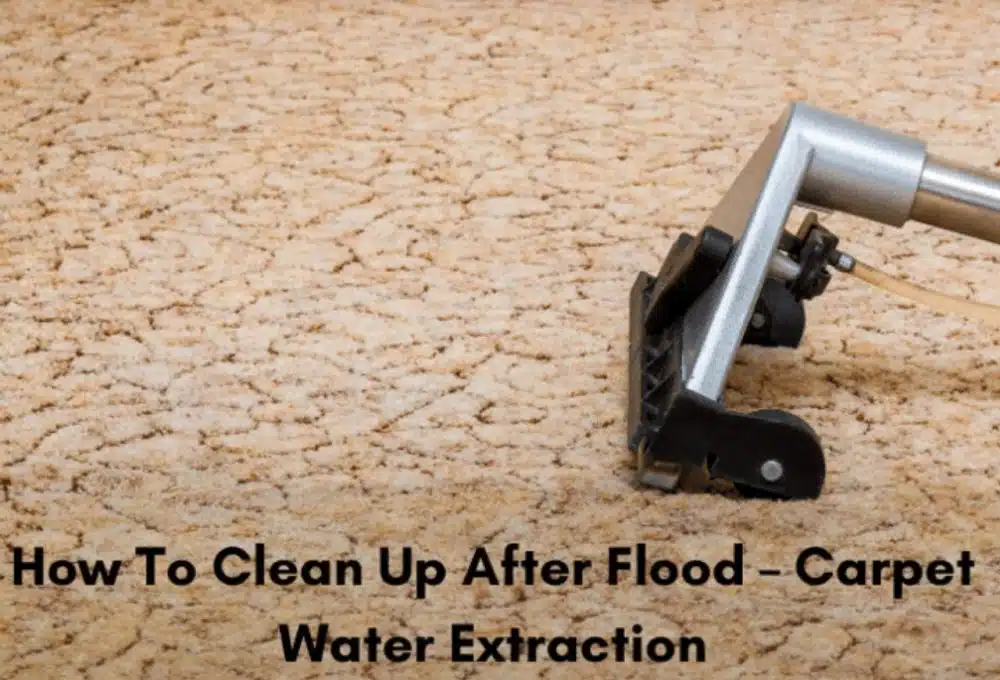
Once the bulk of the standing water has been removed, you’ll need to extract the remaining water that’s stuck in your carpet and flooring. You can use a Water Extraction Canberrawet/dry vacuum cleaner for this purpose – just be sure not to leave them running unattended because they could damage floors and make things worse if they overheat. Alternatively, you can rent a machine from a tool hire shop. Professional Water Extraction Canberra cleaning is advisable if your carpets and hard floors are soaked through or sensitive to moisture (such as natural stone and bamboo), or if there is any risk of mold growth. It also helps keep costs down by preventing further damage.
3) Dry Out Your Home
Ideally, your home should be dried out within 24-48 hours of the flood. The sooner you complete this step, the less likely it will be for mold to grow in moist areas. After you’ve extracted all the water, open doors and windows and switch on fans and dehumidifiers (set to low or medium). You can also invest in a dehumidifier with a heater if there’s any risk of dampness after drying; it reduces humidity while warming up cold rooms.
Don’t switch on the heaters until the temperature drops to 10°C or lower, though.
4) Dispose of Flood Water
Never use your household drainage system to dispose of floodwater. Instead, you should collect it in containers (such as buckets and bowls) and take them outside for disposal. This can be done by tipping it out onto the lawn or depositing it into your garbage bin; you could also call an independent contractor to do this job for you. Alternatively, if there is enough room in your home (and you don’t mind spending more), consider buying an extra drain pump compatible with mains water supplies. This method is also better than letting standing water evaporate because it increases humidity levels inside your home and you could be left with a damp smell.
5) Clean the Carpet and Flooring
Start by removing any heavy furniture that got soaked, then thoroughly clean carpets and hard floors using a carpet cleaning machine (or hire one if you don’t own one). Start from the top of your home and work your way downwards; this will help minimize mold growth on already-dried areas. You can also use chemical cleaners to kill bacteria – just make sure to follow the manufacturer’s instructions for safe application.
Schedule a car cleaning service next – exterior washing is important too! Most importantly, however, never walk on wet carpets before they have fully dried out because it increases humidity levels inside your home. This puts both your Flood Damage Brisbanecarpets and hard floors at risk because a damp environment is a breeding ground for mold.
6) Clean Your Furniture
Remove hard furniture from the flooded area. Shake off any excess water and wipe with a towel, then leave it in direct sunlight to air dry (which should never take more than 24 hours). If your furniture cannot be easily dried this way, consider using a dehumidifier or increasing room ventilation to help speed up the drying process.
7) Dispose of Tainted Items like Drywall
There are several steps involved when cleaning drywall (ceilings and walls): wash, rinse, dry and apply a fungicide. Begin by washing surfaces with clean cloths; rinse after they become stained or dirty; let them dry before applying fungicide; repeat until they don’t get stained anymore. Alternatively, you could use a fungicidal cleaner to get rid of mold and bacteria.
8) Disinfect Everything Else
To kill any remaining bacteria, you can spray regular household bleach onto surfaces and leave it to dry naturally. There’s no need for rinsing unless you want to prevent bleaching your grout or leaving streaks on floors and other areas that get wet frequently. If labels have been removed from dirty containers or bottles, consider recycling them so that they can be cleaned properly. Alternatively, just buy all new ones after the flood has passed.
9) Repair & Save What You Can
Inspect items from your home carefully before storing them in a safe place (such as a garage or shed). Save movable objects, if possible, but discard anything that’s been contaminated with floodwater. Otherwise, you should clean them as described above and let them dry before assessing for Water Damage Restoration Brisbane.
10) Call the Professionals to Save the Heavy Work
There are some tasks that just aren’t worth attempting yourself, especially if they involve dangerous chemicals or unauthorized use of power tools. Here are some examples: removing carpets; cutting open wall cavities; repairing or replacing electrical appliances (such as fridges); refinishing hardwood floors; removing sections of drywall; disposing of contaminated furnishings and demolition work for damaged structures. Not all home insurance providers will foot the bill for professional repairs either, so be sure to check any fine print before doing anything else.