

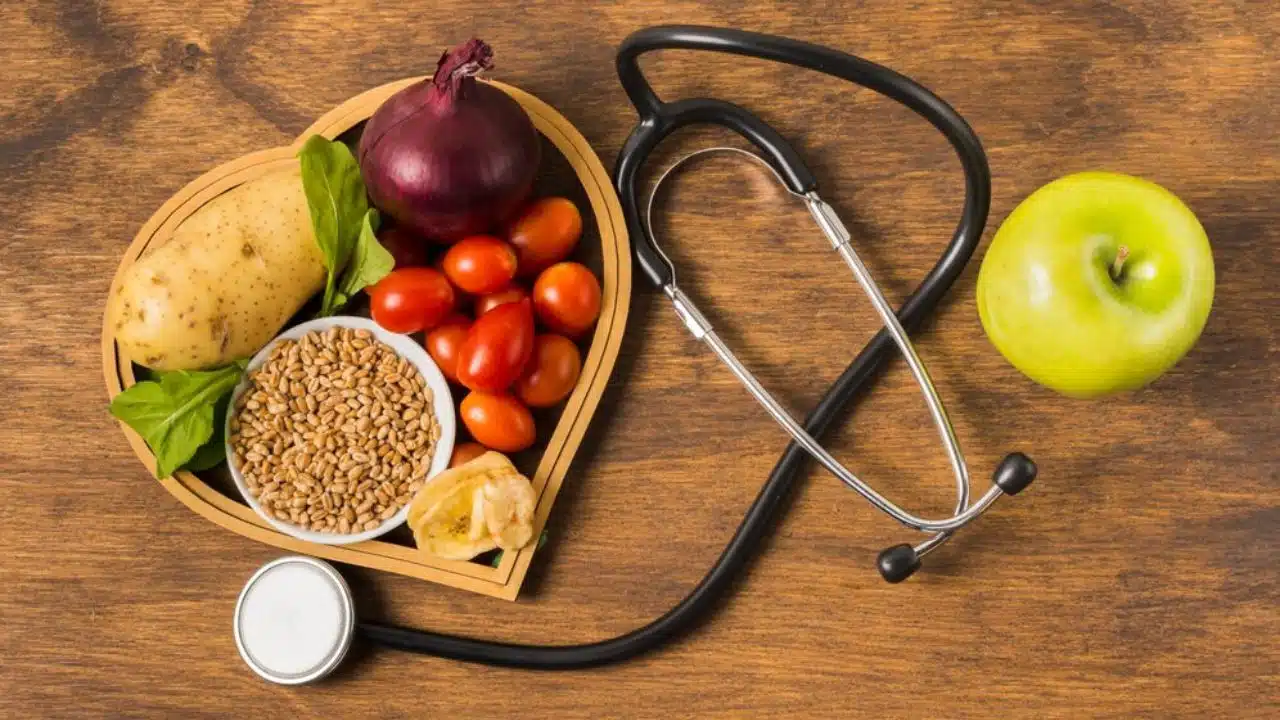
Maintaining a fit and healthy body requires a balanced diet rich in essential vitamins. These nutrients play a vital role in various bodily functions, from boosting the immune system to supporting brain health.
Here, we explore ten crucial vitamins that are essential for maintaining overall health and well-being.
1. Vitamin A: The Vision Booster
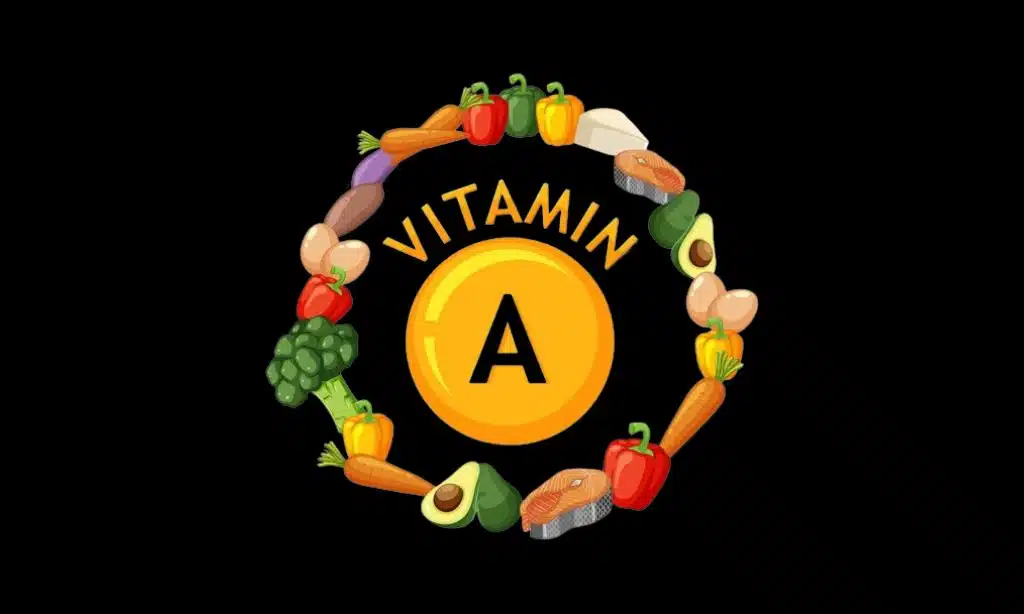
Vitamin A is essential for good vision, immune function, and skin health. It helps maintain the retina’s health, which is crucial for vision in low-light conditions.
Additionally, vitamin A supports the immune system by maintaining the health of the skin and the tissues in the mouth, stomach, intestines, and respiratory system, acting as a first line of defense against infections. A deficiency in vitamin A can lead to night blindness and an increased risk of infections.
Sources of Vitamin A
- Carrots: Rich in beta-carotene, which the body converts to vitamin A.
- Sweet potatoes: Another excellent source of beta-carotene.
- Spinach and kale: Provide significant amounts of beta-carotene.
- Liver: One of the richest sources of preformed vitamin A.
- Dairy products: Milk and cheese contain vitamin A.
2. Vitamin B12: The Energy Enhancer
Vitamin B12 is vital for maintaining healthy nerve cells and producing DNA and RNA. It also works with vitamin B9 (folic acid) to make red blood cells and to help iron work better in the body.
A deficiency in B12 can lead to anemia and nervous system damage, manifesting as fatigue, weakness, and neurological issues such as tingling and numbness in the hands and feet.
Sources of Vitamin B12
- Meat: Especially beef and chicken.
- Fish: Including salmon, trout, and tuna.
- Dairy products: Such as milk, cheese, and yogurt.
- Eggs: Particularly the yolk.
- Fortified cereals: Provide a plant-based source of B12 for vegetarians and vegans.
3. Vitamin C: The Immune System Supporter
Vitamin C, also known as ascorbic acid, is a powerful antioxidant that helps protect the body against free radical damage.
It is essential for the growth and repair of tissues in all parts of the body, aids in the absorption of iron from plant-based foods, and boosts the immune system to help fight off infections.
A deficiency in vitamin C can lead to scurvy, characterized by anemia, bleeding gums, and a weakened immune system.
Sources of Vitamin C
- Citrus fruits: Such as oranges, lemons, and grapefruits.
- Strawberries: Also high in vitamin C.
- Bell peppers: Especially red and yellow varieties.
- Broccoli: A good vegetable source of vitamin C.
- Brussels sprouts: Another cruciferous vegetable high in vitamin C.
4. Vitamin D: The Bone Strengthener
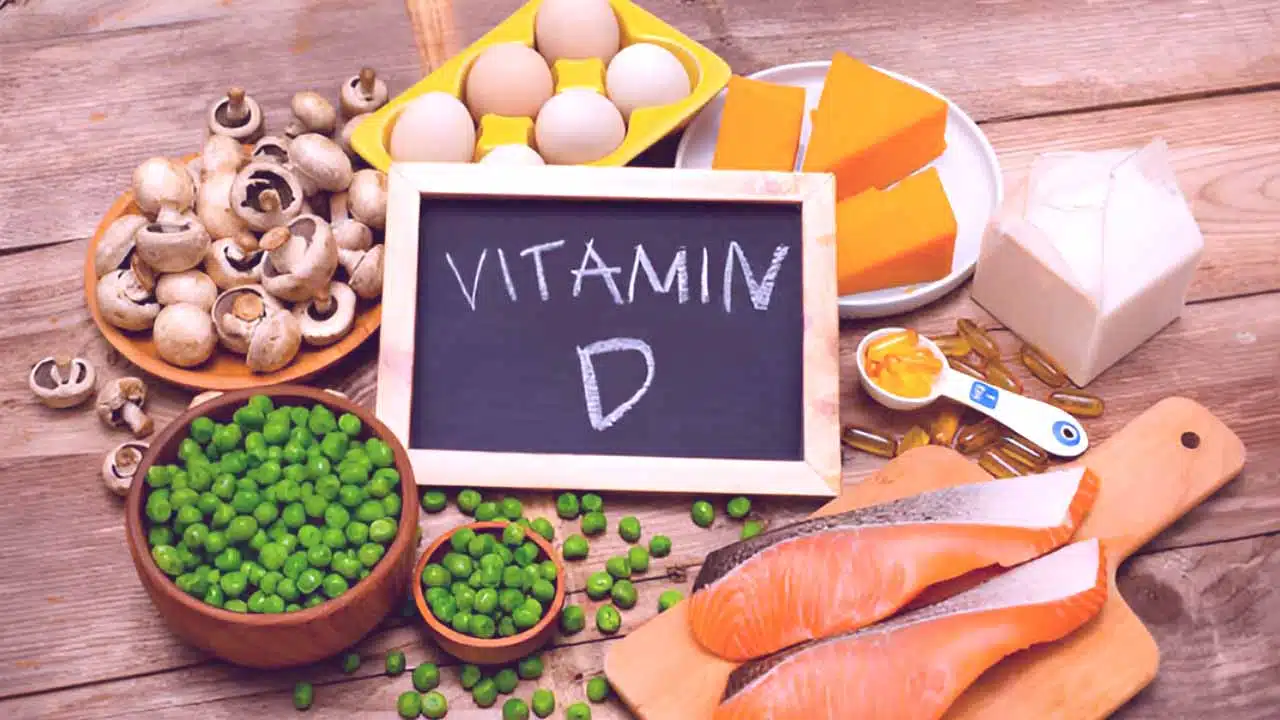
Vitamin D is crucial for bone health because it helps the body absorb calcium, one of the main building blocks of bones.
It also supports the immune system, brain, and nervous system. Vitamin D deficiency can lead to bone disorders such as rickets in children and osteomalacia in adults.
Recent studies also suggest that vitamin D may play a role in regulating mood and warding off depression.
Sources of Vitamin D
- Sunlight exposure: The body produces vitamin D when the skin is exposed to sunlight.
- Fatty fish: Salmon, mackerel, and sardines.
- Fortified dairy products, including milk and yogurt.
- Fortified cereals: Provide a non-dairy source of vitamin D.
- Egg yolks also contain some vitamin D.
5. Vitamin E: The Antioxidant
Vitamin E is an antioxidant that helps protect cells from damage caused by free radicals. It is important for immune function and skin health.
Vitamin E helps widen blood vessels and keeps blood from clotting within them. It also plays a role in maintaining healthy skin and eyes and strengthening the body’s natural defense against illness and infection.
Sources of Vitamin E
- Nuts: Such as almonds and hazelnuts.
- Seeds: Particularly sunflower seeds.
- Spinach: A leafy green rich in vitamin E.
- Broccoli: Another vegetable high in vitamin E.
- Vegetable oils: Including sunflower, safflower, and wheat germ oil.
6.Vitamin K: The Blood Clotting Agent
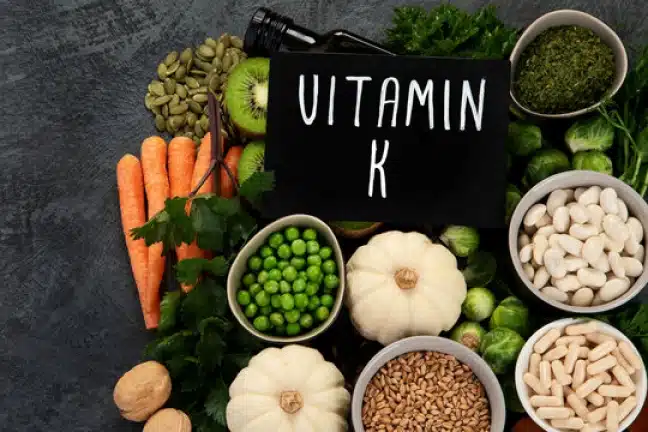
Vitamin K is essential for blood clotting and helps maintain strong bones. Without vitamin K, the body cannot produce prothrombin, a protein and clotting factor that is important in blood clotting and bone metabolism. A deficiency in vitamin K can lead to excessive bleeding and weakened bones.
Sources of Vitamin K
- Leafy green vegetables, Such as kale, spinach, and broccoli.
- Fish: Provides vitamin K in smaller amounts.
- Meat: Including beef and chicken.
- Eggs: Another source of vitamin K.
- Fermented dairy products: Like yogurt and cheese.
7. Vitamin B6: The Metabolism Booster
Vitamin B6, also known as pyridoxine, is important for normal brain development and for keeping the nervous and immune systems healthy.
It helps the body make serotonin, a chemical that influences mood, and norepinephrine, which helps your body cope with stress. Vitamin B6 is also involved in brain development during pregnancy and infancy, as well as in immune function.
Sources of Vitamin B6
- Poultry: Such as chicken and turkey.
- Fish: Including salmon and tuna.
- Potatoes: A good vegetable source of vitamin B6.
- Bananas: Also rich in vitamin B6.
- Chickpeas: Provide a plant-based source of vitamin B6.
8. Vitamin B7: The Beauty Vitamin
Vitamin B7, commonly known as biotin, plays a key role in the health of hair, skin, and nails. It helps convert certain nutrients into energy and also plays a role in the health of your hair, skin, and nails. A deficiency in biotin can lead to hair thinning, skin rashes, and brittle nails.
Sources of Vitamin B7
- Eggs: Especially the yolk.
- Almonds: A good source of biotin.
- Nuts: Such as walnuts and pecans.
- Legumes: Including beans and lentils.
- Whole grains: Like oats and barley.
9. Vitamin B9: The Heart Protector
Vitamin B9, known as folic acid in its synthetic form, is crucial for proper brain function and is important in mental and emotional health.
It aids in producing DNA and RNA and is especially important when cells and tissues are growing rapidly, such as during infancy, adolescence, and pregnancy. Folic acid also works closely with vitamin B12 to help iron function properly in the body.
Sources of Vitamin B9
- Leafy green vegetables: Such as spinach and kale.
- Citrus fruits: Like oranges and lemons.
- Beans: Including lentils and chickpeas.
- Bread: Especially whole grain varieties.
- Cereals: Often fortified with folic acid.
10. Vitamin B5: The Stress Reliever
Vitamin B5, also known as pantothenic acid, is essential for the synthesis of coenzyme A, which is crucial for fatty acid metabolism. It also plays a role in the production of hormones and cholesterol. Vitamin B5 helps to reduce stress and anxiety by supporting the adrenal glands.
Sources of Vitamin B5
- Chicken: Especially the liver.
- Avocados: A rich source of pantothenic acid.
- Sunflower seeds: Another excellent source.
- Mushrooms: Particularly shiitake mushrooms.
- Eggs: Also contain significant amounts of vitamin B5.
Final thoughts
Incorporating these essential vitamins into your diet can help maintain a fit and healthy body. A balanced diet rich in fruits, vegetables, lean proteins, and whole grains is the best way to ensure you get the necessary vitamins.
However, if you suspect you have a vitamin deficiency, it’s important to consult with a healthcare professional who can provide personalized advice and recommendations.
By understanding the importance of these ten crucial vitamins and including them in your daily diet, you can support your overall health and well-being.






















