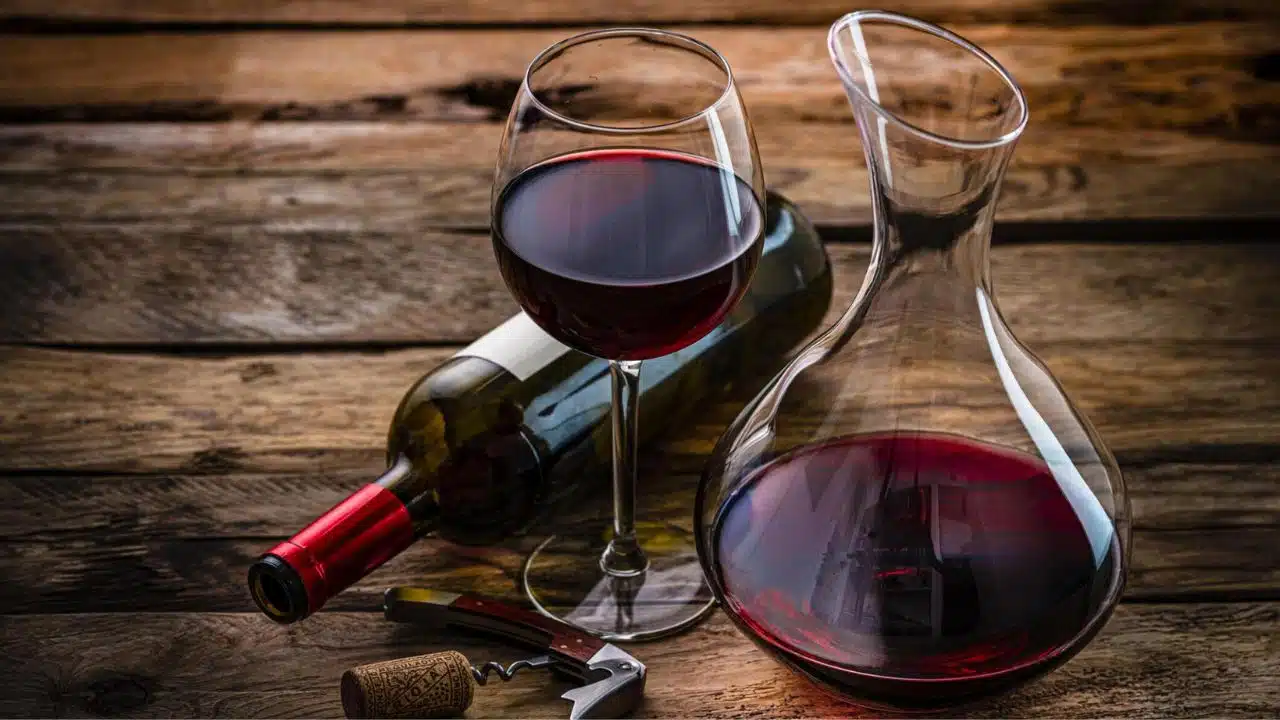
In the lush landscapes of Italy, where ancient vines weave through the countryside, the wine industry is undergoing a revolutionary transformation. NFTs (Non-Fungible Tokens) and blockchain technology are merging with centuries-old traditions to protect the authenticity and heritage of Italian wine. As these exquisite bottles journey from the rolling vineyards of Italy to the global market, innovative digital solutions are ensuring their integrity, story, and quality remain uncompromised. This fusion of technology and tradition is not only redefining the way we verify the authenticity of Italian wine but also enhancing the connection between producers and consumers worldwide. Dive into the world where the timeless art of winemaking meets cutting-edge technology, and discover how NFTs and blockchain are safeguarding the legacy of Italian wines, one bottle at a time.
1. Introduction: Fine Wines in the Digital Era
The wines industry has entered a new digital age. When you think of this sector, the last thing you would associate it with would be the NFT market. However, these two entities have found a way to merge and bring forth a new digital era in wines. Technological innovation has created a way for the wines sector to preserve their identity and quality. Wine NFT is currently the trending topic in the wines sector.
2. The blockchain solution
Blockchain technology helps ensure the authenticity of fine wine bottles. It also helps with traceability of the wines, recording storage conditions, as well as the origins of the wines. NFT technologies are also helping revolutionize digital rights managements and the digital representation of assets in the entire wines sector.
3. The added value of NFTs
NFTs play a significant role in providing the wines sector with a certificate of authenticity as well as digital ownership. NFTs are unique digital certificates with identities that can be tracked and verified by the distributed blockchain networks that support them. NFTs are applied in the wines sector for authenticating contracts and identifying assets to create digital ownership.
The most significant added value of NFTs in the wine commercialization industry is in the verification of the authenticity of fine wines. In simpler terms, when you purchase an NFT associated with a bottle of wine, it guarantees the authenticity of the wine. Along with the NFT, you also receive a certificate that verifies the authenticity of the wine. You can use this certificate of authenticity when reselling the wine as a proof of the origin of the wine. This reduces the chance of buyers purchasing fake wines. In addition to authenticating individual wine bottles, NFTs can also serve as authenticating factors for bottles or collections of wines. For examples, wines that have been produced in limited quantities over the years.
NFTs take the notion of wine collection to a new digital level. Instead of saving wine bottles and corks, now buyers can display NFTs from their digital wallets as proof of the exclusive wines that they have collected. So, NFTs for wines can serve as a bragging tool for wine collectors and enthusiasts.
4. Cantinium, the Italian pioneer
Cantinium, a leading force in Italian wine NFTs, seamlessly blends tradition with innovation by combining the renowned Italian winemakers of Italy’s top producers with cutting-edge blockchain technology. This unique approach guarantees and enhances the quality of Italian wines. It is one of the companies that has successfully demonstrated how blockchain technology can be applied in the wines sector for tracing provenance, authenticity, and preservation. Let us look at how the company has successfully applied this innovation:
5. Cantinium NFT collection
Cantinium curates an exclusive NFT collection, “Cantinium Bottles,” featuring only the finest Italian wines like Barolo, Franciacorta, and Brunello di Montalcino, to name a few. The company is offering unique and unchangeable NFTs that will serve as proof of the authenticity and ownership of the wines and chosen bottles in this collection.
6. Refinement Cellars
Beyond NFTs, Cantinium elevates wine preservation with a high-tech cellar. Leveraging cutting-edge IoT devices, they meticulously monitor crucial environmental parameters like temperature, humidity, and light within their refinement cellars. This real-time data allows them to create the perfect aging environment for each bottle, guaranteeing optimal quality and preserving the unique characteristics of each vintage for every bottle.The NFT creation process at Cantinium
Cantinium leverages a secure and automated NFT creation process, governed by smart contracts, to ensure the authenticity and traceability of every bottle. This process begins with verifying official producer documentation, guaranteeing impeccable lineage and origin.
Each bottle is equipped with a scannable NFC tag, which uniquely links it to its corresponding purchase receipt from the manufacturer. This establishes an undeniable chain of ownership from the producer to the consumer. In addition, state-of-the-art IoT sensors meticulously monitor the individual conditions of each bottle, such as temperature, humidity, and light. These data are directly incorporated into the NFT, providing complete transparency and ensuring optimal aging for each bottle. By seamlessly integrating cutting-edge technology into every bottle’s journey, Cantinium redefines wine ownership, offering an experience as exceptional as the wines themselves.
Cantinium goes above and beyond authenticity with their NFTs. Built on the Polygon blockchain, each NFT includes a digital guarantee and refinement certificate for complete peace of mind. And for ultimate transparency, all transactions are traceable on the PolygonScan network. But Cantinium doesn’t stop there – they’ve built their own dedicated NFT marketplace where you can explore and acquire their collection of unique, tokenized bottles by combining these innovative solutions, Cantinium enhances quality and transparency for producers, collectors, and consumers alike. Collectors, for instance, can showcase their exclusive wines through NFTs, while consumers gain peace of mind with guaranteed authenticity.
The fusion of wine and blockchain technology ushers in a new era of transparency and trust, changing the way we experience and appreciate wine. Cantinium, an Italian pioneer in this field, offers a unique experience that seamlessly blends tradition and innovation, guaranteeing the authenticity and quality of fine Italian wines.
Learn more about Cantinium and how this groundbreaking fusion is revolutionizing the world of wine: visit their website and join the community!