
Car accidents are unfortunately a common occurrence, often leaving victims to grapple with injuries, property damage, and emotional trauma. One critical aspect that arises in the aftermath of such incidents is the question of liability. Understanding who is at fault in a car accident can significantly impact insurance claims, legal proceedings, and the financial responsibilities of those involved. Factors such as driver behavior, road conditions, and vehicle maintenance all play a role in establishing liability. This article delves into the complexities of car accident liability, examining various scenarios, legal implications, and how to navigate the aftermath of a collision.
The Basics of Liability in Car Accidents
Liability refers to the legal responsibility for causing harm, and in car accidents, this usually falls on the driver deemed negligent. Negligence is characterized by a failure to act with reasonable care, leading to an accident that harms another party. For example, if a driver ignores traffic signals, driving through a red light, they can be held liable for any resulting damages. Each state has its own approach to liability, with some following a no-fault system, where each driver’s insurance covers their own losses regardless of fault, while others adhere to a tort system, which makes fault determination crucial for claim settlements. Misunderstandings about how liability works can lead to complications, especially for those unfamiliar with the legal process.
Common Causes of Car Accidents and Their Impact on Liability
Various factors contribute to car accidents, and understanding these can clarify the determination of fault. Distracted driving is one of the leading causes of accidents, including texting while driving or engaging with passengers. When drivers take their attention away from the road, they increase the risk of collision. Under these circumstances, the distracted driver may be held liable for resulting injuries and damages. Another prevalent cause includes driving under the influence of drugs or alcohol. Impairment significantly affects a driver’s ability to operate a vehicle safely, often leading to devastating accidents. Jurisdictions typically impose strict penalties for DUI offenses, reinforcing the notion that such behavior carries significant liability.
The Role of Insurance in Liabilities
Insurance coverage is another essential consideration in car accident liability. Most states require drivers to carry a minimum amount of liability insurance intended to cover damages caused by their fault in an accident. However, having insurance does not automatically absolve a driver from liability. In instances of aggressive driving, for example, where a driver operates their vehicle recklessly or aggressively, insurance may not cover the full extent of damages incurred, especially if the driver is found to have violated traffic laws. An aggressive driving accident attorney can assist victims in recovering the necessary compensation by helping navigate the complex insurance landscape and pursuing claims against the liable party. An experienced attorney can also help ensure that victims receive the maximum compensation available, including any punitive damages that may apply in cases of extreme negligence or intentional harm.
Sharing Liability: Comparative vs. Contributory Negligence
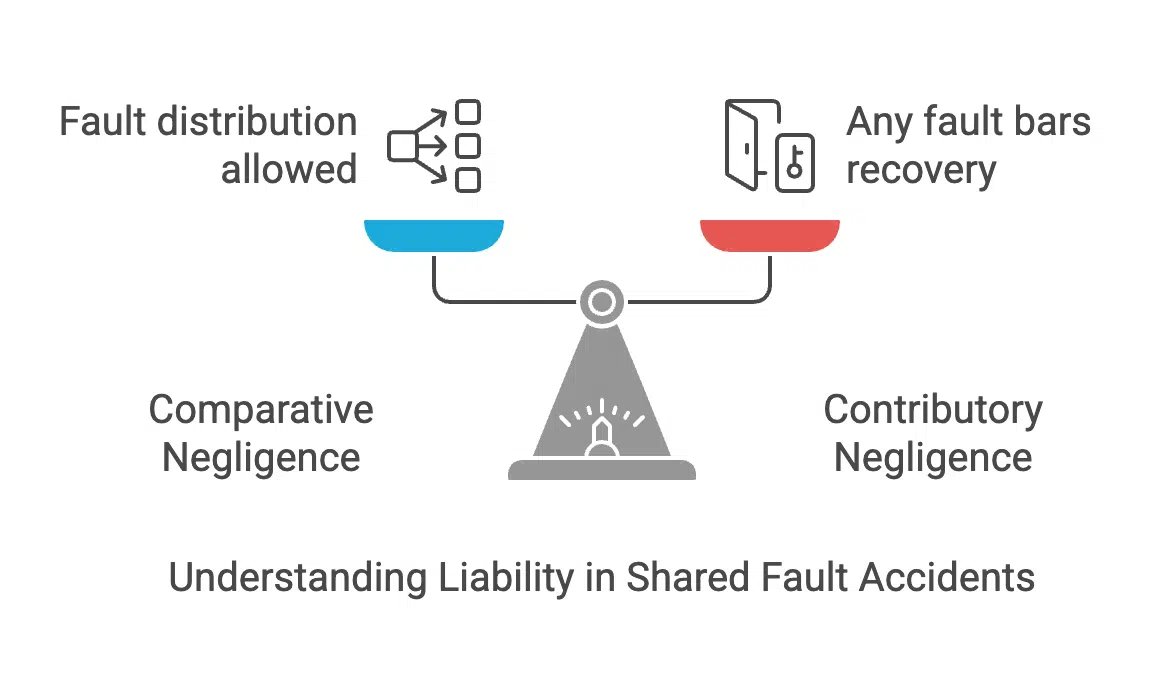
When both parties in an accident share blame, determining liability can become more complicated. Two primary doctrines that come into play are comparative negligence and contributory negligence. Comparative negligence allows for the fault to be distributed among multiple parties. For instance, if two drivers are found 70% and 30% at fault, their damages awarded would be adjusted accordingly. On the other hand, contributory negligence disallows a party from recovering damages if they are found to hold any degree of fault. Thus, in states adhering to contributory negligence, even a 1% fault could eliminate a victim’s ability to claim compensation, making it vital to understand the rules specific to the state where the accident occurred. An injured party must gather evidence demonstrating the other driver’s negligence while minimizing their level of fault, often necessitating expert testimony or documentation from law enforcement.
Documenting Evidence and Building Your Case
Following an accident, it becomes imperative for those involved to document all pertinent information to build a strong case for liability. This documentation includes taking photographs of the accident scene, gathering witness statements, and obtaining police reports. Medical records that outline injuries sustained during the accident will also be crucial when establishing the extent of damages. Keeping track of expenses related to recovery, such as medical bills and lost wages, can substantiate any claims for compensation. In our digital age, utilizing technology, such as recording video statements from eyewitnesses or mapping out the accident scene, can also strengthen a case. An organized approach to collecting evidence will significantly aid in holding the responsible party liable and ensuring fair reimbursement for damages.
The Importance of Timely Action in Car Accident Cases
It is crucial to take swift action after a car accident to ensure the best possible outcome in your case. Statutes of limitations, which set time limits for filing claims, vary by state and can impact your ability to recover damages. Gathering evidence and contacting an attorney early can help preserve crucial details before they fade or are lost. The sooner you begin the process, the better equipped you’ll be to navigate the legal complexities and protect your rights.

Navigating the complexities of car accident liability requires a comprehensive understanding of the contributing factors, legal doctrines, and procedural steps following an accident. Understanding the distinctions between negligence, fault systems, and the importance of documentation can empower victims to secure fair compensation for their injuries. Ultimately, working with a dedicated attorney can provide vital assistance, ensuring that individuals understand their rights and the best course of action in the aftermath of a crash.