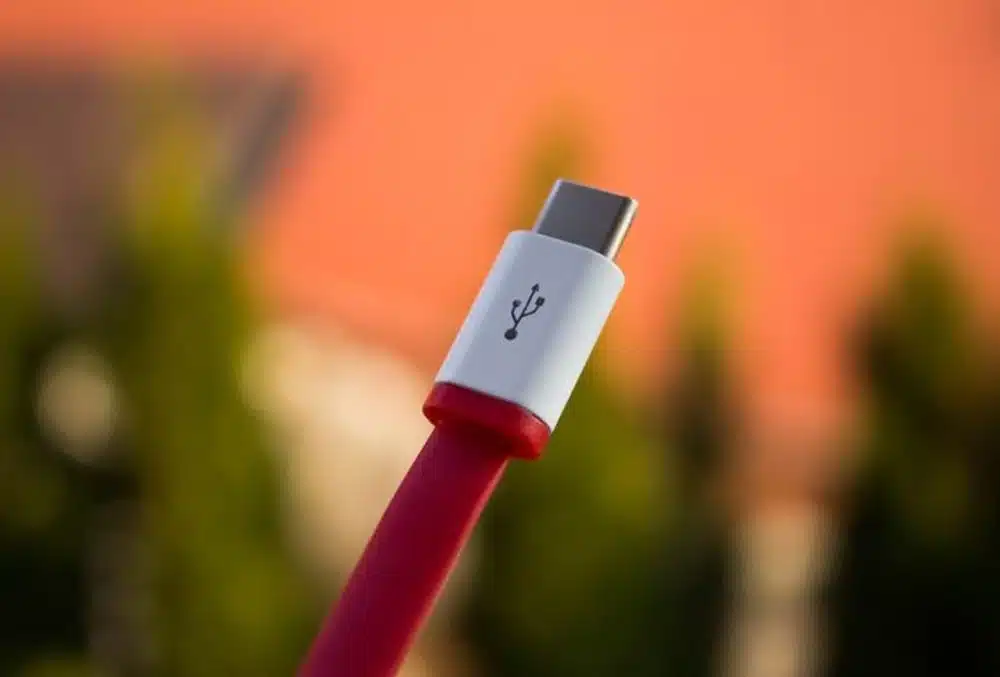
USB Type-C: Why It is So Important?

USB Type C

A USB Type-C port with support for Thunderbolt 3 means that a single cable is all you need to push power and transfer a big amount of information (up to and including two 60Hz 4K displays).

USB’s has been around a long time. Longer than most other ports actually. It was revolutionary. This standard was made popular by Microsoft when they included USB support in their Windows 98 operating system and by Apple when they removed the traditional mouse and keyboard ports for their iMac lineup and started using USB.

Now, some of you guys are probably thinking, “I’ve been connecting keyboard and mouse via USB all my life! That’s not the traditional port?”. Well, no. In fact, we needed 2 different ports for mouse and keyboard.

They looked the same but didn’t work if you connected them to the wrong port.  Before USB came around, almost all the connections were parallel, but the ‘S’ in USB means “Serial”.

They are a lot faster than the parallel ports and one port could be used to connect different kinds of devices like mouse, keyboard, printer, digital camera, webcams, flash drives, external HDD etc. This is getting familiar right?

But what’s all the buzz about USB Type-C or USB 3.1. It caught our eyes when Apple was being “Apple” in 2015. They released their 2015 MacBook with just 2 ports. A USB Type-C and a headphone jack (thank god). That’s the same ports on most modern smartphones. And as expected, people went nuts. We are used to seeing a long array of the port on both sides of our laptops. How can we live with only this one port? Google did the same thing with their Chromebook Pixel a few months prior. But they put one on each side.

That was actually a very clever thing to do. Now you could plug the charger on either side of your Chromebook.

Apple went on with this trend and on put 2 or 4 (depending on the model) Type-C ports on their MacBook Pro Lineup, only these ports.

That’s good and all, and I’m sure it’s faster than the previous generation, but why would we sacrifice all the other ports? Honestly, we don’t need them. Yeah, you read it right. The type-C is the port that’ll replace all ports. At least, that’s the idea. And I’m all for it. But how?

It can carry up to 100W of power. That’s more than enough to charge most modern laptops. It’s got a theoretical maximum speed of 10Gb/s. For those who do not understand what that means, it can output 4k at 60Hz. So, no need for HDMI. And it can do whatever the old USB ports could. It is backward compatible. And it is REVERSIBLE.

Yeah, you can plug this in any way you want. You don’t have to try 3 times to plug in a flash drive from now on. And some might have heard the word “Thunderbolt 3” here and there by now. USB Type-C can be Thunderbolt 3 compatible. And what can we do with that? In brief, you can connect a desktop-grade graphics card to your Ultrabook with just one port. This is one of the uses anyway.  

So, have I been able to convince you that USB Type-C is the future, and why is it so important?

READ MORE: 5 Things That iPhones Can’t Do

 

Subscribe to Our Newsletter

Related Articles

Top Trending

Best Science Apps for kids
10 Best Science Apps That Make Kids Curious
edtech trends for parents
8 EdTech Trends Parents Should Understand
Is Nagato Uzumaki Related to Naruto Uzumaki
Is Nagato Uzumaki Related to Naruto Uzumaki: Family Ties Explained
Top Reasons Travellers Choose the Maldives for Relaxation and Reconnection
Top Reasons Travellers Choose the Maldives for Relaxation & Reconnection – What Makes the Islands So Restorative
Golf and Leisure Experiences in Dubai
Golf & Leisure Experiences in Dubai with Scenic Fairways, Resort Activities & Relaxed Escapes – A Guide to Making the Most of Your Stay

Technology & AI

Monitoring and Observability Tools for SaaS
9 Best Monitoring and Observability Tools for SaaS
Best Privacy-First Productivity Apps
10 Best Privacy-First Productivity Apps for Work and Personal Use
AI Chatbots for Teachers
12 Ways Teachers Are Using AI Chatbots Responsibly
AI in K-12 classrooms
12 Ways AI Is Being Used in K-12 Classrooms Right Now
Web Development Agency vs Freelancer vs No-Code Builder
Web Development Agency vs Freelancer vs No-Code Builder: A Project-Fit Guide

GAMING

Intentional Screen Time
How to Spend Your Screen Time More Intentionally
Complete Guide on Game Programgeeks
Game Programgeeks: A Complete Guide on PC, Game Dev, and Tech
Online Color Game Philippines
Online Color Game Philippines: What Every Beginner Should Know Before Playing
Ways to Reduce Game Development Costs
12 Ways Studios Cut Game Development Costs
NFT game development cost
How Much Does NFT Game Development Cost? A Realistic Budget Breakdown

Business & Marketing

Why Adam Milstein Believes Philanthropists Should Give Out Loud
Email Marketing Agency vs DIY Platform
Email Marketing Agency vs DIY Platform: When Outside Help Adds Value
Critical Path Method
The Critical Path Method Explained in Plain English
Time to Value: How SaaS Teams Can Reach Results Faster
How to Onboard New Team Members With a Self-Serve Wiki

EdTech & E-Learning

Best Science Apps for kids
10 Best Science Apps That Make Kids Curious
edtech trends for parents
8 EdTech Trends Parents Should Understand
AI Chatbots for Teachers
12 Ways Teachers Are Using AI Chatbots Responsibly
alphabet songs for kids
10 Alphabet Songs That Go Beyond the Classic ABC Tune
Alphabet Milestones to Watch for Age 5 Kids
9 Alphabet Milestones to Watch for Before Age 5

Software & Apps

Monitoring and Observability Tools for SaaS
9 Best Monitoring and Observability Tools for SaaS
Best Privacy-First Productivity Apps
10 Best Privacy-First Productivity Apps for Work and Personal Use
Review Response Templates
10 Review Response Templates That Build Local Trust
Good Conversion Rate for Freemium Apps
What is a Good Conversion Rate for Freemium Apps
Open-Source Alternatives to Popular SaaS Tools
Open-Source Alternatives to Popular SaaS Tools: What I Use Daily (and Why)