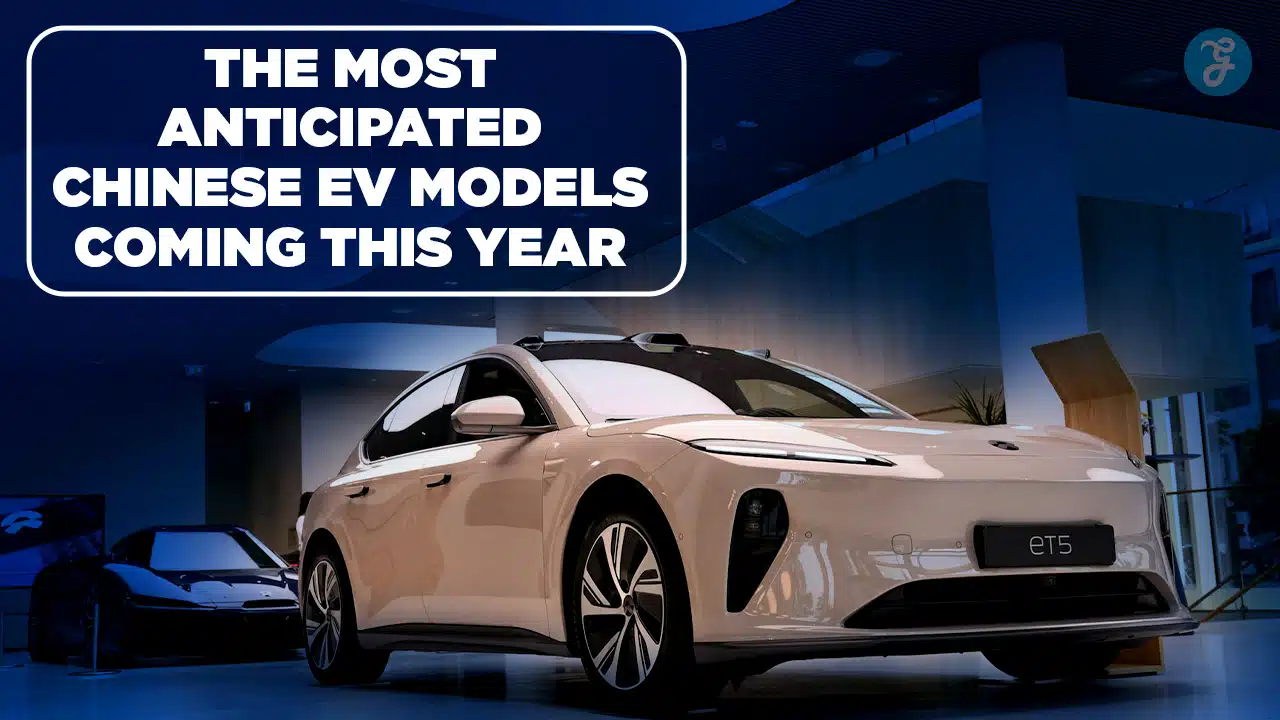
The global EV market is moving fast, but China is moving faster. New models arrive with fresh tech, better batteries, and aggressive pricing. That speed is reshaping how people shop, compare, and even wait before buying.
This guide focuses on the upcoming Chinese EVs in 2026 that are drawing the most attention. Some are mainstream SUVs built for families. Others are premium flagships built to show off new charging and software.
You will see what each model is trying to do, where it might fit, and what to watch before believing the hype. You will also get simple tables under every section, so you can scan, compare, and decide what matters most to you.
If you are planning an EV purchase this year, this article can help you avoid two common mistakes. The first is trusting early range claims too much. The second is assuming a “launch” means “you can actually buy it tomorrow.”
| What you’ll get in this guide | Why it helps |
| 10 models with clear reasons to watch | Saves time and keeps your shortlist realistic |
| Confirmed vs likely expectations | Reduces hype-driven decisions |
| Practical trend breakdown | Explains what changes are actually meaningful |
| Buyer checklist and FAQs | Helps you compare like a pro |
How this list was built
This list is built to stay useful even when the launch calendar shifts. Brands often tease a model early, then change trims, battery sizes, and pricing right before deliveries. So the goal here is clarity, not overconfidence.
Each pick has a strong “signal” that it is coming in 2026. That signal can be an announced plan, repeated industry coverage, or a clear rollout pattern from the brand. Still, every section includes a “what to watch” area because last-minute changes are normal.
The ranking is not based on fan hype alone. It balances buyer demand, segment importance, and how much the model could influence competitors. A high-volume family SUV can matter more than a niche halo car.
Finally, this list stays market-neutral. Availability can differ across China, Europe, the Middle East, Southeast Asia, and the UK. The same model may arrive with different names, batteries, or features depending on regulations and pricing goals.
| Selection rule | What it means |
| Credible timing signal | Strong expectation of 2026 debut, reveal, or deliveries |
| Real consumer relevance | Models that could matter in volume or tech leadership |
| Segment variety | A mix of sedans, SUVs, premium, and budget entries |
| Evidence-first framing | Clear “confirmed vs unknown” language in each section |
Selection criteria you should care about
These criteria are designed for real buyers, not press events. A model can look amazing on stage, but still disappoint if charging is slow or service is weak. That is why the criteria go beyond “range and horsepower.”
First, we look at the segment. Compact and mid-size SUVs usually attract the widest audience. Next, we look at platform direction because it shapes cabin space, efficiency, and charging speed.
Then we look at software maturity. Many new EVs feel great in month one, then get messy if updates are inconsistent. Finally, we look at market reach because global buyers need supply, parts, and local support.
| Criterion | Why it matters to you |
| Segment demand | Predicts whether the model will be widely supported |
| Platform and charging | Affects road-trip time and real convenience |
| ADAS approach | Impacts safety, cost, and trim value |
| Service readiness | Avoids long repair wait times |
What “coming this year” actually means
In EV news, “launch” can mean different things. It can mean a stage reveal. It can mean opening reservations. It can mean first deliveries in a single city. For buyers, only the last one truly matters.
So in this article, “coming this year” covers a range of milestones. Some models may be revealed in early 2026 but deliver later. Others may open sales in China first and export later.
That is why you should watch for production confirmation, not just a concept. If a brand shares factory targets, trim details, and delivery dates, it is usually more real. If it only shares cinematic videos, it may still be far away.
| Launch term | What it usually means |
| Reveal / debut | You can see the car, but may not buy soon |
| Pre-orders open | You can reserve, but deliveries may slip |
| Market launch | Sales begin in one region or country |
| First deliveries | The car is real in customer hands |
China-only vs global availability
China is still the main battlefield, but export plans are expanding. Many Chinese brands now design cars with global markets in mind. That includes better safety ratings, right-hand-drive versions, and multi-language software.
Still, global availability depends on many factors. Local rules can require changes to lights, charging ports, and safety features. Tariffs can change pricing overnight. Dealer and service networks can delay rollouts.
If you want one of these models outside China, follow the brand’s local announcements. Avoid assuming that a China reveal guarantees a near-term global release.
| Availability factor | Why it can delay your market |
| Homologation rules | Requires testing and approvals |
| Charging standards | May need hardware changes |
| Tariffs and pricing | Can alter launch priority |
| Service network | Brands avoid launching without support |
Upcoming Chinese EVs in 2026: at-a-glance comparison
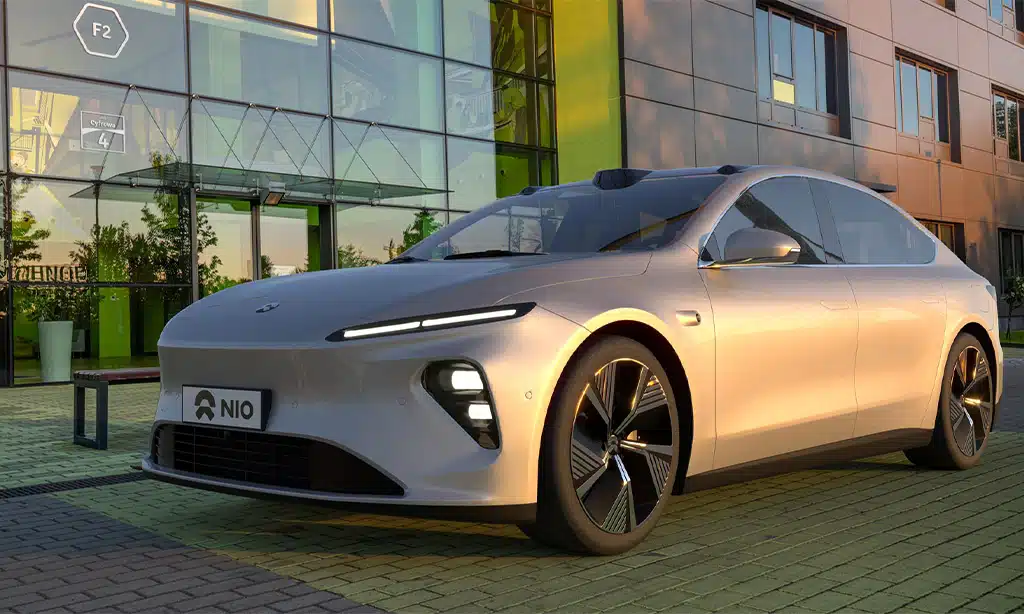
This section is meant for scanning. You can get the “big picture” in one minute. Then you can jump into the model that matches your needs.
The most important note is this. Early numbers are often optimistic, especially when quoted using local test cycles. Real-world range and charging speed are what matter on your commute and road trips.
This table uses simple placeholders like “entry” and “premium” because pricing can differ by market. It also uses broad segments like “mid-size SUV” because brand definitions vary. The goal is clarity and easy comparison.
If you want to shortlist quickly, pick your segment first. Then decide whether you care most about charging, cabin tech, performance, or price. That approach saves you from comparing vehicles that were never meant to compete.
| Model | Likely segment | Likely strategy | Main reason to watch |
| BYD Seal 08 | Large sedan | Flagship tech direction | Signals BYD’s next design and feature stack |
| BYD Sealion 08 | Large SUV | Flagship family SUV | High demand segment with premium features |
| Xiaomi YU7 | Mid-size SUV | Ecosystem + software | Tech-first experience and strong attention |
| Zeekr 7X (2026) | Mid-size SUV | Charging + premium feel | High-voltage platform focus |
| Denza Z9 GT Hybrid | Premium GT | Premium expansion | Luxury approach with hybrid flexibility |
| Onvo L80 | Family SUV | Scale and value | Nio’s broader-market push |
| Nio ES9 | Flagship SUV | Next-gen premium | New flagship tech package |
| Nio ES7 (update) | Mid-size SUV | Platform evolution | Potential major upgrade cycle |
| Xpeng MONA SUV | Entry SUV | Value pricing | Budget segment with modern software |
| Nio Firefly (RHD) | Small hatch | Global market entry | Right-hand-drive expansion interest |
The 10 Most Anticipated Chinese EV Models Coming
This is the section most readers come for, and it’s where the differences between hype and reality matter most. Chinese EV brands move quickly, but the smartest way to follow them is to focus on what each model is trying to solve for real drivers. Some aim to cut charging time, some aim to boost comfort and cabin quality, and some aim to deliver the best tech per dollar.
You’ll notice that SUVs dominate the list, and that’s not an accident. SUVs remain the most demanded body style in many markets because they fit families, luggage, and mixed driving. At the same time, flagship sedans still matter because they often introduce the newest design language and software direction first.
Keep one key idea in mind as you read: a “debut” is not the same as “deliveries.” Many models look ready at reveal events, but pricing, trims, and availability can change right up to launch. That’s why each model section includes what’s most likely, what’s still unclear, and what buyers should watch before making decisions.
Finally, use the tables to compare quickly, but rely on real-world testing once cars hit roads. Range ratings and charging claims can vary by test standard and driving conditions. The best EV for you will be the one that fits your daily charging routine, your road-trip habits, and your budget—more than the one with the loudest headline numbers.
1. BYD Seal 08 (Ocean-series flagship sedan)
BYD’s Ocean lineup has been a major growth engine, and a flagship sedan can set the tone for the entire family. The Seal 08 is expected to sit above existing Ocean sedans in positioning. That usually means more space, more tech, and stronger “halo” appeal.
Flagships also act as a roadmap. Features introduced here often show up later in more affordable models. So even if you do not plan to buy this car, it still matters to the market.
This model is likely to compete in a space where buyers want a clean cabin, quiet ride, and dependable efficiency. It is also a segment where design and software make a big difference. Sedans must feel premium because many buyers compare them to luxury options.
The most practical reason to watch is value. BYD often pushes strong specs at aggressive pricing. If the Seal 08 hits the right balance, it could pressure rivals to cut prices or add features.
| Seal 08 summary | What it means |
| Role | Ocean-series flagship sedan |
| Buyer appeal | Premium sedan feel without extreme pricing |
| Key strengths to watch | Cabin tech, efficiency, and smooth software |
| Biggest unknowns | Final battery options and export timing |
What’s likely to be new
Expect a more advanced cabin interface and a cleaner layout. Many brands are moving toward simpler dashboards with fewer physical buttons. The challenge is keeping it easy to use while driving.
Also watch for improvements in noise isolation. Premium sedans win on quietness as much as on speed. Small changes in glass, insulation, and suspension tuning can shift the feel a lot.
Finally, pay attention to trim strategy. If key features appear only on top trims, the “base price” may not tell the full story. A good deal is the trim you would actually buy, not the cheapest one on a poster.
| Likely upgrade area | Why it matters |
| Cabin UI and screens | Daily comfort and ease of use |
| Sound insulation | Premium feel on highways |
| Efficiency tuning | Lower running cost and better real range |
| Trim packaging | Determines real value |
What to watch before you get excited
Do not focus only on headline range. Look for wheel sizes, battery size, and real-world test results. Those shape real usability.
Also check charging performance as a curve, not a peak number. Many EVs quote a high peak that lasts only briefly. A stable average is more important.
Finally, if you are outside China, watch for clear import or local launch plans. Without those, a “great model” may still be hard to buy for months.
| Buyer reality checks | Quick rule |
| Range claims | Wait for independent real driving tests |
| Charging speed | Look at 10–80% time, not peak kW |
| Export plans | Follow local brand announcements |
| Warranty and service | Confirm coverage in your market |
2. BYD Sealion 08 (Ocean-series flagship SUV)
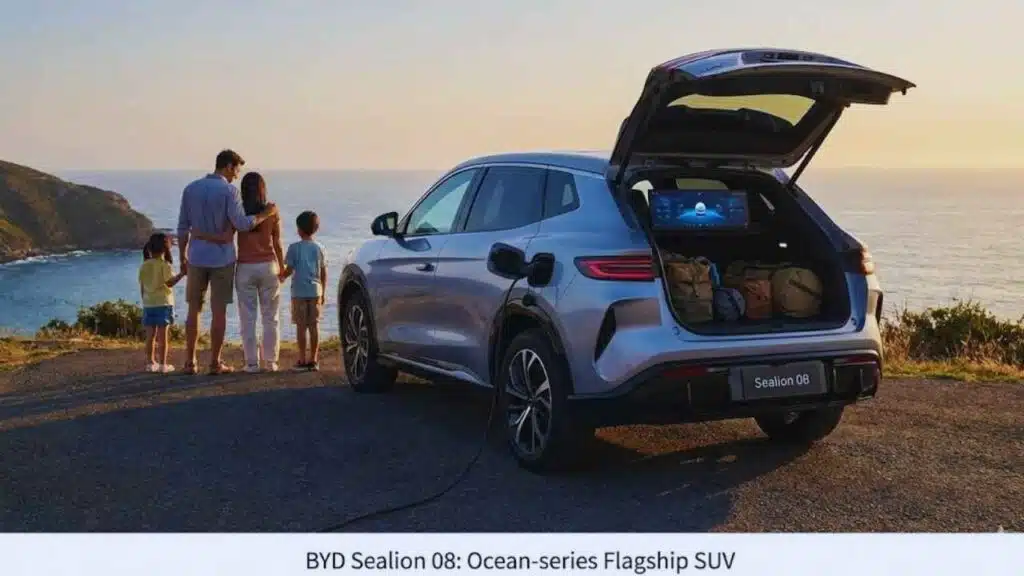
SUVs are the center of the market almost everywhere. That is why a flagship Ocean SUV matters. The Sealion 08 is expected to represent the top end of BYD’s Ocean SUV direction, which suggests a strong push on space, comfort, and features.
For many buyers, this kind of SUV is a one-car solution. It needs to handle city driving, family duties, and road trips. That makes charging and real-world efficiency extra important.
This model also matters because it can influence pricing trends. If BYD brings a high-feature flagship SUV at a competitive price, competitors will need to respond quickly. Price wars often begin in the SUV segment.
Expect the Sealion 08 to compete with popular crossovers that dominate global sales charts. Even if it does not launch everywhere immediately, it can still pressure rivals through comparisons.
This is also where software and driver assistance become selling points. SUV buyers often care about safety tools, parking assistance, and stress-free driving support.
| Sealion 08 summary | What it means |
| Role | Ocean-series flagship SUV |
| Buyer appeal | Family-friendly SUV with premium features |
| Key strengths to watch | Space, comfort, and tech per dollar |
| Biggest unknowns | Seating layout and market rollout plans |
Cabin space and practicality
A flagship SUV must deliver real daily usability. That includes rear-seat comfort, easy child-seat installation, and usable cargo space. A big body is not enough if the layout wastes space.
Also look for practical details. Flat floors, wide-opening doors, and well-placed storage often matter more than fancy materials. Families notice these things immediately.
Pay attention to third-row claims if offered. Many “three-row” SUVs have a third row that is best for short trips only. The best way to judge is legroom and seat height, not marketing photos.
Finally, check if the roofline is too sporty. Sleek looks can reduce headroom and cargo height, especially for tall passengers.
| Practicality checklist | Why it matters |
| Rear-seat comfort | Most families live in the second row |
| Cargo space shape | Real usability beats big liters on paper |
| Door openings | Easier entry with kids and bags |
| Seating options | Third row usefulness varies a lot |
What to watch on tech features
SUV shoppers often value driver assistance, parking systems, and camera clarity. Many Chinese brands offer strong hardware, but the software tuning is what makes it feel trustworthy.
Look for clear statements about which features are standard. If safety tools move to high trims only, the base model becomes less appealing. A good family SUV should not hide basic safety behind expensive packages.
Also consider how updates work. If the brand has a stable update history, the car can improve over time. If updates are rare or buggy, the owner experience can suffer.
| Tech feature questions | What to check |
| ADAS by trim | Standard vs optional matters |
| Camera quality | Night performance and rain clarity |
| Parking aids | 360 camera and auto-park reliability |
| Update policy | Frequency and stability over time |
3. Xiaomi YU7 (ecosystem-focused mid-size SUV)
Xiaomi’s car story is unusual because it begins with a tech brand identity. That changes expectations. Buyers may expect the SUV to behave like a smartphone, with smooth UI, fast updates, and deep device integration.
The YU7 is expected to build on Xiaomi’s momentum and bring that approach into the SUV segment. SUVs are where mass adoption happens, so this is a strategic move. It expands the potential customer base beyond early adopters.
The excitement around Xiaomi is not only about features. It is also about brand loyalty. A large group of customers already lives inside Xiaomi’s product ecosystem. If the car integrates naturally, it can feel like an extension of daily life.
Still, first-generation car-building has risks. Manufacturing scale, service readiness, and long-term durability are hard challenges. That is why this model is both exciting and worth watching carefully.
If Xiaomi executes well, it can push other automakers to take software experience more seriously. That could benefit all buyers, even those who never buy a Xiaomi vehicle.
| Xiaomi YU7 summary | What it means |
| Role | Ecosystem-first mid-size SUV |
| Buyer appeal | Tech integration and software experience |
| Key strengths to watch | UI polish, updates, and connectivity |
| Biggest unknowns | Service scale and delivery consistency |
What “ecosystem car” could mean in daily use
A true ecosystem car should reduce friction. It should remember your settings, connect quickly, and keep apps reliable. That sounds basic, but many vehicles still struggle with it.
It may also offer smoother handoffs between phone and car. Think navigation, music, messaging, and smart-home controls. If this works well, it changes what buyers expect from other brands.
It should also improve over time without breaking things. That requires careful testing and stable rollout. The best software companies manage updates with discipline, not just speed.
Finally, an ecosystem car should not distract you. Good UI design in a car means fewer taps, clearer menus, and better voice control.
| Ecosystem benefit | What to look for |
| Fast pairing | Consistent connection without fiddling |
| Clean UI | Simple menus and readable navigation |
| Reliable updates | Improvements without new bugs |
| Voice control | Useful, not gimmicky |
What to watch before reserving
If you are tempted to reserve early, focus on after-sales support. A strong car needs strong service. If parts supply is slow, small issues can become big headaches.
Also watch for real delivery timelines. New car programs often face supply constraints. Transparent communication is a good sign.
Finally, look for independent reviews of ride comfort and noise. Many tech-first products nail screens but miss suspension tuning. SUVs need comfort to win mainstream buyers.
| Pre-order checklist | Why it matters |
| Service centers | Determines repair speed and convenience |
| Delivery transparency | Reduces frustration if delays happen |
| Comfort and noise | Mainstream buyers care deeply |
| Winter performance | Range and heat efficiency can drop |
Zeekr has built a reputation around premium design and performance-focused EVs. A 2026 update for the 7X is likely to push further on charging, efficiency, and possibly architecture improvements. In a crowded SUV field, those upgrades can be a real differentiator.
Charging speed has become a major battleground because it changes how EVs feel on long trips. Many buyers can charge at home most days, but they still want fast road-trip stops. That is where high-voltage systems can help.
Still, the most important detail is not voltage alone. It is how the car manages heat, preconditions the battery, and maintains charging speed. That determines your real stop time, not the marketing number.
The 7X also matters because it targets a sweet spot. Mid-size SUVs are large enough for families but still easy to drive in cities. If the pricing is competitive, it can pull buyers from both premium and mainstream rivals.
Finally, Zeekr’s design language tends to be bold. That can attract buyers who want something different from the “generic crossover” look.
| Zeekr 7X summary | What it means |
| Role | Updated premium mid-size SUV |
| Buyer appeal | Potential fast charging and refined cabin |
| Key strengths to watch | Charging curve, ride comfort, and software stability |
| Biggest unknowns | Final pricing and regional availability |
How to judge “fast charging” in real life
Do not get stuck on peak charging numbers. A car can hit a high peak for a short moment, then slow down sharply. That looks great in a headline but feels average at the charger.
A better metric is 10–80% time. That range covers most real road-trip stops. Also look at average kW during that session, which reflects the charging curve.
Another key factor is battery preconditioning. If the car warms or cools the battery before you arrive at the charger, it can sustain faster charging. Without it, even high-voltage cars can feel slow in cold weather.
Finally, consider charger availability where you live. The best charging tech is wasted if local infrastructure is limited.
| Charging metric | What it tells you |
| 10–80% time | Real road-trip stop duration |
| Average charging power | Quality of the charging curve |
| Preconditioning behavior | Consistency in cold or hot weather |
| Network fit | Whether you can use the speed often |
What to watch on comfort and refinement
Premium SUVs must feel calm. That includes stable highway behavior, strong noise isolation, and predictable braking. EVs can hide weight well, but tuning still matters.
Also watch seat comfort and long-trip ergonomics. Great screens do not matter if the seat hurts after two hours. Many buyers notice this immediately during test drives.
Finally, check software responsiveness. Laggy menus and slow camera views can make the car feel less premium, even if the hardware is strong.
| Refinement checklist | Why it matters |
| Highway stability | Confidence at speed |
| Noise isolation | Premium feel and less fatigue |
| Seat comfort | Most important daily comfort factor |
| UI responsiveness | Reduces frustration and distraction |
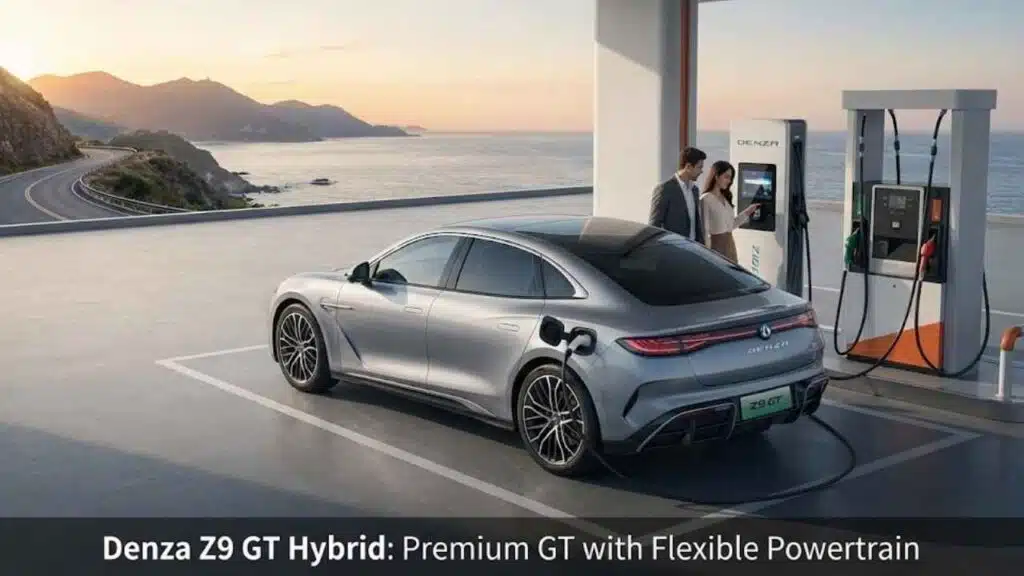
Denza’s premium positioning makes the Z9 GT Hybrid an interesting case. A hybrid variant can appeal to buyers who want performance and range flexibility, especially in regions where charging infrastructure is still growing.
For premium buyers, hybrid can also reduce anxiety about long trips. You can run electric most days, then rely on fuel for extended driving when needed. That blended use case remains popular in many markets.
A GT-style vehicle is also a brand statement. It is designed to look high-end and feel special. That matters when a brand is building recognition outside its home market.
Still, premium expansion is hard. Buyers in this segment expect refined service, strong warranties, and polished software. A great product can still struggle if the ownership experience feels uncertain.
This model is worth watching because it sits at the intersection of two trends. One is premium Chinese brands going global. The other is hybrid and range-extended strategies that adapt to real-world charging gaps.
| Denza Z9 GT Hybrid summary | What it means |
| Role | Premium GT with hybrid flexibility |
| Buyer appeal | Premium feel with long-distance confidence |
| Key strengths to watch | Ride refinement, cabin quality, and support network |
| Biggest unknowns | Price positioning and local service strength |
Why hybrids still matter in an EV world
Many buyers want electric driving but cannot rely on fast chargers everywhere. A hybrid setup can offer a practical bridge. It can also reduce charging downtime on long trips.
In some regions, fuel prices and taxes influence this choice. If charging is expensive or slow, hybrid can feel more convenient. If charging is cheap and fast, pure EV may be better.
Hybrid also changes maintenance needs. It adds complexity compared to a pure EV. So buyers should weigh convenience against long-term upkeep.
Finally, hybrid can affect resale value differently by market. In areas with strong charging networks, pure EV may hold value better.
| Hybrid trade-off | What it means |
| Range flexibility | Easier long trips without charger planning |
| Added complexity | More parts than a pure EV |
| Market fit | Depends on charging network quality |
| Resale patterns | Can vary widely by region |
What premium buyers should check
Start with cabin materials and build quality. Premium buyers notice panel gaps, rattles, and road noise. A test drive on rough roads can reveal a lot.
Next, check how the brand supports customers. Look for service center locations and parts timelines. Premium ownership is not only about the car itself.
Also check driver assistance behavior. Premium systems should feel smooth, not jerky. Stability and predictability build trust.
Finally, review warranty details. Coverage varies by region and can influence total cost of ownership.
| Premium checklist | Why it matters |
| Build quality | Prevents long-term annoyance |
| Service network | Determines repair speed |
| ADAS smoothness | Comfort and safety confidence |
| Warranty clarity | Protects long-term costs |
6. Onvo L80 (family SUV built to scale)
Onvo is important because it represents a “scale” strategy. It aims to bring EV features and brand credibility to a broader audience. The L80 is expected to play a central role in that plan.
Family SUVs must balance many priorities. They need space, safety, comfort, and good running costs. They also need a price that feels reasonable. That is why this segment is so competitive.
If the L80 is priced well, it can become a serious option for buyers who want a modern EV without paying top-tier premium prices. It can also bring more buyers into the brand’s ecosystem.
The big risk is execution. Scaling production while keeping quality high is difficult. Deliveries and service readiness will matter as much as spec sheets.
This model is also a reminder that the “best EV” is often the one that fits your daily routine. A well-packaged family SUV can be more valuable than a flashy performance car.
| Onvo L80 summary | What it means |
| Role | Mainstream family SUV |
| Buyer appeal | Space and value in a popular segment |
| Key strengths to watch | Price-to-feature ratio and comfort |
| Biggest unknowns | Delivery ramp and regional plans |
What families should prioritize
Start with space and practicality. Second-row comfort, storage, and easy entry matter daily. A big screen does not help if the cabin feels cramped.
Next, check safety and basic assistance features. Families benefit from strong visibility, reliable cameras, and predictable braking. These details reduce stress.
Charging also matters for family use. If you road trip, fast charging helps. If you charge at home, efficiency and stable range matter more.
Finally, consider running costs. Tires, insurance, and local service pricing can vary widely.
| Family SUV priorities | Why they matter |
| Second-row comfort | Daily usability with passengers |
| Storage and layout | Real-life convenience |
| Safety features | Peace of mind |
| Running costs | Budget stability over time |
What to watch on trim value
Many brands make the base trim look affordable, then lock key features into higher trims. Before you decide, compare trims carefully.
Look for whether safety and driver assistance are standard. Then check whether battery size changes by trim. Larger batteries cost more but can also improve charging performance.
Also watch wheel sizes. Larger wheels can reduce efficiency and range. They can also increase tire replacement costs.
Finally, check whether heated seats, heat pumps, and winter-friendly features are included. Those matter in colder regions.
| Trim trap | Quick check |
| Safety locked to top trims | Confirm standard feature list |
| Battery size differences | Compare real range and charging |
| Big wheels reduce range | Check efficiency impact |
| Winter features missing | Verify heat pump and seat heating |
7. Nio ES9 (flagship SUV that sets the tone)
Flagship SUVs are not only about size. They are about technology packaging and brand perception. The ES9 is expected to be Nio’s high-end statement for 2026.
In this class, buyers expect a calm ride, strong interior quality, and dependable software. They also expect advanced assistance features that do not feel stressful. Premium has become about smoothness as much as speed.
This model matters because it can influence the rest of the lineup. When a flagship introduces a new cabin design or computing platform, it often spreads to more affordable models later.
It also matters for competition. The premium Chinese SUV segment is crowded. If Nio does not deliver a clear advantage, buyers will have many alternatives.
For shoppers, the ES9 is worth watching if you want a luxury SUV feel with modern EV tech. But the final value will depend on pricing and support in your region.
| Nio ES9 summary | What it means |
| Role | Premium flagship SUV |
| Buyer appeal | Luxury comfort with modern tech |
| Key strengths to watch | Ride quality, quiet cabin, and ADAS polish |
| Biggest unknowns | Pricing and final feature packaging |
What defines a true flagship in 2026
A true flagship feels effortless. Doors close solidly. The cabin stays quiet at speed. The suspension stays calm over rough roads. These things create premium value.
Software must also feel stable. A flagship cannot feel like a beta product. Features should work consistently, not only when conditions are perfect.
Charging should be reliable and predictable. A flagship buyer expects confidence on trips, not constant planning stress.
Finally, service must match the price. Premium owners expect fast support and clear communication.
| Flagship expectation | What to look for |
| Quietness and comfort | Less fatigue on long trips |
| Stable software | A premium feel every day |
| Predictable charging | Confidence on road trips |
| Strong service | Ownership experience that matches the price |
How to compare ES9 to rivals
Compare cabin space and seat comfort first. Then compare noise, suspension, and braking feel. These are hard to fake and matter most.
Next, compare driver assistance behavior in real driving. Some systems look advanced but feel nervous. Smooth systems build trust.
Finally, compare warranty, service, and resale expectations in your market. Premium EVs can vary widely on long-term cost.
| Comparison focus | Why it helps |
| Comfort and noise | The core of premium value |
| ADAS smoothness | Real daily stress level |
| Charging predictability | Trip convenience |
| Ownership costs | Total value over years |
8. Nio ES7 (next-stage update watch)
Not every important launch is a brand-new name. Some of the biggest shifts come from major updates. The ES7 is a candidate for that kind of “next stage” evolution.
In EV lineups, a new platform generation can change everything. It can improve efficiency, increase cabin space, and upgrade computing. It can also affect how driver assistance behaves.
If the ES7 sees a meaningful update in 2026, it could become a stronger mid-size option for buyers who want premium feel without stepping into the top flagship tier. That can be a sweet spot for many budgets.
The key is confirmation. Until the brand provides clear specs and trims, treat this as a watch item rather than a promise.
For buyers, the practical approach is simple. If you are shopping this segment, keep an eye on official updates. A refreshed model can offer better value than the outgoing version.
| Nio ES7 update summary | What it means |
| Role | Mid-size premium SUV with potential upgrade cycle |
| Buyer appeal | Premium balance without flagship pricing |
| Key strengths to watch | Efficiency, cabin tech, and sensor stack |
| Biggest unknowns | Timing, trims, and official confirmation |
What a platform update could improve
Efficiency is often the biggest benefit. Better motors, improved aerodynamics, and smarter thermal management can increase real-world range without a bigger battery.
Cabin design can also improve. New platforms can create flatter floors, better storage, and more rear legroom. That can make a mid-size SUV feel like a larger one.
Computing upgrades matter too. Faster chips can make screens and cameras feel instant. That improves both safety and comfort.
Finally, driver assistance can become smoother. Better sensors and better software tuning can reduce jerky corrections and improve confidence.
| Upgrade area | Buyer benefit |
| Efficiency | More real range and lower costs |
| Cabin layout | Better daily practicality |
| Computing speed | Snappier UI and cameras |
| ADAS behavior | Smoother and less stressful driving |
What you should do if you are shopping now
If you need a car soon, do not wait on rumors alone. Compare what is available today. Then decide whether you can realistically wait for a potential update.
If you can wait, keep your shortlist flexible. Consider two or three alternatives in the same segment. That way, you are not stuck if timing slips.
Also monitor pricing. When a new version is announced, the old version may get discounts. That can be a smart value move if the differences are not critical to you.
Finally, test drive similar vehicles to learn what you like. Comfort preferences vary more than specs suggest.
| Shopping strategy | Why it works |
| Don’t rely on rumors | Timing often changes |
| Keep alternatives ready | Prevents decision paralysis |
| Watch outgoing discounts | Value can improve quickly |
| Test drive similar cars | Comfort is personal |
9. Xpeng MONA SUV (entry SUV built for value)
The MONA SUV is interesting because it targets the entry SUV segment. This is where most buyers live. It is also where value matters more than flashy specs.
A value EV must do basics well. It should be efficient, easy to drive, and stable on rough roads. It should also have a simple, reliable UI. Many buyers will accept fewer luxury touches if the car feels solid.
Driver assistance in budget models is also a key discussion point. Some brands reduce hardware to hit price targets. That can still be fine if the system is tuned well and marketed honestly.
The MONA SUV could also put pressure on competitors. When one brand introduces a strong value model, others often respond with price cuts or feature upgrades.
If you are shopping your first EV, models like this may become your best entry point. But you should be extra careful about safety, warranty, and service quality.
| MONA SUV summary | What it means |
| Role | Entry-level SUV with modern EV design |
| Buyer appeal | Strong value and mainstream practicality |
| Key strengths to watch | Efficiency, safety basics, and software stability |
| Biggest unknowns | Final pricing by market and feature trims |
What value buyers should focus on
Start with safety fundamentals. Good brakes, stable handling, and clear cameras matter more than fancy features. A budget car should not compromise on basics.
Next, focus on efficiency. A smaller battery can still be great if the car is efficient. That can lower cost and improve charging times.
Then focus on cabin usability. Simple physical controls for key functions can be a plus. Some touch-only systems are frustrating.
Finally, check warranty coverage and battery warranty specifics. These details can shape long-term costs.
| Value buyer focus | Why it matters |
| Safety basics | Protects you daily |
| Efficiency | Better range per kWh |
| Simple usability | Less distraction while driving |
| Warranty clarity | Predictable ownership costs |
How to compare budget ADAS claims
Do not compare ADAS by marketing names. Compare by what the car can do reliably. Lane centering quality, adaptive cruise smoothness, and emergency braking consistency matter most.
Also check whether features are restricted by region. Some systems behave differently depending on local mapping and rules.
Try to find real-world owner feedback once deliveries begin. Early impressions can reveal issues that launch reviews miss.
If you are not comfortable with ADAS, you can still buy the car. Just treat ADAS as a bonus, not the reason to buy.
| ADAS check | Quick rule |
| Smoothness | Jerky systems feel stressful |
| Reliability | Consistency beats flashy features |
| Region differences | Behavior can change by market |
| Owner feedback | Real-life issues appear fast |
10. Nio Firefly (small EV with right-hand-drive ambitions)
Small EVs are making a comeback in many markets. They are easier to park, cheaper to run, and often more efficient. Firefly is interesting because it fits this trend while also tying into global strategy.
A right-hand-drive push can open new markets faster. It can also align with regions where EV adoption is rising and where pricing pressure is strong. For a small EV, market choice can be as important as the product itself.
This type of vehicle also has a different buyer mindset. Small EV buyers often care about practicality, total running cost, and reliability. They may not care about extreme acceleration.
The biggest challenge is support. A small EV needs a strong service plan because margins are thinner. If service is weak, ownership pain is higher.
If Firefly launches well, it could help normalize Chinese small EVs in more regions. That could create more choice and more price pressure, which benefits consumers.
| Firefly summary | What it means |
| Role | Small hatchback designed for broader markets |
| Buyer appeal | Efficient city EV with practical footprint |
| Key strengths to watch | Running costs, comfort, and service readiness |
| Biggest unknowns | Local pricing and supply scale |
Why small EVs can be smarter than big SUVs
A smaller EV often uses less energy. That can mean lower charging cost and better real-world range for its battery size. It can also mean cheaper tires and easier maintenance.
In dense cities, size matters daily. Parking, tight streets, and traffic stress are real. Small cars can make life easier.
Insurance can also be lower depending on region. Running costs add up over years, and small EVs can be efficient on that front.
The trade-off is space. If you need frequent family hauling, a small hatch may feel limiting. But for single drivers or couples, it can be ideal.
| Small EV advantage | What you gain |
| Higher efficiency | Lower daily energy cost |
| City-friendly size | Easier parking and maneuvering |
| Often lower running costs | Tires and consumables can be cheaper |
| Simple daily use | Less stress in tight spaces |
What to check in your market
Charging compatibility is key. Make sure the car fits local plug standards and network options. Also check whether fast charging is available and practical.
Next, confirm service points. A small EV is only a good deal if repairs are easy to handle. Long repair delays can destroy value.
Also check cabin comfort. Some small cars cut corners on noise insulation. If you do highway driving, that matters.
Finally, check pricing vs local rivals. A small EV competes heavily on value. Small differences can change the decision.
| Market checklist | Why it matters |
| Plug and charging standards | Prevents daily charging frustration |
| Service availability | Avoids long downtime |
| Noise and comfort | Makes ownership pleasant |
| Rival pricing | Determines true value |
Upcoming Chinese EVs in 2026: biggest trends shaping launches
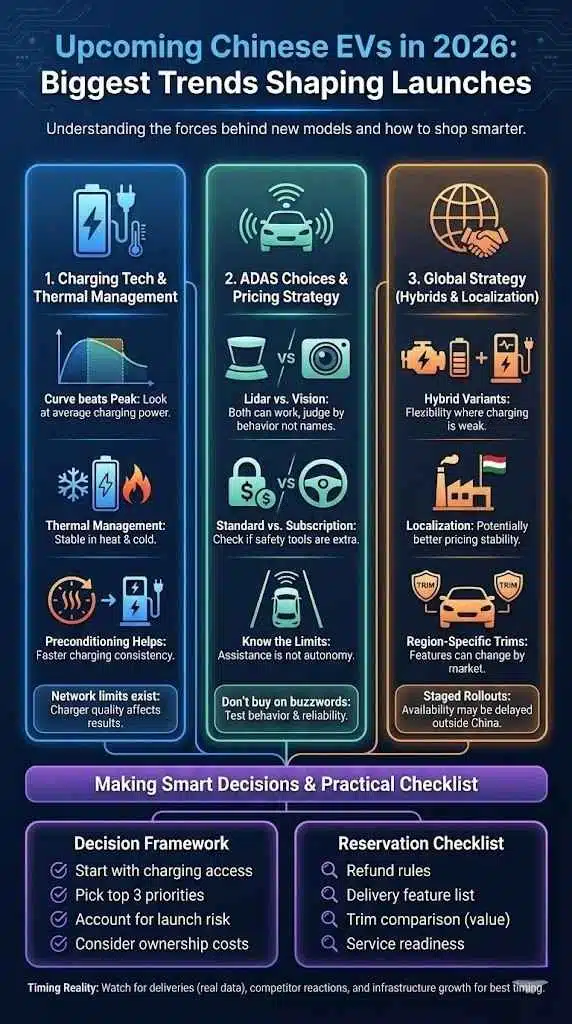
This is the section that helps you understand the “why” behind the models. Even if a specific car does not arrive in your market, the trends behind it can still shape what other brands do.
In 2026, three forces are shaping launches. The first is charging speed and battery thermal management. The second is driver assistance choices and how brands price them. The third is global strategy, including hybrids, localization, and market selection.
These trends also affect how you should shop. A high-voltage platform may be great, but only if your chargers can use it. A fancy ADAS system may be great, but only if it is stable and included in your trim.
This section also explains why price wars happen. As brands compete, buyers gain. But it can also lead to rapid model changes, which affects resale. Smart buyers plan around that.
Finally, this section helps set expectations. You will see a lot of bold claims in 2026 marketing. Understanding trends helps you separate real progress from clever messaging.
| Trend snapshot | Why it matters |
| Charging tech arms race | Changes road-trip convenience |
| ADAS hardware choices | Impacts cost and capability |
| Battery chemistry strategy | Influences price, safety, and durability |
| Export and localization | Shapes availability and pricing |
800V and 900V talk, and what really matters
High-voltage platforms can support faster charging. But voltage alone is not magic. The battery chemistry, cooling system, and software control the charging curve.
What matters most is how long the car stays at high power. Some cars surge quickly, then slow down. Others keep steady speed longer. The second type often wins on real trips.
Preconditioning is also crucial. If the car prepares the battery before charging, it can arrive ready to charge fast. Without preconditioning, even great hardware can feel average.
Finally, charger quality matters. Not all chargers deliver full power, and some are unreliable. Your real-world experience depends on the whole system, not just the car.
| Charging truth | What to check |
| Curve beats peak | Look at average charging power |
| Thermal management matters | Stable charging in heat and cold |
| Preconditioning helps | Faster charging consistency |
| Network limits exist | Charger quality affects results |
ADAS: lidar vs vision, and what buyers should expect
Driver assistance is now a key selling point. Some brands use lidar, others rely heavily on cameras. Both approaches can work. The difference is cost, packaging, and how the system is tuned.
For buyers, the best approach is simple. Judge the system by how it behaves, not by what it claims. Smooth lane centering, predictable cruise control, and reliable emergency braking matter more than fancy names.
Also watch for subscription models. Some brands sell hardware, then charge monthly for features. That can change total cost of ownership.
Finally, understand limits. Driver assistance is not self-driving. Marketing can blur lines, so pay attention to what the system truly supports in real traffic.
| ADAS reality | What to do |
| Don’t buy on buzzwords | Test behavior and reliability |
| Confirm what’s included | Standard vs subscription matters |
| Check regional limitations | Features may vary by market |
| Know the limits | Assistance is not autonomy |
Battery strategy: LFP, NMC, and real-world durability
Battery chemistry choices shape the car’s cost and behavior. LFP is often valued for durability and cost control. NMC can offer higher energy density but may be more expensive.
For buyers, the most practical question is not chemistry alone. It is how the battery holds up in your climate and how the warranty covers degradation.
Thermal management also matters. A well-managed battery can last longer and perform better. A poorly managed battery can lose range faster.
Charging habits matter too. Frequent fast charging can add stress, though modern systems manage it better than older designs. Still, balance is smart.
| Battery factor | Why it matters |
| Chemistry choice | Impacts cost and performance |
| Thermal management | Influences longevity and consistency |
| Warranty coverage | Protects long-term value |
| Your charging habits | Affects degradation risk |
Export strategies and why hybrids are still growing
Global expansion is not only about shipping cars. It is about managing tariffs, regulations, and customer expectations. That is why some brands use hybrid or range-extended options in certain markets.
Hybrids can also match local infrastructure reality. If charging is not reliable in a region, hybrids reduce adoption friction.
Localization is another key trend. Brands may consider local assembly or partnerships to improve pricing stability. That can change how quickly a model becomes available.
For buyers, the takeaway is simple. Market strategy can shape the model you get. The “same” nameplate can differ by region.
| Export strategy | Buyer impact |
| Hybrid variants | More flexibility where charging is weak |
| Localization | Potentially better pricing stability |
| Region-specific trims | Features can change by market |
| Staged rollouts | Availability may be delayed outside China |
How to choose among these models
This section is about making decisions without stress. New launches are exciting, but your real goal is a car that fits your daily life. A smart process helps you ignore the noise.
Start with your charging reality. If you can charge at home, you can live with slightly slower public charging. If you rely on public charging, fast charging becomes more important.
Next, decide what matters most. Is it space, comfort, tech, or cost? You cannot maximize everything at once. Clear priorities prevent regret.
Also think about timing risk. If you need a car soon, waiting on an upcoming launch can backfire. Delays happen. Reservations can become frustrating.
Finally, compare total cost, not only the sticker price. Warranty, service, insurance, and consumables matter a lot, especially for premium models.
| Decision framework | How it helps |
| Start with charging access | Determines convenience more than range |
| Pick top 3 priorities | Prevents endless comparisons |
| Account for launch risk | Avoids waiting too long |
| Consider ownership costs | Finds real value over years |
A practical checklist before you reserve any new EV
Reservations can feel like a shortcut, but they can also lock you into uncertainty. Before you reserve, confirm refund terms and timeframes.
Next, confirm what features are available at delivery. Many brands promise “future updates.” Some deliver. Some delay. You should not buy on hope alone.
Check trim details carefully. Many value models are great, but the best value may be in a mid trim, not the base. Also check whether core safety features are standard.
Finally, confirm service availability. A great EV can turn painful if repairs are hard to schedule.
| Reservation checklist | Why it matters |
| Refund rules | Protects your flexibility |
| Delivery feature list | Avoids “coming later” surprises |
| Trim comparison | Finds the true best-value version |
| Service readiness | Prevents long downtime |
What to do if you can’t wait for 2026 models
If you need a car now, you still have good options. The EV market already offers strong choices across segments. Waiting is only smart if you can afford the risk.
A good approach is to pick a strong current option, then watch for incoming launches that might pressure discounts. Even if you buy now, your purchase can still be timed smartly.
Also consider lightly used EVs with solid warranties, if available in your market. That can reduce depreciation risk during price wars.
Most importantly, test drive. Comfort, visibility, and braking feel can vary widely. A spec sheet can’t tell you that.
| “Buy now” strategy | Why it works |
| Choose a proven model | Reduces launch risk |
| Watch for discount windows | Improves value |
| Consider certified used | Lowers depreciation exposure |
| Test drive competitors | Helps you pick confidently |
Upcoming Chinese EVs in 2026: what to watch next
This section helps you track launches without obsessing daily. You only need a few signals to know whether a model is becoming real.
First, watch for detailed trim breakdowns. When brands share trims, pricing bands, and deliveries, it usually means production planning is firm.
Second, watch for delivery milestones. Early customer deliveries create real-world data. That includes charging tests, winter range, and reliability feedback.
Third, watch for regional announcements. Brands often reveal China timing first, then confirm exports later. If you are outside China, local announcements are what matter.
Finally, watch for policy and pricing shifts. Tariffs, incentives, and charging buildouts can change what makes sense to buy.
| Tracking signal | Why it matters |
| Trim and pricing details | Strong sign the model is close |
| First deliveries | Real-world proof replaces marketing |
| Local market announcements | Determines availability for you |
| Incentive changes | Can shift best-buy timing |
This quarter vs later this year
Launch calendars are often split into waves. Early-year reveals generate excitement and reservations. Mid-year deliveries show whether the product holds up.
If you are shopping, set a simple timeline for yourself. Decide the month you need a car by. If deliveries look uncertain, do not gamble.
Also watch competitor reactions. When one brand launches a strong model, others respond with new trims or lower prices. That can create unexpected opportunities.
Finally, pay attention to infrastructure. If fast chargers expand in your area, it can make higher-voltage cars more valuable. If not, a more efficient car may be the smarter choice.
| Timing reality | What to do |
| Early reveals | Treat as informational, not final |
| Deliveries | Trust real-world data |
| Competitor reactions | Watch for discounts and upgrades |
| Infrastructure growth | Align car choice with your network |
Final Thoughts
The upcoming Chinese EVs in 2026 show how quickly the EV world is evolving. Flagship sedans and SUVs are pushing comfort, software, and charging. Value SUVs are trying to make EV ownership cheaper and easier. Small city EVs are aiming for practical global expansion.
For buyers, the best move is balance. Stay excited, but stay realistic. Wait for real charging tests, confirm trim features, and pay attention to service readiness in your market.
If you can wait, the 2026 lineup may bring better value and more polished tech than many models sold today. If you cannot wait, current options are still strong, and price competition may make them even better.
Either way, keep your priorities simple. Pick the segment that fits your life. Then choose the model that gives you the best daily experience, not the biggest marketing number.
The most important takeaway is this. The upcoming Chinese EVs in 2026 are not only “new cars.” They are signals of where the entire market is heading next.
FAQs
Which upcoming Chinese EVs in 2026 are most worth waiting for?
It depends on your priorities. If you want flagship tech direction, watch BYD’s Seal 08 and Sealion 08. If you want software-first experience, watch the Xiaomi YU7. If you want value, watch the Xpeng MONA SUV.
Will these models be available outside China in 2026?
Some may arrive quickly in certain regions, while others may take longer. Availability depends on local rules, tariffs, and service network readiness. Always wait for your local launch announcement before planning a purchase.
How should I compare EV range claims fairly?
Compare models using the same test standard when possible. Then wait for real-world tests, especially highway and cold-weather results. Range is also affected by wheel size, speed, and climate use.
What charging specs actually matter most?
Focus on 10–80% charging time and average charging power. Also check whether the car supports battery preconditioning and how it performs in cold weather.
Are hybrids still worth considering in 2026?
Yes, in markets where charging is limited or expensive. Hybrids can provide flexibility for long trips. The trade-off is extra complexity compared to pure EVs.
What should I confirm before placing a reservation?
Confirm refund policy, feature availability at delivery, trim differences, service locations, and warranty details. Do not reserve purely based on “future update” promises.