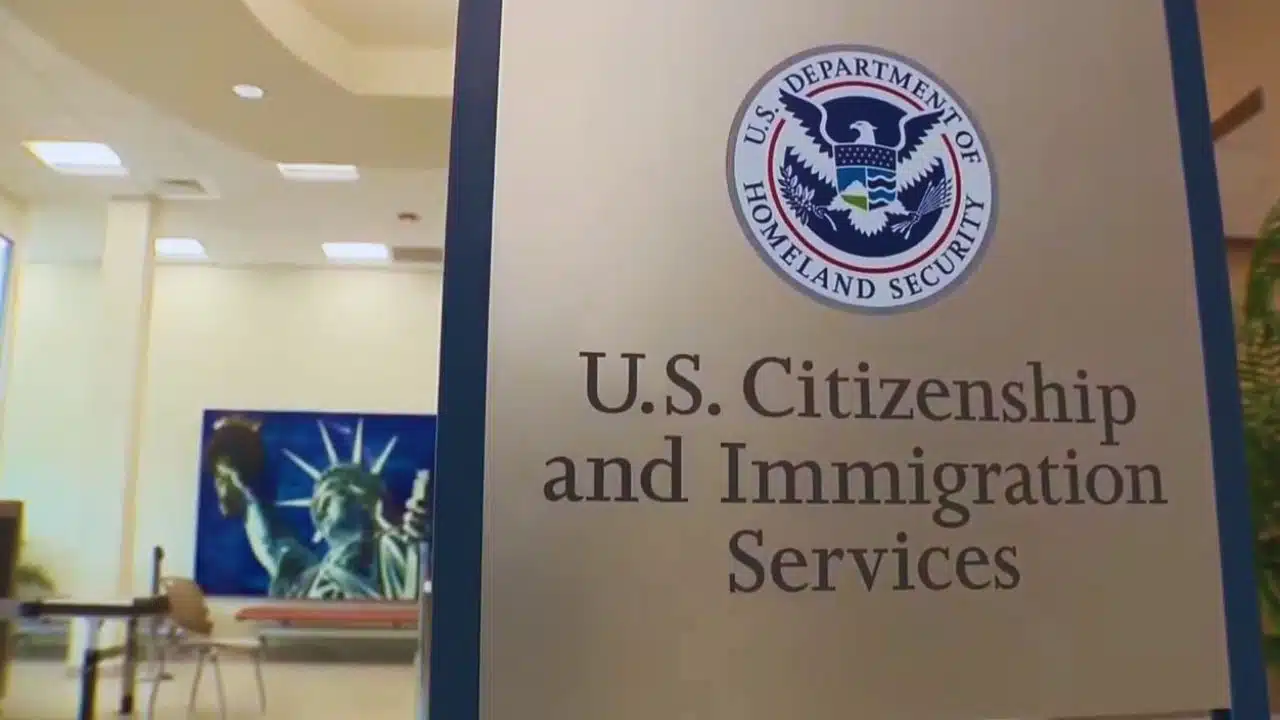
The Trump administration has ordered an immediate pause on immigration applications filed by people from 19 countries that federal officials have designated as high-risk. The move, carried out through a newly issued U.S. Citizenship and Immigration Services (USCIS) policy memo, affects individuals who are already in the process of seeking permanent residency, U.S. citizenship, or other immigration benefits. This includes applicants who have been waiting months or even years for interviews, background checks, or final decisions.
According to USCIS, applications from nationals of these countries will not move forward until the agency completes a new layer of enhanced security screening. Officials say this intensified vetting is intended to ensure that all applicants are evaluated “to the maximum degree possible.” USCIS acknowledged that the policy will lead to significant delays for many people, but the agency insisted that the trade-off is necessary to protect national security. The halt applies broadly to both immigrant and non-immigrant cases within USCIS’s jurisdiction, meaning green-card seekers, naturalization applicants, and individuals seeking other adjustments of status may be affected.
A spokesperson for USCIS did not provide additional details about the new procedures or how long the pause will remain in place. Internally, however, the memo emphasizes the government’s duty to prevent individuals who could pose security risks from advancing through the immigration system. It characterizes the delay as both “necessary and appropriate,” arguing that the threat level associated with the designated countries warrants extraordinary caution.
Expanded List of Affected Countries and Previous Travel Restrictions
The 19 countries included in the policy are the same nations previously targeted under Trump’s expanded travel bans earlier this year. Twelve of these countries currently face a full entry ban for most visa categories, while seven others are subject to partial restrictions. The fully banned countries include Afghanistan, Iran, Libya, Somalia, Sudan, Yemen, and several others that previous administrations have also flagged due to concerns about terrorism, weak government institutions, or unreliable identity-verification systems. The partially restricted nations include places such as Cuba, Laos, Burundi, Sierra Leone, Togo, Turkmenistan, and Venezuela.
These designations build on earlier executive actions issued in June, in which President Trump signed a proclamation prohibiting nationals from 12 countries from entering the United States entirely. The other seven countries were placed under tailored restrictions that limited access to certain visa categories but did not amount to an outright ban. USCIS is now treating these same countries as requiring elevated scrutiny for all internal immigration filings, extending the logic of the travel bans to the processing of applications already inside the country.
Officials say many of these countries struggle with document-security challenges, incomplete civil-registry systems, or governments unable to reliably verify an applicant’s identity or background. USCIS Director Joseph Edlow has publicly stated that these factors, combined with rising concerns over recent security incidents, justify the enhanced review. He also noted that the agency will consider “negative factors” associated with an applicant’s country of origin more heavily during the adjudication process, suggesting that some cases may face new barriers even after the pause is lifted.
The pause also affects more than 1.4 million asylum applications currently pending within the U.S. immigration system. While USCIS has not confirmed whether all of these cases will stall, officials acknowledge that individuals from the 19 listed countries seeking asylum may experience “significant additional delays” as the agency applies its newest security measures.
Security Concerns and Recent Shooting Increase Pressure on Policymakers
The policy shift comes less than a week after a violent incident in Washington, D.C., where two National Guard members were shot while on patrol. One guard member died from his injuries, and the second remains in critical condition. The suspect in the case is an Afghan national who entered the United States legally after the 2021 U.S. withdrawal from Afghanistan. He was later granted asylum under the early period of Trump’s second term. The attack has intensified political pressure on immigration agencies and has fueled arguments that prior vetting procedures were insufficient.
In a recent interview, USCIS Director Edlow expressed doubts about the vetting of Afghan nationals who arrived during and after the withdrawal, stating that he did not believe all entrants had been screened thoroughly. His comments reflect growing concerns within the administration that vulnerabilities in the immigration system may have enabled individuals with dangerous backgrounds to enter the United States.
Homeland Security Secretary Kristi Noem added to the criticism, saying she recommended that the president consider a “full travel ban” on any country that, in her view, has contributed to rising crime or social burdens inside the U.S. Her remarks, shared on social media, suggest that the administration may be open to even broader restrictions in the future. The shooting has already prompted multiple agencies to begin reevaluating their internal processes, with USCIS warning that “nothing is off the table” when it comes to strengthening entry and screening requirements.
These developments highlight a wider shift toward more aggressive immigration enforcement, even for individuals who arrived legally or have long-pending applications. The incident has also reignited political debates over how the U.S. should balance humanitarian protections with national security, particularly for applicants from countries experiencing conflict or instability.
Implications for Applicants, Communities, and the U.S. Immigration System
For individuals from the affected countries, the new policy means that ongoing immigration cases may be paused indefinitely. Applicants awaiting green-card approval may face prolonged uncertainty, including those who are already living, working, and raising families in the United States. Naturalization applicants hoping to take the final steps toward citizenship may experience setbacks with no clear timeline for resolution. Some may be asked to provide additional documents, undergo new interviews, or submit to more extensive background checks when the process resumes.
Immigration attorneys warn that reopening or delaying large numbers of cases could create backlogs that last months or even years. Advocacy groups argue that pausing applications based solely on nationality undermines the principle of evaluating cases individually rather than collectively. Many also worry that applicants could lose job opportunities, immigration status protections, or access to benefits while awaiting resolution.
At the same time, supporters of the policy say the decision reflects a necessary recalibration of the system in light of recent security failures. They argue that processing should not continue until the government has absolute confidence in its vetting procedures. Some lawmakers have publicly endorsed the pause, describing it as a proactive measure to prevent potential threats before they materialize.
Across the immigration system, this shift signals a move toward more sweeping, nationality-based risk assessments and a broader reevaluation of asylum, refugee, and visa programs. It remains unclear how long USCIS will maintain the pause or what criteria will determine when processing can safely resume. For now, the agency has emphasized that its primary goal is safeguarding national security — a directive it says outweighs concerns about delays, inconvenience, or the personal hardship applicants may face.