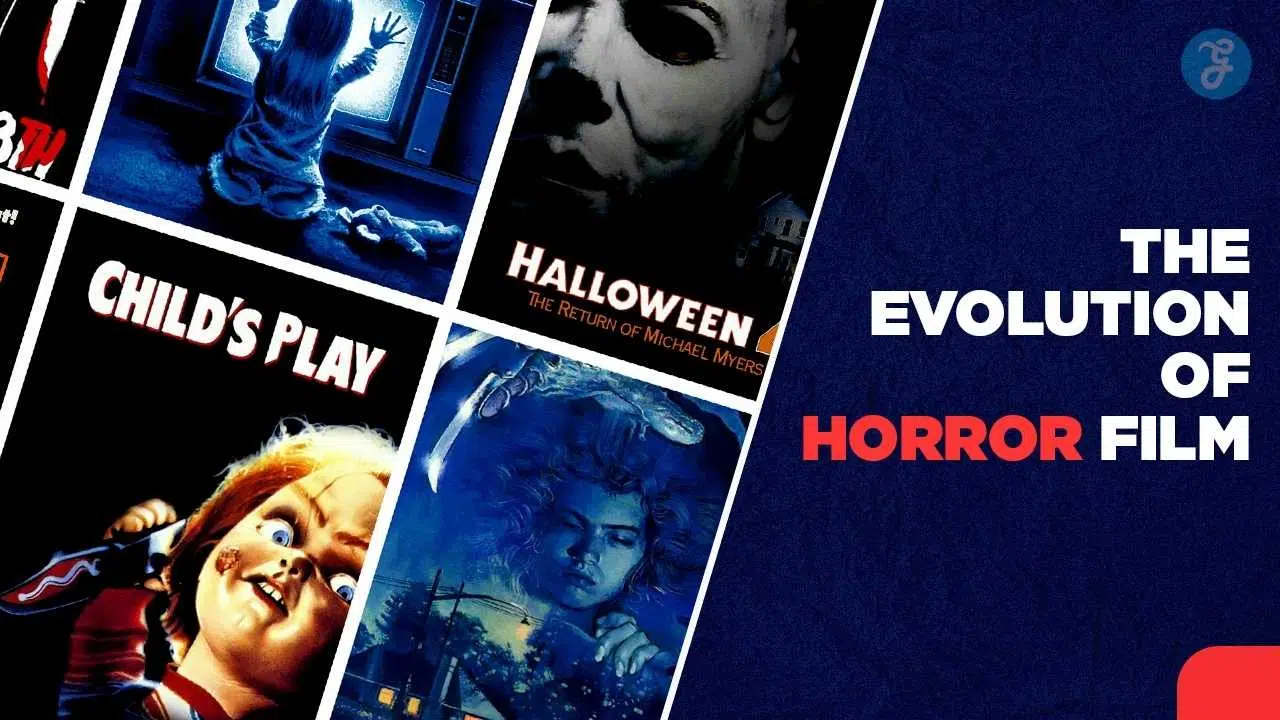
Do you ever watch a scary movie and wonder why some films make your heart jump? Maybe others leave you unsettled for days. You might feel tired of cheap frights that come out of nowhere. Or perhaps you are curious about movies that keep you up at night because they dig deeper into your fears. Here is something interesting. The Rise Of Jump Scares started long ago, but today’s horror is changing fast.
Modern filmmakers now use tricks that go far beyond loud noises and monsters in the shadows. In this post, you will see how horror changed from simple shocks to smart stories packed with real dread and thick suspense.
The Origins of Horror in Film
Silent films used shadows and strange sounds to unsettle people long before computer effects existed. Horror flicks eventually found new ways to build dread that clung like fog long after the credits rolled.
Early horror and atmospheric tension
Monsters hid in the shadows because directors often could not afford to show them. Early classics like The Cabinet of Dr. Caligari (1920) used jagged sets and painted shadows to create a dreamlike nightmare.
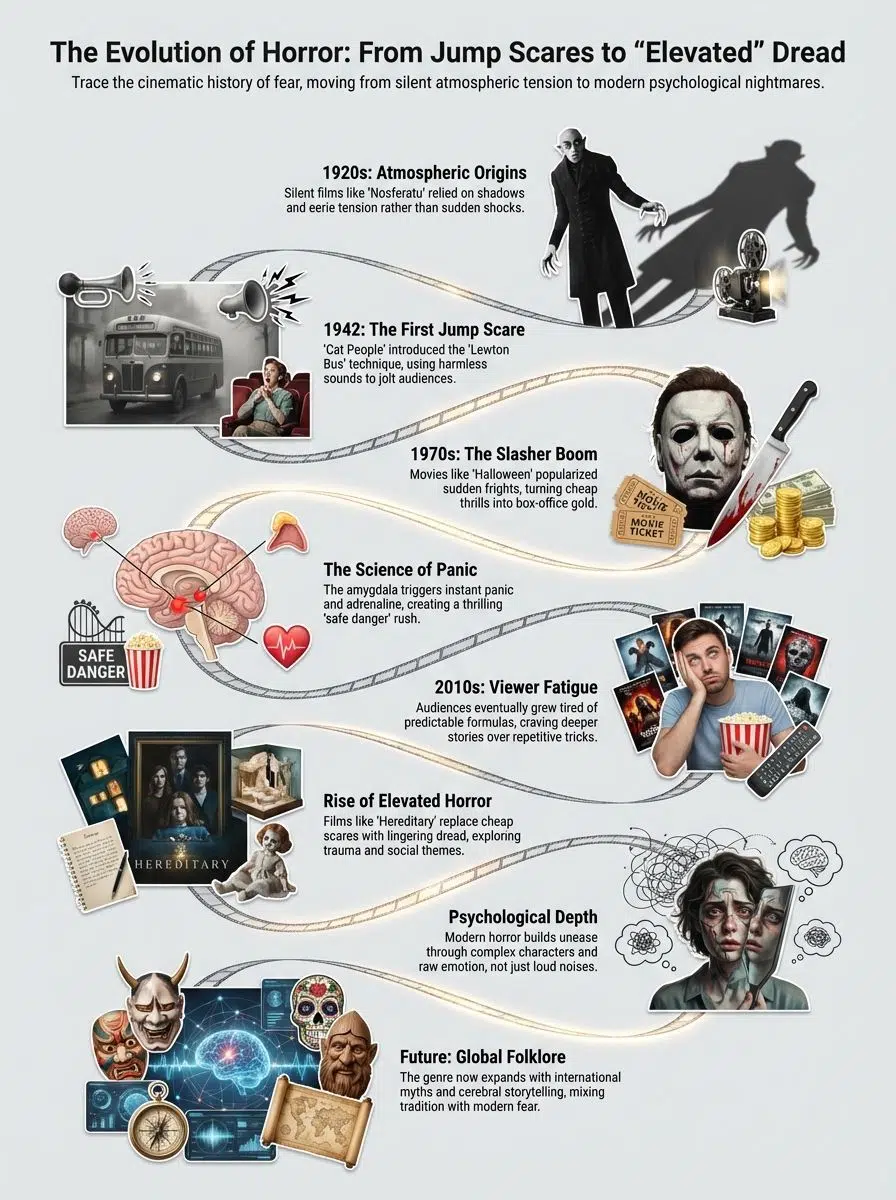
Movies like “Nosferatu” from 1922 used dark corners and odd camera angles to build suspense. Directors did not need sudden shocks. Creeping dread filled each scene. Audiences clung to their seats as old castles echoed with strange sounds and flickering lights. The mood stayed tense. This made everyone squirm.
Fear grew slowly, like a storm on the horizon. As one film critic once noted:
There are no shortcuts to real terror, just darkness and our own worst thoughts.
The birth of the jump scare in “Cat People” (1942)
In 1942, “Cat People” changed scary films forever. Val Lewton produced the movie with a tiny budget of around $134,000. He could not afford fancy monster makeup, so he used shadow and sound instead.
Jacques Tourneur directed it. The film introduced what people now call the jump scare. In one key scene, a woman walks alone at night, filled with dread and suspense.
Silence fills the air as she glances over her shoulder again and again. Suddenly, a loud hiss breaks through. It is only a city bus arriving. Viewers still leap in their seats.
This trick is called the “Lewton Bus.” It mixes stillness, terror, and surprise to shock audiences without showing monsters or gore. The scene uses sound and timing more than special effects. This innovation set new rules for how filmmakers create tension in horror movies for years to come.
The Rise of the Jump Scare
Sudden frights took center stage. They left viewers clutching their seats. Clever directors found new ways to make shadows and silence work against us by squeezing suspense out of every corner.
The slasher era: ‘Halloween’ and ‘Friday the 13th’
Knives flashed and tension soared. In 1978, John Carpenter’s “Halloween” chilled audiences with its masked killer and eerie piano notes. The film was a financial miracle. It cost about $300,000 to make and earned over $47 million in the US alone. This massive return on investment convinced Hollywood that low-budget slashers were the way to go.
Michael Myers stalked babysitters in quiet suburbs. He turned safety into a trap. Two years later, “Friday the 13th” gave us Camp Crystal Lake and Jason Voorhees. It set up shock after shock for teens who broke the rules.
Both films sharpened the slasher genre like a butcher’s blade. They used jump scares to jolt viewers from their seats. Composer Harry Manfredini created the iconic “ki-ki-ki, ma-ma-ma” sound effect to signal Jason’s presence, turning sound itself into a scare.
Fast cuts and clever camera tricks made hearts race as dread built with every shadowy scene. The simple formula worked. Low budgets paired with high suspense led to box office gold.
Everyone is entitled to one good scare.
The Lewton Bus technique and its influence
Val Lewton changed horror with a simple trick in 1942’s “Cat People.” A woman walks alone. Tension builds. Suddenly, a loud hiss cuts the silence. A bus brakes sharply.
This shock came to be called the “Lewton Bus.” It was not a monster or ghost that scared viewers. It was an ordinary sound at just the right moment. Many films copied this suspense tactic after “Cat People.” Directors used fake-outs to make nerves jump and hearts race. This kept people glued to their seats.
The slasher era loved it too. Michael Myers could step from shadows anytime. He often used these surprise sounds or actions. As horror evolved, filmmakers kept chasing new ways to play with fear and dread through clever sound choices and sharp timing. Next comes the science behind what makes jump scares so powerful for our brains.
The Science Behind Jump Scares
Your heart pounds. Your muscles tense. You flinch before you even think. Movie makers use these sudden jolts to wake up our deepest fears and keep us glued to our seats.
How the brain reacts to sudden shocks
Sudden shocks, like jump scares, make the brain hit the panic button. The amygdala acts first. It senses danger and sends quick signals to your body. Heart rate shoots up. Hands get sweaty. Muscles tense fast.
Short bursts of adrenaline pump through you. Eyes widen, ready for anything. This all happens in less than a second via the acoustic startle reflex.
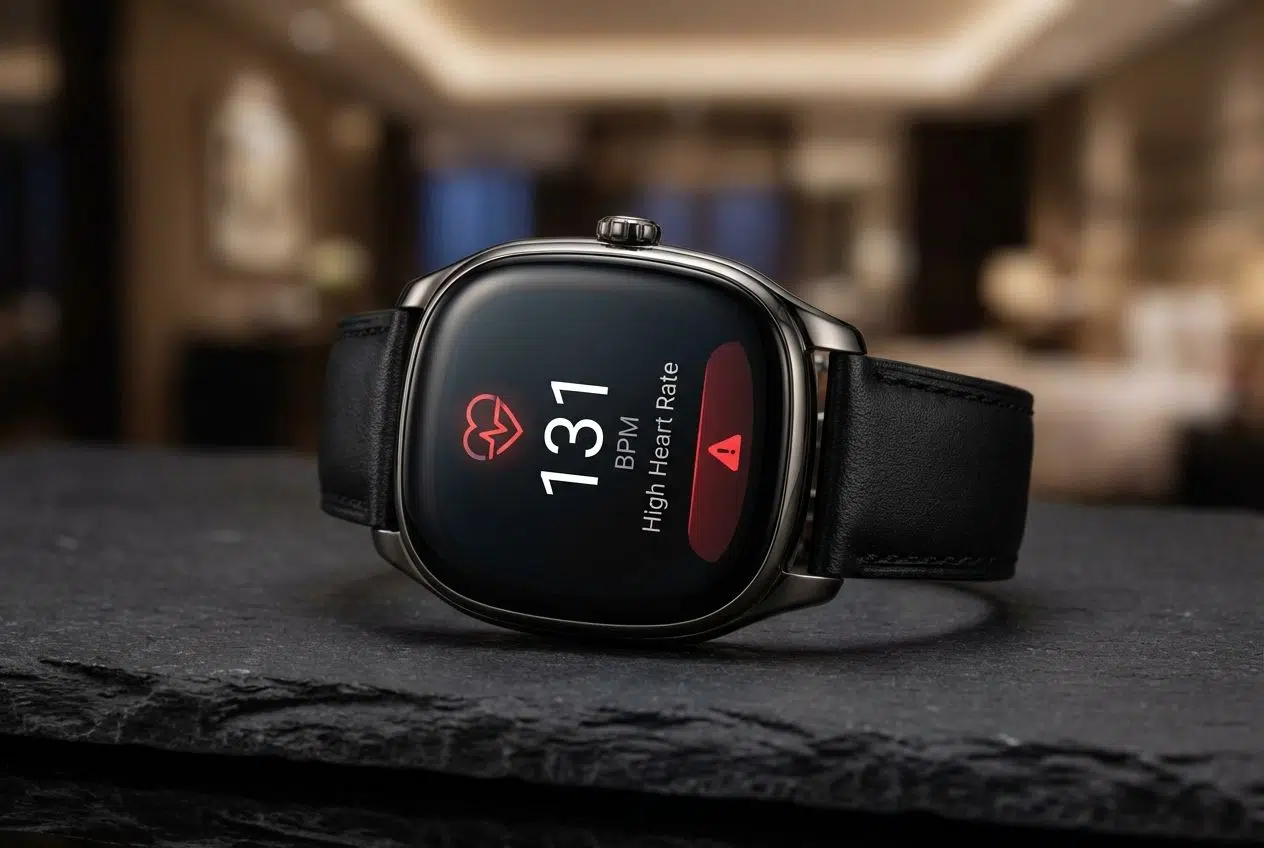
Recent data backs this up. The “Science of Scare” project tracks viewer heart rates. Their 2024 study found that supernatural horror films like Sinister can spike an average resting heart rate of 64 BPM up to 131 BPM during key scare moments.
The startle response steps in before you even process what scared you. Fear tactics in horror movies play on this ancient alarm system.
The psychological appeal of being startled
Jump scares play with our love for surprises. The heart races, palms sweat, and breath catches in the chest. People enjoy this rush because it creates a safe space to feel fear for fun.
It is like riding a roller coaster in the dark. It is scary but also exciting. Films use these quick shocks to make brains light up. This releases chemicals that feel both scary and thrilling at once.
Being startled lets viewers test their nerves without real danger. Some even laugh after they jump because relief floods in afterward. This gives an odd sense of joy mixed with suspense. This sharp shock breaks tension fast. It makes horror movies engaging and memorable.
Jump scares turn watching into something active. Eyes dart around. You wait for whatever comes next from the shadows or behind closed doors.
The Shift to Psychological Horror
Some films now choose slow-building tension over loud shocks. They make your skin crawl long after the credits roll. These stories burrow deep into your mind and plant seeds of fear that grow even in broad daylight.
The emergence of “elevated” horror
Filmmakers began to stir the pot with “elevated” horror in the 2010s. Stories like “Hereditary,” “The Babadook,” and “Get Out” broke old rules. Critics sometimes call this “Post-Horror,” though fans debate the term.
These movies ditch cheap jump scares for thick atmosphere and deep emotion. Plots focus on family, trauma, race, or grief. Terror sneaks up quietly. It stays long after the credits roll. Directors use shadows and silence as weapons. They let fear grow inside your mind.
Themes travel beyond monsters under the bed. They whisper about real-life fears hiding right next to us. Viewers started craving more than just loud noises and bloody masks.
Audiences wanted stories that made them think while still making their skin crawl. Elevated horror serves suspense with a side of social commentary or psychological twists.
Examples: ‘Hereditary’, ‘The Babadook’, and ‘Get Out’
Many new horror films step away from loud scares. These movies use slow suspense, deep themes, and rich atmosphere to build dread.
- Hereditary (2018): This film uses family trauma to create terror. Director Ari Aster blends grief with supernatural threats. The story feels real because the characters’ pain is so raw. In fact, actress Toni Collette’s performance was so intense that many critics felt she was snubbed for an Oscar nomination.
- The Babadook (2014): This tells a tale about grief through a mother and son’s struggle with loss. The monster feels like fear itself. It grows stronger as they try to ignore it. Jennifer Kent, the director, fills each scene with anxiety using dark rooms and eerie sounds.
- Get Out (2017): Jordan Peele takes on social commentary inside a chilling thriller frame. It peels back layers of racism hiding in plain sight at a suburban home. The film was a massive success, winning the Academy Award for Best Original Screenplay. This win proved that horror could be smart, critical art.
These films show genre innovation can focus on emotion and story instead of simple shocks.
Key Differences Between Jump Scares and Elevated Dread
Jump scares hit fast. They make your heart leap like a cat on a hot tin roof. Elevated dread seeps in slowly. It sticks with you long after the credits roll.
Immediate reaction vs. lingering unease
A jump scare feels like a loud clap of thunder. Your heart leaps. Muscles tense. Breath stops for a split second. Filmmakers use sharp sounds or sudden surprises to catch you off guard. The moment comes and goes in an instant. This leaves your nerves rattled but fading fast.
Lingering unease works like fog that rolls in slow and thick. Movies such as “Hereditary” keep you glancing over your shoulder even after the credits roll.
This dread seeps into your mind with clever tension, heavy atmosphere, and deep themes instead of just noise or shock. The fear grows quietly. It sticks around long after the lights come on.
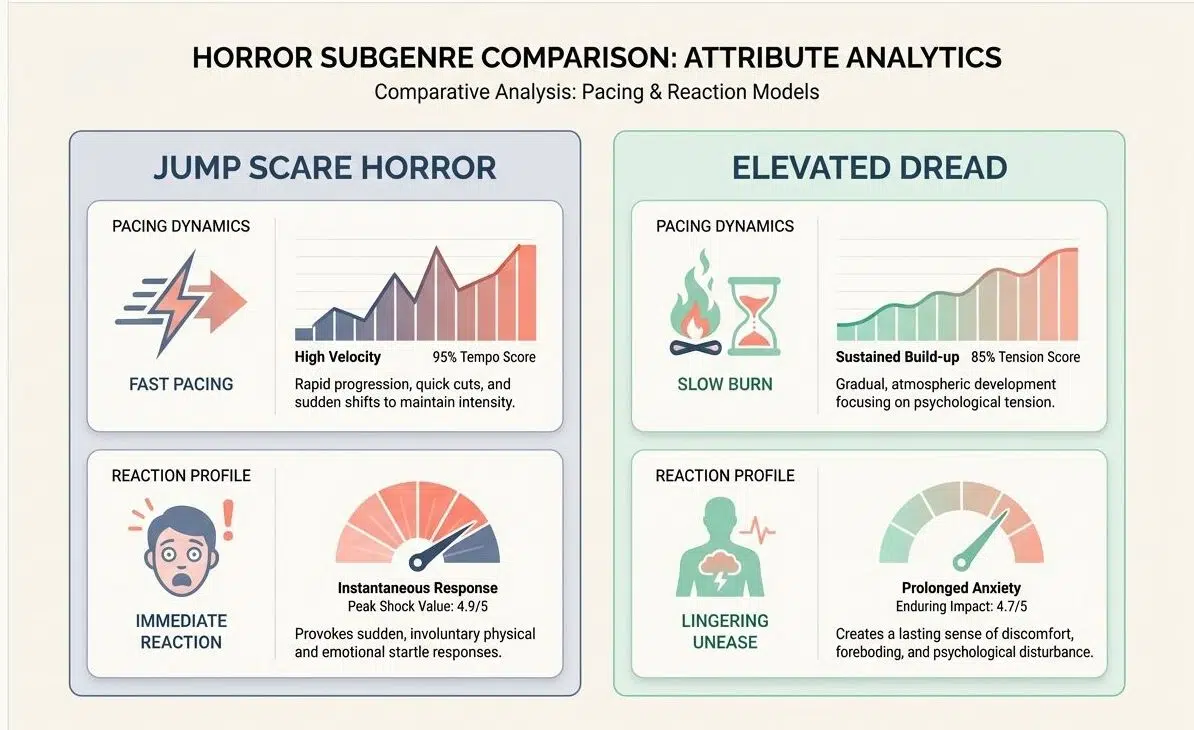
| Feature | Jump Scare Horror | Elevated Dread |
|---|---|---|
| Primary Goal | Immediate physical reaction (scream, jump) | Long-term psychological disturbance |
| Pacing | Fast, rhythmic peaks and valleys | Slow burn, constant building pressure |
| Ending Style | Definitive (Monster dies or one last scare) | Ambiguous (Unresolved trauma or open questions) |
Focus on plot depth and emotional resonance
Stories in psychological horror like “Hereditary” or “Get Out” dig deep. They build rich worlds and complex characters with pain, fear, and hope that feels real. Every twist matters. Every secret adds suspense. Filmmakers use themes such as family trauma or social commentary to create tension that sticks around long after the credits roll.
People connect to horror more when they care about who is in danger or why things happen. Suspense grows stronger if the story has layers like loss, betrayal, or guilt. These match true emotions people feel every day.
These films pull at your heartstrings while chilling your bones at the same time. Audiences today crave more thoughtful stories. This shift changes what scares us most now.
The Role of Modern Audiences and Expectations
People crave fresh thrills. They are bored by the same old tricks. Movie fans now want stories that make them think and squirm long after the credits roll.
Viewer fatigue with traditional scares
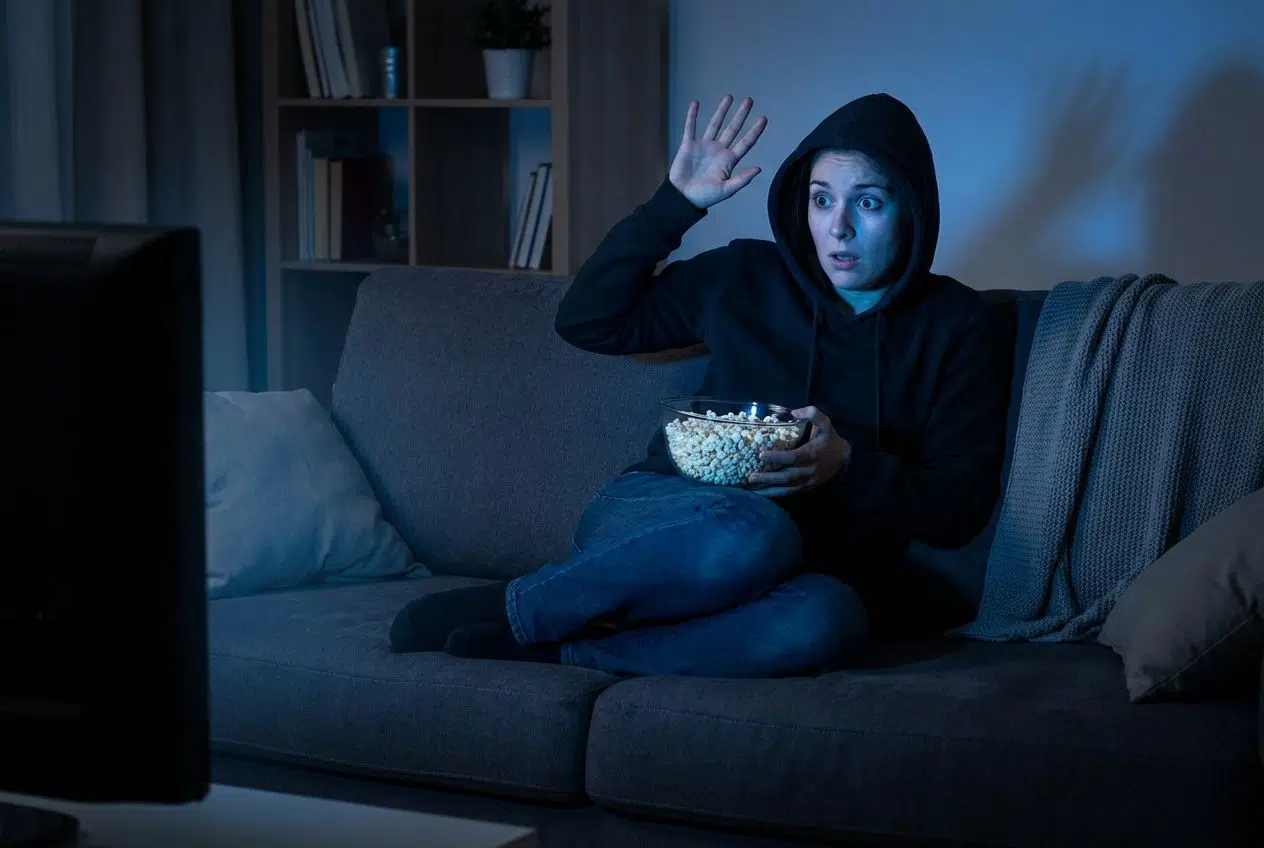
Jump scares used to make everyone jump out of their seats. Over time, people got wise to the trick. Bodies tense up at every shadow or loud noise, but the shock fades fast.
Audiences start to wait for each scare instead of feeling true suspense or dread. By 2015, many films followed the same formula. Dark corner. Sudden sound. Quick monster pop-up.
Moviegoers began rolling their eyes instead of screaming. This fatigue killed off the “Torture Porn” trend of the mid-2000s, like Saw and Hostel. Fans simply grew numb to the gore.
Films like “Hereditary” and “Get Out” found new ways to build psychological tension and thematic commentary without cheap tricks. Now more viewers crave stories that stir real fear long after the credits roll.
Demand for more thought-provoking narratives
Many viewers feel tired of the same old tricks. Movies that rely only on sudden frights now seem lazy or stale to some fans.
People crave stories that do more than make them jump out of their seat for a second. Films like “Get Out” and “Hereditary” show this shift. These movies use emotional impact, social commentary, and deeper themes.
Viewers want horror that sparks conversation long after the credits roll. Directors blend suspense, dread, clever plot twists, and even folklore to satisfy this hunger for smarter storytelling within the genre.
The Future of Horror
Fresh ideas will keep audiences guessing. They are eager for chills that stick with them. New voices can color the genre with different traditions, meanings, and moods.
Blending jump scares with cerebral storytelling
Horror films now mix sudden scares with deep, clever stories. Movies like “Get Out” keep the heart pounding and the mind racing. Fast shocks pull eyes wide open.
Hidden messages creep into your thoughts long after the credits roll. Directors use silence and shadow to build suspense. Then they hit viewers with a surprise for maximum terror.
Smart plots dig up big issues like family secrets or social fears. They wrap them in tension. A single sound or glance can chill as much as a monster’s roar.
Viewers crave both thrills and meaning today. They want more than just fright. Next comes horror’s fresh look at folk traditions from around the world.
Expanding horror through diverse cultural lenses
New global perspectives are reshaping what we find scary. Korean filmmakers tap into folklore and urban myths, creating tense stories like “The Wailing.”
Japanese directors use spirits and old legends to make chilling films such as “Ringu.” Nigerian horror blends local magic, family secrets, and social fears.
These new voices add depth, fresh monsters, and different kinds of psychological thrills. Fans crave more than the same ghost or slasher story. Mexican movies showcase ancient rituals and real-life terror from crime rates.
Technology is also changing the game. “Analog Horror” series on YouTube, like The Backrooms, use lo-fi, glitchy visuals to create a sense of wrongness that Hollywood is starting to copy.
By mixing cultural symbols with artful suspense, creators shock audiences in new ways that stick long after the credits roll.
Final Words
Horror has changed over time. It moved from simple jump scares to films with deep stories and lasting fear. Now, movies mix sharp shocks with slow-growing dread for a bigger emotional punch. You can watch a scary movie tonight and check for both quick frights and creeping tension. Which chills you more?
These shifts matter because they keep the genre fresh. They spark new ideas and let us face our fears in safe ways. If you want to know more about how these tricks work or find new favorites, local libraries or streaming sites have many guides. Go explore your next scare!