The winter air at Casa Esperança carries a bite that is distinctly northern, but the fragrance drifting from the kitchen is distinctly bold. It is a warm, deeply pungent aroma of smoked pork, palm vinegar, and fiery red chilies. This is the unmistakable scent of authentic Goan cuisine, simmering fiercely in a clay pot just outside the urban sprawl of Gurugram. Here, a pop-up kitchen becomes a portal. The biting cold of the National Capital Region surrenders to the coastal warmth of Vypeen Island and the spice-laden breezes of the Konkan coast.
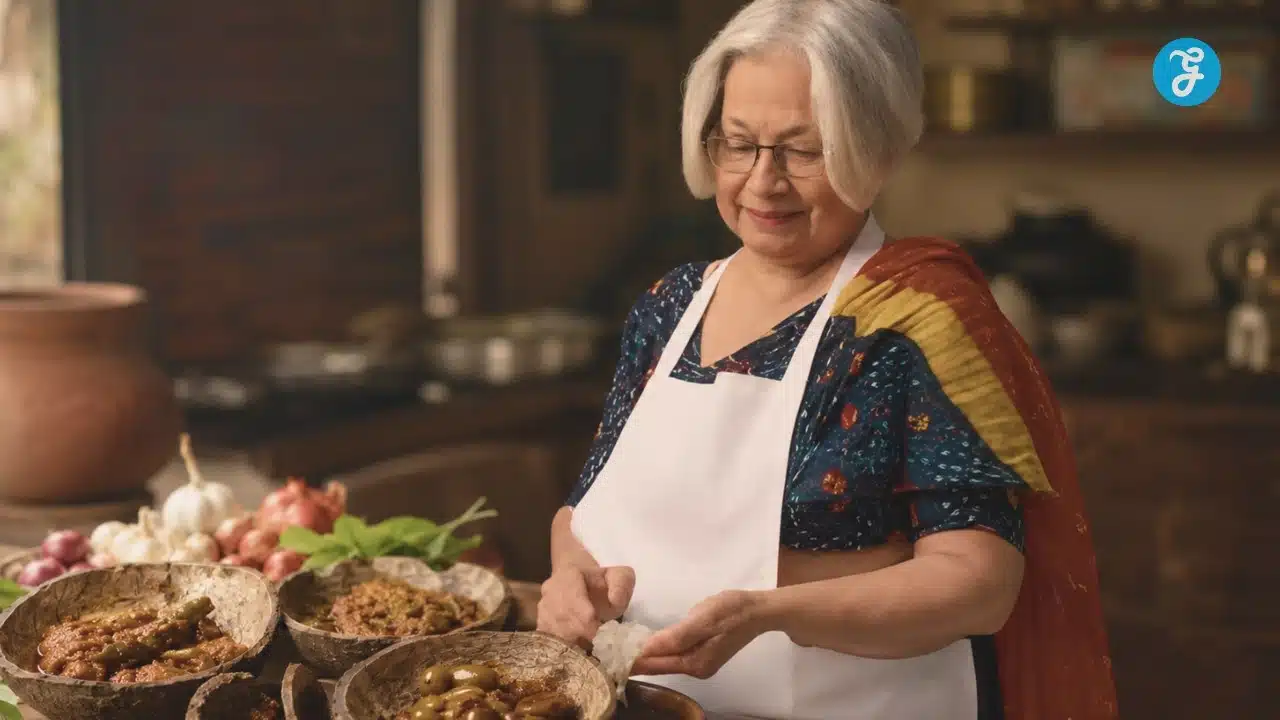
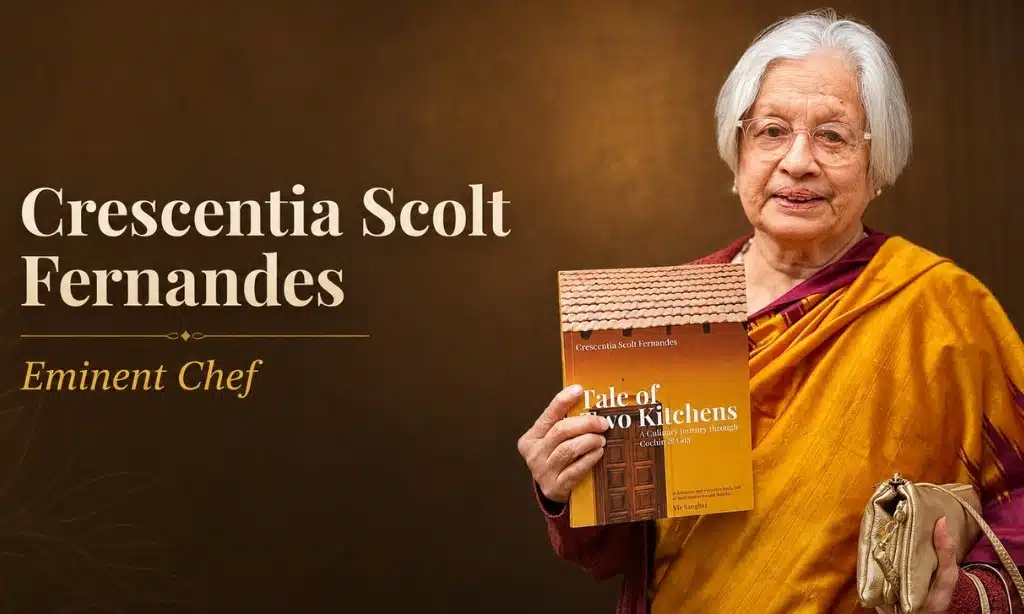
At the center of this culinary mastery stands Crescentia Scolt Fernandes. To the food enthusiasts and cultural historians who flock to her tables, she is the undisputed matriarch of Indo-Portuguese flavors. Yet, if you ask the woman helming this legacy about her early days, she offers a disarming confession. She once labeled herself a completely “useless” cook. Before her marriage, her repertoire was strictly limited to assembling basic party snacks. Her culinary path is a stark contradiction. The self-proclaimed novice evolved into a pioneering force, dedicating her life to archiving a heritage fading from modern tables.
The Ancestral Melting Pot: From the Malabar Coast to Macau
Crescentia did not grow up at a stove in Goa. Her story began on the salt-sprayed shores of Vypeen Island in Kerala. Her background is a rare mix of Dutch, Portuguese, and Anglo-Indian roots merged with local Malayali culture.
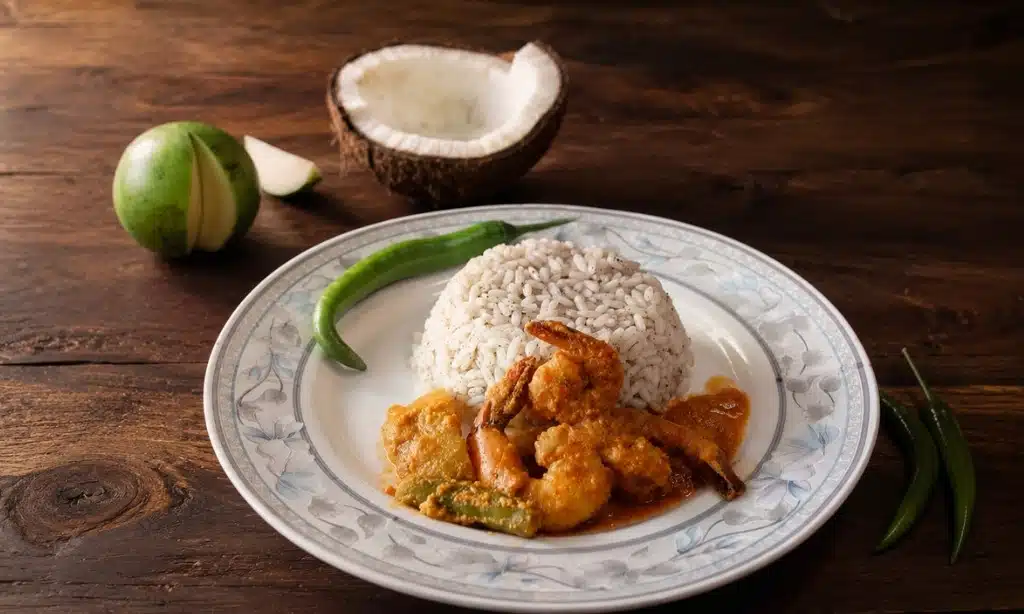
This environment was defined by Breudher, a festive Dutch bread, and the heavy history of the Dutch East India Company. The air there smelled of Malabar spices and the sea. Today, her work at Crescentia’s Kitchen propels these flavors onto a global stage. She has turned family recipes into a living archive that speaks to the world.
A Tale of Two Acids: The Cultural Bridge
This heritage acts as the invisible bridge in her life. Both Kerala and Goa carry the heavy imprint of Portuguese trade and missions. However, their flavors split because of the land. In Kerala, the acidity in her family recipes usually comes from the sharp tang of tamarind. In Goa, that same sour base relies on the deep, earthy profile of kokum. Mastering these subtle shifts makes her a leading authority on Goan cuisine. She is not just following a recipe. She is decoding a map of colonial migration through a cooking pot.
From the United Nations to the Kitchen Fire
This culinary wisdom was nowhere to be found in her early career. Long before she became a culinary icon, Crescentia worked in the high-pressure world of the United Nations. Back then, she was a self-confessed novice who avoided the heavy lifting of the kitchen. Her repertoire was limited to light, Western snacks that lacked the complex, slow-cooking techniques she champions today.
She had no formal training or culinary school degree. Her move from the UN to the charcoal fires of a professional kitchen was born from a sudden, sharp realization. She saw that her own family heritage was unrecorded. As an Anglo-Indian woman from Kerala married to a Goan, she held the keys to two distinct kingdoms of flavor. She decided it was time to unlock them.
A Legacy Without Borders
The preservation work at Casa Esperança functions as a living laboratory for the Konkan coast. By focusing on the tangible history of the palate, Crescentia ensures that these dishes do not become mere museum pieces. Her 2026 memoir, Tale of Two Kitchens, serves as the technical manual for this mission. It codifies the exact science of slow-fermentation and spice-to-acid ratios that were previously held only in the memories of aging matriarchs. This archive provides a blueprint for a culinary repository that exists independently of a commercial kitchen.
The Modern Entrepreneur
Crescentia’s business strategy is a rejection of modern industrial shortcuts. She relies on the permanence of heritage to drive her brand. By pivoting to a direct-to-consumer model, she has bypassed the volatile overhead of urban real estate that often compromises food quality. Her hand-ground masalas are not just products. They are tools of empowerment. They allow home cooks to replicate a centuries-old legacy with professional precision. She is not simply selling a commodity. She is providing the infrastructure for a cultural identity to thrive in a digital world.
The Language of the Mother-in-Law
The shift from the coastal Malabar to the landlocked sprawl of Delhi was more than a change in geography. It was a baptism by fire into a new culture. When Crescentia married Chrys Fernandes and moved to the capital, she entered a household rooted in Goan traditions. However, there was a significant hurdle. Her mother-in-law spoke Konkani. Crescentia did not. Without a shared spoken language, the two women found a different way to communicate. They used the kitchen.
Culinary Conversations
Ironically, Crescentia did not spend her youth hovering over a stove. “I was always seen as the useless one,” she says with a laugh. She admits she learned nothing about cooking from her mother or grandmother. Her early marriage years were a frantic period of trial and error. She started with the basics like rice, dal, and aloo gobi. She often relied on colleagues for instructions. Necessity eventually led her to the kitchen counter where her mother-in-law worked.
The mortar and pestle became their bridge. By watching, smelling, and tasting, Crescentia began to decode the secrets of authentic Goan cuisine. She learned the precise timing for adding spices and the exact color of a perfectly browned onion. These silent lessons were more profound than any written manual. Through the steam of simmering pots, she didn’t just learn recipes. She learned the history of her new family.
The Legacy of Bernardo
The family name carried its own weight. The patriarch, Bernardo Fernandes, was a man of immense cultural stature. He was a legendary musician who performed at the Ashoka Hotel, a cultural hub in the heart of Delhi. Bernardo was a figure of elegance and artistry, and his name eventually became synonymous with the restaurant that would define Crescentia’s career.
Bernardo was more than just a name on a sign. He represented a generation that carried Goan culture to the north of India with pride. His influence set a high standard for excellence and authenticity. By archiving the family’s unwritten recipes, Crescentia was not just making food. She was honoring the sophisticated legacy that Bernardo and his wife had built. She was turning their private domestic memories into a public culinary archive.
The Rise and Fall (and Rise) of Bernardo’s
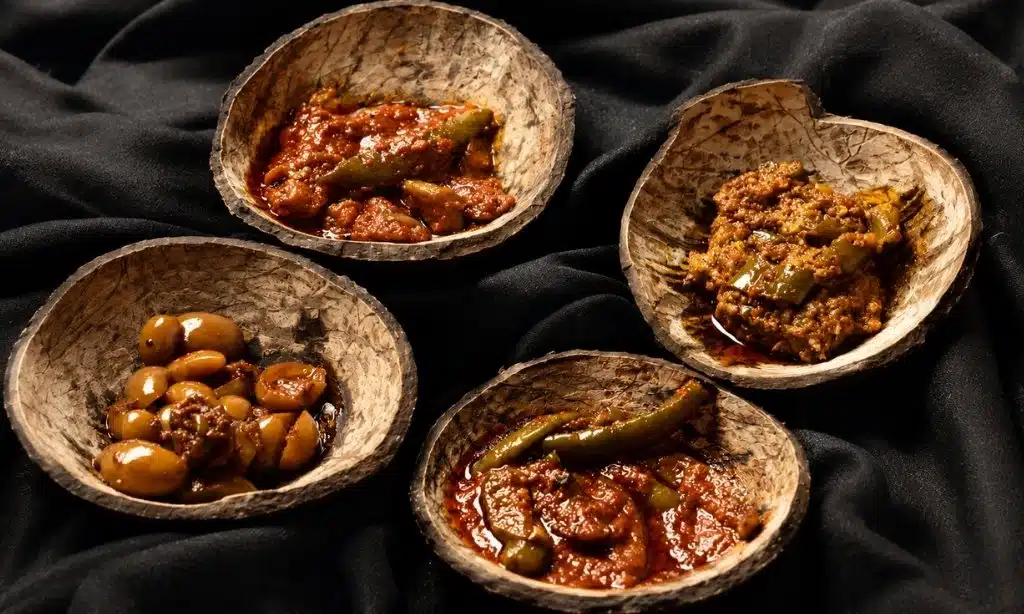
Crescentia did not jump straight into the restaurant business. Her first leap was into the world of preservation. She left the security of her corporate career to open a pickling factory. She spent her days perfecting jars of prawn balchão and fiery vegetable pickles. However, the market was unforgiving. Small-scale artisanal production struggled against the sheer volume of corporate competitors. The factory eventually closed its doors. While the business failed, it left her with something more valuable than profit. She now possessed a vast library of perfected family recipes.
The Restaurant Era
In 2002, Crescentia and her husband Chrys took a second, bolder risk. They opened Bernardo’s in Delhi. It was the first restaurant in the capital dedicated entirely to Goan cuisine. It was not a grand, commercial venture. It felt like walking into a private home. The menu was a tribute to the Fernandes family heritage. The food was slow cooked and uncompromising.
Over the next 14 years, the restaurant became a nomadic icon. It moved locations eight times. In the volatile world of Delhi real estate, such instability usually kills a business. For Bernardo’s, it did the opposite. The patrons followed them from the city center to the suburbs. They didn’t come for the decor or the address. They came for the consistency of the flavor. They came because Crescentia refused to take shortcuts with her masalas. Today, her reputation precedes her far beyond the city limits. People from all over the globe visit her to taste her food.
Shifting the Business Model
When the physical doors of Bernardo’s finally shut after a successful run, Crescentia did not stop cooking. She simply changed her strategy. She recognized that the modern diner wanted authenticity without the long wait. This led to the birth of Crescentia’s Kitchen. She moved away from the overhead costs of a brick and mortar establishment. Instead, she pivoted to a direct to consumer model.
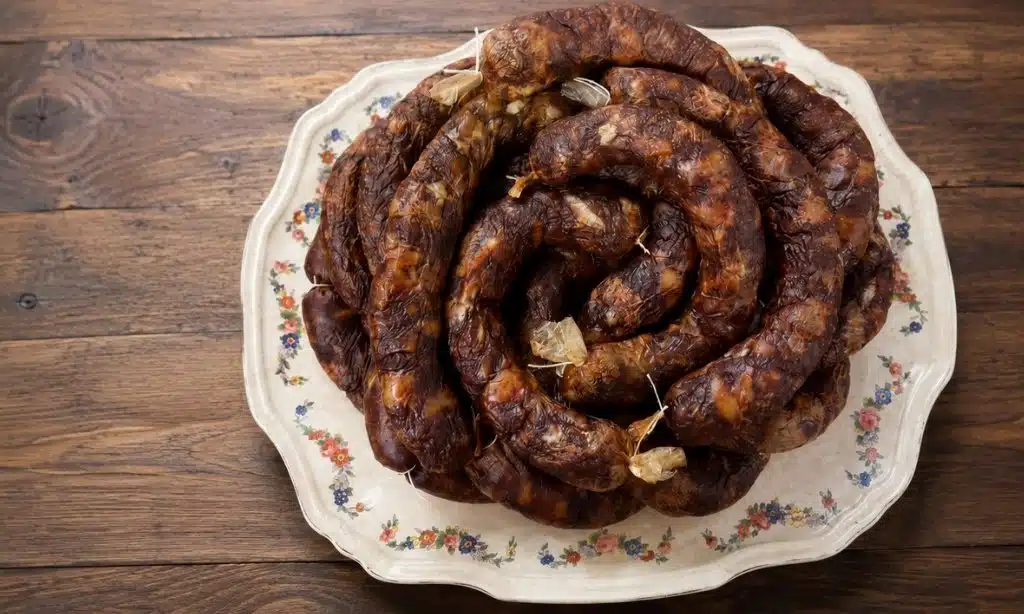
Today, she focuses on hand ground Goan masala mixes and seasonal specialties like smoked chouricos. She also hosts pop up lunches and picnics at their farm, Casa Esperança. This shift is a lesson in entrepreneurial resilience. She dismantled the traditional restaurant format but kept the soul of the brand intact. By selling her signature spice blends, she is now empowering home cooks to recreate the magic of Bernardo’s in their own kitchens. She transitioned from a chef to a consultant for the senses.
The Repository: Tale of Two Kitchens
The quiet years of 2020 to 2022 provided an unexpected gift. For Crescentia, the global pause was a chance to finally document the unwritten. Decades of kitchen secrets existed only in her memory or on scattered scraps of paper. She spent those months formalizing her life’s work. The result was her memoir, Tale of Two Kitchens: A Culinary Journey Through Cochin and Goa.
The book has already garnered high praise from industry veterans. Vir Sanghvi, renowned food critic and veteran journalist, described it as a “fabulous and evocative book, full of food memories and insights.” Published in early 2026, the memoir is more than a collection of ingredients. It is a vital record of a disappearing world.
Rescuing Vanishing Flavors
Crescentia is particularly focused on dishes that the modern world has nearly forgotten. Among these are Breudher and Poffertjes. Breudher is a heavy, buttery yeast bread with Dutch origins, traditionally fermented with toddy. It was once a staple of festive mornings in Anglo Indian and Goan homes. Poffertjes are small, fluffy buckwheat pancakes, another nod to her Dutch ancestry.
These dishes are vanishing because they do not fit the pace of modern life. They require patience. They demand slow fermentation and specific equipment. In an era of instant meals, the labor of love required for a proper Breudher is rare. By documenting these methods, Crescentia ensures that the history of Indo Portuguese and Dutch influence stays on the plate rather than just in history books.
The Logic of the Masala
A primary challenge for any heritage cook is balancing tradition with modern reality. Crescentia solved this through her business model at Crescentia’s Kitchen. She realized that while people crave authentic Goan cuisine, they often lack the time to roast and grind spices from scratch. Her decision to sell ready made, home ground masala mixes was a strategic move.
These are not mass produced powders. They are small batch blends that maintain the integrity of her family recipes. By providing the “soul” of the dish in a jar, she makes traditional cooking accessible. She offers a shortcut that does not sacrifice flavor. This approach preserves the heritage by making it practical for the contemporary kitchen. It allows a new generation to keep these flavors alive without needing to spend eight hours at a stove.
Beyond the Plate: The Soul of Casa Esperança
The story of Crescentia Fernandes ends not in a professional kitchen but on a quiet farm outside the Gurgaon city limits. Casa Esperança is more than just a rural retreat. It is the headquarters of St. Bernard’s Animal Welfare Trust. Here, the focus shifts from culinary precision to compassionate care. The trust provides a permanent home for over forty abandoned or injured animals. Many of these are senior dogs that would otherwise have no place to go. The daily labor at the farm mirrors the work in her kitchen. It is about patience, nurture, and the refusal to let a life go unnoticed.
The Picnic Economy
This setting has also birthed a new model for experiential dining. Crescentia hosts BYOB buffet style picnics that draw people from across the NCR. It is a stark departure from the traditional restaurant format. Guests bring their own beverages and settle into the relaxed atmosphere of the farm. The food remains the star, but the environment invites a deeper connection to the land and the animals. This picnic economy prioritizes community over commercial turnover. It allows visitors to experience Goan cuisine in its most honest, unhurried form.
A Legacy of Shelter
When we look at the trajectory of Crescentia’s career, a clear pattern emerges. She is, at her core, a protector. Her legacy is defined by the concept of shelter. She provides a shelter for vanishing recipes that would otherwise be lost to time. She provides a literal shelter for creatures that have been discarded by society. Finally, she provides a shelter for a specific cultural identity. Through her book and her kitchen, she ensures that the unique flavors of her heritage remain safe for the next generation. Her life proves that one person can be a repository for an entire history.
The Guardian of the Goan Table
Crescentia Scolt Fernandes stands as a definitive model for the modern Indian entrepreneur. She did not find success by chasing fleeting industry trends. Instead, she looked backward. By rooting her business in the deep history of Goan cuisine, she built a brand immune to the whims of fashion. Her journey proves that looking back is often the most effective way to move forward. She transformed from a self-taught novice into a recognized authority by treating her heritage as a professional asset.
Her work with Crescentia’s Kitchen bridges the gap between old-world authenticity and modern convenience. She understands that while the world changes, the human craving for a genuine connection to the past remains constant. This career is a reminder that business can be both soulful and strategic. Every jar of masala and every page of her memoir serves a larger purpose. She is not just selling a product. She is ensuring that a culture survives. She is ensuring the culinary history of her family continues to thrive.
Frequently Asked Questions (FAQs) on Goan Cuisine
What makes Breudher bread unique compared to Kerala varieties?
Breudher is a Dutch legacy yeast bread enriched with heavy butter and egg yolks. Unlike many Kerala breads, it traditionally uses fresh toddy for fermentation instead of commercial yeast. This creates a dense, cake-like crumb and a distinct fermented tang. It is rare today because the long fermentation process does not fit modern commercial baking schedules.
Why is palm vinegar essential in authentic Goan recipes?
Palm vinegar is the foundation of Goan preservation. Its sharp, fruity acidity balances fiery chilies and acts as a natural preservative for smoked meats like chouriço. Authentic Goan cuisine relies on the mellowed sourness achieved only through months of fermenting coconut sap.
How does Goan kokum usage differ from other coastal regions?
In Goa, kokum is a primary souring agent for fish curries and sol kadhi. While other regions use it for cooling drinks, Goans use the dried rind to add a deep, earthy tartness. It is often chosen over tamarind to keep the flavor profile of seafood bright and clear.
Can a blender replicate the texture of hand ground Goan masalas?
A blender often turns spices into a fine silt, which alters how oils release during cooking. Traditional masalas require a coarser, “broken” texture achieved with a stone mortar or heavy grinder. This allows spices to bloom properly in oil. Using authentic, hand ground mixes preserves this structural integrity.
What are Poffertjes?
Poffertjes are small, puffy buckwheat pancakes that reflect Dutch influence on the Konkan coast. They are a vanishing flavor because they require specific cast iron pans and slow rise yeast batters. Without active documentation, this Indo Dutch culinary history is at risk of being lost.