Roger Federer Reflects on the Toughest Period of His Legendary Career

roger federer toughest career period

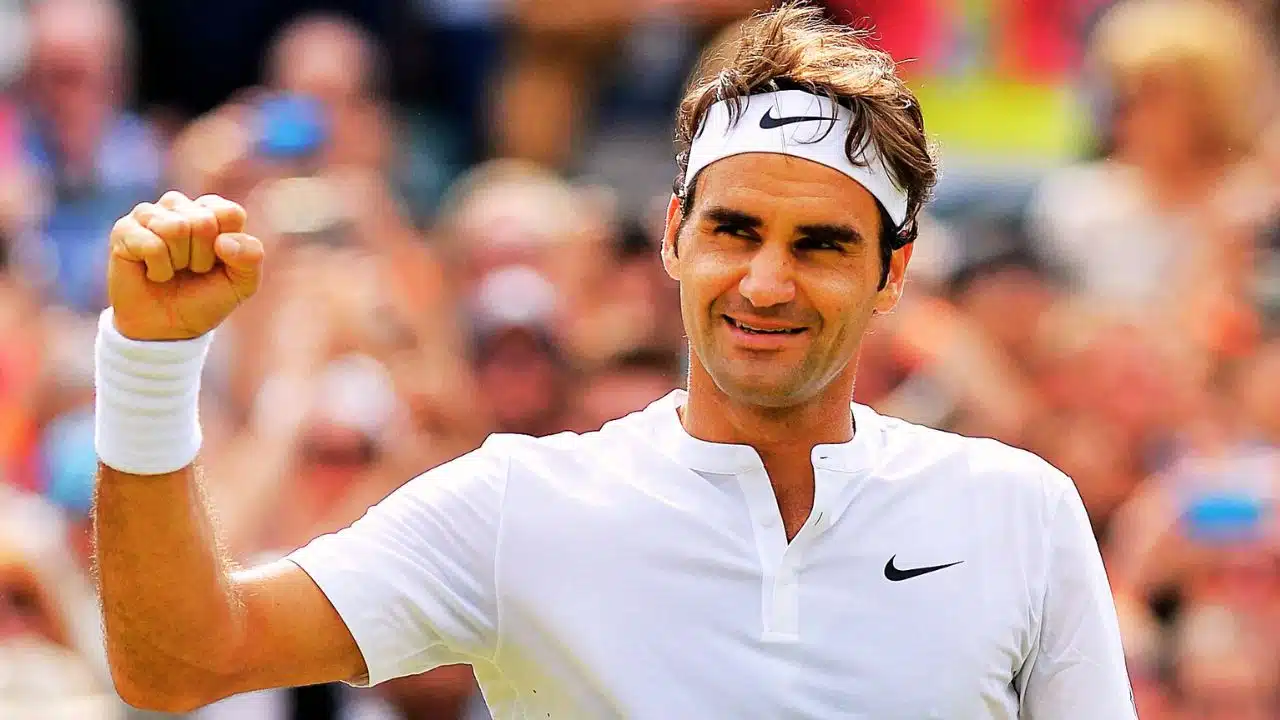
Roger Federer, the Swiss tennis maestro and 20-time Grand Slam champion, recently opened up about the most challenging phase of his storied career in an interview with Swiss newspaper Tages-Anzeiger, ahead of his 2026 International Tennis Hall of Fame induction. Surprisingly, he pinpointed not the grueling rivalries with Rafael Nadal or Novak Djokovic, nor his injury-plagued final years, but his early transition from juniors to the professional circuit between ages 18 and 21 as the hardest stretch. This candid reflection highlights the human side of a player often seen as unflappable on court.​

The Shock of Pro Tennis Reality

Federer turned pro just before his 17th birthday in July 1998, fresh off his Wimbledon junior boys’ title. Initial excitement quickly faded as he entered locker rooms filled with idols like Pete Sampras, Andre Agassi, Tim Henman, Yevgeny Kafelnikov, and Carlos Moya. “At first it was super cool… And I thought: This is the best!” he recalled, but the mood shifted to intimidation with players’ grim expressions and intense focus, making him question the sport’s seriousness.​

Constant travel, frequent losses, and his own emotional volatility compounded the pressure. “When you travel a lot, lose often, and are as emotionally charged as I was, you think: I didn’t read the fine print in the tennis contract. It’s not all fun and games,” Federer admitted. It took nearly three years for his first ATP singles title at the 2001 Milan Indoors, a breakthrough preceded by teaming with Martina Hingis for Switzerland’s Hopman Cup win.​

Support System That Kept Him Grounded

Federer’s wife Mirka, whom he met at the 2000 Sydney Olympics, and his close-knit team played crucial roles in navigating this turmoil. “I had good perspective then, and I had Mirka and my team around me. We always had fun. When things got a bit too serious, we fooled around even more than usual. And then it was okay again,” he shared, crediting their lighthearted approach for restoring balance.​

This early resilience foreshadowed his dominance, including 103 ATP titles and 310 weeks at No. 1. Federer also reflected on personal losses, like coach Peter Carter’s tragic death at age 20, but emphasized his parents’ non-intrusive support in letting him grow independently.​

A Match That Still Haunts Him

Beyond early struggles, Federer named one defeat he wishes to replay: the 2009 US Open final loss to Juan Martín del Potro. Plagued by back pain and missed opportunities, he fell 3-6, 7-6(5), 4-6, 7-6(4), 6-2, ending his five-year Flushing Meadows streak despite a career Grand Slam year.​

Though painful, losses to Nadal at 2008 Wimbledon or Djokovic in 2019 finals felt more justified, as he believed they “deserved it.” Del Potro’s upset, the first Argentine US Open men’s win since 1977, remains a poignant “what if” in Federer’s otherwise glittering legacy.



Subscribe to Our Newsletter

Related Articles

Top Trending

alphabet songs for kids
10 Alphabet Songs That Go Beyond the Classic ABC Tune
How to Track Search Traffic in Analytics
How to Track AI Search Traffic in Your Analytics Effortlessly
On This Day September 30
On This Day September 30: History, Famous Birthdays, Deaths & Global Events
Good Conversion Rate for Freemium Apps
What is a Good Conversion Rate for Freemium Apps
Alphabet Milestones to Watch for Age 5 Kids
9 Alphabet Milestones to Watch for Before Age 5

Technology & AI

Good Conversion Rate for Freemium Apps
What is a Good Conversion Rate for Freemium Apps
OpenAI paused AI model training
Why Did OpenAI Pause AI Model Training? The Agent Incidents Explained
ImagineLab Art Infographic Lab vs Napkin AI
ImagineLab Art Infographic Lab vs Napkin AI: Turning the Same Text Brief into a Visual
Open-Source Alternatives to Popular SaaS Tools
Open-Source Alternatives to Popular SaaS Tools: What I Use Daily (and Why)
Social Media Agency vs In-House Team
Social Media Agency vs In-House Team: Cost, Speed, Context, and Control

GAMING

Intentional Screen Time
How to Spend Your Screen Time More Intentionally
Complete Guide on Game Programgeeks
Game Programgeeks: A Complete Guide on PC, Game Dev, and Tech
Online Color Game Philippines
Online Color Game Philippines: What Every Beginner Should Know Before Playing
Ways to Reduce Game Development Costs
12 Ways Studios Cut Game Development Costs
NFT game development cost
How Much Does NFT Game Development Cost? A Realistic Budget Breakdown

Business & Marketing

Email Marketing Agency vs DIY Platform
Email Marketing Agency vs DIY Platform: When Outside Help Adds Value
Critical Path Method
The Critical Path Method Explained in Plain English
Time to Value: How SaaS Teams Can Reach Results Faster
How to Onboard New Team Members With a Self-Serve Wiki
How to Document Team Processes for Better Teamwork

EdTech & E-Learning

alphabet songs for kids
10 Alphabet Songs That Go Beyond the Classic ABC Tune
Alphabet Milestones to Watch for Age 5 Kids
9 Alphabet Milestones to Watch for Before Age 5
Quick Alphabet Warm-Ups for Preschool Mornings
10 Quick Alphabet Warm-Ups for Preschool Mornings
A 15-Minute Home Routine for Alphabet, Phonics, vand Read-Aloud
How to Teach Letters to Kids
8 Ways to Teach Letters to Kids Who Hate Sitting Still

Software & Apps

Good Conversion Rate for Freemium Apps
What is a Good Conversion Rate for Freemium Apps
Open-Source Alternatives to Popular SaaS Tools
Open-Source Alternatives to Popular SaaS Tools: What I Use Daily (and Why)
Best Document Collaboration Tools
10 Best Online Document Collaboration Tools for Teams
Important Signs When Should Raise Prices on Your SaaS
10 Signs It's Time to Raise Prices on Your SaaS
Best CRM Tools for Small Marketing Teams
10 CRM Tools for Small Marketing Teams Worth Using