

You walk around Puerto Rico feeling hungry and confused about what local dishes to try. Puerto Rican cuisine, called cocina criolla, mixes flavors from Taino natives, Spanish settlers, and African traditions.
This guide shows you 20 must-eat foods that capture the true taste of the island. Get ready to discover flavors that will change how you think about Caribbean food.
Key Takeaways
- Puerto Rican cuisine mixes Taino, Spanish, and African traditions to create unique dishes called cocina criolla.
- Mofongo stands as Puerto Rico’s most famous dish, made with fried plantains, garlic, and crispy pork skin.
- Arroz con Gandules serves as the island’s national dish, featuring rice with pigeon peas and golden sofrito.
- Traditional dishes like pernil and lechón require slow cooking methods that bring families together for celebrations.
- Street foods including alcapurrias, bacalaitos, and pinchos offer quick, flavorful snacks found throughout the island.
What is Mofongo and why is it famous in Puerto Rico?
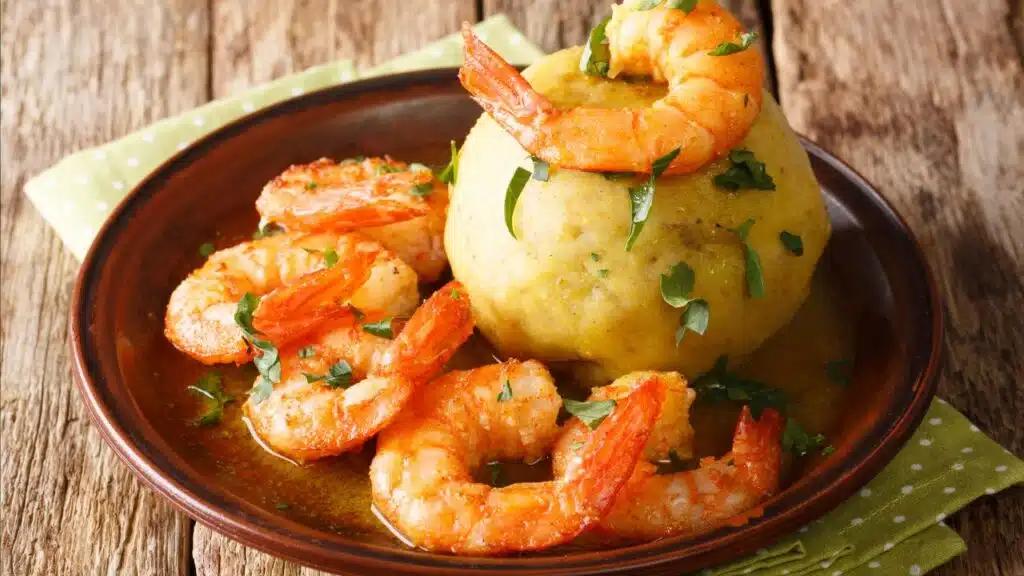
Mofongo stands as Puerto Rico’s most beloved dish, born from African culinary traditions that crossed the ocean centuries ago. This savory masterpiece takes its roots from African fufu but swaps yam for mashed fried plantains.
Cooks pound the golden plantains with crispy pork skin or bacon, adding plenty of garlic for that signature punch. The result? A dense, flavorful dish that packs serious taste in every bite.
Street food vendors and fancy restaurants across the island serve this Caribbean treasure with pride. Diners can top their mofongo with fresh seafood, tender chicken, or juicy pork.
Cuba and the Dominican Republic also claim this dish, but Puerto Rico has made it truly iconic. The garlic-forward flavor profile and African heritage make mofongo more than just food.
It tells the story of Puerto Rican culture on a plate, mixing tradition with incredible taste that keeps locals and tourists coming back for more.
How is Pernil (Roast Pork) traditionally prepared?
Pernil stands as Puerto Rico’s crown jewel of roast pork dishes. This slow-cooked masterpiece transforms simple pork cuts into crispy-skinned perfection that melts in your mouth.
- Start preparation a day or more in advance – Puerto Rican families know good pernil takes time, so they begin marinating the meat at least 24 hours before cooking for maximum flavor.
- Create a mojo marinade with garlic, oregano, oil, adobo, and sazón – This aromatic blend penetrates deep into the pork, giving it that distinctive Puerto Rican taste that makes your kitchen smell like heaven.
- Score the skin in a crosshatch pattern – Cut shallow lines across the pork skin to help the marinade soak in and create that prized crispy cuerito exterior.
- Rub the mojo marinade all over the meat – Massage the mixture into every crevice of the pork, getting under the skin and into the scored cuts for full flavor penetration.
- Slow-roast at low temperature for several hours – Cook the pernil low and slow, usually around 325°F, allowing the meat to become fork-tender while the skin turns golden and crispy.
- Increase heat at the end for extra crispy skin – Bump up the oven temperature during the final 30 minutes to achieve that perfect crunchy cuerito that everyone fights over.
- Let the meat rest before carving – Allow the pernil to sit for 15-20 minutes after cooking so the juices redistribute throughout the meat for maximum tenderness.
- Serve with traditional sides like rice and beans – Present your masterpiece alongside arroz con gandules or sweet plantains to complete this Spanish-influenced celebration centerpiece.
What makes Arroz con Gandules (Rice with Pigeon Peas) a Puerto Rican staple?
Arroz con Gandules holds the crown as Puerto Rico’s national dish, and for good reason. This comfort food brings families together during celebrations and holidays. The dish features medium-grain rice cooked with pigeon peas, creating a perfect marriage of flavors.
Sofrito, sazón, and achiote oil give the rice its golden color and rich taste. Manzanilla olives add a briny kick that makes your taste buds dance. Some recipes include pork for extra richness, though vegetarian versions work just as well.
This pilaf represents Puerto Rican heritage on every plate. The crispy rice layer at the bottom, called “pegao,” is the prize everyone fights for at dinner. Cooks serve this traditional dish alongside roasted meats at special occasions.
The combination of legumes and rice creates a filling meal that satisfies hungry families. Each grain tells a story of island tradition passed down through generations. This recipe connects Puerto Ricans to their roots, making it much more than just food on a table.
What are Pasteles and how are they made?
Pasteles are Puerto Rico’s answer to tamales, wrapped in banana leaves and steamed to perfection. These labor-intensive treats bring families together during Christmas and holidays through special group gatherings called pasteladas.
- Create the masa dough – Mix grated green plantains with root vegetables like yautía and ñame to form a smooth, pliable base that holds the filling together.
- Prepare the pork filling – Stew chunks of pork shoulder with sofrito, vinegar, capers, and sazón seasoning until the meat becomes tender and flavorful.
- Set up banana leaves – Clean fresh banana leaves and cut them into rectangles, then brush each piece lightly with oil to prevent sticking.
- Assemble each pastel – Spread masa on the banana leaf, add a spoonful of stewed pork filling, then fold the leaf into a neat rectangular package.
- Tie with string – Secure each wrapped pastel with kitchen twine to keep the banana leaves closed during the steaming process.
- Steam for hours – Place tied pasteles in a large pot with boiling water and steam them for 45 minutes to 1 hour until cooked through.
- Make it a group effort – Join family and friends at pasteladas where everyone helps with the time-consuming preparation, making dozens at once.
- Try regional variations – Some cooks add yuca or bananas to the masa dough, while others modify the filling with different seasonings or vegetables.
What are Alcapurrias and when are they typically eaten?
Alcapurrias are cigar-shaped fritters that pack a flavorful punch. These crispy delights start with a dough made from green plantain and yauta. Cooks dye the mixture with achiote to give it a golden color.
The magic happens when they stuff this dough with savory fillings like picadillo, crab, or bacalao. Deep-frying transforms these treats into golden, crunchy appetizers with tender centers.
Street vendors sell these popular snacks all across Puerto Rico. You’ll find them sizzling at beaches, food stalls, and busy corners. People grab them hot as quick meals or appetizers throughout the day.
The contrast between the crispy exterior and savory filling makes each bite satisfying. Alcapurrias represent Puerto Rico’s vibrant street food culture perfectly. Locals and visitors alike can’t resist these portable, flavorful fritters that taste best when eaten fresh from the oil.
Why are Bacalaitos (Codfish Fritters) a popular snack in Puerto Rico?
Bacalaitos have earned their place as Puerto Rico’s go-to street food snack for good reason. These crispy codfish fritters pack a punch with their salty, savory flavor that hits the spot every time.
Street vendors whip up large batches with ease, making them perfect for busy beach days and outdoor festivals. The preparation starts with salted cod soaked for 6 hours, then poached in vinegar water before mixing with a batter loaded with bell peppers, herbs, and seasonings.
Shallow-frying creates that golden, crunchy texture that makes your mouth water. Beach-goers grab these hot fritters straight from food stands, often washing them down with ice-cold Medalla beer.
Their popularity soars during outdoor events where people want something quick, tasty, and filling. The light, crispy bite combined with bold seasoning makes bacalaitos the perfect companion for Puerto Rico’s warm weather and festive atmosphere.
What are Sorullitos de Maíz (Cornmeal Fritters) and how do you eat them?
Sorullitos de Maíz are stick-shaped cornmeal fritters that pack a delicious surprise inside. These golden treats have a crispy outside and a gooey, melty cheese center. Cooks fill them with edam, gouda, American, or cheddar cheese.
The contrast between the crunchy exterior and the soft, cheesy interior makes every bite exciting. Street vendors and restaurants across Puerto Rico serve these savory snacks all day long.
You can grab sorullitos with your hands and eat them like finger food. Their stick shape makes them perfect for dipping into mayo-ketchup sauce or tangy mojo. People enjoy them at breakfast, as an afternoon snack, or as a side dish with dinner.
The cornmeal gives them a slightly sweet flavor that pairs perfectly with the salty cheese. Pop one in your mouth and taste why locals call them the perfect comfort food.
How do Empanadillas differ from other empanadas?
Empanadillas stand apart from their Spanish cousins in several key ways. The dough makes the biggest difference. Puerto Rican empanadillas use a thinner, wheat-based pastry that creates a much crispier texture when fried or baked.
Spanish empanadas typically have thicker, doughier crusts that feel heavier in your mouth. This flakier texture gives empanadillas their signature crunch that locals love.
Fillings also set these turnovers apart from traditional versions. Puerto Rican cooks stuff their half-moon shaped pastries with picadillo, chicken, crab, lobster, shrimp, or cheese.
The variety goes beyond what you’ll find in most other empanada styles. Street vendors serve them piping hot as popular snacks throughout the island. Many families make the dough from scratch, though store-bought versions work well too.
The result is a crunchier, more delicate snack food that melts in your mouth while delivering bold Caribbean flavors.
What are Tostones (Fried Plantains) and how are they served?
Tostones are crispy fried plantain slices that pack a serious punch in Puerto Rican cuisine. Cooks start with green plantains, slice them thick, and fry them twice to create the perfect texture.
After the first frying, each slice gets smashed flat to increase the surface area. This smashing step is like magic, it turns ordinary plantain rounds into golden, crispy discs. The second trip to the hot oil creates that satisfying crunch everyone loves.
These starchy treats get seasoned with salt or adobo right after frying, while they’re still hot and ready to soak up all that flavor. Restaurants, street vendors, and home kitchens across the island serve tostones as the perfect side dish for meat and seafood.
Many people dip them in garlic sauce or mayo-ketchup mix. The crunchy exterior gives way to a soft, starchy center that balances rich main courses beautifully. Tostones work double duty as both a satisfying snack and a hearty accompaniment to any Caribbean meal.
What is Pastelón (Sweet Plantain Lasagna) and what ingredients does it include?
Pastelón is Puerto Rico’s answer to lasagna, but it swaps pasta for sweet, fried plantains. This layered dish creates a perfect balance between sweet and savory flavors. Cooks layer ripe plantains with seasoned ground beef called picadillo.
The casserole gets topped with a mixture of eggs and baking soda that helps hold everything together.
This family-style dish brings Spanish and Caribbean culinary traditions together on one plate. Some cooks add cheese, green beans, or raisins to their version. The sweet plantains play beautifully against the savory meat layer, creating a taste that surprises first-time eaters.
Families often serve pastelón at gatherings with arroz con gandules or a simple salad on the side.
What is Coquito (Puerto Rican Eggnog) and when is it traditionally served?
Coquito is Puerto Rico’s answer to traditional eggnog, but this festive beverage packs more tropical punch. This creamy holiday drink blends condensed milk, coconut cream, Puerto Rican rum, cloves, nutmeg, and cinnamon into liquid gold.
Families across the island whip up their own versions during Christmas season, each recipe carrying secret touches passed down through generations.
Christmas and New Year’s celebrations wouldn’t be complete without chilled glasses of this rich coconut concoction. Puerto Ricans serve coquito at holiday parties where the alcohol-based drink becomes the star of every celebration.
Homemade batches taste fresher and bolder than store-bought versions, making kitchen preparation a beloved tradition. The dairy and coconut combination creates an incredibly smooth texture that slides down easy, warming hearts during the festive season.
How do you make Tembleque (Coconut Pudding)?
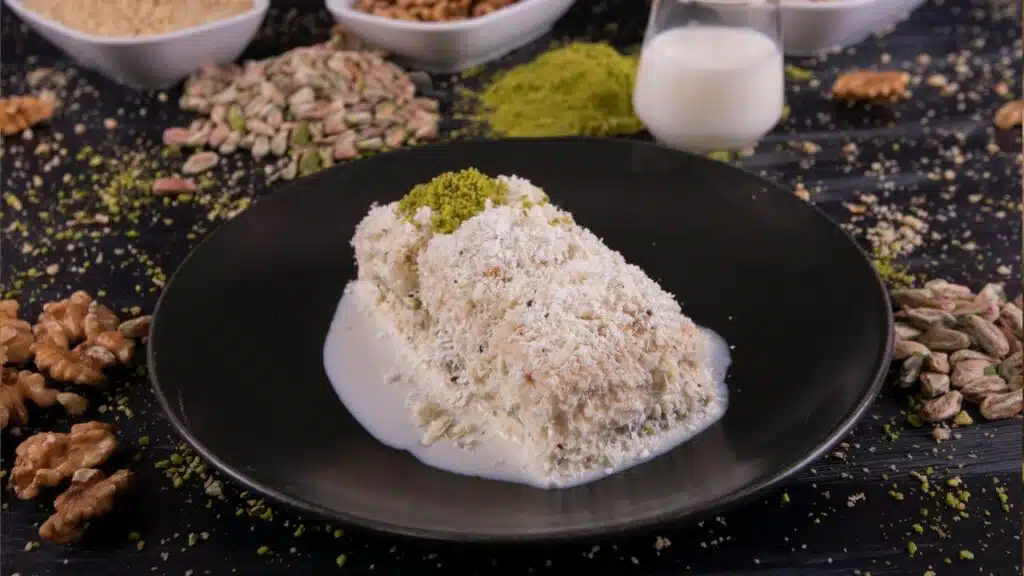
Tembleque is Puerto Rico’s beloved coconut pudding that jiggles like jello when you serve it. This vegan and gluten-free dessert uses simple ingredients to create a creamy, sweet treat perfect for holidays.
- Gather coconut milk, sugar, cornstarch, salt, lime zest, cinnamon, and vanilla extract for this traditional Puerto Rican dessert.
- Mix cornstarch with a small amount of coconut milk in a bowl until smooth and lump-free.
- Heat the remaining coconut milk with sugar and salt in a saucepan over medium heat, stirring constantly.
- Add the cornstarch mixture to the hot coconut milk while whisking continuously to prevent lumps from forming.
- Cook the mixture for 5-7 minutes until it thickens enough to coat the back of a spoon.
- Remove from heat and stir in vanilla extract, lime zest, and a pinch of cinnamon for extra flavor.
- Pour the hot pudding into individual molds or one large serving dish while still warm.
- Refrigerate the tembleque for at least 4 hours or overnight until it sets completely and develops its signature jiggly texture.
- Sprinkle ground cinnamon on top before serving this chilled coconut pudding as a refreshing dessert.
What is Flan de Queso (Cheese Flan) and how is it different from regular flan?
Flan de Queso takes the classic custard dessert to a whole new level. This decadent treat combines traditional flan with cream cheese, creating a richer and more luxurious experience.
The cream cheese adds a tangy twist that makes your taste buds dance with joy. Bakers pour caramel into the pan first, then add the creamy mixture before baking. After cooling, they flip the dessert to reveal that gorgeous golden caramel top.
Regular flan feels light and airy, but Flan de Queso packs more punch. The texture becomes denser and silkier thanks to the cream cheese. This Puerto Rican favorite shows up at celebrations and family gatherings across the island.
Some cooks add coconut or Nutella toppings for extra flavor. Served chilled, this dessert makes the perfect ending to any meal. The combination of sweet caramel and tangy cheese creates a flavor that’s like a cross between traditional flan and cheesecake.
What are Rellenos de Papa (Stuffed Potato Balls) and how are they prepared?
Rellenos de Papa are crispy fried potato balls filled with seasoned ground beef called picadillo. These comfort food treats combine soft mashed potatoes with savory meat filling, creating a perfect contrast of textures.
- Start by boiling potatoes until they become soft and tender, then mash them completely smooth without any lumps.
- Mix the mashed potatoes with beaten eggs and cornstarch to bind everything together into a workable dough.
- Prepare the picadillo filling by cooking seasoned ground beef, though pork or other meats work well too.
- Roll the potato mixture into small balls, then make a hole in each one to stuff with the meat filling.
- Seal the potato balls carefully around the filling, making sure no meat shows through the potato coating.
- Coat each stuffed ball with breadcrumbs to create that golden, crispy exterior when fried.
- Deep fry the rellenos in hot oil until they turn golden brown and develop a crunchy outside layer.
- Serve these fritters hot as a snack or side dish while the contrast between crispy shell and soft interior is at its best.
- Find these stuffed potatoes at street stalls and local bakeries throughout Puerto Rico, especially during festivals and family gatherings.
What ingredients make up a Tripleta Sandwich?
The Tripleta sandwich packs three hearty meats into one incredible bite. Roast pork, ham, and steak create the “triple” combination that gives this street food its name. Swiss cheese melts perfectly over the meat, while fresh lettuce, tomato, and onion add crisp texture.
The magic happens with mayo-kechu, a creamy blend of mayonnaise and ketchup that Puerto Ricans love. Canned shoe-string potatoes crown the sandwich, adding an unexpected crunch that makes each bite special.
Food trucks and casual eateries serve this late-night favorite on soft pan sabao bread. The sweet bread balances the savory meats and tangy condiments perfectly. This hearty sandwich fills you up fast, making it a popular choice for hungry locals and tourists alike.
The combination of tender beef, juicy pork, salty ham, and crunchy vegetables creates a flavor explosion in your mouth.
How are Chuletas Kan Kan (Pork Chops) cooked in Puerto Rico?
Chuletas Kan Kan became a hit at La Guardarraya restaurant in Guavate during the 1950s. These thick pork chops feature rib, chop, and crispy belly all in one amazing cut.
- Start with brining the large pork chops – Soak the meat in salt water for several hours to add flavor and keep it juicy during cooking.
- Roast the pork chops in a hot oven first – Cook them at high heat to start the cooking process and develop deep flavors inside the meat.
- Fry the roasted chops for crispy skin – Move the pork to hot oil or a frying pan to create that crackling, crunchy exterior everyone loves.
- Look for juicy interior with crispy outside – Perfect Chuletas Kan Kan have tender, moist meat inside and a golden, crispy skin that cracks when you bite it.
- Find them along La Ruta del Lechón in Guavate – Drive the famous Pork Highway to taste authentic versions at roadside lechoneras and local restaurants.
- Pair with rice, beans, or sweet plantains – Serve these hefty pork chops with traditional Puerto Rican sides that balance the rich, salty meat perfectly.
- Enjoy Spanish cooking techniques with local flavors – This dish shows how island cooks mixed old-world methods with Caribbean tastes to create something special.
What are Chicharrones de Pollo (Fried Chicken Bites) and how do you make them?
Chicharrones de Pollo are Puerto Rico’s crispy fried chicken bites that pack a tangy punch. These golden nuggets get their bold flavor from a special marinade and double-frying technique.
- Marinate chicken pieces in vinegar, citrus juice, garlic, and oregano for at least two hours to tenderize the meat and infuse bold flavors.
- Cut chicken into small bite-sized pieces, about one to two inches each, for even cooking and maximum crunch.
- Fry the marinated chicken pieces twice in hot oil to achieve that signature crunchy exterior that makes this dish famous.
- Season the chicken with salt and pepper before the second frying to enhance the aromatic flavor profile.
- Serve these hot appetizer bites immediately while they’re still crispy and steaming.
- Pair chicharrones with your favorite dipping sauce or pile them on top of fresh mofongo for a complete meal.
- Find these popular street food treats at food stalls, restaurants, and home kitchens across the island.
- Cook in small batches to maintain oil temperature and prevent overcrowding, which leads to soggy chicken.
What is Pan de Mallorca (Sweet Bread) and how is it enjoyed?
Pan de Mallorca brings Spanish tradition to Puerto Rican bakeries. This sweet bread comes from Mallorca, Spain. Bakers make it with enriched yeast dough, egg yolks, and butter. The pastry has a soft, airy texture that melts in your mouth.
Its spiral shape makes it stand out on bakery shelves. Powdered sugar dusts the top, giving it a snowy appearance.
Puerto Ricans love this breakfast item with their morning coffee. Many people split the sweet roll in half, add butter, and cook it on a griddle. This griddled version creates a crispy outside while keeping the inside fluffy.
The mildly sweet flavor works well with both sweet and savory fillings. Cafes across the island serve this enriched dough creation daily. You can find it stuffed with ham and cheese or enjoyed plain with a sprinkle of extra powdered sugar.
What are Quesitos (Cheese Pastry) and how are they served?
Quesitos are flaky puff pastry rolls filled with sweetened cream cheese. These golden pastries come from bakeries across Puerto Rico. Cooks roll the dough thin, add the creamy filling, then bake until crisp.
The outside turns golden brown while the inside stays soft and sweet. Many bakers glaze their quesitos with sugar syrup for a shiny finish. Some add powdered sugar on top for extra sweetness.
People eat quesitos at breakfast, as an afternoon snack, or for dessert. Bakeries serve them warm and fresh from the oven. The contrast between the crispy pastry and smooth cream cheese makes each bite perfect.
Some versions include guava, dulce de leche, jam, or nuts mixed with the cheese. Locals grab these sweet treats with their morning coffee or as a quick bite between meals.
How is Arroz con Dulce (Sweet Rice Pudding) traditionally prepared?
Arroz con Dulce brings families together during Christmas with its warm spices and creamy texture. This vegan, gluten-free dessert starts with rice soaked for hours and ends with a chilled treat that tastes like the holidays.
- Soak rice in water for at least 3 hours before cooking to soften the grains properly.
- Combine coconut milk with whole milk in a large pot and heat the mixture slowly.
- Add the soaked rice to the warm milk and cook on low heat, stirring often.
- Mix in ground cinnamon, whole cloves, and fresh ginger while the rice cooks.
- Stir the pudding constantly to prevent sticking and create a smooth, creamy texture.
- Cook the mixture for 30 to 45 minutes until the rice becomes tender and creamy.
- Remove whole cloves and ginger pieces before serving the finished dessert.
- Chill the pudding in the refrigerator for several hours until completely cold.
- Sprinkle ground cinnamon on top of each serving bowl before presenting to guests.
- Prepare large batches for family gatherings since this holiday favorite feeds many people.
What is Asopao de Pollo (Chicken and Rice Stew) and when is it eaten?
Asopao de Pollo is Puerto Rico’s answer to comfort food. This hearty stew combines bone-in chicken with ham in a rich, savory broth. Cooks flavor the dish with adobo, sofrito, tomatoes, capers, and olives.
The result is a flavorful soup that warms you from the inside out.
Puerto Ricans serve this Caribbean cuisine staple during parranda celebrations and large gatherings. Families make it ahead to feed crowds easily. The stew becomes especially popular during the rainy season.
People enjoy it with rice or crusty bread. This chicken soup brings Spanish and Caribbean stewing techniques together, creating tender chicken in a broth that hits the spot every time.
What are Pinchos (Meat Skewers) and how are they seasoned?
Pinchos are Puerto Rico’s answer to barbecue perfection. These grilled meat skewers pack bold flavors that make your taste buds dance.
- Pinchos use chicken thigh or pork tenderloin as the main meat choices for maximum flavor and tenderness.
- Cooks season the meat with olive oil, sazón, oregano, and vinegar to create that signature Puerto Rican taste.
- Grilling happens over open flames, which gives pinchos their smoky barbecue flavor that locals crave.
- Street vendors serve pinchos with fresh bread and tangy barbecue sauce on the side for dipping.
- You’ll find these skewers at festivals, along highways, and at beachside stands across the island.
- Pinchos make perfect late-night snacks when you’re out exploring Puerto Rico’s nightlife scene.
- The quick preparation time means vendors can grill fresh batches throughout the day for hungry customers.
- Spanish and Taíno cooking traditions blend together in the seasoning mix that makes pinchos special.
- Meat lovers grab pinchos as portable snacks that taste amazing and fill you up fast.
What are Arepas de Coco (Coconut Fry Bread) and how do they taste?
Arepas de Coco stand apart from their Venezuelan cousins through their special coconut twist. These crispy fried breads combine flour with rich coconut milk, creating something truly special.
Coastal kitchens across Puerto Rico serve this beloved snack with pride. The bread delivers a subtle sweetness that dances on your tongue. Each bite releases a fragrant aroma that transports you straight to the tropics.
Beachside eateries often stuff these golden treats with fresh seafood salad for a savory surprise. The texture hits all the right notes, crunchy on the outside and pillowy soft inside.
Tropical flavors shine through every mouthful, making this appetizer a coastal specialty worth seeking out. Coconut pairs beautifully with seafood and other island ingredients, creating a perfect harmony of taste and texture.
What are Casquitos de Guayaba (Guava Shells in Syrup) and how are they made?
Casquitos de Guayaba are sweet guava shells cooked in cinnamon syrup that make your taste buds dance with joy. This tropical fruit dessert brings the sunshine of Puerto Rico right to your plate.
- Start with fresh guava fruits and cut them in half to create the perfect shells for this festive treat.
- Scoop out the inside flesh and seeds from each guava half, leaving clean hollow shells ready for cooking.
- Boil water in a large pot and add the guava shells to soften them for about 10 minutes.
- Create the magic syrup by mixing sugar, water, and cinnamon sticks in a heavy saucepan.
- Add the softened guava shells to the bubbling syrup and let them simmer until they turn tender and glossy.
- Cook the mixture slowly until the syrup thickens and coats the guava shells like liquid gold.
- Serve this refreshing snack hot from the stove or chilled from the fridge, both ways taste amazing.
- Pair your casquitos with mild white cheese for a sweet and savory combination that Puerto Ricans love.
- Store leftover guava shells in the syrup in your refrigerator for up to one week.
How is Lechón Asado (Roast Pig) traditionally cooked in Puerto Rico?
Lechón Asado brings families and friends together for hours of cooking and celebration. This traditional roast pig technique creates crispy skin with tender, juicy meat inside.
- Cooks roast a whole pig over an open fire using Spanish-influenced barbecue techniques that take several hours to complete.
- The preparation becomes a community event where people gather, play music, and drink Medalla beer while the pig slowly cooks.
- Fire masters turn the pig regularly to create crispy, golden skin while keeping the meat tender and juicy throughout.
- Guavate, known as “La Ruta del Lechón” or Pork Highway, serves as the best place to enjoy this traditional cuisine.
- Families prepare lechón during Christmas and major celebrations as a holiday and weekend specialty dish.
- The cooking process requires constant attention and community participation, making it a festivity rather than just meal preparation.
- Cooks serve the roasted pig with traditional sides like arroz con gandules, fried plantains, and fresh salads.
- The technique produces meat so flavorful that locals consider it the crown jewel of Puerto Rican barbecue cooking methods.
Takeaways
Puerto Rican cuisine tells the story of an island through every bite. These 20 dishes showcase the rich food culture that makes this tropical paradise so special. From crispy tostones to creamy coquito, each recipe carries generations of tradition and love.
Your taste buds will thank you for trying these local delicacies before you head home. Pack your appetite and get ready to fall in love with the flavors of Puerto Rico.
FAQs
1. What makes Puerto Rican food so special?
Puerto Rican cuisine blends Spanish, African, and Taíno flavors into something magical. The island’s tropical ingredients, like plantains and yuca, create dishes you won’t find anywhere else. It’s comfort food that tells the story of the island’s rich history.
2. Which Puerto Rican dishes should first-time visitors try?
Mofongo tops every must-eat list, and for good reason. Pasteles during Christmas season are like edible gifts wrapped in banana leaves. Don’t miss alcapurrias from beach vendors either.
3. Where can tourists find the best authentic Puerto Rican food?
Skip the hotel restaurants and head to local fondas or roadside kiosks. The best pernil comes from family-run spots in small towns. Street vendors often serve the most authentic alcapurrias and bacalaitos you’ll ever taste.
4. Are Puerto Rican foods too spicy for sensitive palates?
Most Puerto Rican dishes are surprisingly mild and focus on flavor over heat. Sofrito adds depth without burning your tongue. Even the spiciest dishes use peppers for taste, not just fire.




























