Got a brilliant game idea but don’t know how to pitch it? You’re not alone. Many creators struggle to explain their vision to developers or publishers. It can feel like trying to solve a puzzle without all the pieces.
A strong pitch is key in game development. It helps sell your idea, attract funding, or build the right team. This blog will show you how to create a winning game pitch and avoid common mistakes.
Ready to get your ideas noticed? Keep reading!
Key Takeaways
- Keep pitches short and clear. Use an elevator pitch to explain the game in 30 seconds. Focus on key features, market fit, and platform.
- Include visuals like concept art or GIFs under 2MB to grab attention fast. A working prototype can boost interest even more.
- Explain what makes the game unique. Highlight its story, mechanics, or art that stand out from others in the market.
- Show business potential with a clear plan for revenue and costs. Use research to prove demand for your genre.
- Match your pitch to the audience’s goals, like publishers’ focus on profits or developers’ need for bold ideas.
What Makes a Strong Game Pitch?
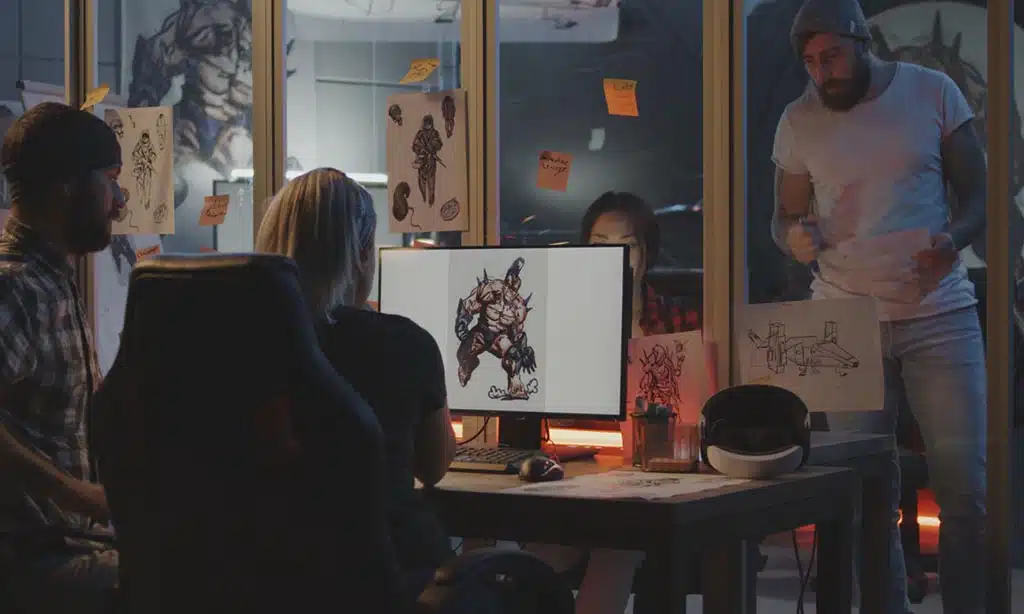
A strong pitch grabs attention fast. It mixes clear ideas with visuals like concept art or a small game demo.
Clear vision and unique selling points
Define your game in simple terms. Explain what makes it special. Highlight its core mechanics and goals. For example, a 2D platformer could be described as “as cheesy as Mario Kart.” Share where you got inspiration.
Mention games like *Thimbleweed Park* or *Hexen II: Portal of Praevus* if they influenced your idea.
Focus on what sets it apart. Is it the story, gameplay, or art? Publishers want fresh ideas that stand out in crowded markets like console games or indie games. A clear vision makes pitching easier and shows confidence in your game idea.
Visual assets and prototypes
Concept art grabs attention fast. Posters, gameplay videos, or even GIFs under 2MB can make your game pitch pop. Use tools like Adobe Express or Canva to design visuals that stand out.
Show characters, worlds, or intense moments from the platforming game you’re creating.
Playable prototypes steal the show. Developers and publishers love trying early versions of games. Tools like Nuclino help organize ideas while building these demos. A working prototype increases publisher interest by a large margin—more than static art ever will!
Key Elements to Include in Your Pitch
Focus on what makes your game idea stand out. Share just enough to spark curiosity, not overwhelm.
Elevator pitch
Cataclysm is a thrilling combination of fast-paced action and deep storytelling, set in a post-apocalyptic world where survival depends on your wits and combat skills. With dynamic environments, intense battles, and an unforgettable narrative, this game delivers an experience that will keep players hooked from start to finish.
Game description and scope
A strong game description sets the stage. Explain the game’s core idea in one or two sentences. Highlight its genre, setting, and tone to grab attention fast. Show how it stands out from other indie games or big titles like “World of Warcraft.” Talk about key features and unique game mechanics that define the player’s experience.
Outline your scope clearly. Cover target platforms, such as PC or consoles, and tools like Unity or Unreal Engine. Mention a realistic timeline for development phases—pre-production might take six months while testing lasts three months.
For example, “Party Hard” pitched itself during a quick showcase moment but had set clear goals at each step of production upfront. Keep it focused so publishers see potential without confusion.
Target audience and market potential
Define who will play your game. Think about their age, interests, and gaming habits. Focus on specific groups or market segments, like casual gamers or fans of indie games. For example, a fantasy game might attract players who enjoy “Wrath of the Lich King” or similar titles.
Show how your game fits into the market. Use market research to point out trends and demand for your genre. Highlight ways you’ll reach players—social media platforms like Discord and Twitter work well for community building.
A clear marketing plan shows publishers you’ve done homework.
Tips for Delivering an Effective Pitch
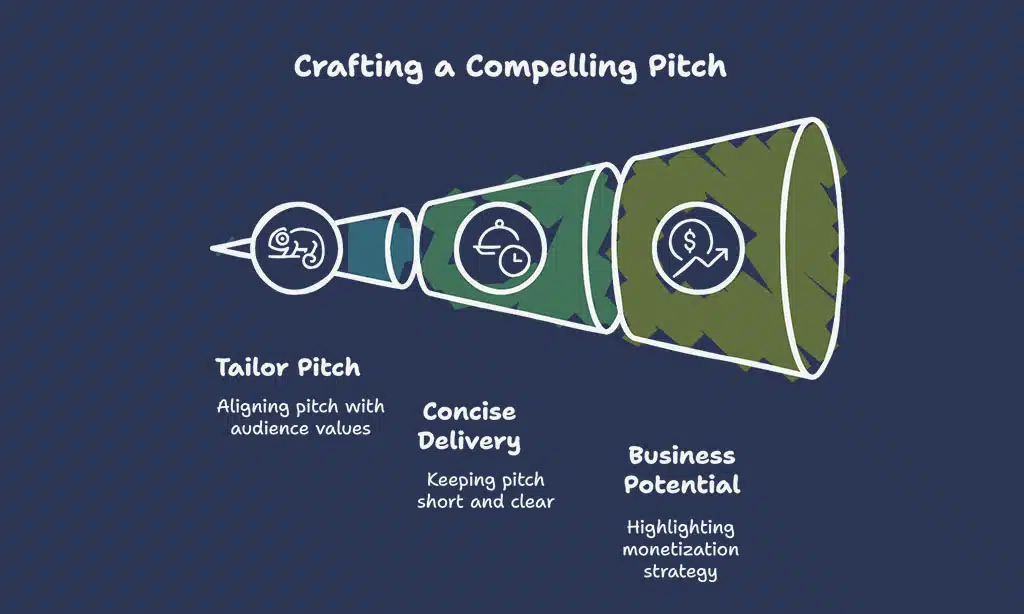
Speak their language, not yours—know what excites them. Keep it sharp, show why your idea matters, and let the numbers talk.
Tailor your pitch to the audience
Study the publisher or developer first. Raven Software might care about polished game mechanics, while an indie studio may prefer bold ideas. Match your pitch to their focus. Highlight what they value most in a project.
Use examples they know. Show how your concept fits the market, like “SpeedRunners” did at PAX with its unique demo setup. Prove you understand what excites them and why your idea matters to their goals.
Use research, stay sharp, and make every word count!
Be concise and focused
Keep your pitch short and clear. Developers and publishers have limited time. Start with an elevator pitch—30 seconds, max. Share the game type, platform, and key features quickly.
Avoid overwhelming details. Use GIFs under 2MB or a simple YouTube link for visuals. Skip long backstories or non-critical info. Stick to what sells your idea: market research, mechanics, and business potential.
Highlight the business potential
Show how your game will make money. Include a clear monetization strategy. Will it use one-time purchases, in-app purchases, ads, or subscriptions? Be specific with details.
Discuss the budget breakdown. Share the funding needed and how you plan to use it. Break down costs like development, marketing, and maintenance. Show publishers you’ve done market research and know the game’s potential revenue.
Highlight trends in indie games or similar titles that succeeded financially. End strong with why this is worth their investment!
Common Mistakes to Avoid
Rushing your pitch without proper market research can sink even the best game ideas, so take time to prepare!
Overloading with unnecessary details
Too much detail can scare off developers or publishers. They don’t need every tiny fact about your game design document (GDD). Focus on the big picture—game mechanics, target audience, and market potential.
Publishers care about how your game fits their goals, not extra fluff.
For example, skip explaining minor story twists or all character backstories in your pitch deck. Instead, highlight what makes players excited to play. Keep things simple but strong by showing concept art or prototypes to spark interest without drowning them in unnecessary information.
Ignoring publisher or developer priorities
Skipping publisher goals can sink your pitch. They care about profit, audience fit, and project risks. Show how your game meets their needs. For example, highlight market research to prove demand or explain how your team will grow with studio expansion plans.
Match their values with clear points in the pitch deck. Publishers want games that align with their portfolio and business style. Ignoring this focus wastes time for both sides.
Takeaways
Pitching a game idea takes skill, focus, and creativity. Show your vision clearly with strong visuals and a simple prototype. Make it about the players’ experience, not just the mechanics.
Keep it short but impactful—every word should count. Build trust and relationships; those connections can open doors later!
FAQs
1. What is the best way to pitch a game idea to a developer or publisher?
Start with an elevator pitch that explains your game’s concept quickly. Use a detailed pitch deck and include clear game mechanics, market research, and visuals like concept art.
2. Do I need a Game Design Document (GDD) for my pitch?
Yes, having a GDD helps show your planning. It outlines the game’s features, gameplay details, and technical needs in one place.
3. How important is market research when pitching?
Market research shows you’ve thought about the audience and competition. Publishers want proof your idea fits into the industry or fills gaps in indie games.
4. Should I use tools like Google Drive for my pitch materials?
Yes, sharing documents through tools like Google Drive makes it easy for developers or publishers to review your work remotely.
5. Is it necessary to sign a nondisclosure agreement before pitching?
It depends on who you’re pitching to. Some companies require NDAs while others don’t bother with them at all—ask first!