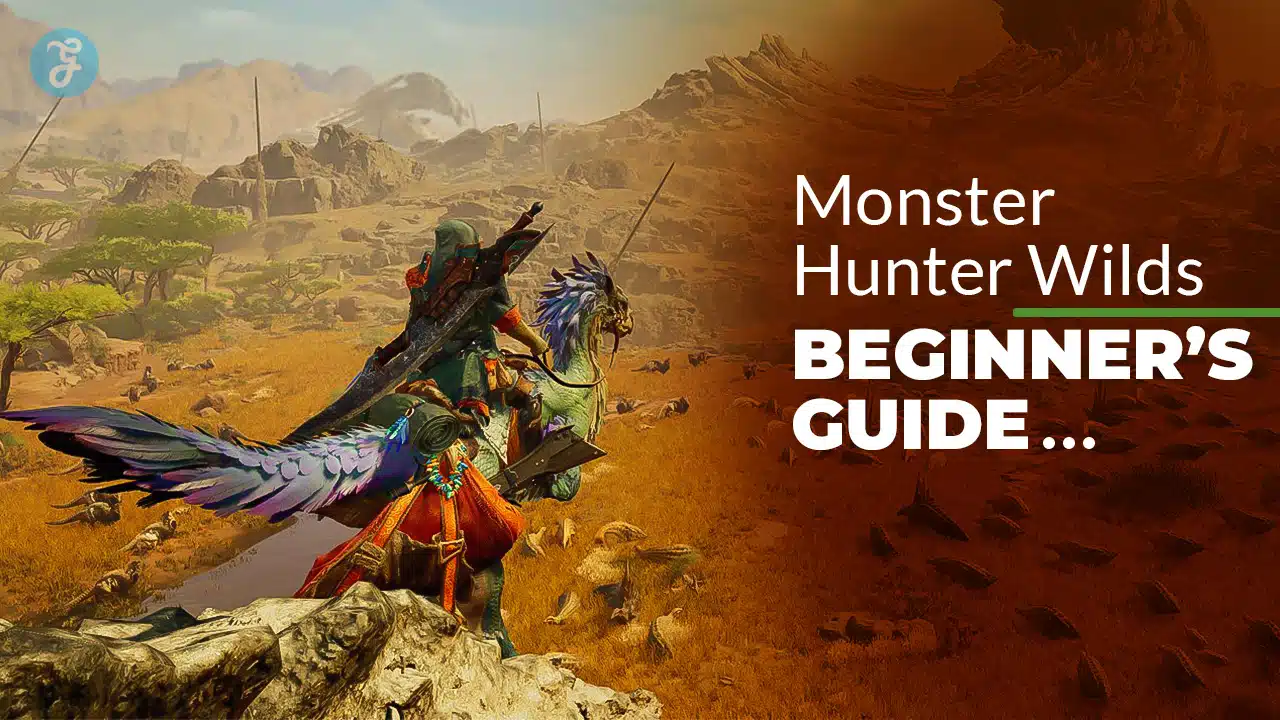
If you are new to the series, Monster Hunter Wilds can feel overwhelming in the first few hours. You get a huge map, big monsters, a deep crafting loop, and a combat system that rewards patience more than button-mashing. This Monster Hunter Wilds guide is built to help you start strong, avoid beginner traps, and understand what matters most in your first 20 to 30 hours.
I will walk you through hunting basics, survival habits, weapon progression, crafting at the Smithy, affinity and crits, capturing with traps and tranqs, and how exploration and camps make everything easier. Use this as your foundation, then specialize once you know what kind of hunter you want to be.
Monster Hunter Wilds Guide: The Core Loop You Should Learn First
Before you worry about perfect builds, learn the loop that drives everything.
-
Explore a region and learn safe routes
-
Track and fight a target monster
-
Break parts, capture or slay, and collect materials
-
Craft upgrades at the Smithy
-
Prepare better, then hunt stronger monsters
If you get stuck, it is usually because one part of this loop fell behind. Most often, your weapon upgrade path is behind the monsters you are fighting.
The Beginner Progress Checklist
-
Learn one weapon well instead of switching every hunt
-
Upgrade your weapon whenever hunts start dragging
-
Always restock items before leaving camp
-
Learn one weak spot per monster and focus it
-
Use camps and fast travel to reduce wasted time
Your First Hours: What To Focus On (And What To Ignore)
In the beginning, you do not need to master every system. You need a clean foundation that keeps you alive and makes your hunts shorter.
Do These First
-
Pick one weapon type and commit for a while
-
Learn how to sheath, heal, and reset safely
-
Learn how stamina affects dodging and positioning
-
Practice hitting weak spots instead of swinging anywhere
-
Start upgrading your weapon as soon as the Smithy allows it
Ignore These For Now
-
Perfect min-max builds
-
Farming rare drops early
-
Spreading upgrades across many weapon trees
-
Trying to memorize every monster move immediately
Early progress is about consistency. You will become stronger faster by learning good habits than by chasing perfect gear.
Combat Fundamentals That Actually Win Hunts
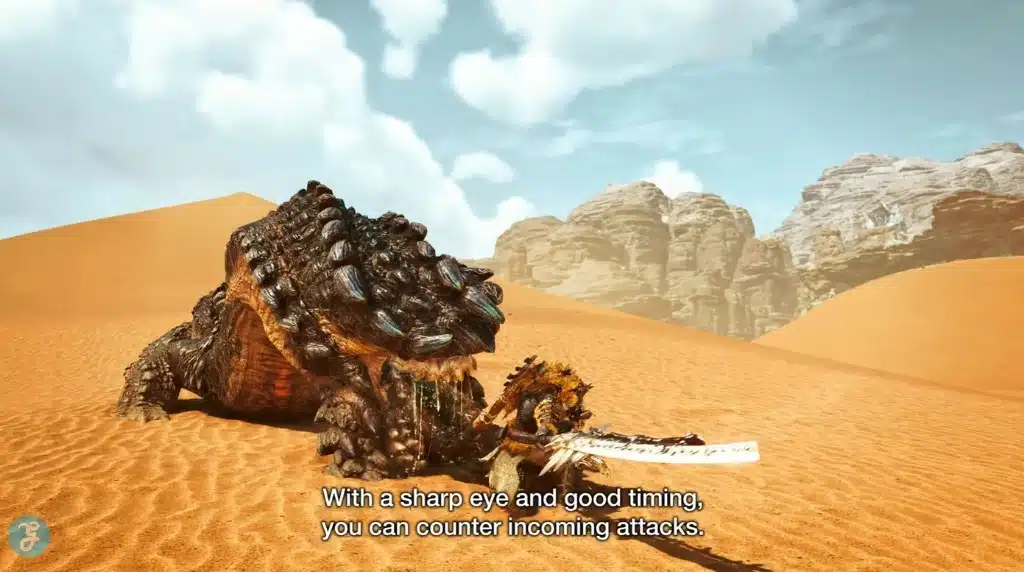
Monster Hunter Wilds punishes panic. It rewards calm decision-making and clean positioning. If you treat every fight like an action game where you must attack nonstop, you will take more hits and burn more healing.
The Three Combat Rules
-
Do not commit unless you can finish the animation safely
-
Spend more time in good positions than doing “more attacks”
-
Reset when you lose control instead of forcing damage
Positioning: The Real Skill Check
If you stand in front of a monster, you invite the most dangerous moves. If you stand at the side and punish recovery windows, you control the pace.
Use these positioning habits:
-
Stand slightly off-center to bait predictable attacks
-
Step in to punish, step out to avoid retaliation
-
Treat the monster’s head and front as “high risk, high reward”
-
Treat the flank as “safe damage and better uptime”
Stamina Management: Why You Get Hit When You Should Not
Stamina controls your dodges and your ability to reposition. If you dodge twice and then try to sprint, you can get stuck. That is how many carts happen.
Use this simple stamina rule:
-
Always keep enough stamina for one emergency dodge
If you feel “tired” in combat, stop rolling. Walk, reposition calmly, and wait for the next opening.
Healing: How To Heal Without Dying
Healing is not a pause button. You need space.
Use a safe heal pattern:
-
Create distance first
-
Sheath your weapon
-
Heal behind terrain or after a monster whiffs a big move
-
Do not heal in the monster’s face unless it is staggered
If you heal at the wrong time, you turn one mistake into two.
Focus Mode And Wounds: How Wilds Rewards Targeting
Wilds gives you tools that reward precision. If you target specific monster parts consistently, you create stronger punish windows and better part breaks.
If you want a deeper explanation of how Focus, combat flow, and exploration connect, check my Monster Hunter Wilds gameplay breakdown.
What Focus Mode Helps You Do
-
Aim attacks at a specific body part during chaos
-
Keep pressure on a chosen weak area
-
Turn short openings into meaningful damage
-
Set up better wound and break opportunities
Wounds And Weak Points: The Practical Idea
Think of wounds as a “payoff” for discipline. When you focus a part, you create better damage opportunities on that zone, and you can snowball the fight by staying on target.
Beginner Targeting Priority
If you feel lost, use this order:
-
Hit the monster’s best weak spot that you can safely reach
-
Break parts that improve safety, like legs for trips or wings for mobility control
-
Avoid armored zones unless your weapon is designed to handle them
Your first goal is not perfect damage. Your goal is consistent damage that keeps you alive.
Survival Loadout: What You Should Always Bring
Many early failures happen because hunters leave camp with half a kit. Build a basic survival loadout and keep it consistent.
Core Items To Carry
-
Healing items for your main sustain
-
Backup healing for emergencies
-
Basic buffs if you use them consistently
-
Utility items that create breathing room
-
Capture tools if your quest allows capture
The “I Don’t Want To Cart” Habit
Before every hunt, check these:
-
Are you fully stocked on healing
-
Do you have enough rations or stamina support
-
Do you have items for your plan, like capture tools or specific counters
The best hunters do not win because they have perfect dodges. They win because they do not start hunts under-prepared.
Camps, Fast Travel, And Why Your Routes Matter
Wilds is built around large regions. You will waste a lot of time if you treat travel like a chore instead of a system.
Base Camps Vs Pop-Up Camps
Base Camps act like your stable headquarters. Pop-up camps act like flexible support nodes that reduce downtime.
Use camps for:
-
Restocking items quickly
-
Saving travel time during long quests
-
Creating safer loops for gathering and farming
The Route Mindset
Every region becomes easier once you learn:
-
Where monsters often roam
-
Where safe open fighting zones exist
-
Where you can escape when you need to heal
-
Where your best gathering loops are
Exploration is not separate from hunting. It is part of hunting well.
Capturing Vs Slaying: When To Capture Monsters
Capturing ends hunts earlier and can reduce risk in the final phase. If you are farming, captures often improve efficiency because you spend less time in the most dangerous part of the fight.
Capture Basics
Capturing requires two parts:
-
A trap
-
Tranqs applied at the right time while the monster is trapped and ready
How To Tell When A Monster Is Ready
Common signals include:
-
Limping
-
Retreating more often
-
Attempting to flee toward a resting area
Simple Capture Routine
-
Fight until you see capture signs
-
Stop greedy damage and take control
-
Place the trap in the monster’s path
-
When the trap triggers, apply tranqs immediately
Capturing becomes consistent when you treat it like a calm routine, not a panic moment.
The Smithy: How Crafting And Upgrades Really Work
Your Smithy is your progression engine. When hunts feel slow, the answer is often not “play harder.” The answer is “upgrade smart.”
What Weapon Upgrades Give You
-
Higher raw damage for faster hunts
-
Better sharpness behavior and consistency
-
Improved affinity trends depending on the tree
-
Better matchups through element or status changes
When You Should Upgrade
Upgrade when you notice these signs:
-
Hunts feel too long for your comfort
-
You burn most of your healing every hunt
-
Monsters start punishing you for small mistakes
-
You just entered a new tier of difficulty
A single upgrade can shave minutes off your average hunt.
The One-Weapon Rule For Beginners
In your early progression, pick one main weapon line and keep it upgraded. You can experiment later, but splitting upgrades early slows you down.
Use this simple plan:
-
Upgrade your main weapon first
-
Build a second weapon only when it solves a specific problem
-
Avoid upgrading five weapon trees at once
Switching Weapons And Why Two Weapons Matters
Wilds lets you carry two weapons into the field with your Seikret. This is a big deal for new hunters because it gives you flexibility without forcing you to return to camp.
Smart Two-Weapon Setups For Beginners
-
A safe weapon plus a high damage weapon
-
A raw weapon plus an elemental matchup weapon
-
A fast weapon plus a heavy punish weapon
When To Swap Mid-Hunt
Swap when it has a clear purpose:
-
The monster changes phase and your current weapon feels awkward
-
You need a different reach or speed
-
You want to shift into safer play during a tough phase
Do not swap as a panic button. Swap as a planned decision.
Affinity For Beginners: Crit Chance And Negative Crits Explained
Affinity is one of the most misunderstood systems for new players. In simple terms, it controls your critical hit chance.
-
Positive affinity gives you a chance to deal stronger hits
-
Negative affinity gives you a chance to deal with weaker hits
Your weapon’s raw attack can look great, but heavy negative affinity can quietly lower your average damage over time.
The Practical Affinity Rule
-
If you crit often, your damage feels stable and reliable
-
If you negative crit often, your hunts feel longer than they should
What You Should Do With Affinity Early
-
Do not obsess over perfect crit builds early
-
Avoid large negative affinities unless the weapon’s raw advantage is huge
-
Build for consistency first, then optimize later
At this point in your progression, consistency matters more than squeezing out theoretical max damage.
Monster Hunter Wilds Guide Checkpoint: Your First Real Power Spike
This is the stage where most players feel the game “click.” You stop surviving and start controlling hunts.
If you feel stuck, use this checklist:
-
Upgrade your weapon once
-
Improve your healing and stamina habits
-
Start targeting one weak spot consistently
-
Use camps and routes to reduce downtime
-
Capture instead of forcing risky final-phase slays
This Monster Hunter Wilds guide is meant to move you into that power spike faster.

Choosing A Weapon As A Beginner
All weapon types are viable, but not all are equally easy to learn. Your goal is to pick something that helps you stay calm and learn monsters.
Beginner-Friendly Weapon Traits
-
Simple core loop
-
Safe positioning options
-
Good damage without perfect execution
-
Clear punish windows
High Skill Weapons Are Not Bad
Some weapons have a higher ceiling and a steeper learning curve. If you love that style, go for it. Just understand that your first 10 hours will feel harder until the weapon clicks.
How To Pick Without Regret
Ask yourself:
-
Do I want speed and mobility, or big punish hits
-
Do I like reacting with counters, or controlling with spacing
-
Do I want to fight close, or play safer at range
Pick based on your personality, not a tier list. You will learn faster when you enjoy the weapon.
Exploration And Biomes: How The World Changes Your Hunts
Wilds regions are not static arenas. They are ecosystems with shifting conditions. Your job is to adapt.
Use exploration to:
-
Find open zones for safer fights
-
Learn monster travel paths
-
Build efficient gathering loops
-
Place pop-up camps where they reduce downtime
Even basic map knowledge makes you better, because you stop getting trapped in bad terrain.
Multiplayer Basics: How To Be A Good Teammate
Co-op is one of the best ways to enjoy Wilds with friends, but it also introduces chaos. If you play with friends or randoms, your job is to keep the hunt stable.
Co-Op Habits That Make Hunts Easier
-
Restock before joining
-
Do not rush the monster while under-prepared
-
Call out capture plans early if the quest allows it
-
Prioritize survival over greedy damage
The Capture Rule In Co-Op
If you want to capture, communicate early. The most common failure is a teammate killing the monster while you place a trap.
Common Beginner Mistakes That Slow Progress
If you fix only a few things, fix these.
Mistakes To Avoid
-
Fighting monsters above your upgrade tier
-
Not restocking before hunts
-
Healing in unsafe positions
-
Rolling too much and draining stamina
-
Hitting armored zones nonstop instead of learning weak spots
-
Spreading upgrades across too many weapon trees
Simple Fixes
-
Upgrade your weapon sooner
-
Learn one safe heal pattern
-
Pick one weak spot and practice it
-
Use camps and routes to control downtime
These changes improve your results immediately.
Endgame Mindset: What You Should Build Toward
You do not need to think like an optimizer on day one, but you should build toward the right habits.
Endgame rewards:
-
Uptime and positioning
-
Targeted damage and part breaks
-
Efficient crafting and upgrade planning
-
Smart use of camps and travel
-
Consistent damage, including affinity management
If you build these habits now, endgame will feel exciting instead of punishing.
Wrap-Up
Wilds becomes much easier once you treat it like a system, not a wall. Hunt with patience, target weak spots, upgrade when the pace slows, and prepare like a professional before you leave camp. This Monster Hunter Wilds guide gives you the survival habits and progression plan that carry you through the story and into harder hunts with confidence