Preparing a medical device submission in Mexico may require documents issued by foreign health authorities, certification bodies, or other organizations. Before these documents are submitted to COFEPRIS, the Mexican health authority, their authenticity may need to be demonstrated.
Traditionally, foreign-issued documents have been authenticated through an apostille or consular legalization. Both routes continue to be used, but the increasing availability of digitally issued certificates has created another possibility: verifying a document electronically through a platform operated by its issuer.
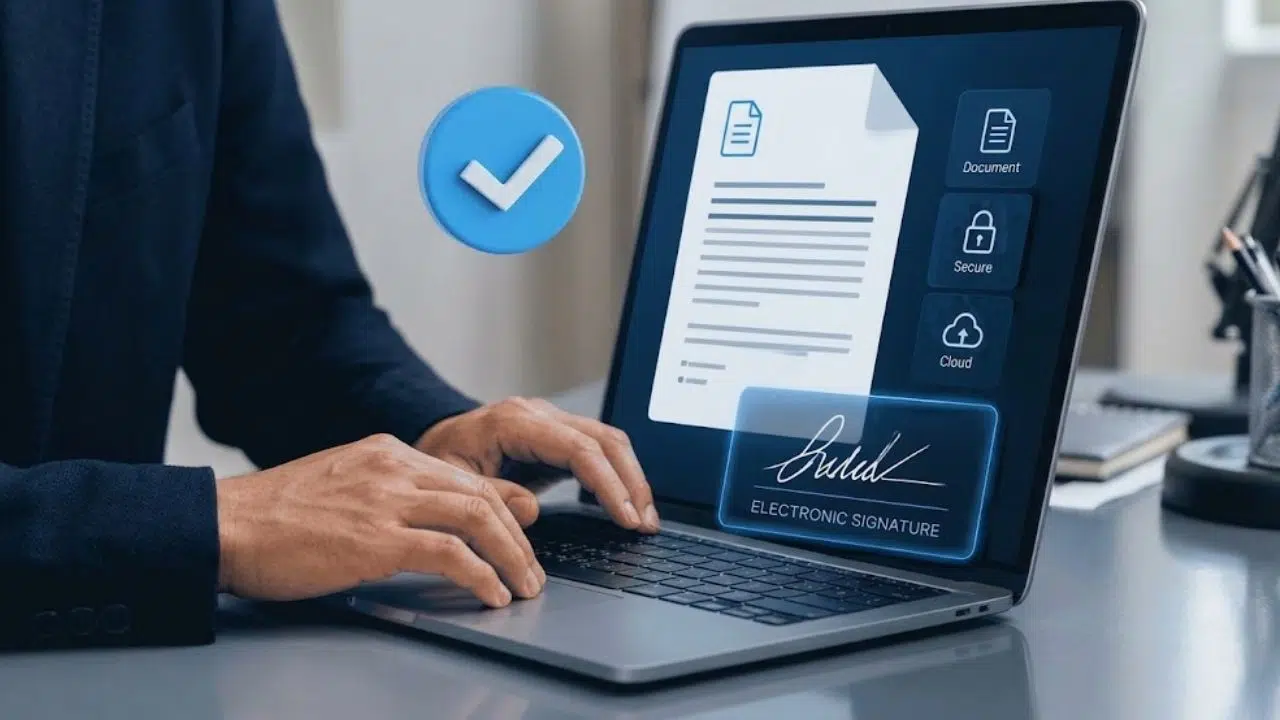
Electronic verification can help manufacturers reduce preparation time, authentication expenses, and reliance on paper originals. However, a document is not considered electronically verifiable simply because it is available as a PDF. The file must include, or be connected to, a reliable mechanism that allows its origin and authenticity to be confirmed.
Why Foreign Documents May Require Authentication
Medical device applications may include certificates, authorizations, and other documents created outside Mexico. Authentication allows COFEPRIS to determine whether a document was issued by the organization identified in the submission and whether it corresponds to an official record.
Authenticity should not be confused with regulatory adequacy. A document may be genuine but still fail to provide the information required for a particular procedure or to support compliance with other applicable provisions, such as Mexico’s medical device labeling standard, NOM-137-SSA1-2025. Similarly, a document may contain relevant information but lack an acceptable method for confirming its origin.
Manufacturers should therefore consider both the authenticity of each document and its suitability for the corresponding regulatory submission.
Traditional Authentication Methods
Apostille and consular legalization remain the two conventional methods for authenticating foreign documents.
An apostille is generally used when the issuing country and the destination country participate in the Hague Apostille Convention. It confirms the origin of a public document and, when applicable, the capacity of the person who signed it or the identity of the seal appearing on it.
When the apostille framework does not apply, consular legalization may be necessary. This process can involve different authorities and the Mexican embassy or consulate responsible for the country where the document was issued.
The appropriate route depends on factors such as the originating country, the type of document, the issuing organization, and its intended use. Although both methods remain valid, they may involve obtaining paper originals, coordinating with different authorities, and arranging international shipments. These steps can add time and cost to a medical device registration project.
The Use of Electronically Verifiable Documents
Health authorities and certification bodies increasingly issue documents through digital systems. These documents may include Certificates of Free Sale, Good Manufacturing Practices certificates, medical device approvals, quality certificates, and other records supporting the regulatory status of a product or manufacturer.
Depending on the issuer, an electronic verification mechanism may consist of:
- A QR code connected to an official platform.
- A unique verification link.
- A certificate or document identification number.
- A searchable record in an official database.
- A digital signature or validation code.
These tools may allow COFEPRIS to confirm that the document was issued by the organization identified in the regulatory dossier. When the verification route is reliable and accessible, electronic verification may offer an alternative to a traditional authentication process in suitable cases.
However, the existence of a QR code, hyperlink, or digital signature does not automatically mean that a document will be accepted. The verification mechanism must connect the submitted file with an identifiable record maintained by the issuer.
Preparing Electronic Documents for Submission
Electronic verification should be tested before the regulatory dossier is submitted. This allows the manufacturer and the Mexican registration holder to identify access problems or inconsistencies before COFEPRIS reviews the application.
The preliminary review should confirm that:
- Links, QR codes, and database searches function correctly.
- The electronic record corresponds to the submitted document.
- Names, identification numbers, dates, and other relevant information are consistent.
- Any verification codes or access instructions are available.
- The official record is expected to remain accessible during the review.
- The platform verifies the specific document, not only the existence of the issuing organization.
If access depends on a password or validation code, the necessary instructions should be considered as part of the submission preparation. Temporary links and restricted platforms should also be evaluated carefully, since they may not remain usable throughout the regulatory review.
Testing the verification process in advance does not guarantee acceptance, but it can reduce avoidable questions and delays.
Advantages for Medical Device Manufacturers
When electronic verification is appropriate, it can simplify the collection and preparation of foreign-issued documents. Its potential benefits include:
- Shorter preparation timelines.
- Lower authentication and international shipping costs.
- Reduced dependence on paper originals.
- Easier coordination among manufacturers, issuers, and registration holders.
- Greater traceability between the submitted file and the official record.
- Earlier identification of discrepancies in names, dates, addresses, or certificate details.
These advantages can be particularly useful when a submission depends on documents from several authorities, certification bodies, or manufacturing sites located in different countries.
Nevertheless, electronic verification should not be viewed as a universal exemption from apostille or consular legalization. Some documents may not include a suitable verification mechanism, while others may be available through platforms that are restricted, temporary, or insufficient for confirming the submitted record.
Selecting the Appropriate Authentication Route
The appropriate authentication method should be evaluated for each document. The assessment should consider the issuing organization, country of origin, type of document, available verification mechanism, and intended regulatory use.
Electronic verification may be suitable when the issuer provides a functional platform that clearly connects the submitted document to an official record. Apostille or consular legalization may remain necessary when no reliable digital route is available or when the nature of the document requires a traditional process.
This document-specific assessment is important because a single regulatory dossier may include records that require different authentication approaches. The availability of electronic verification for one certificate does not mean that the same route can be used for every foreign-issued document in the application.
Frequently Asked Questions
Does COFEPRIS accept electronically verifiable documents?
Electronically issued documents may be considered when their origin and authenticity can be reliably confirmed through a verification mechanism provided by the issuer. Their suitability depends on the document, the issuing organization, and the applicable regulatory procedure.
Is a PDF sufficient for electronic verification?
No. A PDF alone does not demonstrate authenticity. It should be supported by a functional verification mechanism, such as a QR code, unique link, certificate number, digital signature, or searchable official record.
Does electronic verification replace an apostille?
It may provide an alternative in suitable cases, but it does not eliminate apostille or consular legalization as valid authentication routes. The appropriate option should be determined after reviewing the document and the verification method available.
What should manufacturers check before submission?
Manufacturers should confirm that the verification route works, the official record matches the submitted file, and any access instructions are complete. They should also consider whether the verification mechanism will remain available while the application is under review.
Final Considerations
Electronic verification can provide a practical alternative for authenticating certain foreign-issued documents used in medical device submissions in Mexico. When a reliable mechanism connects the submitted file with an official record, manufacturers may reduce preparation time, logistics expenses, and dependence on paper originals.
However, an electronic file is not automatically an electronically verifiable document. A scanned certificate, PDF, or emailed file must still provide a functional way to confirm its origin. In addition, verification of authenticity does not replace the assessment of whether the document contains the information required for the applicable regulatory procedure.
Apostille and consular legalization therefore remain relevant. The most appropriate route should be selected after considering the document’s issuer, origin, format, verification system, and intended use.