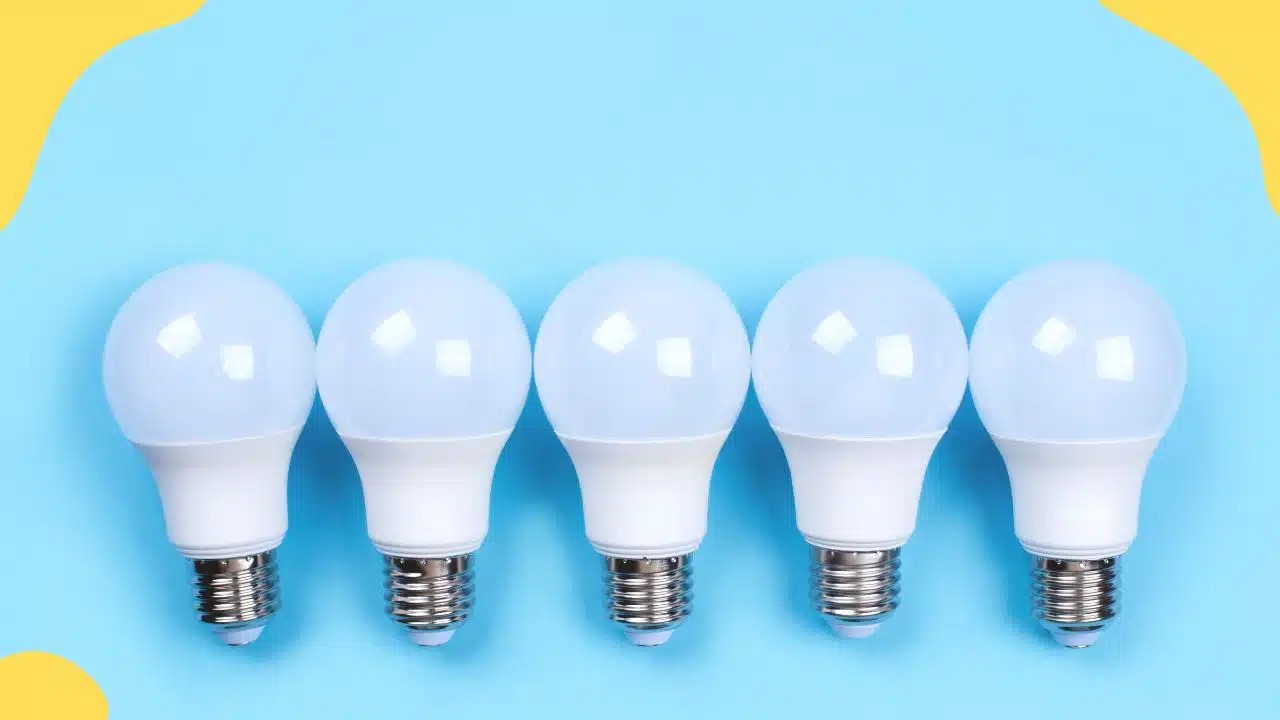
When it comes to emergency services, lighting can be the difference between a quick response and a tragic outcome.
This comprehensive guide will highlight the benefits and drawbacks of LED lights and traditional bulbs, ultimately helping you make an informed decision.
The Basics: LED Lights vs. Traditional Bulbs
LED, or Light Emitting Diode, is a modern marvel that lights up through a process known as electroluminescence. Compact and heat-efficient due to their lack of a filament, LEDs have found diverse applications, including emergency services.
Contrastingly, traditional incandescent bulbs, hailing from the era of Edison, create light via a heated tungsten filament. They’ve been steadfast illuminators for years, guiding emergency services with their reliable glow.
However, the winds of change are blowing, with LED emergency lights increasingly replacing traditional bulbs. This shift in emergency lighting didn’t happen overnight. As LED technology matured, its advantages became undeniable, especially in high-stakes environments like emergency services. Stay with us as we delve deeper into this transition and its significance.
Energy Efficiency and Longevity: LED Lights vs Traditional Bulbs
Let’s tackle energy efficiency. In the red corner, traditional bulbs are known as energy guzzlers. The lion’s share of their energy, about 90%, dissipates as heat, with only a measly 10% transforming into visible light.
On the flip side, the LED light bulb is on the conservative side. It uses only a fraction of the energy, converting most into light. These tenacious gladiators, including the LED light bulb, boast a lifespan stretching up to a staggering 50,000 hours.
With LEDs, you’re slashing energy costs and maintenance costs too. Less frequent replacements mean savings in time, effort, and resources. Imagine an emergency vehicle on call, only for its light to burn out. Unthinkable! That’s why LEDs are becoming the blue-ribbon choice for those seeking cost-efficient longevity in their lighting solutions.
Visibility and Brightness: A Key Factor for Emergency Services
Emerging into the arena now is the factor of visibility. It’s no secret that in emergencies, every split second counts. And visibility? It’s the torchbearer leading the charge.
Let’s put traditional bulbs under the microscope first. They undoubtedly provide decent illumination, yet they disperse light in all directions, leading to possible inefficiencies. Moreover, their color rendition – the accuracy of object colors under the light – can be skewed.
Now, shine the spotlight on LEDs. They’re the innovators that evolved the emergency lighting industry. Emitting light directionally allows LEDs to focus the illumination where needed most.
Durability and Maintenance: LED Lights vs Traditional Bulbs
When it comes to toughness, who would you bet on? A heavyweight boxer or a ballet dancer? LEDs are much like the former – robust, sturdy, and unfazed by a little rough and tumble. Remember, they don’t have delicate filaments prone to snapping under impact or vibration. So whether it’s a blaring siren speeding down a bumpy road or a chopper negotiating turbulent skies, LEDs take it all in stride.
And about maintenance? With their impressive lifespan, LEDs require less frequent replacements. This resilience translates to fewer disruptions and lower maintenance costs. Something emergency services, which cannot afford downtimes, appreciate.
Incandescent bulbs, in contrast, might be likened more to the ballet dancer – skilled yet delicate. A slight knock could spell the end of their performance. Their filaments are sensitive to shocks and vibrations, making them a less resilient contender in the unforgiving environments of emergency services.
Safety Considerations: LED Lights vs. Traditional Bulbs
We’re in safety now, and it’s a serious business, especially in emergency services. Let’s start with heat, or rather, the lack of it. LEDs are cold-hearted in the best possible way. They hardly produce any heat, minimizing the risk of injuries or fires. It starkly contrasts the touch-me-not nature of traditional bulbs that can cause nasty burns.
LEDs also score brownie points when it comes to handling. Ever accidentally dropped a bulb? The shatter, the mess, the potential risk of cuts – it’s a nightmare no one wants. Given their solid-state nature, LED lights are far more resistant to breakage.
In sum, when we weigh the safety scales, LEDs hold an edge, proving themselves to be reliable companions in the demanding emergency services field.
Making a choice: Which is Best for Your Emergency Service?
LED lights and traditional bulbs have their advantages and disadvantages. LEDs are energy-efficient, long-lasting, and provide bright illumination with better color rendering. However, they cost more initially and have limited dimming options. Traditional bulbs are cheaper upfront but less energy-efficient, have a shorter lifespan, and emit more heat with lower color rendering.
Consider several factors when selecting the right lighting option. Budget-wise, LEDs save money in the long run despite the higher upfront cost. Assess specific needs: LEDs offer brighter light and better color, crucial in emergencies, while traditional bulbs may suffice for essential lighting. Safety-wise, LEDs emit less heat and are less likely to shatter. Lastly, LEDs have a longer lifespan, reducing maintenance and replacement costs.
If budget permits, prioritize LEDs for your emergency service. However, if budget constraints are significant or minimal lighting needs exist, traditional bulbs can still be viable. Choose wisely to ensure the best lighting solution for your emergency service.