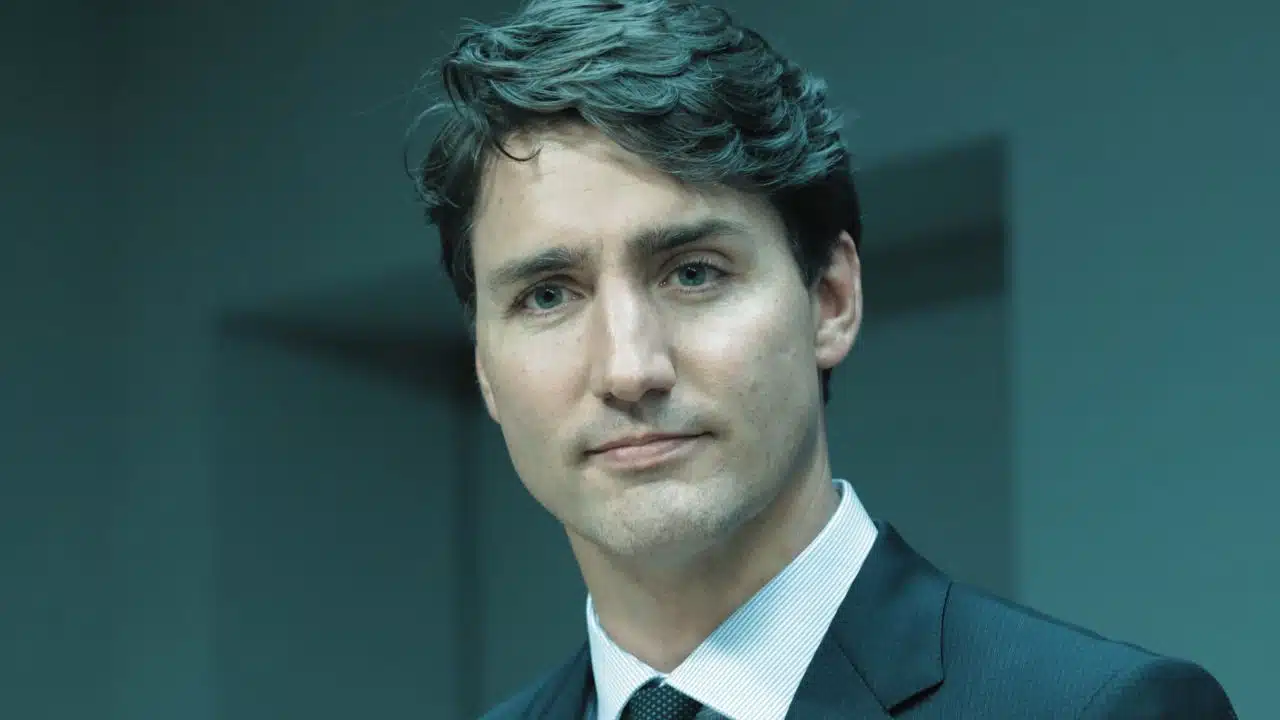
Canadian Prime Minister Justin Trudeau has announced his decision to step down as both the leader of the Liberal Party and Canada’s head of government. This surprising move comes amidst political turbulence, public dissatisfaction, and challenging economic conditions. While Trudeau will continue in his roles until the party selects a new leader, his resignation marks a pivotal moment in Canadian politics and raises numerous questions about the nation’s future direction. In this detailed analysis, we explore what led to Trudeau’s decision, the implications for his party, and how Canada’s political landscape might evolve in the coming months.
Trudeau’s Decision to Resign
Trudeau made the announcement from his residence in Ottawa, addressing reporters and the Canadian public. In his statement, he described his decision as an opportunity to “reset” the political environment, which has become increasingly contentious. “I truly feel that removing the contention around my own continued leadership is an opportunity to bring the temperature down,” he said, emphasizing his hope to restore stability and reduce division.
In conjunction with his announcement, Trudeau revealed that Parliament, originally scheduled to resume on January 27, would instead be suspended, or prorogued, until March 24. This suspension effectively delays critical debates and motions, giving the Liberal Party more time to organize its leadership transition.
The announcement comes after months of political gridlock and declining public approval for Trudeau’s government. A combination of poor pre-election polling numbers for the Liberals, economic concerns, and a divided Parliament created a challenging environment for Trudeau to govern effectively. Adding to the pressure, the incoming administration of Donald Trump in the United States has signaled plans to impose new tariffs on Canadian imports, further complicating Canada’s economic outlook.
When Will a New Prime Minister Be Chosen?
Unlike some other parliamentary democracies where party leaders can be replaced quickly through legislative votes, Canada’s process involves special leadership conventions. These conventions are extensive events that require months of planning and preparation, making the timeline for Trudeau’s replacement uncertain.
Leadership Selection Process
Trudeau confirmed that he has formally requested the Liberal Party to begin the process of electing a new leader. Liberal Party President Sachit Mehra stated that the party’s national board would meet this week to outline the steps for the leadership race. However, no concrete dates have been provided so far.
The Liberal Party’s history suggests that leadership races often take considerable time. For instance, when Trudeau won the party’s leadership in April 2013, the process lasted five months. Similarly, the leadership race in 2006 stretched over eight months. However, given the party’s precarious position in polls and the looming election deadline, political analysts believe the Liberals will aim for an expedited process.
Challenges in Choosing a New Leader
The Liberal Party’s decision-making will be heavily influenced by the urgent need to address its current electoral vulnerabilities. Polls indicate that the party’s popularity has dwindled significantly, with many Canadians expressing dissatisfaction with Trudeau’s leadership. Even with a new leader, the party faces an uphill battle in the next election. However, choosing a capable and unifying candidate could mitigate the scale of potential losses.
Key Contenders for Leadership
Several prominent figures within the Liberal Party are expected to vie for the leadership position. Potential candidates include:
- Francois-Philippe Champagne: The current Innovation Minister has gained recognition for his pragmatic approach to policy and international trade negotiations.
- Anita Anand: Serving as Transport Minister, Anand has built a reputation for her expertise in governance and policy implementation.
- Melanie Joly: As the Foreign Minister, Joly has played a significant role in shaping Canada’s diplomatic relations, making her a strong contender.
- Chrystia Freeland: The former Finance Minister, known for her economic acumen and leadership during trade negotiations, is considered one of the frontrunners.
Additionally, Mark Carney, the former governor of the Bank of Canada and the Bank of England, has been mentioned as a possible candidate. However, Carney’s candidacy would require him to secure a seat in Parliament before assuming leadership if elected.
When Will the Next Federal Election Take Place?
Under Canadian law, the next federal election must occur by October 2025. However, political developments could accelerate this timeline. Trudeau’s decision to prorogue Parliament until March 24 has delayed any immediate challenges to his government’s stability, such as no-confidence motions. Once Parliament resumes, the timeline for the next election will depend on several factors:
Key Scenarios That Could Trigger an Early Election
- No-Confidence Motions: Opposition parties, including the Conservatives and the New Democratic Party (NDP), have already indicated their intention to introduce no-confidence motions. If these motions succeed, they could force an election as early as May 2025. However, success would require all opposition members to vote together against the Liberals.
- Budget Rejection: The government’s annual budget, expected to be unveiled in April, represents another potential flashpoint. If the budget fails to pass, it would be considered a loss of confidence, leading to an election.
- Opposition Unity: The likelihood of an early election also depends on the ability of opposition parties to coordinate their efforts. While the Conservatives are currently leading in polls, the NDP’s stance and strategy could influence the outcome of parliamentary votes.
Scheduled Timeline for the Election
If the Liberal government survives these immediate challenges, the federal election will proceed as scheduled in October 2025. Parliament’s summer recess, set to begin in late June, further limits the window for opposition parties to push for an earlier election.
Can the Liberal Government Be Removed Before the Election?
Despite Trudeau’s resignation announcement, the Liberal government remains in power until it loses the confidence of the House of Commons. Here are the potential scenarios:
- Confidence Votes on Legislation: Key votes, such as those on spending measures or the annual budget, could determine the government’s fate. If opposition parties successfully defeat the government on these votes, an election would follow.
- Governor General’s Role: While Governor General Mary Simon holds the constitutional authority to dismiss the prime minister, such a move is highly unlikely unless the government unequivocally loses parliamentary confidence. Constitutional expert Philippe Lagassé emphasized that the governor general would not dismiss a prime minister who retains the confidence of the Commons.
Implications for Canada’s Political Landscape
Trudeau’s resignation marks a turning point for Canadian politics. The Liberal Party faces a challenging road ahead, with declining public support and strong opposition from the Conservatives. Economic uncertainty, including the potential impact of U.S. trade policies, adds another layer of complexity.
The leadership transition within the Liberal Party will play a crucial role in shaping Canada’s political future. While the Liberals face significant hurdles, their choice of a new leader could influence public sentiment and determine the extent of their losses in the next election. At the same time, opposition parties are likely to intensify their efforts to capitalize on the Liberals’ weakened position.
As Justin Trudeau prepares to step down, Canada enters a period of political flux. The coming months will see a leadership race within the Liberal Party, potential parliamentary battles, and preparations for the next federal election. Amid these developments, the nation will watch closely to see how Trudeau’s resignation reshapes Canada’s political landscape and what it means for the future of governance in the country.