There is a quiet shift happening in the way older Americans think about where and how they want to live. For decades, the conversation around later life housing carried a certain stigma, as if moving into a community meant giving something up.
That assumption is fading fast. Today, many older adults are actively choosing independent living communities long before they feel pressured to make a change. They are approaching the decision the same way people approach any lifestyle upgrade, by weighing convenience, financial clarity, and the freedom to enjoy daily life without the constant maintenance of a traditional home.
Freedom From The Hidden Work Of Homeownership
Owning a house can feel like a symbol of independence, but it also comes with a never ending list of responsibilities. Lawns need mowing, roofs eventually need repairs, appliances fail at inconvenient moments, and property taxes never seem to move in a favorable direction. Even homeowners who love their houses often admit that the constant upkeep can quietly drain time and energy.
This is where independent living communities begin to look appealing. Residents maintain private apartments or cottages while leaving the logistics to professional staff. Maintenance requests are handled quickly, landscaping is taken care of, and common areas are managed without residents needing to lift a finger. People who once spent weekends dealing with home repairs often find themselves reclaiming those hours for hobbies, social activities, or travel.
When evaluating these options, seniors often research questions to ask senior living communities before making a move. They want to understand what services are included, how the community handles maintenance, and what day to day life actually feels like for residents.
Social Life That Happens Naturally
Loneliness has become one of the most discussed issues facing older adults in the United States. Large suburban homes that once held busy families can feel surprisingly quiet once children move away and daily routines change. Independent living communities address that reality in a very practical way.
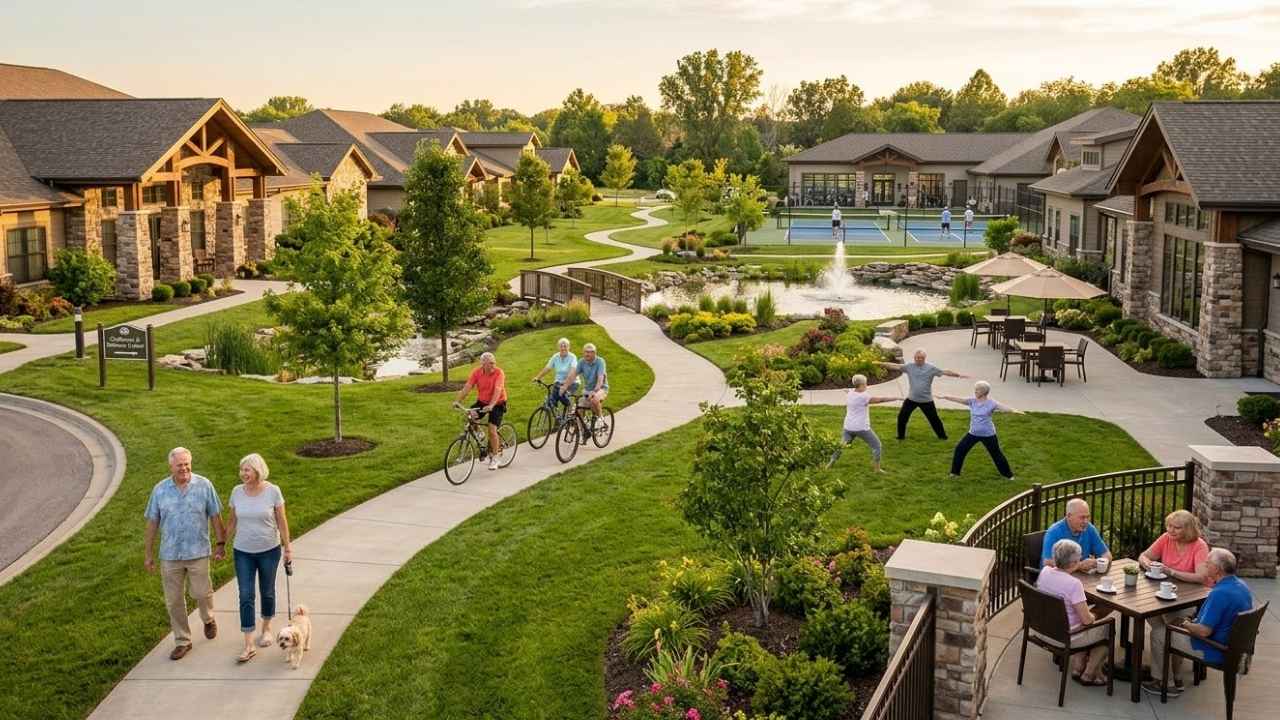
The design of these communities encourages connection without forcing it. Shared dining rooms, walking paths, activity rooms, and clubs make it easy for residents to interact whenever they feel like it. Some people join book groups or fitness classes. Others simply enjoy casual conversations over coffee in common spaces.
The result is a lifestyle that often feels more active than the one people had while living alone in a large house. Instead of planning social events weeks in advance, interaction happens organically throughout the day.
Financial Planning Becomes Clearer
Another factor pushing more seniors toward independent living is the growing complexity of retirement finances. Housing costs, healthcare expenses, and inflation have made budgeting more challenging than it once was.
Independent living communities simplify many of those calculations by bundling services into predictable monthly costs. Utilities, maintenance, dining options, and recreational programming are often included in a single payment. That structure makes it easier for retirees to evaluate long term affordability.
Financial advisors increasingly talk with clients about housing decisions as part of a broader retirement portfolio strategy. Selling a long held home can unlock equity that supports a more flexible lifestyle, particularly for people who want to travel or reduce the stress associated with managing property in retirement.
Design That Supports Active Aging
Modern independent living communities rarely resemble the outdated stereotypes people sometimes imagine. Developers have invested heavily in architecture and amenities that resemble high end residential complexes rather than traditional senior housing.
Fitness centers, walking trails, yoga studios, libraries, and landscaped courtyards are common features. Many communities also offer cultural programming such as lectures, concerts, and art workshops that appeal to residents who remain intellectually curious and socially engaged.
Location also plays a major role. Many newer communities are built near urban centers, restaurants, and entertainment districts. That proximity allows residents to maintain the routines they already enjoy while gaining the convenience of organized transportation options.
A Lifestyle Choice Rather Than A Last Resort
Perhaps the biggest shift in recent years is psychological. Moving into a senior living community is no longer framed as something that happens after a crisis or a medical event. Instead, it is increasingly viewed as a proactive lifestyle decision.
Older adults who make the move earlier often report smoother transitions because they arrive while they are still fully engaged in shaping their daily lives. They choose their apartments, participate in planning activities, and build friendships naturally rather than entering a community during a stressful period.
Family members frequently notice the difference as well. Instead of worrying about whether a parent is isolated or struggling with home maintenance, they see them living in an environment designed to support independence.
A New Chapter With Fewer Complications
The appeal of independent living communities comes down to something simple. Many older adults want to spend their time enjoying life rather than managing a house that has slowly become more work than joy. When maintenance disappears, social opportunities multiply, and finances become easier to predict, the decision begins to make sense. For a growing number of retirees, independent living is not a compromise. It is the next logical step toward a more relaxed and connected chapter of life.