

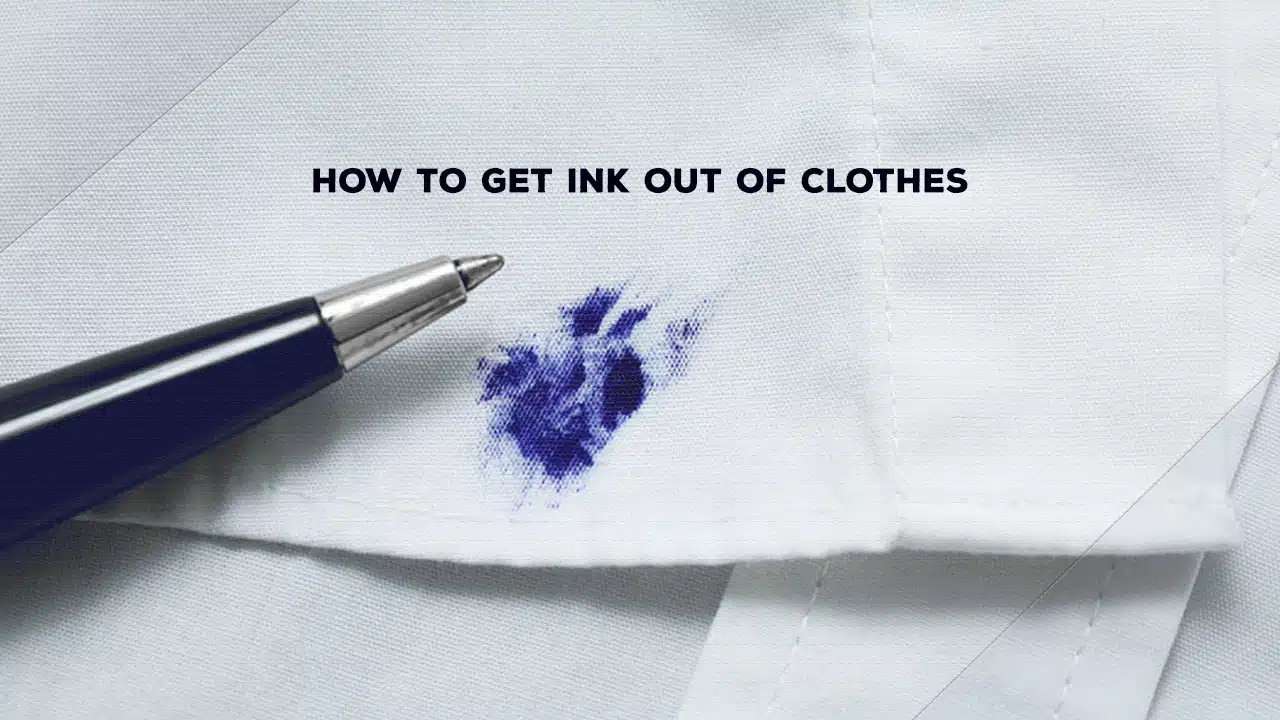
Ink stains on clothes can be an exasperating ordeal, often leaving a lasting mark if not treated promptly and properly.
Whether it’s from a pen left in a pocket, a sudden leak, or an artistic mishap, these stains can mar your favorite garments. Understanding the type of ink and fabric you’re dealing with is crucial for effective removal.
Different inks and fabrics require different approaches, and using the wrong method can sometimes worsen the stain. This guide provides a detailed approach to tackling ink stains on various types of clothing.
From the sturdy denim to delicate silk, these methods are designed to help you reclaim your clothes from those pesky ink blots.
Understanding Ink Stains: Water-Based vs. Oil-Based
Ink stains can be broadly categorized into water-based and oil-based types. Water-based inks, often found in gel pens and washable markers, are easier to remove due to their solubility in water.
On the other hand, oil-based inks, commonly found in ballpoint pens, are thicker, greasy, and hydrophobic, meaning they repel water, making them more challenging to clean.
Identifying the type of ink is the first step towards effective removal. Water-based inks can often be tackled with simple home remedies, while oil-based inks may require more intensive treatment.
Knowing the ink type helps in selecting the right method and avoiding damage to the fabric.
General Steps for Ink Stain Removal
When dealing with ink stains, a systematic approach can significantly improve your chances of success. Start by blotting the excess ink with a clean cloth or paper towel, being careful not to spread the stain further.
For dried stains, dilute them with rubbing alcohol, ensuring to test it on a hidden part of the fabric first. Blot the stain gently with a cloth soaked in alcohol.
Rinse the garment with cool water and then launder it using a cold or room-temperature cycle. Before drying, inspect the stain to ensure it has been completely removed. Repeat the process if necessary, and always air-dry the garment to avoid setting any remaining ink.
Removing Ink Stains from Specific Fabrics
Cotton
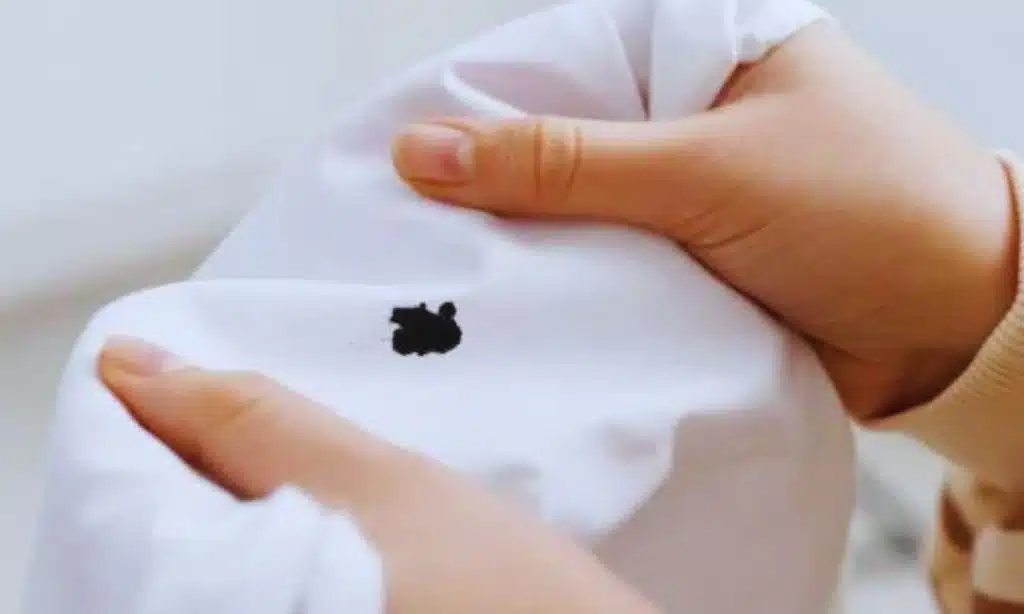
Cotton, a common and durable fabric, can be prone to ink stains that are quite visible. To remove ink from cotton garments like shirts and pants, start by lightly spritzing the stained area with hairspray to loosen the ink.
Next, soak the garment in a solution of 1/2 teaspoon dishwashing detergent, 1 tablespoon white vinegar, and 1 quart warm water for about 30 minutes. Rinse the fabric with cool water and allow it to air-dry.
If the stain persists, dab the area with rubbing alcohol, rinse again, and let it dry completely. Always test any solution on a hidden area first to check for colorfastness and fabric reaction.
Denim
Denim, known for its robust nature, can still suffer from stubborn ink stains. To remove ink from denim jackets and jeans, start by blotting the stain with a paper towel or cloth to remove as much ink as possible.
Place paper towels or a clean cloth under the stain and apply rubbing alcohol. Gently scrub the area with a cotton swab or toothbrush.
Rinse the stain with cold water and wash the denim on a cold cycle in your washing machine. If needed, you can also use commercial stain removers.
Let the jeans air-dry to prevent setting any remaining stain. This method helps preserve the denim’s color and texture.
Canvas or Linen
Canvas and linen are sturdy fabrics that require careful handling when stained with ink. First, test rubbing alcohol on an inconspicuous area to ensure it doesn’t damage the fabric.
Stretch the stained area over a jar and drip rubbing alcohol through the stain. The alcohol will carry the ink through the fabric and into the jar.
After the stain has been treated, rinse thoroughly with water and line-dry the garment. Always check that the stain is fully removed before laundering as per the fabric-care instructions. This method is particularly effective for large, stubborn stains that have set into the fabric.
Wool
Wool is a delicate fabric, and ink stains can be particularly tricky. For wool items, start by blotting the stain with paper towels. Try blotting with cold water to see if the stain lifts.
If the stain remains, spray the area with hairspray and continue blotting until the ink lifts. Finally, blot the area with warm water to remove any remaining ink and hairspray.
For stubborn stains, you can dip a soft-bristle toothbrush in a 50-50 solution of water and white vinegar, gently scrubbing the stain before rinsing with cold water and blotting dry. This approach helps maintain the wool’s integrity while removing the stain.
Leather
Leather is a luxurious but delicate material that requires specific care for stain removal. To remove ink from leather clothing, use a cleaning product specifically designed for leather.
Apply the cleaner with a clean cloth as soon as possible, ideally within the first six hours after the stain occurs. Follow the manufacturer’s instructions carefully to avoid damaging the leather.
Leather cleaners are formulated to lift stains without harming the material, ensuring your leather items remain in top condition. For persistent stains, professional cleaning might be necessary to restore the leather’s original look and feel.
Advanced Techniques for Stubborn Ink Stains
When it comes to tough ink stains that resist regular treatment, consider these advanced techniques:
Using Acetone
Acetone, commonly found in nail polish removers, can effectively break down set-in ink stains on sturdy fabrics. Apply acetone to the stained area and blot with a microfiber cloth.
Rinse thoroughly and repeat if necessary. Acetone can damage delicate fabrics and dull colors, so always perform a patch test before full application.
This method is particularly effective on thick, oil-based ink stains that have set into fabrics like denim or heavy cotton. Use it sparingly and carefully to avoid any potential damage to your clothing.
Resorting to Ammonia
Ammonia is a potent cleaning agent that can lift aged ink stains. Mix one tablespoon of ammonia with half a cup of water and apply it to the stain.
Blot with a clean cloth until the stain lightens, then rinse with cold water. Ammonia has strong vapors, so use it in a well-ventilated area and wear gloves to protect your hands.
This method is ideal for tough stains on durable fabrics but should be used with caution due to the strong chemical nature of ammonia. Always ensure proper ventilation and protective measures when using ammonia.
Homemade Vinegar and Cornstarch Paste
A homemade paste of vinegar and cornstarch can be highly effective for old ink spots. Mix one tablespoon of vinegar with two tablespoons of cornstarch to form a paste. Apply this mixture to the stain, let it dry completely, and then brush it off. This method works well on old ink stains and is safe for most fabrics. It is a gentle yet effective solution that can be used on a variety of materials without causing damage. This paste helps to lift the ink out of the fabric fibers, making it easier to wash away.
Prevention: Tips to Avoid Ink Stains on Clothes
Preventing ink stains is always better than dealing with them:
- Store Pens Safely: Keep pens with caps securely on and avoid placing them in pockets.
- Use Washable Ink: Opt for pens with washable ink whenever possible.
- Handle Ink Carefully: Be cautious when handling ink, especially near fabrics.
- Immediate Action: Treat ink stains as soon as they occur to prevent them from setting.
By following these preventative measures, you can significantly reduce the chances of ink stains on your clothes. Keeping pens capped and stored properly, using washable inks, and being cautious with ink handling can go a long way.
Additionally, addressing stains immediately as they occur can prevent them from setting and becoming more difficult to remove.
These simple steps can help maintain your clothing in pristine condition, free from unwanted ink marks.
Professional Cleaning: When to Seek Help
Sometimes, professional cleaning is necessary:
- Stubborn Stains: When home remedies fail, professional cleaners can handle set-in stains.
- Delicate Fabrics: Delicate materials like silk and cashmere are best treated by professionals.
- Vintage or Antique Clothing: Professional care is crucial for valuable or antique garments.
- Large Volume: Professional cleaners can manage multiple stained items efficiently.
Professional cleaners have access to industrial-grade cleaning agents and equipment that can effectively tackle tough ink stains.
They also have the expertise to handle delicate and valuable fabrics without causing damage. If your initial attempts at removing a stain are unsuccessful, or if the fabric is particularly delicate or valuable, it is worth seeking professional help.
This ensures the best possible care for your garments and increases the likelihood of completely removing the stain.
Takeaways
Ink stains can be a challenge, but with the right techniques and timely action, they can be effectively removed.
From basic household remedies to advanced treatments and professional cleaning, there’s a solution for every ink stain.
By understanding the type of ink and fabric, and following these comprehensive steps, you can restore your clothes to their original state and prevent future stains.
Whether you’re dealing with a fresh spill or an old, set-in stain, these methods provide a thorough approach to keeping your wardrobe in top condition.





























