Rayon fabric has become increasingly popular in recent years for clothing and home furnishings. But what exactly is rayon?
How do you care for items made from this unique fabric? Here is a comprehensive guide to rayon characteristics and proper washing methods.
What is Rayon Fabric?
Rayon is a semi-synthetic fiber made from natural cellulose. Most rayon is produced from purified wood pulp that goes through extensive chemical processing. The cellulose is treated with harsh solvents to produce long fibers suitable for spinning into yarn.
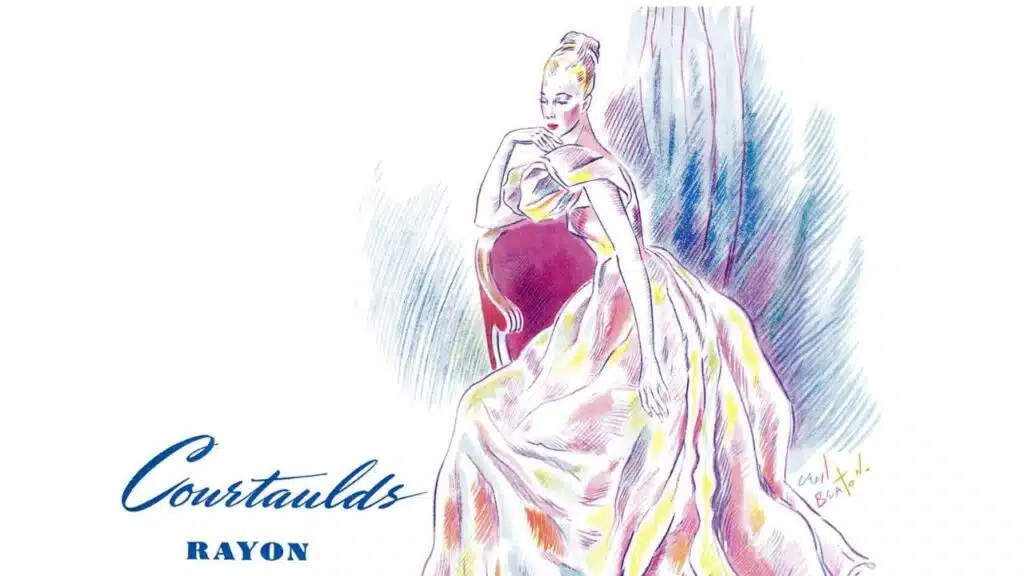
While not 100% natural, rayon is not entirely synthetic either. Its raw material comes from plant cellulose. This places rayon in a category known as “artificial natural fibers.” The fabric was first developed as a cheaper silk substitute.
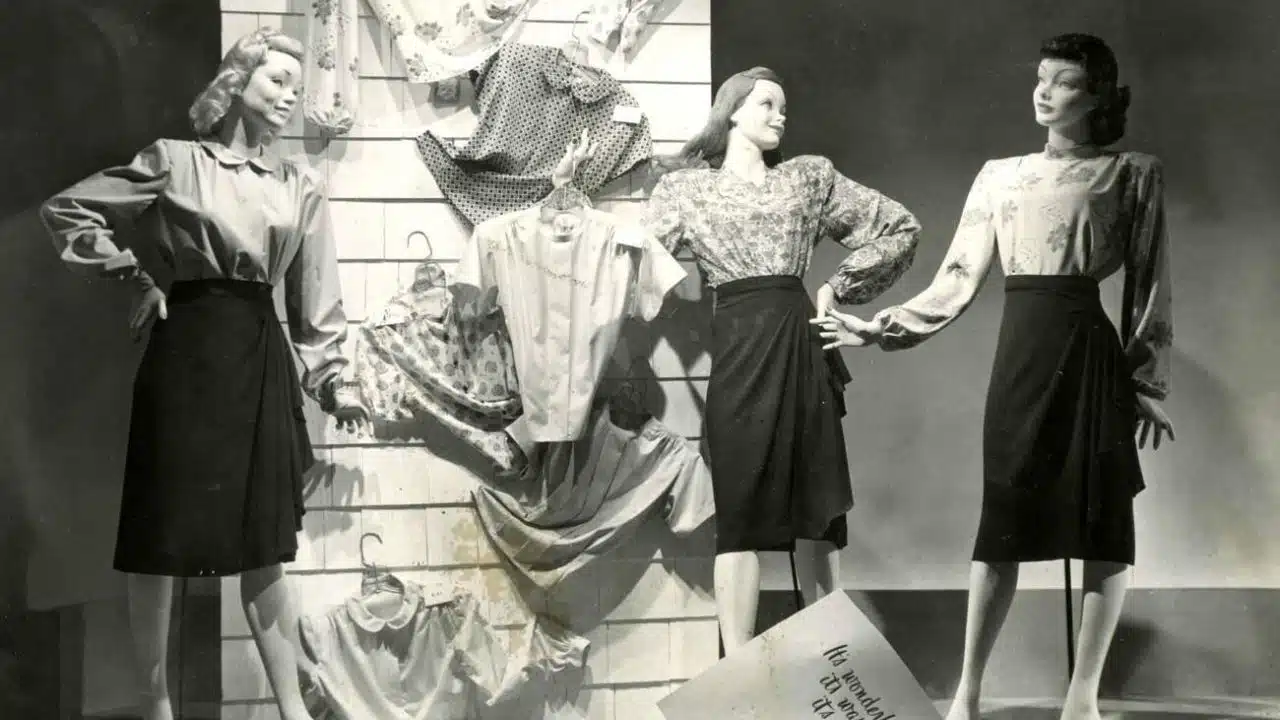
Over time, rayon became popular in its own right, going beyond just imitation silk. Its ability to mimic the feel and drape of natural fabrics created endless possibilities for clothing and fabrics. Production methods were also improved to make rayon more durable and affordable.
Today, it blends well with cotton, wool, silk and other natural fibers. Specialty names are also used in marketing, such as viscose, lyocell and modal. But all types fall under the umbrella term “rayon.” Their shared production of cellulose classifies them together.
Key Characteristics and Properties of Rayon Fabric
Comfort
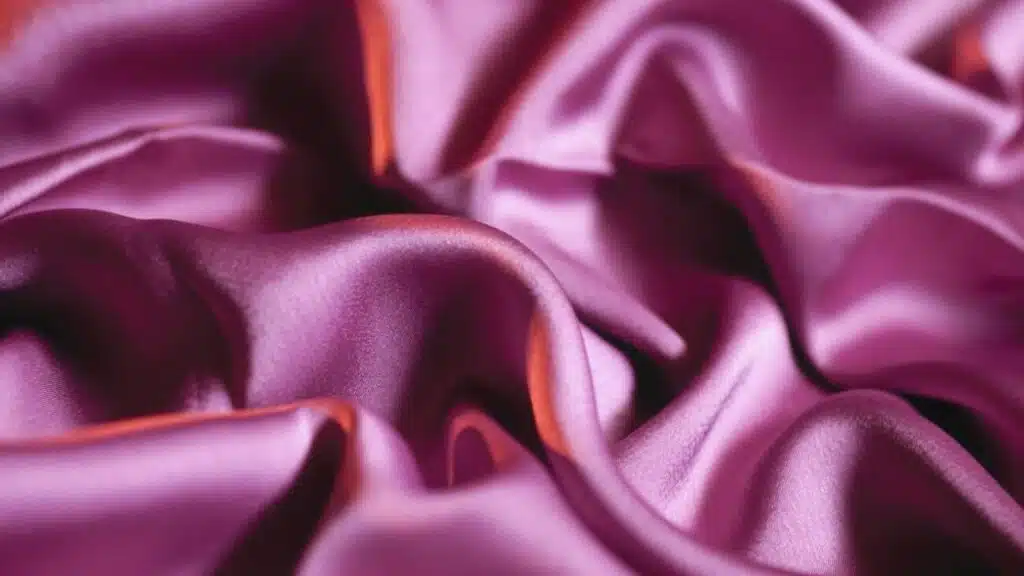
Rayon has an excellent drape and a soft, flowing feel similar to silk when woven into fabric. It is also breathable and absorbs moisture efficiently. Many find viscose and modal rayon blends the most comfortable option for clothing that needs to be light and airy.
Durability
The durability of rayon depends heavily on the type used. Higher-quality varieties, such as lyocell, tend to be quite strong and long-lasting. Lower-quality rayon made using outdated production methods is weaker and tears more easily. Blending with sturdier fibers improves lifespan.
Affordability
Rayon is relatively inexpensive to produce. It ultimately takes far less raw material for mills to generate than it would to make natural silk. Much of that savings transfers over to rayon clothing, which costs markedly less than pure silk items.
Drape and Appearance
Fine rayon varieties nicely emulate the lightweight drape and beautiful sheen of more premium textiles like silk. In certain weaves, the fabric offers attractive color refraction, much like its natural counterpart. Blending rayon with materials like wool introduces new textural dimensions too.
Wrinkle Resistance
Low to moderate. Rayon wrinkles fairly easily, much like linen and cotton. But certain types, like lyocell and modal, hold their form better. And just like natural fibers, a resilient iron helps smooth out creases after washing.
Eco-Friendliness
The production process used to create rayon must be taken into account in terms of environmental impact. Lyocell processing uses safer solvents, while low-quality rayon depends on toxic carbon disulfide in manufacturing. So results do vary.
Common Uses for Rayon Fabric in Fashion and Home Décor
| Clothing | Fabrics | Furnishings |
|---|---|---|
| Blouses and Tops | Challis | Upholstery |
| Undergarments | Velvet | Bedspreads |
| Lingerie | Poplin | Pillow Covers |
| Pants | Broadcloth | Tablecloths |
| Skirts | Muslin | Blankets and throws |
| Dresses | Denim | Curtains and drapes |
| Scarves | Jacquard | Cushion Covers |
| Handkerchiefs | Flannel |
As you can see, rayon works wonderfully as an accent fabric. It also blends seamlessly with other materials. Clothing makers often turn to rayon when they want a bit of shimmer or a luxury feel without the cost of true silk. Home furnishings also frequently include rayon to introduce cozy softness, breathability and moisture wicking.
How to Wash Rayon Fabric: Hand Washing and Machine Washing Tips
Caring properly for rayon comes down to washing delicately, drying quickly and ironing with medium heat. Always check garment and upholstery labels first, since rayon blends vary. But, in general, these methods help rayon maintain its integrity.
1. Treat any Stains Gently
Apply a small amount of mild detergent, vinegar or laundry pre-soak directly to the stains. Allow it to set in for a few minutes before washing. Avoid aggressively scrubbing or soaking the entire item prior to washing, which risks damage.
2. Use a Delicate Cycle with Cold Water
Set your washing machine to use the gentle “Delicates” cycle, and wash with cold water exclusively. Hot water can distort viscose and modal rayon permanently. Add a couple tablespoons of gentle detergent suitable for delicates into the wash basin along with the rayon items.
3. Skip the Fabric Softener and Bleach
Fabric softeners and bleach can coat the fibers with chemicals that reduce rayon softness, breathability and sheen over time. It’s best to leave them out completely. The delicate washing machine cycle sufficiently protects rayon on its own.
4. Dry Rayon Quickly and Avoid Heat
As soon as the wash cycle finishes, promptly remove rayon items. Shake them out gently and smoothly to their original shape on a flat surface if possible. Hang items or lay them flat immediately to dry so moisture doesn’t accumulate in one area. If machine drying, use an air cycle rather than applying additional heat, which can damage fibers.
5. Lightly Iron While Still Slightly Damp
If significant wrinkles are still present after air drying, use an iron on medium heat. Place a cloth between the iron and rayon as an extra precaution, or use the steam function on an ironing machine. This offers a bit of moisture to relax the fibers. Avoid applying harsh direct heat at all times, or else you risk scorching.
Rayon vs Cotton Comparison
Rayon and cotton make an interesting comparison. They share some similarities when woven into fabric but also have pronounced differences:
| Category | Rayon | Cotton |
|---|---|---|
| Production Source | Wood pulp | Cotton plant |
| Texture | Soft, silky | Lightweight, breathable |
| Durability | Variable | Highly durable |
| Affordability | Affordable | Budget-friendly |
| Drape | Flowing | More structure |
| Wrinkle Tendency | Wrinkles easily | Wrinkles easily |
| Eco-impact | Production dependent | Renewable resource |
While rayon wrinkles easily, much like cotton, its appearance depends far more on ironing with steam. The fabric can lose its beautiful drape permanently if dried improperly after washing. So extra care must be taken to prevent heat damage.
Cotton withstands heat and abrasion much better thanks to its thicker cellulose fiber composition. It also washes easily with bleach as needed. So cotton excels when durability and relaxed care are musts.
Rayon Fabric has Both Good and Bad Qualities
The Good:
- Rayon is a versatile fabric and has a soft, silk-like feel when made into clothing. It drapes well and flows nicely.
- Rayon fabrics tend to be breathable, absorbent, and comfortable, especially when blended with natural fibers like cotton.
- Rayon is relatively affordable and costs less than genuine silk while mimicking some of silk’s qualities.
- Some types of rayon, such as lyocell or modal, are strong, durable and resistant to wrinkles. Others emulate the texture of fabrics like linen.
- Rayon is a more environmentally friendly synthetic fabric in certain production methods, like lyocell processing. It uses renewable raw materials like wood and bamboo pulp.
The Bad:
- Lower-quality rayon can feel overly synthetic and lack the breathability of natural fabrics. Cheaper varieties may also shrink or lose shape.
- Rayon wrinkles easily compared to many synthetics. Even high-quality versions can often use some ironing.
- Some production techniques pose dangerous environmental impacts, depending on the chemicals and solvents used to generate fibers.
So in summary, better-quality rayon with a high natural fiber content offers many virtues found in natural fabrics. But cheaper varieties tend to show rayon’s weaknesses as a semi-synthetic imitation. Consumers should check for things like lyocell content to ensure satisfactory comfort, feel and durability in rayon clothing.
Conclusion
Rayon occupies a unique place in the world of textiles. Despite requiring extensive processing, its roots derive from purified plant cellulose. This natural beginning helps it mimic desirable properties found in premium natural fabrics like silk.
Modern manufacturing techniques also better control the resulting feel and durability. When properly cared for using cold, delicate washes, air drying and medium irons, rayon items should last for many years. So rayon stands as an intriguing semi-synthetic fabric that blurs the line between natural and man-made clothing.
Frequently Asked Questions (FAQs) about Rayon Fabric
What are the different types of rayon?
The four main varieties of rayon fabric are viscose, the most widely used type; modal, known for exceptional softness; lyocell, a durable, eco-friendly variety; and cuprammonium rayon, a silk-like rayon known for brilliant color depth.
Is rayon stronger than cotton?
Generally, no; cotton is the stronger and more durable fabric. But high-quality rayon, like lyocell, approaches cotton-like durability through advanced manufacturing. And rayon proves to be softer while still being reasonably sturdy.
Does rayon shrink when washed?
Yes, rayon often shrinks when machine washed in hot water and machine dried on high heat. That’s why it’s vital to wash delicately in the cold, lay flat or hang to dry. Medium ironing while still slightly damp also helps maintain the original size and shape.
Why does rayon wrinkle so easily?
Rayon’s base structure lacks cotton’s stronger hydrogen bonding between cellulose chains. So rayon fibers easily slip past one another under stress and remain wrinkled until steamed and pressed at the molecular level.
Is rayon environmentally friendly?
It depends on the production method. Lyocell processing uses safer solvent recovery techniques, minimizing air and water pollution. But poorer-quality rayon depends on toxic carbon disulfide during manufacturing, which poses environmental risks if mishandled.