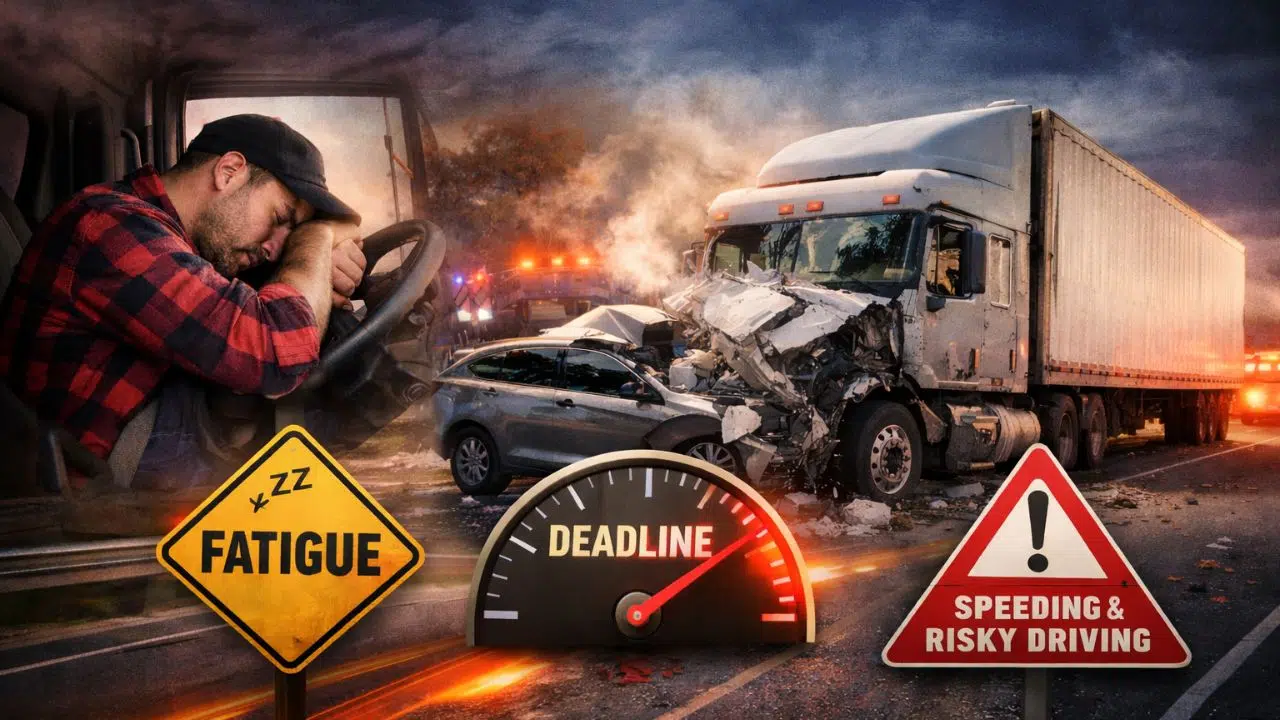
Toledo is a vital industrial crossroads, where the intersection of I-75 and I-80 creates a high-volume commercial freight corridor through the Great Lakes region. While the Glass City’s position as a logistics hub drives the local economy, it also floods our highways with massive tractor-trailers operating under intense corporate pressure. For residents sharing the road with these rigs, the risk of a collision is often dictated by invisible clocks set in distant dispatch offices. Understanding how delivery schedules contribute to truck accidents is essential for anyone seeking accountability after a devastating wreck.
When corporate quotas prioritize rapid transit over public safety, drivers are frequently pushed to bypass rest breaks or ignore mechanical red flags. Experts at Groth Law provide the sophisticated oversight needed to investigate these logistical failures and preserve critical evidence of driver fatigue. By deconstructing the unrealistic timelines that lead to negligence, you can secure a recovery that reflects the true impact of your injuries.
Importance of Delivery Timelines
Delivery deadlines have always been stringent throughout the transport industry. The need to deliver cargo on time forces drivers to remain on the road for many hours. The expectations that come with this can push drivers to the edge, leading to mistakes and accidents. Schedules are a fact of life in the business world, yet they may prioritize speed over safety.
Fatigue from Extended Hours
Most drivers stay on the road for hours on end to meet narrow delivery windows. Driving for extended hours can induce chronic fatigue, which can directly affect vigilance and response times. That’s probably not surprising — fatigued drivers may have slower reactions or even doze off while driving on highways, a well-known factor in accidents. Both companies and drivers need to factor in these risks when planning their routes and estimating time frames.
Risky Driving Behaviors
The pressure to arrive on time often prompts drivers to take risks. Some may drive over the speed limit or bypass traffic laws to arrive on time. Aggressive driving, which can lead to dangerous behavior, is more common when drivers are trying to make up time on the road. All of these behaviors lead to a collision.
Impact on Vehicle Maintenance
Busy schedules often allow little time for routine vehicle inspections. It is possible to postpone maintenance just so deliveries are not delayed. Regular checks can help identify immediate issues, such as faulty brakes, tire blowouts, and other problems. Without these checks, mechanical failures can be a common reason for accidents. In the end, it is simply irresponsible to prioritize deliveries over maintenance; everyone out on the road with these delivery vehicles is now a target.
Weather and Road Conditions
When driving in adverse weather or poor road conditions, you may need to adjust your speed and caution. But many non-flexible scheduling systems or navigators like GPS do not consider these variables. You might feel much more inclined to keep going at the same speed, no matter raindrops, fog, or construction. This can lead to loss of control of the car and cause a crash.
Pressure from Management
When supervisors and dispatchers prioritize speed over safety, they can inadvertently promote dangerous habits. If drivers are afraid of being disciplined or cannot pay the bills, they may take shortcuts that sacrifice safety. By talking openly with drivers and keeping the time frame as long as possible, this pressure can be alleviated and reckless driving discouraged.
Driver Health and Well-being
Experience overwork and pressure-filled days that take a physical and mental toll. Each one affects performance: anxiety, fatigue, or chronic stress. Sound minds with consideration for decision-making, less chance of falling, and no negligence. Periodical breaks will help, and promoting health initiatives will make a big change.
Regulatory Measures and Compliance
Both drivers and others on the road are protected by regulations. To mitigate the risks posed by fatigue, regulations on maximum driving hours and mandatory rest periods have been introduced to reduce fatigue-related hazards. Following these guidelines is important to ensure safe operation and to promote responsible road operation.
Finding the Right Balance
This provides a more balanced approach by accounting for the efficiency of returns and the safety of the underlying asset. Getting packages delivered on time is crucial, but safety cannot be sacrificed. Flexible hours, strategic route planning, and management practices that alleviate the pressure of delivery expectations might help limit accidents. Safety is a benefit that drivers, companies, and everyone on the road can get behind.
Conclusion
Driver behavior, driver safety, and accident risk are all greatly affected by delivery schedules. By understanding how they impact us, we can plan better and keep everyone safer. With more realistic timetables and a better focus on driver health, transportation can be safer for everyone.