Most tourists in Puerto Rico stick to the same old spots and miss the island’s real heart. Puerto Rico’s culture blends indigenous Taíno, Spanish, and African influences into traditions that locals treasure.
This guide reveals ten hidden Puerto Rican traditions that most travelers never experience, from secret midnight celebrations to ancient mask-making crafts. Get ready to discover the real Puerto Rico.
Key Takeaways
- Parrandas are midnight Christmas celebrations where groups surprise sleeping families with music and require hosts to provide food and drinks.
- The Night of San Juan happens June 23 when Puerto Ricans walk backward into the sea three times to wash away bad luck.
- Vejigantes masks blend Spanish, African, and Taíno influences and feature in colorful carnival celebrations in Ponce and Loíza towns.
- Bomba dancing reflects African heritage through rhythm-driven performances with live drumming and call-and-response singing in community gatherings.
- Traditional pilón mortars are hand-carved from local hardwood by master craftsmen using techniques passed down through family generations.
What are Parrandas and how are they celebrated in Puerto Rico?
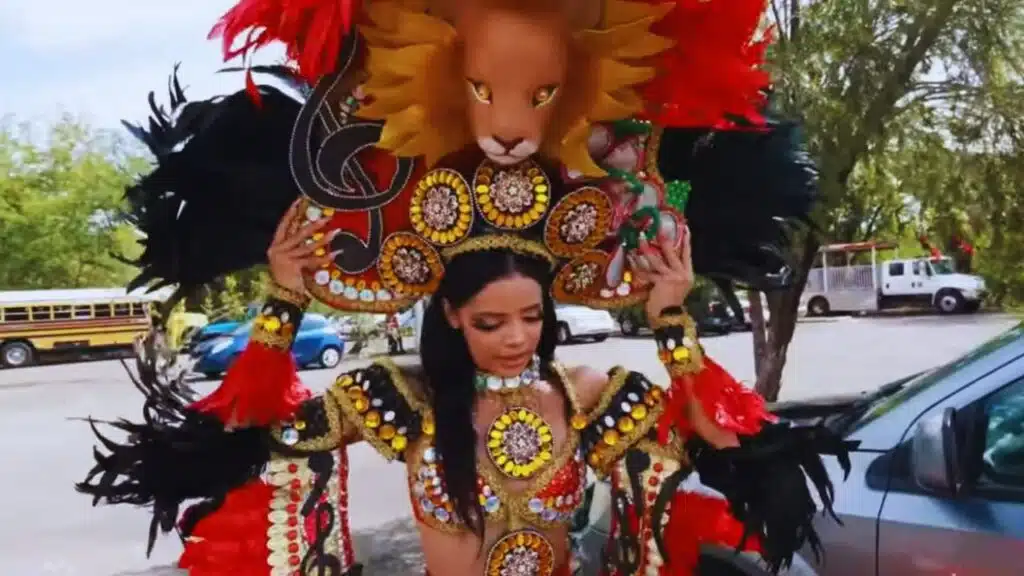
Parrandas bring Puerto Rican families together during the Christmas season like nothing else can. Groups of friends and relatives gather late at night, armed with guitars, maracas, and other instruments.
They surprise sleeping households with traditional songs and festive music. The sleepy homeowners must wake up, invite everyone inside, and offer food and drinks. Coquito, the beloved rum and coconut cocktail, flows freely as the celebration continues.
This tradition showcases the deep hospitality that defines puerto rican culture.
These musical adventures can last all night long, moving from house to house across neighborhoods. Puerto rican music genres like bomba and plena fill the air as the group grows larger at each stop.
The people of puerto rico treat parrandas as sacred community events that strengthen family bonds. Children learn traditional songs while adults share stories and laughter. Music in puerto rico serves as the heartbeat of these gatherings, connecting generations through shared melodies.
Each parranda creates memories that last a lifetime, proving that puerto rican traditions remain alive and vibrant throughout la isla del encanto.
What is the Night of San Juan and why is it celebrated on the beach?
The Night of San Juan brings Puerto Ricans to beaches across the island every June 23. This magical celebration honors San Juan Bautista’s birth with ancient rituals that blend faith and folklore.
Families gather on sandy shores as darkness falls, carrying hopes and dreams to the water’s edge. The tradition calls for people to walk backward into the sea three times, washing away bad luck and evil spirits.
Bonfires crackle along the coastline while voices rise in song, creating a symphony of puerto rican culture that echoes across the waves. Local communities from San Juan to smaller coastal towns participate in this spiritual cleansing, making it one of puerto rico’s most cherished traditions.
Coastal celebrations transform beaches into sacred spaces where boricuas connect with their spiritual roots. The backward walk into ocean waters serves as protection against mal de ojo and other negative forces that might harm families throughout the year.
Children splash alongside grandparents, learning puerto rican folklore through direct participation rather than stories alone. Singing fills the tropical air as communities share traditional puerto rican folk music passed down through generations.
This beach-centered ritual reflects the island’s deep connection to nature and the sea that surrounds it. Fire and water unite in a powerful display of faith that tourists rarely witness, as most visitors miss this intimate gathering of puerto rican traditions that happens after sunset on this special night.
The Art and Spirit of Puerto Rican Vejigantes Mask Festivals
Vejigantes masks bring devils to life during Puerto Rico’s most colorful carnival celebrations, where artisans craft these vibrant horned faces from coconut shells and papier-mâché to chase away evil spirits through the streets of Ponce and Loíza.
What is the history behind Puerto Rican Vejigantes masks?
Vejigantes masks carry centuries of Puerto Rican history in their colorful faces. Spanish colonizers brought these traditions to the island, mixing with African and Taíno influences to create something special.
The masks started as part of religious festivals, where people dressed as devils to scare away evil spirits. Over time, these characters became part of puerto rican folklore and local celebrations.
African slaves added their own mask-making skills to the tradition. Taíno people contributed natural materials and spiritual meanings. This blend created the vejigantes we see today in puerto rico.
The masks represent both good and evil forces, teaching lessons through stories passed down through families. Each region of the island developed its own style, making every vejigante mask different from the next.
How are Vejigantes masks made and used in festivals?
Local artisans create these colorful masks using traditional techniques passed down through generations. Puerto Rican culture comes alive during festivals when people wear these handmade creations to celebrate their heritage.
- Artisans craft vejigantes masks using papier-mâché, coconut shells, and gourds as base materials. They apply bright paints in red, yellow, and black colors to create the devil-like faces.
- Traditional techniques require artists to carve horns and teeth from wood or clay. Each mask takes several days to complete by hand.
- Festival participants wear these masks during parades in Old San Juan and other towns across the island. The masks transform ordinary people into colorful characters.
- Competitions judge the best mask designs at local festivals throughout Puerto Rico. Artists compete to create the most creative and detailed pieces.
- People use vejigantes masks during the San Sebastián Street Festival in January. Thousands of visitors watch masked dancers perform in the streets.
- Decorated vehicles join the parades, with drivers wearing matching masks and costumes. Cars and trucks become moving art pieces covered in bright decorations.
- Mask makers sell their creations as souvenirs to travelers visiting Puerto Rico. These handcrafted pieces make perfect gifts that capture the island’s artistic spirit.
- Children learn to make simple masks in schools, keeping the tradition alive for future generations. Teachers pass on the cultural knowledge through hands-on activities.
- Museums display antique vejigantes masks to show how the art form has changed over time. Visitors can see examples from different regions of the island.
How do Patron Saint Festivals honor saints with music and dance?
Patron Saint Festivals bring Puerto Rico’s 78 towns together through music and dance. Each town picks its own date for these celebrations, creating year-round festivities across the island of enchantment.
January and December see the biggest celebrations, but music fills the air throughout the year. Bomba drums echo through old San Juan while dancers move to ancient rhythms. Plena singers tell stories through their songs, sharing puerto rican folklore with crowds.
Salsa bands play modern beats that get everyone moving. These festivals mix religious ceremonies with street parties, creating a perfect blend of sacred and fun.
Puerto rican music and dance take center stage during these local festivals. Parades wind through town squares while musicians play traditional songs. Dancers wear colorful costumes that tell stories of puerto rican history.
The festivals honor saints through both prayer and celebration. Visitors join the dancing, experiencing true puerto rican culture firsthand. Food vendors sell puerto rican cuisine like chicharrones and tamales wrapped in banana leaf.
Community members gather to share stories, laughter, and plates of green plantains. These celebrations show how puerto rican traditions stay alive through music, dance, and shared joy.
What is Bomba dancing and how does it reflect African heritage?
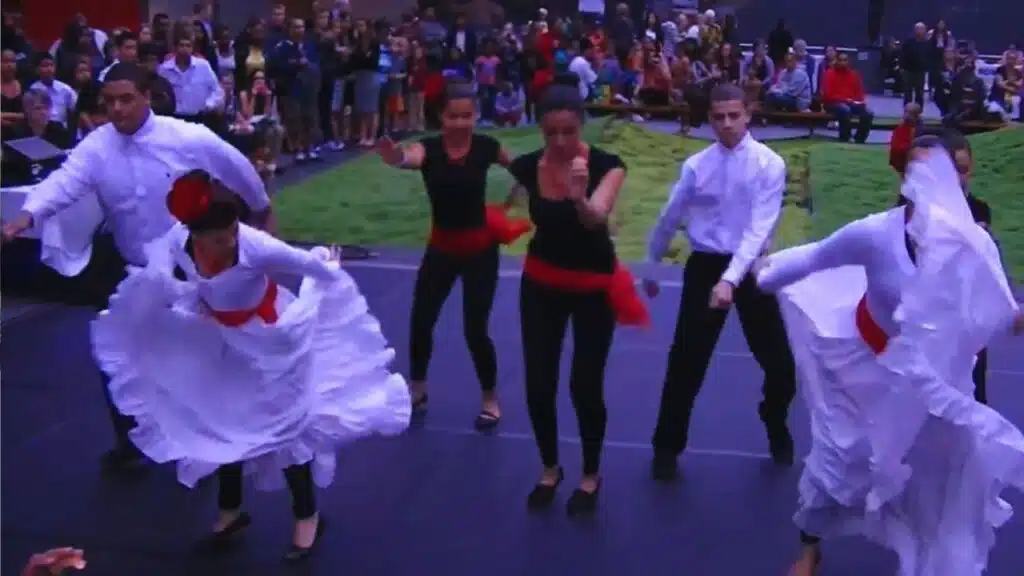
Bomba dancing pulses with the heartbeat of puerto rican culture, telling stories that stretch back centuries to Africa’s shores. This rhythm-driven dance brings communities together through live drumming and call-and-response singing that echoes across neighborhoods from Old San Juan to Caguas.
Dancers move to the beat of barrel-shaped drums while singers weave tales of struggle, joy, and resilience. The tradition showcases individual expression as each performer adds their own flair to the steps.
Puerto Rico’s African heritage shines brightest during these powerful performances.
Community gatherings and local festivals across the island feature Bomba alongside other puerto rican music genres like plena and salsa. Cultural centers teach the dance to new generations, keeping this piece of puerto rican history alive and vibrant.
The improvisational nature of Bomba creates a special bond between dancers, drummers, and singers. Each performance becomes a celebration of the African roots that helped shape the culture of puerto rico.
Street festivals in towns like Humacao and Añasco often feature Bomba circles where anyone can join the dance and feel connected to this rich tradition.
How is the traditional wooden mortar called Pilón made?
The pilón stands as a cornerstone of puerto rican cuisine and puerto rican culture. This hand-carved wooden mortar transforms local wood into an essential kitchen tool through generations of skilled craftsmanship.
- Master craftsmen select hardwood from local Puerto Rican trees like mahogany or cecropia. The wood must be dense and durable to withstand years of pounding and grinding in puerto rican cooking.
- Artisans carve the bowl shape using traditional hand tools and chisels. Each pilón takes several days to complete, with craftsmen carefully hollowing out the interior while maintaining thick walls.
- The pestle gets shaped from the same wood piece to match the mortar perfectly. Skilled hands sand both pieces smooth to create the ideal grinding surface for mofongo and other puerto rican dishes.
- Craftsmen pass down pilón-making techniques through family generations. Fathers teach sons the precise angles and depths needed to create functional mortars that last decades.
- Some artisans add decorative carvings or personal touches to make heirloom pieces. These special pilóns become treasured family possessions that connect households to puerto rican traditions.
- The finished pilón requires seasoning with garlic and salt before first use. This process prepares the wood surface and adds flavor that enhances future cooking sessions.
- Local markets and craft fairs sell pilóns as cultural souvenirs for visitors. These purchases support traditional artisans while preserving the ancient skills of puerto rican folklore.
How are Taíno rituals preserved and practiced today?
Puerto Rican culture keeps Taíno rituals alive through special events and ceremonies. Local historians work with cultural organizations to revive these ancient practices. Museums across Puerto Rico display Taíno artifacts and teach visitors about indigenous traditions.
Archaeological sites on the island show how the Taínos lived centuries ago. Cultural centers host workshops where people learn traditional dances and symbolic ceremonies.
Modern celebrations blend Taíno symbols with puerto rican traditions. Festivals include elements of Taíno heritage like sacred dances and spiritual rituals. Many Puerto Ricans discover their Taíno ancestry through family research.
Special cultural events feature these ancient practices, connecting people to their indigenous roots. Efforts to preserve this heritage help keep Borinquen’s original culture alive for future generations.
What is the Festival de las Flores and how is nature celebrated?
The Festival de las Flores celebrates Puerto Rico’s rich plant life and natural beauty. This special event shows off the island’s amazing flowers, plants, and handmade crafts. Local artists bring their best work, including woven items, pottery, and art inspired by nature.
Puerto Rico’s warm weather helps create perfect conditions for lush gardens and many different types of plants. The festival takes place in public parks and town squares across the island.
Visitors can enjoy traditional puerto rican music and dance while exploring the colorful displays. The event serves traditional puerto rican food that connects to nature’s gifts. Local artisans display ceramics and nature-inspired art that tells stories about the island’s biodiversity.
This celebration shows how much Puerto Ricans care about their environment and natural world. The festival brings communities together to honor the island’s green spaces and tropical climate that makes such beautiful plant life possible.
Takeaways
Puerto Rico holds many secrets beyond the tourist trail. These ten traditions show the real heart of Boricua culture. Each celebration tells a story that goes back hundreds of years.
Most travelers miss these special moments because they happen in small towns or during quiet times. Local families guard these customs like treasures. They pass them down from parents to children with great care.
Your next trip to Puerto Rico can be different. Ask locals about their festivals and traditions. You might find yourself dancing bomba on a beach or watching vejigantes masks come to life in San Sebastián.
FAQs
1. What makes Puerto Rican traditions different from what tourists usually see?
Most visitors stick to Old San Juan and miss the real heart of Puerto Rican culture. Local festivals in towns like San Germán and San Sebastián show traditions that families have kept alive for generations.
2. How does Puerto Rican folklore shape daily life on the island?
Many Puerto Ricans still believe in protecting against the evil eye and follow old superstitious practices. These beliefs mix with modern life, creating a rich blend of Puerto Rican history and current customs.
3. What traditional foods do travelers miss beyond typical Puerto Rican cuisine?
Hidden gems include roast suckling pig prepared for special occasions and green bananas cooked with pigeon peas. Locals also make fresh chicharrón that beats anything you’ll find in tourist spots.
4. Where can visitors experience authentic Puerto Rican music and dance?
Small towns across Puerto Rico host intimate gatherings where families share traditional music. These events happen in local communities, not in the fancy hotels of Dorado or San Juan’s tourist areas.
5. How does Puerto Rico’s status as a commonwealth of the United States affect its traditions?
The island keeps its own culture strong while being part of America. This creates interesting mixes, like using both cash and debit cards at local festivals, but keeping old Spanish customs alive.
6. What role does El Yunque play in Puerto Rican traditions?
The rainforest holds deep meaning in Puerto Rican folklore and spiritual practices. Many families visit El Yunque for ceremonies that connect them to their ancestors and the island’s natural power.