
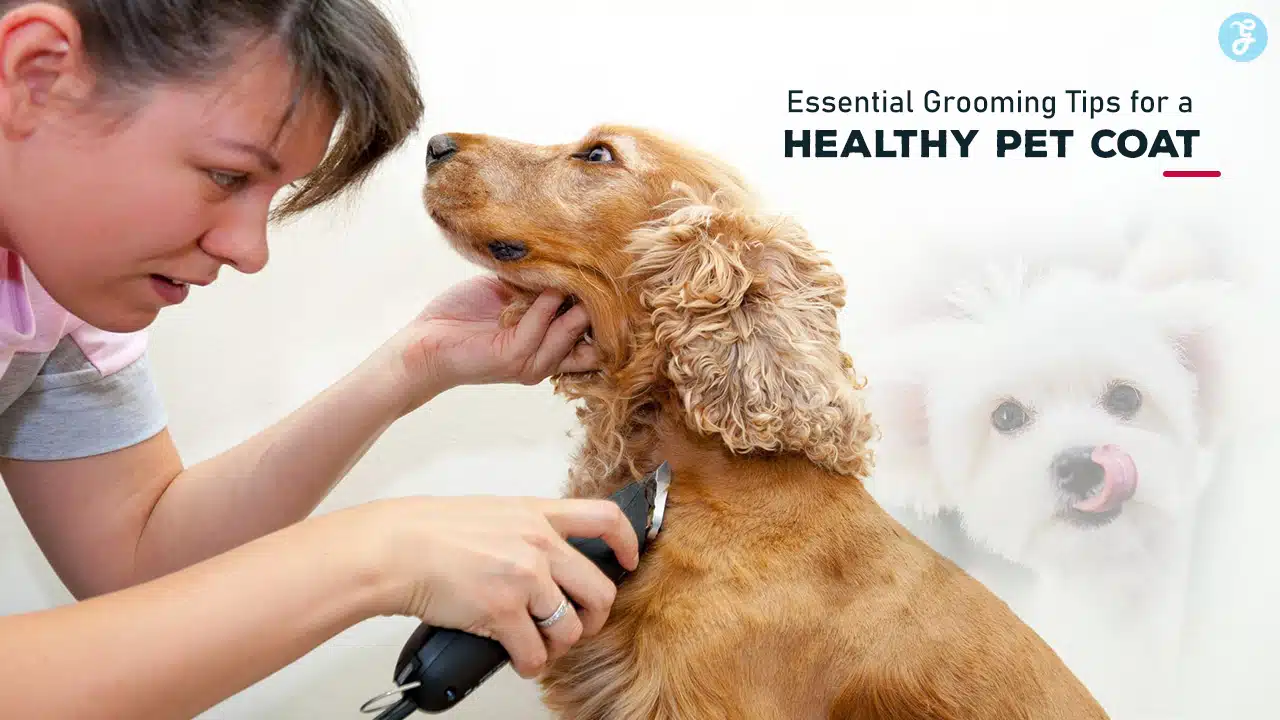
Grooming is a critical part of keeping your pet happy, healthy, and comfortable.
A well-maintained coat not only makes your pet look great but also supports their overall health.
Grooming routines, such as brushing, bathing, and proper nutrition, keep their fur soft, shiny, and free from tangles or mats.
Additionally, grooming time can strengthen your bond with your pet, offering a chance for both of you to relax and connect.
Here are 10 essential grooming tips for a healthy pet coat, designed to help your furry friend look and feel their best.
1. Brush Regularly to Prevent Tangles and Mats
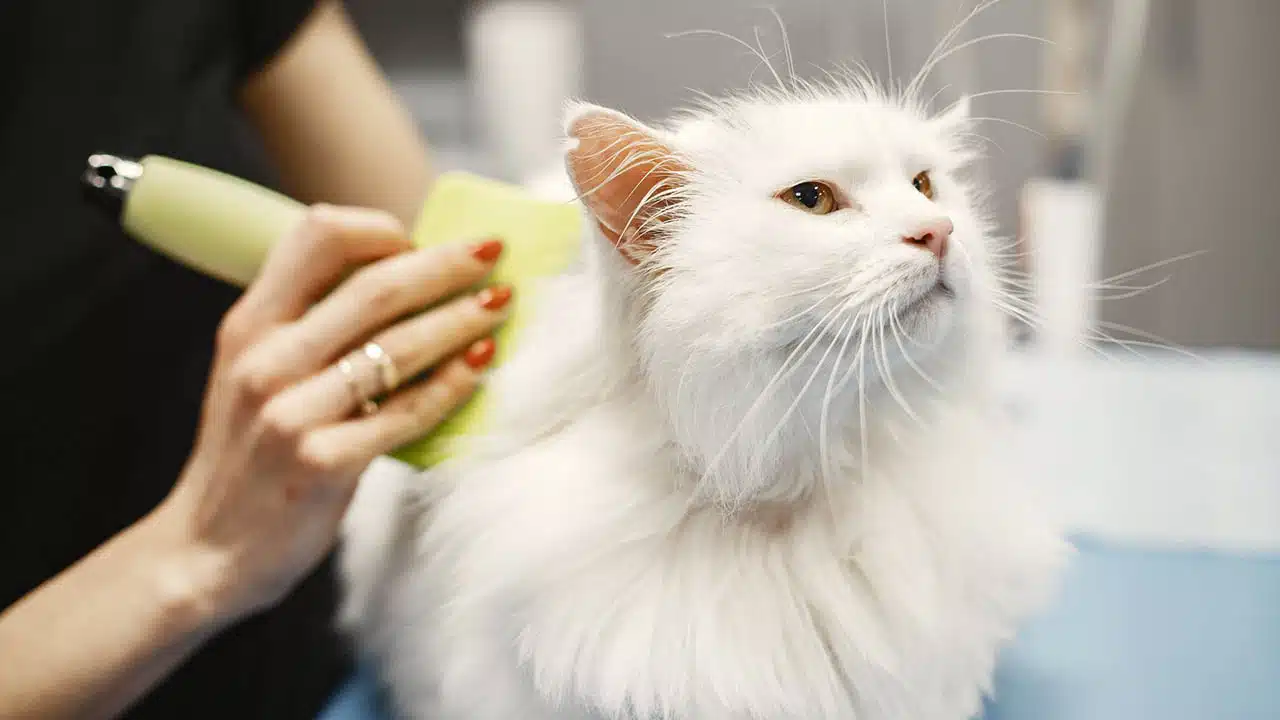
Brushing is one of the simplest yet most effective ways to maintain your pet’s coat.
Not only does it remove dirt and debris, but it also helps prevent tangles and mats, which can cause discomfort or even pain if left unattended.
Regular brushing also distributes natural oils, giving your pet’s coat a healthy shine.
- Choose the Right Brush: Depending on your pet’s coat type, you may need a specific brush. For long-haired breeds, a slicker brush or de-matting tool works best, while short-haired breeds benefit from a rubber brush or bristle brush.
- Set a Routine: Make brushing a regular habit, aiming to brush at least once a week. Long-haired pets, however, may need daily brushing to prevent matting, especially if they spend time outdoors.
- Strengthen Your Bond: Brushing also creates a calming bonding experience, allowing you to spend quality time together. It’s a moment for both you and your pet to relax and enjoy a bit of pampering.
Brushing is crucial for keeping your pet’s coat tangle-free, soft, and shiny, while also strengthening the bond between you and your furry friend.
2. Bathe Your Pet Using Pet-Safe Shampoos
Bathing helps keep your pet’s coat fresh and clean, removing dirt, allergens, and excess oils.
However, it’s important to use a shampoo that’s formulated specifically for pets, as their skin has a different pH balance compared to humans.
- Opt for Mild, Natural Shampoos: Look for pet-safe shampoos with natural ingredients like oatmeal or aloe vera, which are gentle on the skin. Avoid shampoos with sulfates, artificial fragrances, or alcohol, as these can dry out your pet’s coat and skin.
- Avoid Over-Bathing: Too many baths can strip your pet’s coat of its natural oils, leading to dryness and irritation. For most pets, a bath every 4-6 weeks is sufficient, but dogs that get dirty more often may need more frequent baths.
- Use a Conditioner: For pets with long or curly coats, a pet-safe conditioner can add moisture, making the fur easier to comb and reducing tangles. A conditioner leaves the coat feeling softer, smoother, and more manageable.
Choosing the right products and bathing your pet at a safe frequency helps maintain a fresh, soft coat without stripping away natural oils.
3. Provide a Balanced Diet for a Healthier Coat
A balanced diet is essential for a healthy, shiny coat.
Nutrients like protein, omega-3 and omega-6 fatty acids, and vitamins play a vital role in promoting healthy skin and fur.
When your pet’s body is well-nourished, it shows in their coat, making it look glossy and vibrant.
- Add Omega Fatty Acids: Omega-3 and omega-6 fatty acids are particularly beneficial for coat health, as they reduce inflammation, hydrate the skin, and give the fur a shiny appearance. Look for these fatty acids in pet foods with fish oil, flaxseed, or specific supplements.
- Ensure High-Quality Protein: Protein supports fur growth and strength, so make sure your pet’s diet includes lean meats or other high-quality protein sources. Stronger fur means less breakage and a healthier-looking coat overall.
- Vitamins and Supplements: Some pets may benefit from coat-specific supplements, like biotin, which supports coat thickness, or vitamin E for skin health. However, always consult your veterinarian before adding any new supplements to your pet’s diet.
Feeding your pet a diet rich in essential nutrients provides the foundation for a strong, shiny coat and promotes overall well-being.
4. Trim Nails and Keep Paws Groomed
Grooming doesn’t just mean taking care of the coat itself; it also involves keeping nails and paws well-maintained.
Long nails can cause pets to scratch excessively, which may damage their fur, while untrimmed paw hair can trap dirt, leading to matting and skin issues.
- Trim Nails Regularly: Trim your pet’s nails every 3-4 weeks, or whenever you hear them clicking on hard surfaces. Keeping nails short prevents accidental scratching that can lead to fur breakage or skin irritation.
- Maintain Paw Health: Trim excess hair between paw pads, which can trap debris and cause discomfort or infection. This simple grooming step keeps the area clean and reduces the risk of matting.
- Avoid Self-Caused Fur Damage: When nails are kept short, pets are less likely to scratch, minimizing fur damage. For pets with allergies or skin issues, nail trimming is particularly important to prevent scratching.
Nail and paw grooming plays an indirect but vital role in maintaining a healthy coat, as it minimizes the chances of self-inflicted damage to the fur.
5. Check for Fleas, Ticks, and Parasites Regularly
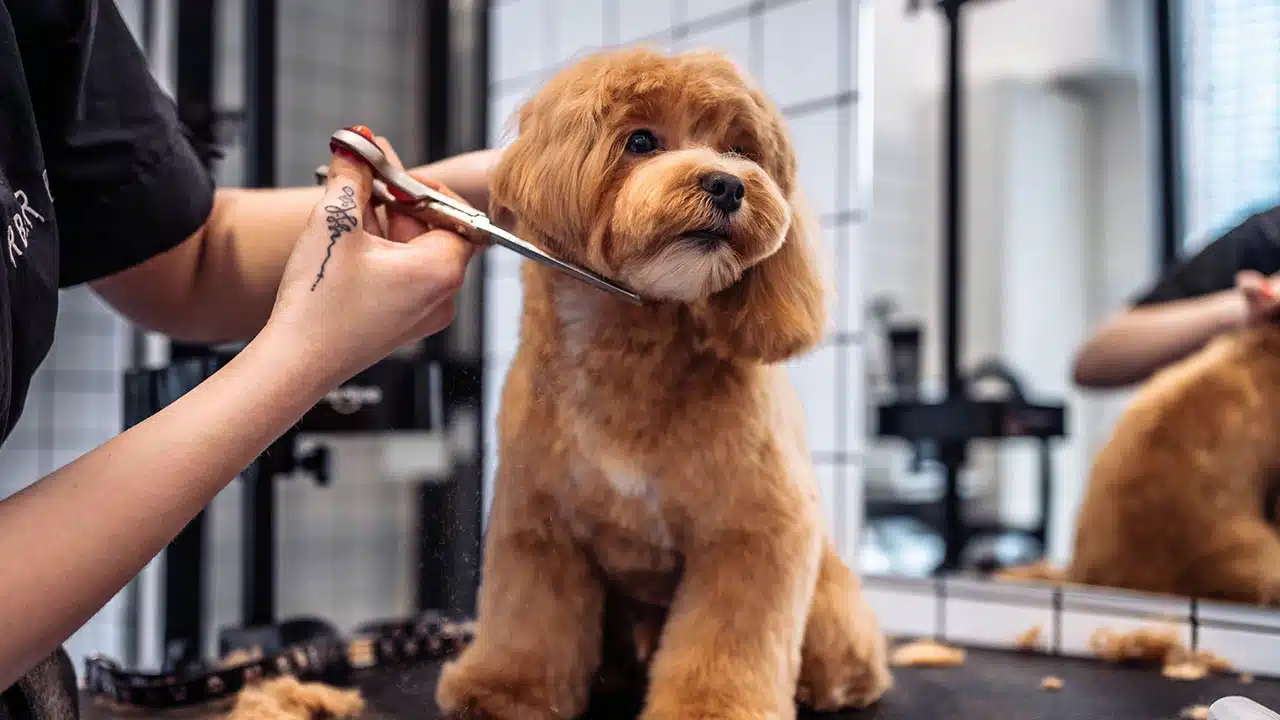
Parasites such as fleas and ticks are common problems that can cause severe discomfort, leading pets to scratch excessively.
This scratching can damage the coat, leaving bald patches, scabs, or irritated skin. Regular checks and preventive treatments are essential.
- Perform Regular Coat Inspections: Part your pet’s fur and check areas where fleas and ticks often hide, such as around the neck, ears, and tail. Look for signs like black specks (flea dirt) or tiny bumps that may indicate ticks.
- Use Preventative Medications: Flea and tick preventatives, available as topical treatments or chewable tablets, are highly effective in keeping parasites away. Monthly applications are often recommended, but consult your vet for the best option.
- See the Vet for Persistent Issues: If you notice redness, hair loss, or constant scratching, it could be a sign of a parasite infestation or another underlying health issue. A vet check-up ensures your pet gets proper treatment.
Regular parasite prevention and treatment keep your pet’s coat and skin healthy, avoiding the irritation that can lead to scratching, hair loss, and skin problems.
6. Keep the Ears Clean for Overall Grooming
Ear care is a vital part of your pet’s grooming routine.
Infections or irritations in the ears can lead to scratching around the head and neck area, damaging the fur and leading to hair breakage or bald spots.
- Regularly Check the Ears: Inspect your pet’s ears weekly, looking for signs of redness, unusual odor, or wax buildup. These can indicate potential issues that need attention.
- Use a Pet-Safe Ear Cleaner: Clean the outer part of your pet’s ears with a gentle ear cleaner recommended by your vet. Avoid using cotton swabs, as they can push debris further into the ear canal.
- Prevent Scratching: Keeping the ears clean reduces the likelihood of irritation, which in turn minimizes scratching around the head and neck. This helps protect the fur in those areas from breakage.
Keeping your pet’s ears clean not only prevents infections but also reduces scratching, helping to maintain a smooth and intact coat.
7. Keep Your Pet Hydrated
Just like in humans, hydration plays a critical role in maintaining skin and coat health for pets.
Well-hydrated skin promotes a shiny, resilient coat, while dehydration can lead to dryness, flakiness, and a dull appearance.
- Ensure Fresh Water is Available: Make sure your pet has access to fresh water throughout the day, particularly after play or exercise sessions. Hydration keeps their skin supple and fur healthy.
- Add Moisture-Rich Foods: Including wet food in their diet or offering pet-safe fruits with high water content (like cucumbers or watermelon) can also contribute to their hydration levels.
- Monitor for Signs of Dehydration: Dry, flaky skin, a dull coat, or decreased energy can be signs of dehydration. In these cases, ensure they are drinking enough and consult your vet if you have concerns.
Adequate hydration is essential for maintaining a healthy, shiny coat, and it’s one of the simplest ways to support your pet’s well-being.
8. Invest in the Right Grooming Tools
Using the proper grooming tools makes a significant difference in the quality of your pet’s coat.
The right brush, comb, or grooming glove can help reduce shedding, prevent mats, and enhance the natural shine of their fur.
- Select Tools Based on Coat Type: Long-haired pets need slicker brushes or de-matting combs, while short-haired pets do well with bristle brushes or grooming gloves. Choosing the right tools ensures a comfortable grooming experience.
- Quality Matters: High-quality grooming tools are gentle on your pet’s skin and last longer, making them a worthwhile investment. Cheap tools can lead to skin irritation or hair breakage, compromising the health of the coat.
- Finish with a Comb: After brushing, use a fine-tooth comb to remove any remaining loose fur. This step gives the coat a smooth, polished finish and catches any stray hairs.
Having the right grooming tools helps you maintain your pet’s coat effectively, minimizing hair breakage and keeping their fur soft and healthy.
9. Schedule Regular Professional Grooming Sessions
Professional grooming can help keep your pet’s coat in top condition, providing a thorough clean, trim, and de-shedding that can be challenging to achieve at home.
Groomers also have specialized equipment and techniques that contribute to coat health.
- Trimming for Healthy Fur Growth: Regular trims prevent split ends and keep the fur at an optimal length. This helps maintain a neat, well-groomed appearance and promotes healthier hair growth.
- Special Treatments for Coat Care: Many groomers offer deep conditioning, de-shedding treatments, and flea baths that enhance coat quality. These treatments help keep the fur soft, shiny, and free of excess shedding.
- Groomer’s Expertise: Professional groomers are trained to spot potential issues, such as skin irritations, parasites, or unusual lumps, which can be addressed early with vet assistance.
Professional grooming not only improves coat appearance but also provides valuable care that promotes your pet’s overall skin and fur health.
10. Practice Patience and Consistency
Patience and consistency are essential when it comes to grooming.
A regular grooming schedule prevents coat issues from building up, leading to better overall health and a beautiful, well-maintained coat.
- Establish a Routine Early: Starting a grooming routine when your pet is young helps them get used to the process, making it easier as they grow older.
- Be Gentle and Encouraging: Positive reinforcement, like treats or praise, can make grooming a pleasant experience for your pet, helping them feel relaxed and comfortable.
- Stay Consistent: Whether it’s brushing, bathing, or nail trimming, a consistent schedule keeps your pet’s coat healthy and helps you identify any changes or issues early.
Consistency in grooming supports coat health over the long term, giving your pet a shiny, soft, and beautiful coat they can feel comfortable in.
Takeaway: A Shiny Coat for a Happy, Healthy Pet
A healthy coat is a sign of a well-cared-for pet.
Regular grooming routines, proper nutrition, and attention to skin and fur health help maintain a coat that’s not only beautiful but also reflects your pet’s overall well-being.
With these grooming tips, you can keep your pet looking and feeling their best, ensuring they’re happy, comfortable, and always ready for cuddles!