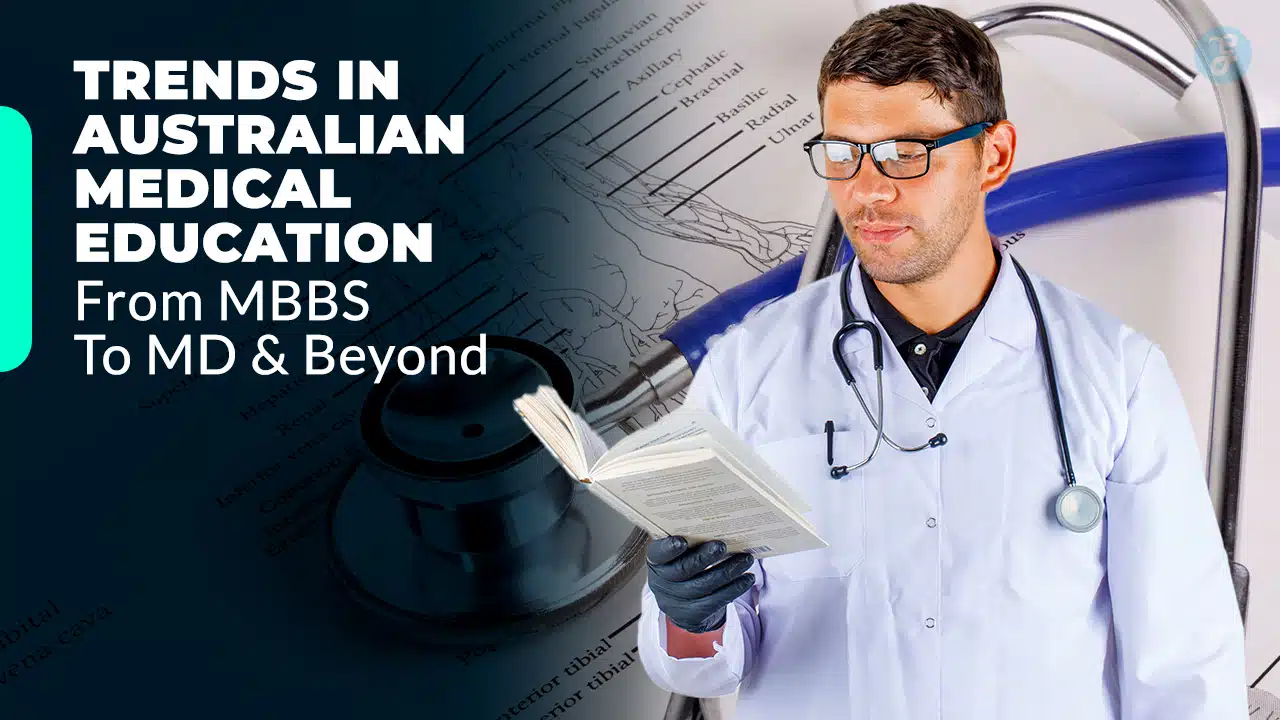
Medical education in Australia is changing fast. If you’re a future doctor or just curious, you may wonder what challenges and trends lie ahead. With healthcare demands growing and technology advancing, medical schools are adapting quickly.
In recent years, there’s been a move from MBBS to MD programs. Research, digital tools, and patient communication have also become big focus areas. This blog will uncover these changes step by step.
Keep reading to stay ahead!
Key Takeaways
- Australia is moving from MBBS to MD programs. These align with global standards and include research projects. Schools like the University of Melbourne lead this shift.
- Medical students now get early hands-on training. Longitudinal integrated clerkships build patient connections, especially in rural areas.
- Digital health literacy is vital. Students use tools like telemedicine, electronic records, and virtual simulations for better practice.
- Focus on empathy and teamwork grows. Role-playing helps students improve communication and work well with other healthcare professionals.
- Research is now part of medical education. Projects teach critical thinking and problem-solving skills for real-world issues.
Transition from MBBS to MD
The shift from MBBS to MD has changed medical education in Australia. This new approach aligns with global practices, making graduates ready for challenges anywhere.
Shift to postgraduate MD programs
Australia now offers more postgraduate MD programs. Schools like the University of Melbourne, Deakin University, and the University of Sydney provide these advanced degrees. These programs align with global trends in medical education.
Graduates from both MBBS and MD can still practice medicine in Australia and New Zealand.
The move to MD reflects higher academic expectations. Postgraduate students often have a stronger foundation from their prior studies. This prepares them for specialized training or roles as general practitioners (GP) or medical specialists later on.
Alignment with international standards
Medical degrees in Australia have shifted to globally recognized standards. The traditional MBBS course, lasting 5–6 years, focused on basic sciences and clinical experience. Now, the MD degree includes research projects and meets postgraduate global benchmarks.
This change helps graduates compete internationally and work across borders.
The Australian Medical Council (AMC) supports this transition by aligning training with high international criteria. Graduates from these programs gain skills comparable to peers in other countries like the U.S., where exams such as USMLE set tough requirements.
These updates improve the credibility of Australian medical education worldwide for today’s evolving healthcare needs.
Increased Emphasis on Research
Medical students now tackle real-world problems through research. They sharpen their problem-solving and critical thinking skills.
Integration of research projects in the curriculum
Research projects are now part of many medical programs. Students work on these during their studies, often for years. This helps them ask questions, solve problems, and think like scientists.
Australia focuses on building critical thinking in young doctors. Programs include patient safety research that lasts 3 years. These efforts prepare students to handle real-world challenges with skill and care.
Development of critical thinking and scientific inquiry skills
Students now analyze problems like real doctors. They ask questions, test ideas, and explore solutions. Medical colleges teach this early to build good habits for research and problem-solving.
Hands-on tasks help sharpen these skills. For example, students might study diseases by reviewing patient cases or using digital health tools. This makes learning active and prepares them for clinical practice later on.
Digital Health Integration
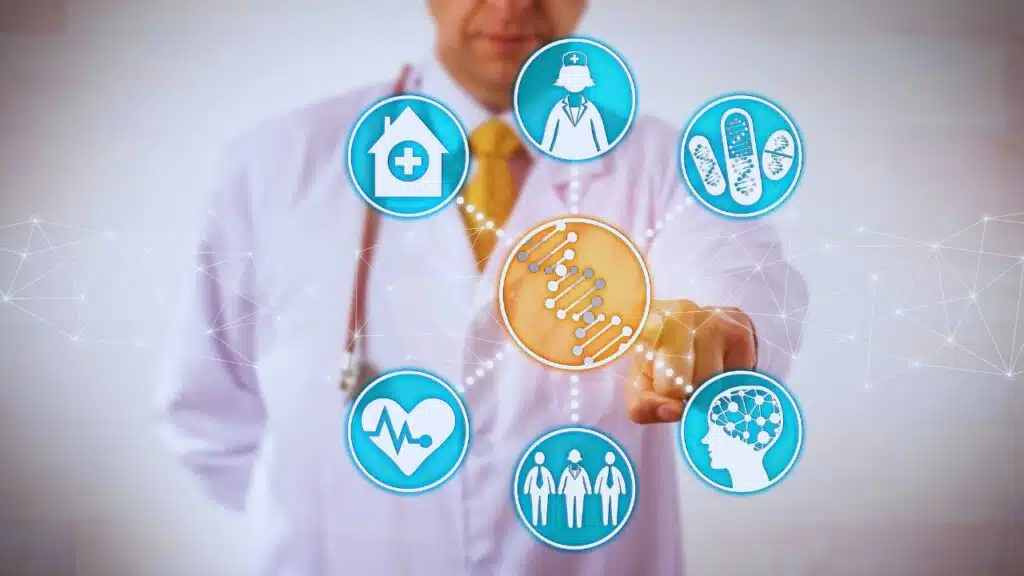
Medicine and technology are now best friends. Training programs teach doctors to use data, apps, and tools for smarter care.
Focus on digital health literacy
Training in digital health literacy is crucial for modern medical education. Students must learn to use healthcare technologies like telemedicine, patient portals, and electronic health records.
Understanding data science helps future doctors analyze patterns and improve care.
Learning also includes addressing challenges in technology use. Issues like computer errors or slow internet can disrupt training sessions. Ethical concerns about AI’s role in medicine are gaining attention too.
Schools focus on these topics to prepare students for advanced healthcare systems worldwide.
Incorporation of data science and technology in healthcare training
Virtual patient simulators help students practice diagnosis in real time. These tools let future doctors learn without risking real patients’ safety. Augmented reality systems show 3D anatomy, making learning more interactive and engaging.
Data science helps track patterns in diseases and treatments. Students use this data to predict patient needs and improve care plans. Tools like machine learning teach them how technology solves complex medical problems fast.
Humanistic Approach to Medical Education
Doctors need more than medical facts—they need heart. Teaching empathy and better people skills makes future doctors connect with patients on a deeper level.
Emphasis on communication and interpersonal skills
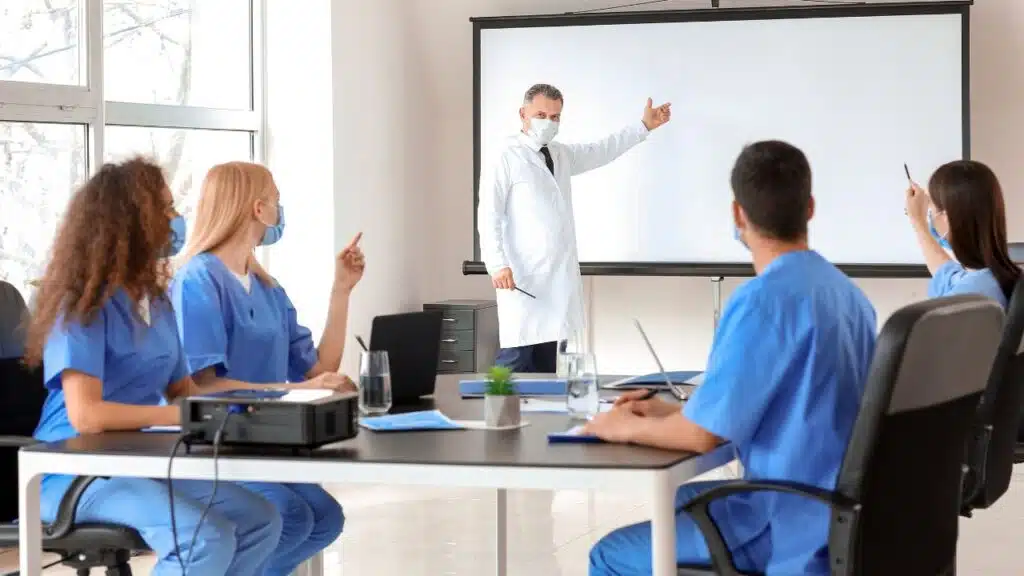
Strong communication skills are vital in medical practice. Medical education in Australia focuses on teaching future doctors how to listen, explain, and connect with patients. This builds trust and improves patient care.
Training also includes working with diverse teams, like nurses or specialists, to ensure smooth collaboration.
Students now practice through role-playing real-life scenarios. For example, they may discuss treatment plans with “patients” or manage group decisions under pressure. These exercises prepare them for the challenges of general practice, emergency care, or even hospital settings.
Clear speech and empathy save lives more often than you’d think!
Promotion of interprofessional collaboration in healthcare
Medical education in Australia supports teamwork across professions. Training wards bring together medical, nursing, and therapy students. They learn from each other while working with real patients.
This builds trust and improves care for all.
Courses on clinical ethics mix medical and nursing students too. These classes focus on solving problems as a team. Students see how different roles fit into patient care plans. This boosts their communication skills early in training.
Early Exposure to Clinical Practice
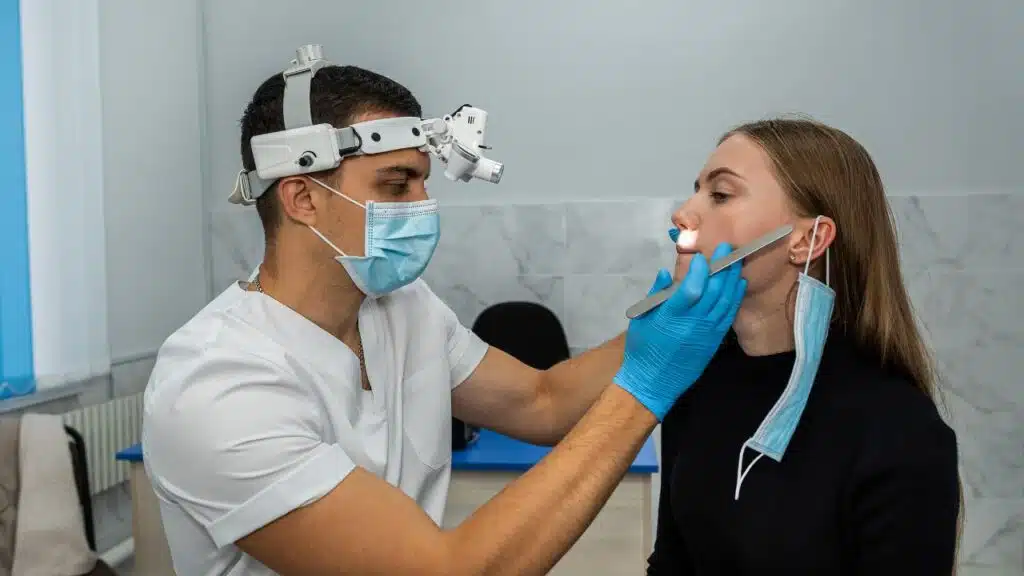
Medical students now get hands-on patient care earlier than before. This approach builds confidence and sharpens practical skills quickly.
Implementation of longitudinal integrated clerkships
Longitudinal integrated clerkships (LICs) let students follow the same patients over time. This approach helps them build connections with patients and understand their care journey.
Students work closely with their supervisors, gaining insights into real-world medical practice. LICs also provide early clinical exposure for learners.
These programs are vital in Australia’s medical training, especially for rural areas. They support diverse patient experiences by exposing students to varied cases and conditions.
Early engagement prepares future doctors for challenges they may face in hospitals or community settings.
Focus on diverse patient population experiences
Medical students in Australia now encounter a variety of patients early. Preclinical lectures often include patient interactions, giving future doctors real-world insights. This helps them understand the challenges faced by different communities, including marginalized populations.
Such exposure is key to building empathy and improving bedside manners.
Primary care clerkships place a strong focus on underserved groups, such as First Nations people. Students learn cultural sensitivity and how to address specific healthcare needs. These experiences prepare them for family medicine or general practice roles where diverse skills are crucial.
Community Engagement and Global Perspectives
Doctors need to address local health needs while thinking globally. Training now prepares students for both neighborhood clinics and worldwide challenges.
Addressing community-specific healthcare needs
Medical education in Australia now focuses on serving diverse communities. Programs include community immersion to boost health literacy and address poverty. Students learn about gender and healthcare gaps through real-world cases.
Future doctors train with varied patient groups, including rural areas and underserved populations. This prepares them for challenges faced by general practitioners, emergency physicians, or family physicians in different settings.
Preparing students for global health challenges
Students gain skills to handle healthcare diversity worldwide. Training includes addressing community-specific needs beyond hospitals. For example, they learn about treating remote or rural patients like those in Australia’s outback.
Exposure to varied cultures and health systems prepares them to serve different populations.
Programs stress understanding global diseases, public health issues, and climate impacts on health. Classes may cover emergency medical care during natural disasters or pandemics. Hands-on practice with diverse patient groups builds confidence for real-world challenges.
Continuing Professional Development (CPD) Trends
Doctors now focus more on lifelong learning to stay sharp. New rules push regular skill updates for better patient care.
Lifelong learning initiatives for medical professionals
Medical practitioners now focus heavily on continuous learning. Programs like Continuing Professional Development (CPD) keep their skills sharp. These initiatives help them meet the Australian Medical Council’s practice requirements.
Workshops, online modules, and conferences provide varied learning options. General practitioners (GPs) and specialists benefit from flexible formats like e-learning or face-to-face sessions.
This ongoing education supports better patient care and adapts to new medical technologies.
Integration of recency of practice requirements
Doctors must meet recency of practice rules to stay licensed in Australia. These rules make sure skills and knowledge stay current. The Australian Medical Council (AMC) supports this by requiring ongoing training programs and regular assessments.
Lifelong learning matters for all medical specialists, like general practitioners or anesthesiologists. Programs often include problem-based learning, workshops, and hands-on simulations.
This keeps doctors ready for changes in healthcare while improving patient outcomes.
Evolution of Training Pathways
Training paths for doctors are shifting quickly. New structures now guide them from internship to specialty roles more efficiently.
Changes in internship and residency structures
Internship and residency programs are seeing major changes. Hospitals now focus on practical skills and hands-on training for new medical officers. Specialty training is becoming more streamlined, offering clearer pathways for fields like anesthesiology or psychiatry.
Programs also target faster entry into roles like resident medical officer to address workforce needs. Universities, such as the University of Melbourne or Deakin University, align their graduate-entry MD courses with these shifts, preparing students for updated structures in Australian healthcare systems.
Introduction of specialty training programs
Specialty training programs in Australia have changed the path for medical practitioners. These programs focus on fields like general medicine, maxillofacial surgery, and anesthesiology.
The Australian College of Rural and Remote Medicine (ACRRM) plays a major role in these efforts. It supports doctors working in rural areas where healthcare needs are unique.
The introduction of strict assessment methods is also shaping specialty training. Medical educators now aim to better test skills and knowledge across specialties such as psychiatry and critical care.
This ensures future specialists meet high standards set by organizations like the Royal Australasian College of Surgeons (FRACS).
Role of Technology in Learning
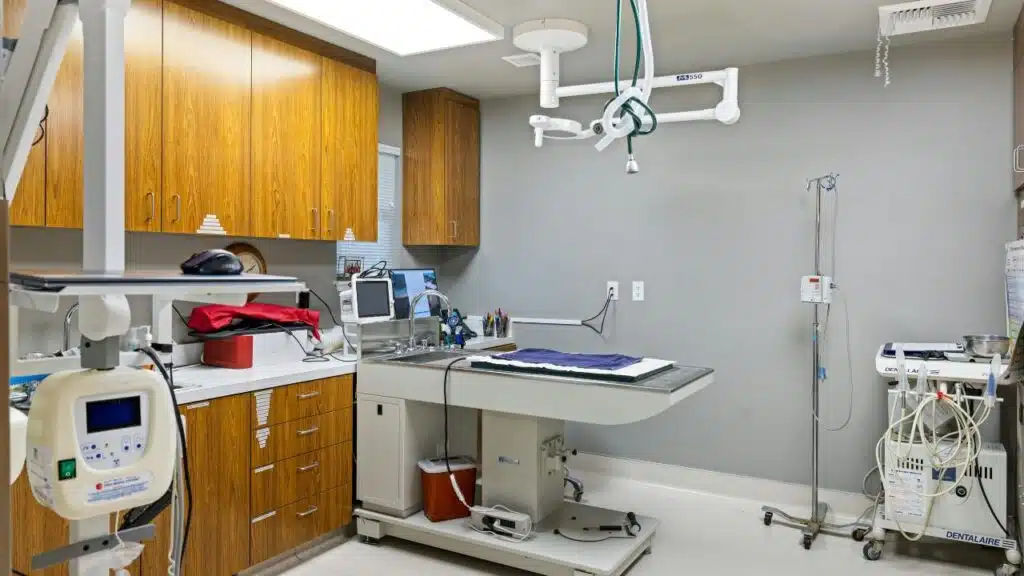
Medical training now leans on tech like never before. Tools such as virtual simulations make learning fast, practical, and engaging.
Adoption of e-learning and virtual simulations
Virtual patient simulators now help medical students practice diagnosis. These tools mimic real-life cases, giving learners hands-on experiences without risk to patients. Augmented reality is changing anatomy lessons too.
Students can interact with 3D models, making understanding complex human structures simpler.
E-learning platforms offer flexibility in training future doctors. Online modules provide access to problem-based learning (PBL), interactive quizzes, and videos anywhere, anytime.
This also allows international medical graduates to upskill at their own speed while meeting Australian Medical Council (AMC) standards for certification and practice readiness.
Use of AI and machine learning in medical education
AI helps students learn at their own pace. It adjusts lessons based on what they know and need to improve. For example, AI can quiz medical students on anatomy or drug interactions.
It spots weak areas and suggests more practice topics. This technology keeps learners engaged and focused.
Machine learning predicts trends in healthcare studies. It analyzes large data sets from patient care or research projects. Students use these tools to study patterns, like disease outbreaks or treatment outcomes.
Learning with such tools prepares future doctors for real-world challenges in hospitals and clinics worldwide.
Collaboration with the Health Professional Community
Medical schools work closely with hospitals and clinics to enhance student training. This teamwork builds strong connections between future doctors and seasoned professionals.
Partnerships with hospitals and healthcare organizations
Hospitals and healthcare groups partner with medical schools to train students. These partnerships create real-life learning spaces like training wards. In these wards, medical, nursing, and therapy students work together on patient care.
Such teamwork builds strong communication skills. It also prepares students for real-world healthcare settings. Collaboration between hospitals and education systems ensures future doctors are ready to meet diverse patient needs.
Involvement of academic supervisors in student training
Academic supervisors play a key role in training future doctors. They guide students during hands-on learning, offering real-life insights and feedback. Supervisors teach clinical ethics courses that bring medical and nursing students together.
This approach builds teamwork skills for better patient care. Their guidance prepares students to face complex cases confidently.
Close interaction with supervisors also helps build stronger critical thinking skills. Students benefit from expert advice while managing different challenges in training hospitals or clinics.
Supervisors serve as mentors, bridging gaps between theory and practice. They encourage growth, ensuring students meet high professional standards set by groups like the Australian Medical Council (AMC).
Challenges in Australian Medical Education
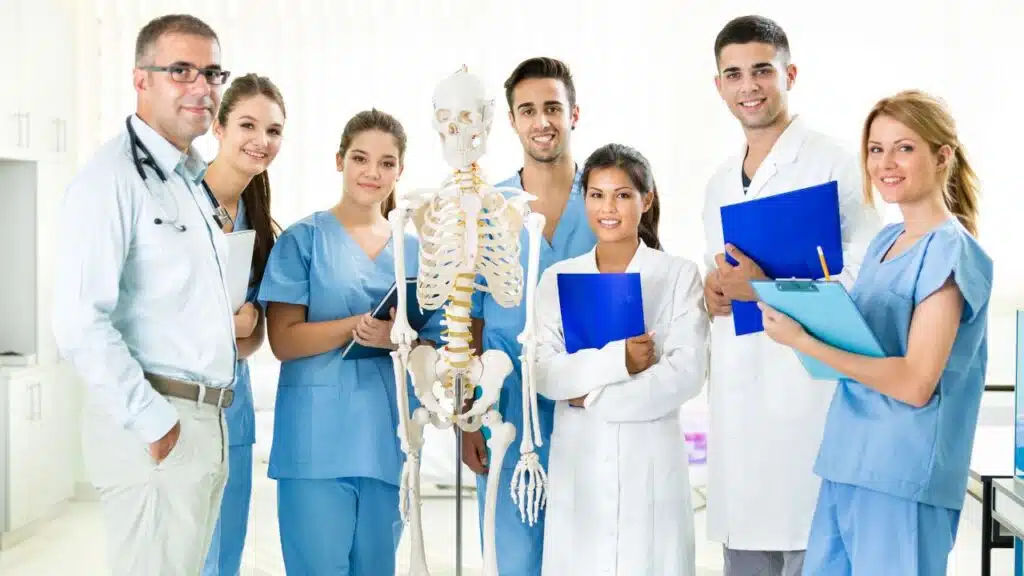
The number of medical graduates is rising, but training spots remain limited. Balancing old methods with new techniques strains resources and teaching styles.
Managing growing graduate numbers
Australia produces more medical graduates than ever before. This rise creates challenges for placements, internships, and jobs. Hospitals face pressure finding enough spots for junior doctors like general practitioners or psychiatry trainees.
Changes to training pathways add to the strain. Specialty programs may struggle with demand from new students entering fields such as anesthesiology or sports medicine. The Australian Medical Council (AMC) must balance quality education while managing this swell of future doctors.
Balancing traditional and emerging educational methods
Teaching methods are shifting fast in medical education. Old ways like lectures and textbooks still matter, but new tools like AI and digital learning add fresh layers. Ethical concerns about these technologies also push educators to think twice before using them.
Blending the two needs careful planning. Problem-based-learning (PBL) may pair with virtual simulations for a balanced approach. This helps students gain practical skills while staying rooted in critical thinking.
Both methods aim to build better general physicians, specialists, and medical practitioners ready for modern challenges.
Future Directions in Medical Education
Medical education is shifting gears fast, embracing fresh ideas. New teaching styles and tech promise an exciting future for students and teachers alike.
Innovations in curriculum design
Programs now focus on real-world learning. Students study cases that reflect current healthcare challenges. They also work more with technology like virtual simulations and AI tools.
These changes train them for advancements in healthcare delivery.
Courses include diverse teaching methods. Problem-solving activities, group discussions, and hands-on training are common. This mix helps improve critical thinking and practical skills.
Preparing for advancements in healthcare delivery
Healthcare training must match future needs. Innovations in curriculum design play a big role. Medical education now stresses digital tools and patient-focused care. The rise of telemedicine pushes schools to teach digital health literacy.
Students also gain skills in data science to face the growing use of AI in medicine.
Doctors need to adapt fast as technology reshapes healthcare delivery. Integrating these advancements early prepares students for real-life challenges. By focusing on modern methods like virtual simulations, Australian medical education leads change globally.
Takeaways
Australian medical education is changing fast. From MBBS to MD, it’s aligning with global standards and focusing on critical areas. Research, technology, patient care, and community health now play key roles in shaping future doctors.
These changes are practical steps for a stronger healthcare system. Are you ready to embrace the future of medicine?
FAQs
1. What is the difference between MBBS and MD in Australia?
MBBS stands for Bachelor of Medicine, Bachelor of Surgery, which has been a common medical degree in Australia. MD, or Doctor of Medicine, is now replacing MBBS as a postgraduate degree that focuses more on research and advanced clinical training.
2. How does globalization affect medical education in Australia?
Globalization allows Australian medical education to align with international standards set by bodies like the General Medical Council and Australian Medical Council (AMC). It opens doors for doctors trained in Australia to work globally.
3. What role do colleges like the Royal Australasian College of Surgeons play?
These colleges help train specialist medical practitioners such as surgeons, general practitioners (GPs), anaesthetists, and psychiatrists through structured programs like FRACGP or FANZCA fellowships.
4. What are some key trends shaping Australian medical specialties today?
Trends include increased focus on hospitalist roles, specialization pathways through institutions like FACSEP or FRANZCR, and growing interest in fields such as emergency medicine and sports medicine.
5. Is pre-med required before pursuing a Bachelor’s Degree in Medicine?
No formal pre-med program exists in Australia; instead, students generally need high scores on their Australian Tertiary Admission Rank (ATAR) along with passing tests like multiple mini interviews for college admission into MBBS or MD programs.
6. Can overseas-trained doctors practice medicine in Australia easily?
Overseas-trained doctors must meet requirements from the AMC to be licensed to practice medicine here. They may also need additional qualifications depending on their specialty area or desired role within emergency departments or other settings.