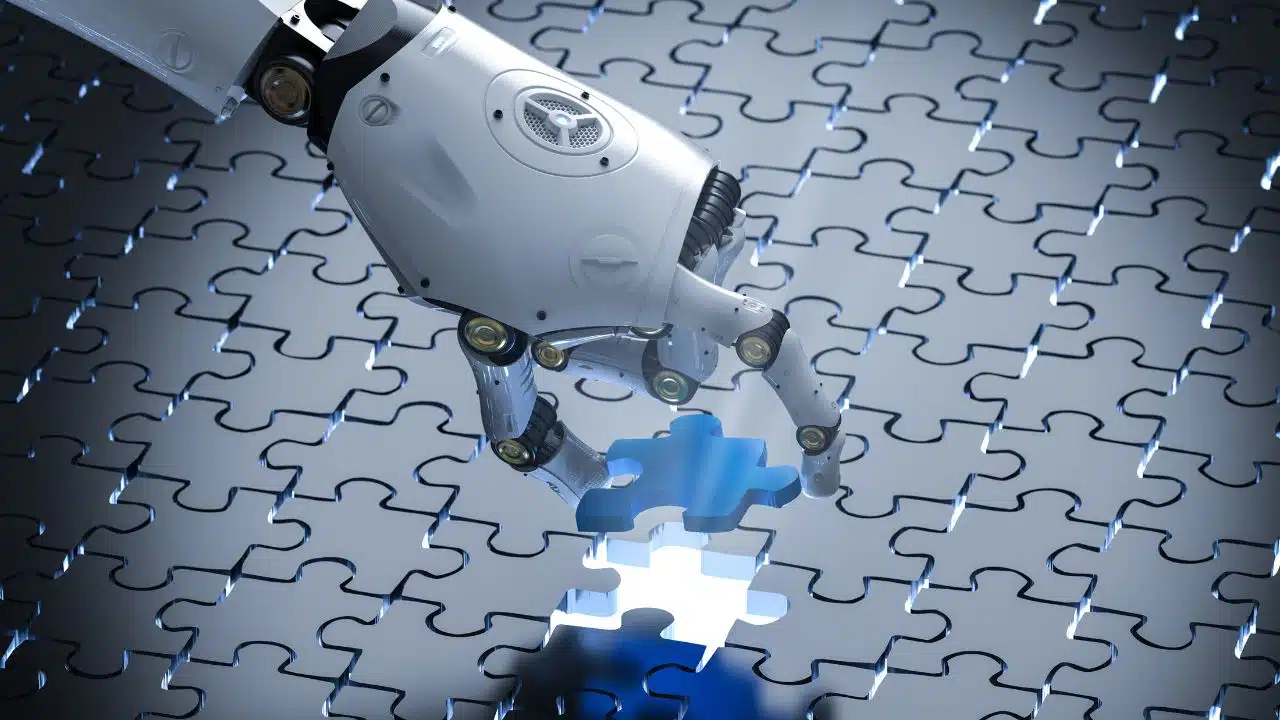
Artificial intelligence is becoming a part of our everyday lives in ways we don’t even notice anymore. AI quietly entered daily activities, from recommendations on Netflix to Google Assistant. For the most part, the new technology is making our lives easier by transforming everyday routines.
Another sector where AI is flourishing is the entertainment industry. Movies are heavily using robotics to create special effects, while online gaming platforms are utilizing AI to make better personalized offers and eliminate human factors from the customer service department. Today, for instance, people looking to unwind after work and leave behind everyday problems, while playing games or placing wagers on the 10CRIC betting platform, will face many features designed and enhanced by AI. We got used to the new technology along with all the benefits it brings, so today’s living without artificial intelligence is becoming unimaginable.
AI at Home: Smarter Living Made Simple
The biggest change brought by AI is happening in our homes. Smart devices long surpassed our phones and TVs. Now, we have smart fridges that turn on inside lights with a few taps, control lights, security systems, temperature control, and smart personal, virtual assistants like Alexa.
These machines can do anything for us, make doctor appointments, play music, search for information, set alarms, and manage our appliances. But AI goes even further by learning our habits. For example, if we set the alarm every night for 6 AM, the virtual assistant will start doing it by itself after some time, without us telling it to.
Sometimes it does make life easier, while other times it can be quite frustrating. AI is still a machine, not capable of independent thinking which is why it can often come to wrong conclusions. For example, will it know that tomorrow is your day off and not set the alarm? No, it will still blare at 6 AM.
AI on the Road: Safer and Smarter Travel?
We are probably decades away from self driving cars, but AI is still affecting our travel. Every car made in the last few years is equipped with AI-powered features like lane detection and automatic braking to protect the drivers and others around them.
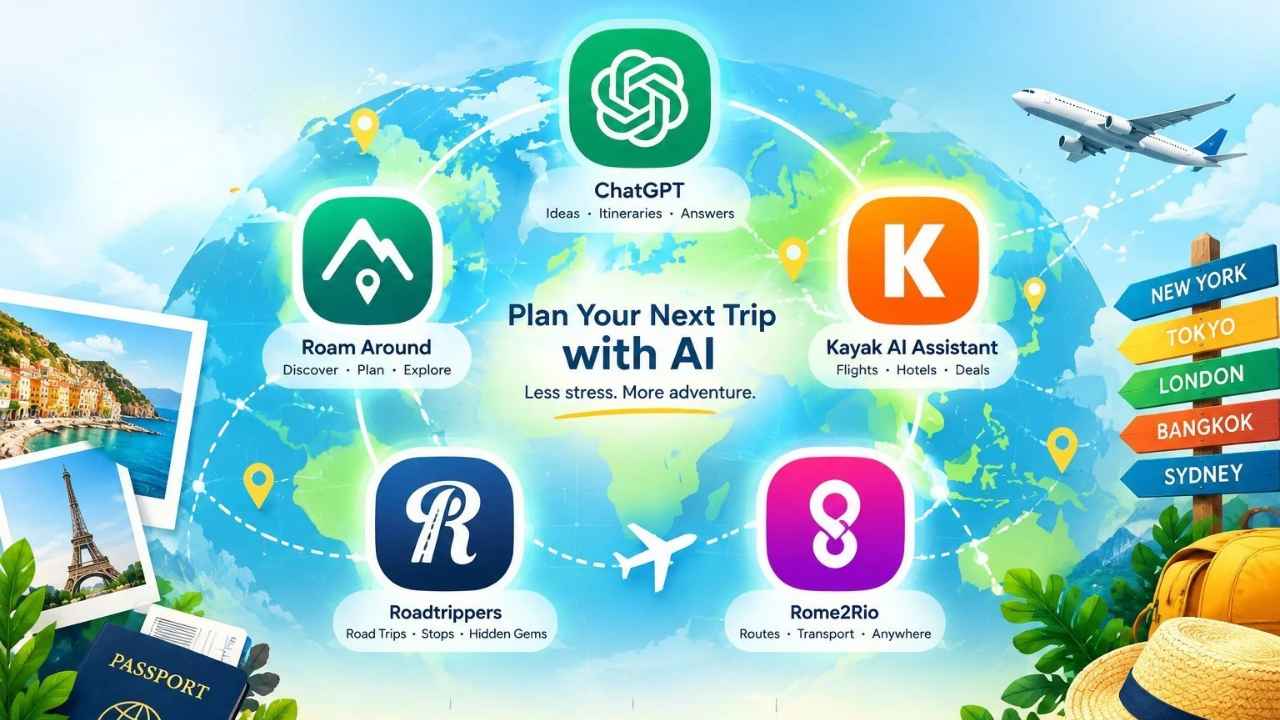
Apps like Uber are also using AI to make better matches of drivers and customers by finding the optimal route. Some cities have traffic signals operated by AI to speed up the traffic flow.
Even though all this can really make our lives easier and save a lot of time, there are still some sectors where human intelligence is crucial. When traveling by car, avoid relying on the GPS completely. Sometimes there are unforeseen circumstances happening on the ground, like roadblocks, unpaved paths marked like motorways, icy conditions, low clearance bridges, and so on. Use AI as one of the tools when planning your trip, as part of the overall travel preparation.
AI in Health: Better Care and Early Detection
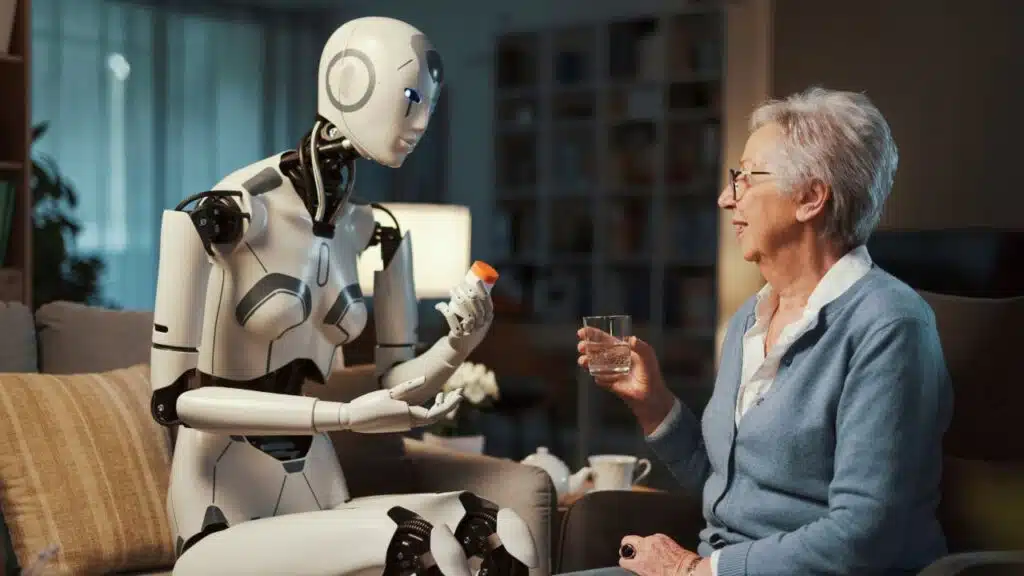
AI is providing great support to doctors and nurses who are working around the clock to care for their patients. Human errors are just part of the regular routine in almost every clinic and hospital. For this reason, people decided to utilize the help of artificial intelligence.
By eliminating the overworked medical staff, and letting AI take a fraction of their stress, we now have AI that can analyze medical data to help doctors diagnose diseases faster. For example, by analyzing blood pressure and imaging scans, AI can spot early signs of stroke or heart failure. In the past couple of years, doctors have been training AI to follow speech patterns, memory, and brain scans to recognize early Alzheimer’s.
Humans tend to overlook some signs of the early onset of various conditions, and that’s where we put AI to work. Doctors can now start therapies at the very first indication of diseases like pneumonia and type 2 diabetes, as well as recognize rare conditions from genetic data.
The Future of AI: Opportunities and Challenges
Artificial intelligence gives us a great opportunity to expand our knowledge and decrease stress in our lives. In the future, we will see AI planning our grocery lists, paying bills, managing our personal meetings, and our home budgets. In fact, it will take away all the time wasting, frustrating activities that can be easily done by a robot.
Still, some hurdles will probably slow down the development and utilization of AI. Privacy is a major concern, since the machines have no boundaries or common sense to know what would be appropriate to harvest and what should be out of reach. On the other hand, the voices against AI are growing louder, emphasizing moral and ethical issues. In the future, regulators, along with the private sector, will have to work together to make sure that new technology is benefiting society without being harmful.