Ever felt lost when your favorite Korean drama suddenly vanished from the internet? You’re not alone. Many fans across the globe faced a similar issue when Kokoa TV, a popular online platform for Korean shows, went dark. Here’s a quick fact: Kokoa TV was shut down because it was streaming shows without permission.
This blog post is here to give you the lowdown on what exactly happened to Kokoa TV and why its closure matters more than you might think. We’ll look into how this affects fans and creators alike and what it means for watching content online in the future. Ready to find out? Let’s get started!
TL;DR
Kokoa TV had to close down because it showed Korean shows and movies without permission. The court said Tumi MAX, the company behind Kokoa TV, must stop using any name like “Kocowa”.
Wavve Americas, which owns rights to a lot of Korean content, was not happy because Kokoa TV took their stuff without asking. They even borrowed from big names like Netflix and Disney+. A lot of people in the US and Canada loved watching on Kokoa TV.
But it wasn’t okay to share these shows without permission. This story tells us how serious copyright laws are. It also shows us how much people outside Korea love Korean media.
Kokoa TV: An Overview
Kokoa TV entered the scene as a bold player in the arena of digital amusement, aiming to bring South Korean visual stories to viewers across the globe. This platform carved out a niche by tapping into the exploding interest in K-dramas and variety shows outside Korea.
Think of it like Netflix or YouTube but with a focus strictly on South Korean fare, offering everything from nail-biting thrillers to heart-fluttering romances, all just a click away for international fans.
It promised an easy access pass to hours of entertainment that, until then, might have been hard to come by unless you knew where to look.
The journey took a twist when legal challenges crept up, signaling trouble in paradise. SK Telecom, one of South Korea’s largest telecommunications companies, and other content creators were not thrilled about how their productions were being shared without permission.
Picture this: artists and producers pouring their hearts into creating something special, only for it to be splayed across the internet freely—a clear violation of copyright laws that protect creative works.
Wavve Americas stepped up with lawsuits against Kokoa TV for these very issues—think unauthorized screenings and misuse of trademarks—stirring up quite the storm in what had seemed like smooth sailing waters for Kokoa TV.
The Downfall of Kokoa TV
Kokoa TV faced big problems and eventually had to close down. They got into trouble over using shows and movies without permission. This is called “copyright violation.” They showed stuff they didn’t have the right to, which got them into legal trouble in places like the US.
People who made the original content were upset because Kokoa TV used their work without asking. Big companies went after them for breaking these rules.
This teaches us a lot about making sure we have the right to use something before we share it with others online. It’s a reminder of how quickly things can go wrong if we’re not careful about other people’s work.
Legal Battles in the US
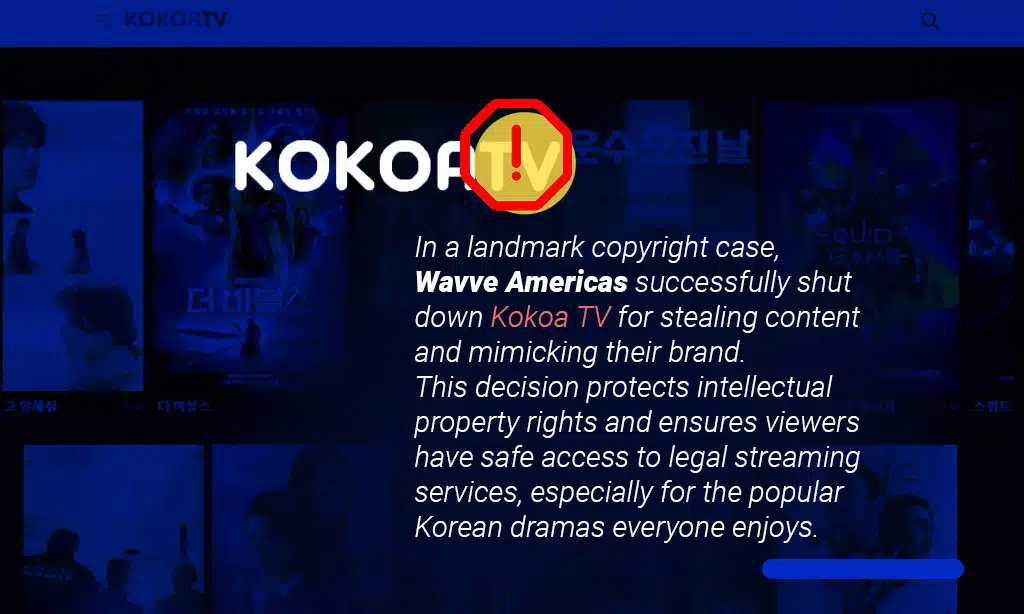
In the US, Kokoa TV faced some big problems. Wavve Americas went to court against them. They said Kokoa TV was using their stuff without permission and confusing people with a name that sounded too much like theirs.
This is a no-go in the world of making and sharing videos online. The court in Arizona told Tumi MAX, who runs Kokoa TV, to stop doing what they were doing wrong.
This fight was not just about names or who gets to show what video where. It touched on big ideas like copyright protection and intellectual property rights – fancy words for keeping your creative work safe from pirates online.
These battles matter because they help decide if you can watch your favorite shows safely and legally. Yes, even those amazing Korean dramas we all love!
Intellectual Property Issues
Kokoa TV got into big trouble over using stuff they shouldn’t have. They showed Korean shows to people far away without the okay from those who made them. This is like if someone took your drawing and told everyone it was theirs.
The court said Kokoa TV had to stop showing these shows because it wasn’t fair to the original creators. They also couldn’t use a name that was too much like “Kocowa,” which really belonged to another company.
This mess taught everyone a lesson about following rules when sharing stories and pictures online. It’s not cool to take what isn’t yours, especially on the internet, where everyone can see it.
Kokoa TV learned this the hard way by getting shut down for not playing by the rules.
Effects on South Korea’s Digital Content Sphere
The fight against online piracy in South Korea took a hit with Kokoa TV’s shutdown. Think about it: Korean shows and movies are everywhere, right? Well, they made up over 15% of content on those not-so-legal sites.
That’s a lot! With the court saying “no more” to Kokoa TV, the wave has turned. Now, creators are worried. They think, “If my show goes online for free, who will pay to watch it?” This fear is big because making shows costs a ton of money.
Then there’s this lawsuit from Wavve Americas talking about copyright and trademark troubles caused by Kokoa TV. It highlights how serious these issues are for folks making digital stuff in South Korea.
Plus, picture this: most people watching Kokoa TV were from places like the US and Canada. These viewers love Korean content but might not know when they’re stepping on creators’ toes by watching pirated stuff.
So now, everyone involved—from big streaming platforms to individual artists—needs to think hard about protecting their work while still sharing it with fans around the world.
Takeaways
Kokoa TV’s story shows us that following the rules matters, especially when sharing or making content online. Wavve Americas’ lawsuit against Kokoa TV for not respecting copyright and trademark laws reminds us all to be careful.
It’s clear that actions like cybersquatting, unlicensed distribution, and digital piracy hurt everyone in the creative process. Copyright holders fought back because their hard work was being shared without permission.
We also learn how vital it is for streamers and streaming services to get the right permissions before showing any content. This helps keep the internet a fair place for both creators and viewers.
Watching your favorite show on sites like YouTube or Netflix feels good because those companies pay respect to those who make our favorite shows possible by getting permission first.
Let’s remember to support this fairness by choosing legal ways to watch and share videos online.