

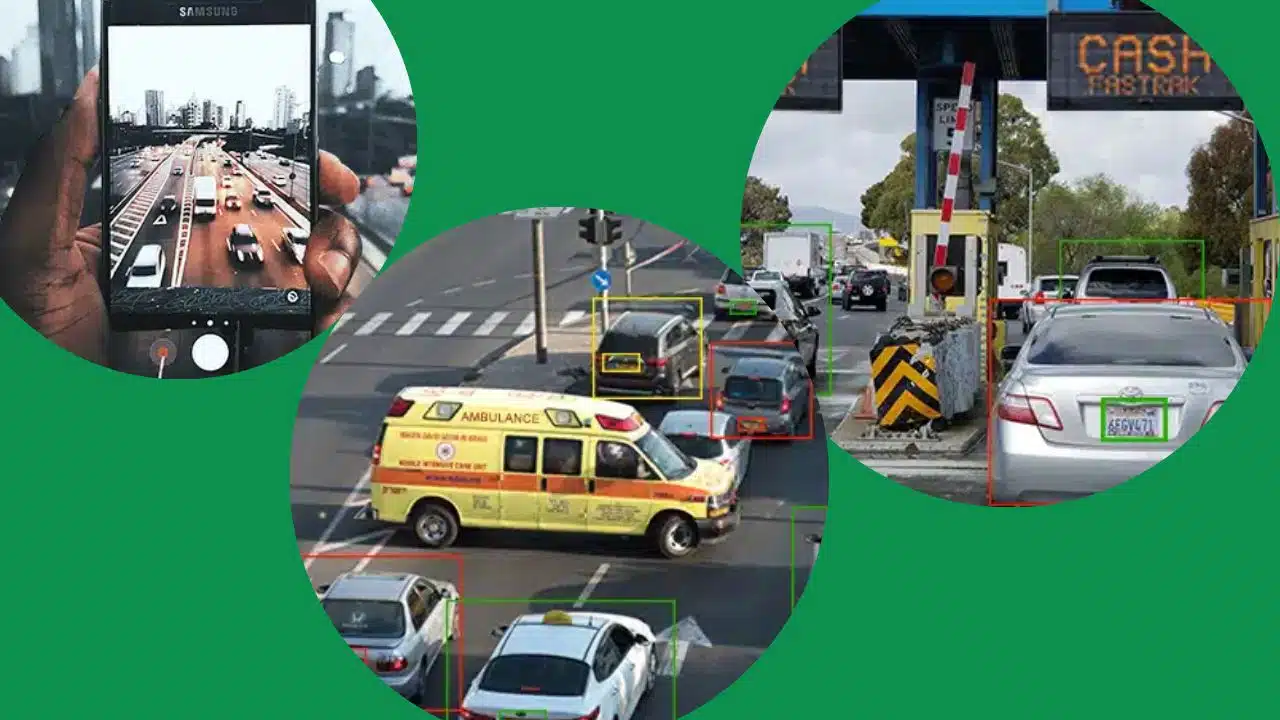
License plate recognition (LPR) technology, at its core, is a fascinating blend of optics, software, and data analytics. It’s like the eyes of a hawk combined with the brain of a supercomputer, always on the lookout. Imagine being able to identify every car that passes by a particular point, noting its details and checking if it’s where it’s supposed to be. That’s LPR for you. Initially developed to assist law enforcement agencies in tracking stolen vehicles, this technology has evolved into a multi-faceted tool with applications ranging from traffic management to business analytics. But how did we get here? Let’s dive into the captivating journey of LPR technology, from its humble beginnings to the advanced systems we see today.
The Early Days of License Plate Recognition
Back in the day, before the digital age truly took hold, license plate recognition was a manual and tedious process. Picture this: officers stationed at checkpoints, armed with notepads and pens, jotting down license plate numbers of passing vehicles. It was a game of memory and speed, often prone to human error. As cities grew and vehicle numbers surged, this method became increasingly impractical. Enter the world of computers. By the late 20th century, rudimentary computerized systems began to emerge. These systems, equipped with basic cameras, would capture images of vehicles. However, the actual recognition part? Still manual. Officers would review these images, one by one, and enter the license plate data into databases. It was a step forward, but the process was still slow and cumbersome. The real breakthrough came with the development of optical character recognition (OCR) software. This software could automatically read and translate the characters on a license plate from a simple image. It was revolutionary. Suddenly, what took hours could be done in mere seconds. The foundation for modern LPR had been laid.
Technological Advancements and Modern LPR
As the 21st century rolled in, the world witnessed rapid advancements in technology, and LPR was no exception. The integration of artificial intelligence (AI) and machine learning took LPR systems to new heights. Instead of just reading license plates, these systems began to “understand” them. Think of it as teaching a robot to not just see, but to recognize and remember. With AI, LPR systems could differentiate between a ‘0’ and an ‘O’, or a ‘1’ and an ‘I’, reducing errors significantly.
Real-time processing became a game-changer. Modern LPR systems could now identify and process license plates of moving vehicles in real-time, making applications like automatic toll collection and traffic violation detection a reality. Imagine driving through a toll booth without stopping, with the fee automatically deducted from your account. That’s the power of modern LPR.
But it wasn’t just law enforcement and traffic management reaping the benefits. Businesses found value in LPR too. Parking lots utilized LPR for automated entry and exit, while logistics companies used it to track and manage their fleet. The versatility of LPR, powered by AI and real-time processing, opened up a world of possibilities, transforming it from a simple recognition tool to a comprehensive solution for various sectors.
Challenges and Ethical Considerations
With great power comes great responsibility, and the rise of LPR technology wasn’t without its challenges. One of the most pressing concerns has been privacy. In a world where an LPR system can track a vehicle’s every move, the line between surveillance and invasion of privacy blurs. Imagine a scenario where every time you drive to a particular location, someone takes note. Over time, patterns emerge, revealing details about your habits, preferences, and routines. It’s like having a digital shadow that never quite goes away.
Accuracy, while improved, isn’t always guaranteed. Misreads can lead to mistaken identities. Consider being wrongly flagged for a traffic violation or, worse, being mistaken for a criminal due to a system error. The implications are vast and can have real-world consequences for innocent individuals.
Moreover, the potential for misuse cannot be ignored. In the wrong hands, LPR data can be exploited for nefarious purposes, from stalking to more organized criminal activities. Establishing strict guidelines and regulations for data storage, access, and usage becomes paramount.
Yet, despite these challenges, the benefits of LPR technology are undeniable. It’s a tool, and like any tool, its value lies in how it’s used. As we continue to innovate and refine LPR systems, striking a balance between utility and ethics will be the key to unlocking its full potential.
As LPR technology matured, its integration with other emerging technologies began to shape the landscape of modern surveillance and data analytics. One such integration was with Geographic Information Systems (GIS). By combining LPR’s ability to recognize and log license plates with GIS’s capability to map and analyze geographic data, a powerful tool for tracking and analyzing vehicle movements was born. Imagine being able to visualize the flow of traffic in a city during rush hour, identifying bottlenecks, and optimizing traffic light timings to ease congestion. That’s the synergy of LPR and GIS at work.
Another significant integration was with the Internet of Things (IoT). As devices became smarter and more interconnected, LPR systems began to communicate with other devices in real-time. For instance, a smart parking system could use LPR to identify a vehicle, check if it has a valid parking subscription, and then automatically open the barrier, all within seconds. Similarly, in logistics, LPR integrated with IoT could track a truck’s journey, ensuring timely deliveries and optimizing routes.
Furthermore, the fusion of LPR with big data analytics has opened doors to deeper insights into traffic patterns, vehicle behaviors, and urban planning. By analyzing vast amounts of data collected by LPR systems, city planners can make informed decisions on infrastructure development, public transportation routes, and even environmental initiatives.
In essence, while LPR started as a standalone technology, its true potential is being realized as it intertwines with other technological marvels, creating a web of interconnected systems that promise to revolutionize the way we perceive and interact with our urban environments.






















