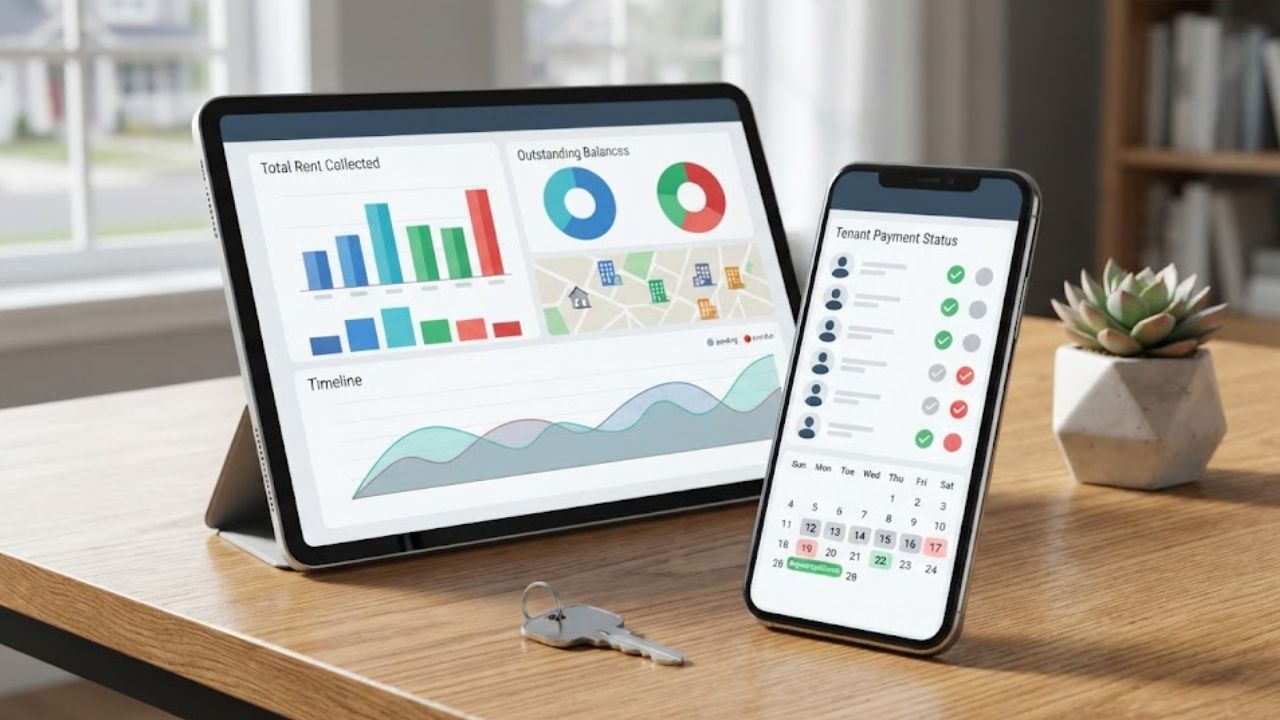
It’s the 3rd of the month. One tenant paid through Zelle, one mailed a check that hasn’t shown up, and the third sent half the rent on Venmo with a pizza emoji. Sound familiar? That mess is why rent collection apps for independent landlords exist, and the good ones cost you nothing.
Here’s the honest breakdown.
This list covers the 10 apps small landlords (one to 20 doors) actually recommend, with fees checked in October 2026. You’ll see who pays the fee, how fast money hits your bank, and which paid upgrades are a waste of money.
Why Venmo and Zelle Aren’t Rent Collection Apps for Independent Landlords
Most beginners make the mistake of thinking Zelle is “good enough.” It’s fast and free, sure. But it gives you no ledger, no automatic late fees, no receipts, and no way to stop a tenant from sending $600 when they owe $1,500. Real rent collection apps for independent landlords handle all of that.
That last one matters more than people think. In some states, accepting a partial payment can reset or weaken an eviction notice you already served. Check your state’s rules before you take any partial rent.
Taxes? Less of a worry now. A 2025 federal law put the Form 1099-K threshold back at more than $20,000 and more than 200 transactions, so a landlord with a couple of tenants on Venmo likely won’t get one. You still report every dollar of rent either way.
The 10 Best Rent Collection Apps for Independent Landlords
These rent collection apps for independent landlords are ranked by three things: total cost for a landlord with under 10 units, who eats the bank fee, and what users grumble about after six months. Fees change often, so double-check them before your tenants sign up.
1. Zillow Rental Manager: Free for Everyone on ACH
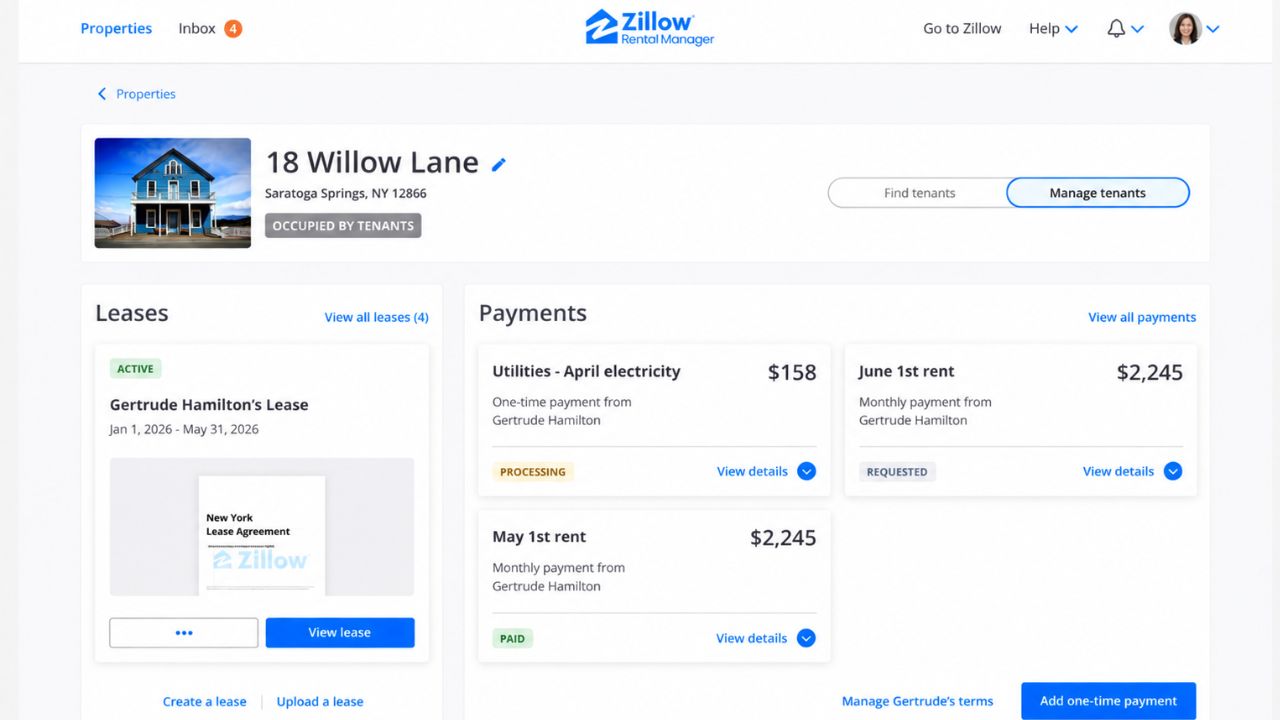
Zillow charges landlords nothing to collect rent, and tenants pay nothing by bank transfer. That’s rare. Cards cost tenants 2.95%, and debit cards carry a flat $9.95 fee. It also takes deposits, utilities, and one-time charges.
The common complaint? Money can take up to five business days to land, and there are no automatic late fees. You’ll chase late payers yourself.
2. Baselane: Best If You Also Want Clean Books
Baselane bundles rent collection with a free banking account and bookkeeping that tags income by property. Come tax time, your Schedule E numbers are basically done. Deposits take two to five business days, and the Smart plan runs about $20 a month billed yearly (most small landlords never need it).
3. Avail: Strong Free Plan, Smart Upgrade
Avail’s free plan charges tenants $2.50 per ACH payment. The Unlimited Plus plan costs $9 per unit a month, waives that fee, and adds next business day deposits. For two units, that’s $18 a month. Worth it only if fast cash flow really matters to you.
4. TurboTenant: All in One for Beginners
TurboTenant is free for landlords and handles listings, screening, leases, and rent. Tenants pay $2 per ACH payment (or 3.49% by card), unless you buy a paid plan starting around $149 a year, which waives the ACH fee. If you ask anyone who’s used it daily, the setup is easy and the deposit wait is the weak spot.
5. RentRedi: When Tenants Want to Pay in Cash
RentRedi lets tenants pay cash at more than 90,000 retail stores, which solves the “my tenant doesn’t have a bank account” problem. It also blocks partial payments. Plans start around $5 a month, and ACH costs $1.
6. Apartments.com Rental Manager: Free ACH, Lower Card Fee
This free tool (the old Cozy) charges tenants nothing by ACH and 2.75% by card. Deposits take two to five business days. Simple and solid.
7. Innago: Free, With Fees You Can Absorb
Innago costs landlords nothing. ACH runs $2 and cards are 2.99%, and you choose whether you or the tenant pays. Good pick if you want to offer “no fee rent” as a perk.
8. TenantCloud: Cheap Accounting Built In
TenantCloud starts near $15 a month on a yearly plan, with automatic late fees and built-in accounting. ACH fees drop from $1.95 to $1.50 as you move up plans. Long term users mention slow deposits, often five to seven business days.
9. Rentec Direct: For Landlords Growing Past 10 Doors
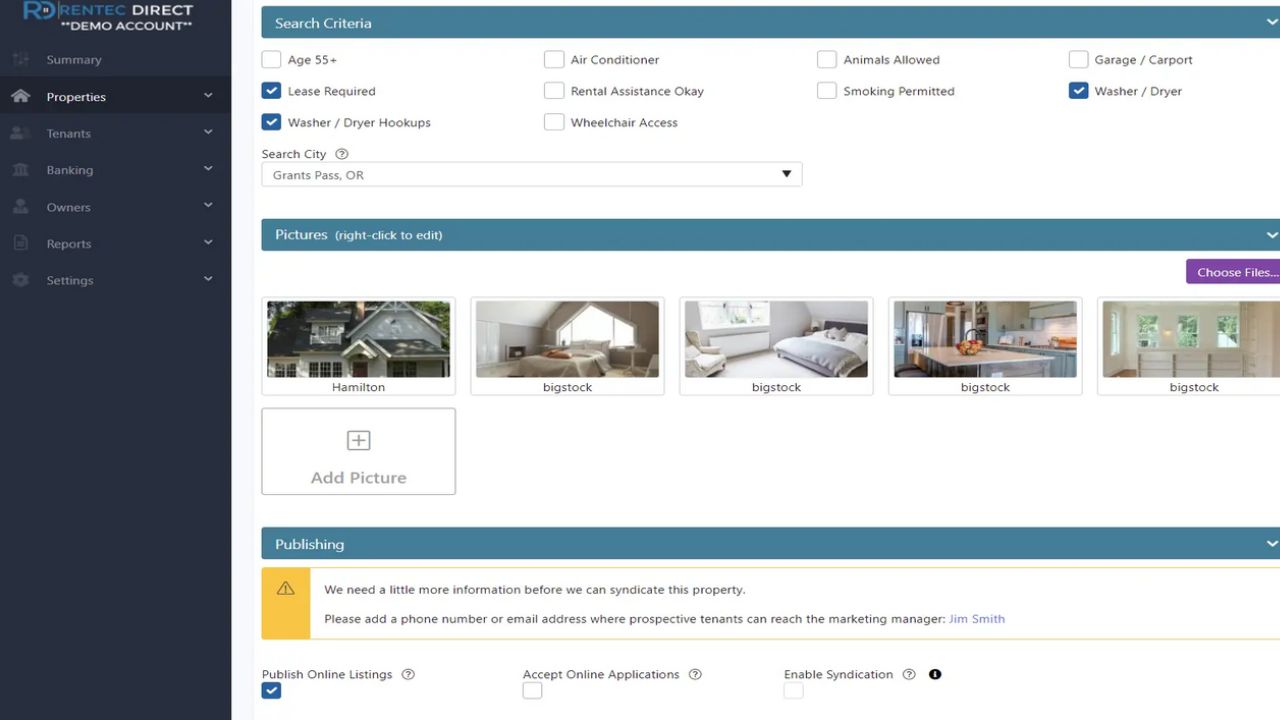
Rentec Direct starts around $25 a month and adds owner portals, cash payments, and listing tools. Free ACH. Overkill for one rental. Great at 15.
10. ClearNow: Pure Autopay, Nothing Else
ClearNow does one job. It pulls rent from your tenant’s bank on a schedule, including biweekly or twice a month for tenants paid on those cycles, and reports payments to Experian. It costs about $14.95 a month. No cards, no extras.
Who Pays the Fee? A Side-by-Side Look
The sticker price of rent collection apps for independent landlords means little until you see the per-payment fee. Here’s how the free tiers compare:
| App | Landlord cost | ACH fee | Card fee | Deposit time |
|---|---|---|---|---|
| Zillow Rental Manager | Free | $0 | 2.95% | Up to 5 business days |
| Apartments.com | Free | $0 | 2.75% | 2 to 5 business days |
| Avail (free plan) | Free | $2.50 | 3.5% | Up to 3 business days |
| TurboTenant (free plan) | Free | $2 | 3.49% | Not stated |
| Innago | Free | $2 | 2.99% | 1 to 3 business days |
| RentRedi | From $5/mo | $1 | 3.1% + $0.30 | 2 to 3 business days |
A $2 ACH fee sounds tiny. Over 12 months and three tenants, it’s $72 a year coming out of someone’s pocket, so decide upfront whether that’s you or them.
What’s Worth Paying For (and What Isn’t)
Most rent collection apps for independent landlords push a paid tier hard. A few upgrades earn their price. Plenty don’t.
Pay for These
- Partial payment blocking, if your state treats partial rent as a waiver of eviction rights.
- Automatic late fees. Zillow doesn’t have them, and chasing late fees by text gets awkward fast.
- Faster deposits, only if your mortgage payment lands within a few days of rent.
Skip These
Credit reporting add-ons sound nice, but tenants usually pay for them (Avail’s CreditBoost runs $3.95 a month), not you. Fancy “AI insights” dashboards don’t help with three units. And premium listing boosts? Most small landlords fill units fine without them.
The truth is, the money’s better spent on good tenant screening. One bad tenant can cost more than years of any app’s premium plan.
What Breaks After Six Months
Landlords on forums keep raising the same three gripes. Tenants forget to turn on autopay, so the first late payment shows up in month two. Deposit times run slower than advertised around holidays. And switching apps later means asking every tenant to reconnect their bank, which some just won’t do.
Pick carefully the first time. Switching hurts.
Final Thoughts
Start free. Zillow Rental Manager or Apartments.com covers most one to five unit landlords with zero ACH fees on either side. Want clean books too? Baselane. Tenants who pay in cash? RentRedi. The best rent collection apps for independent landlords are the ones your tenants actually use every month, so ask them before you pick.
If you’re filling a vacancy soon, 3D virtual tour apps for real estate listings can cut down on wasted showings. And if you’re eyeing your next property, it’s worth reading up on green building real estate investment before you buy.
Frequently Asked Questions (FAQs)
What is the best free app to collect rent?
Zillow Rental Manager. Landlords pay nothing, and tenants pay nothing by bank transfer.
Can landlords use Zelle or Venmo for rent?
You can, but you lose records, late fee automation, and partial payment blocking. A rent app protects you better.
Who pays rent collection app fees?
Usually the tenant, on ACH or card payments. Many apps let landlords cover the fee or waive it on paid plans.
How long do online rent payments take to arrive?
Most ACH payments land in one to five business days. Some paid plans offer next day deposits.
Do I get a 1099-K for collecting rent online?
Only if payments through one platform top $20,000 and 200 transactions in a year. You still report all rent as income.
Should I accept partial rent payments?
Check your state law first. In some states, taking partial rent can affect an eviction already in progress.