
You need an app that pings you when fares actually drop, not when someone wants your attention. I tested 12 tools for this list of the Best Cheap Flight Alert Apps in 2026.
Each one had to clear a real bar: route-specific alerts that work, or a proven record of surfacing fares you’d miss on your own. Every entry shows what it does well and where it lets you down.
1. Google Flights: The Free Baseline Everyone Should Start With
Check this one before anything else. It watches your actual route and pushes real fare drops of 20% or more compared to 30-day medians.
Track Prices for Any Route, Any Date
The setup takes about a minute. Pick a route and dates, flip on “Track prices,” and Google emails you when the fare moves. Specific dates work, and so do flexible ranges. A price graph lays out the cheapest days to fly at a glance, which helps when your schedule has some wiggle room.
The Catch: You Have to Know Where You’re Going
Google Flights only alerts you on routes you set up yourself. No destination in mind, no deals. It won’t surface bargains you never thought to search for.
2. Going (Formerly Scott’s Cheap Flights): Mistake Fares and Hidden Deals in Your Inbox
A human checks every deal before it goes out. You only hear about flights that run 40–90% off normal prices. Going charges for its best finds, but the service has been featured by The New York Times and The Today Show.
What You Get at Each Tier
The free plan sends a limited number of deals. Paid Premium and Elite tiers bring more frequent alerts plus premium-cabin fares. Most of the international bargains sit behind the paywall.
The Catch: Free Plan Is Limited, Paid Plans Unlock the Best Deals
The free tier gives you a taste. The mistake fares and international steals that made Going famous mostly need a subscription, so decide whether that fits how often you actually travel.
3. Hopper: Price Predictions That Tell You Whether to Book or Wait
Should you book now or gamble on the price dropping? Hopper attacks that question with fare predictions; it claims to have hit up to 95% accuracy.
How the Forecast Works for Your Trip
Hopper analyzes billions of price quotes, then tells you to buy now or wait. When fares look likely to fall, it says hold off.
The Catch: Book Elsewhere — Hopper’s Booking Fees Add Up
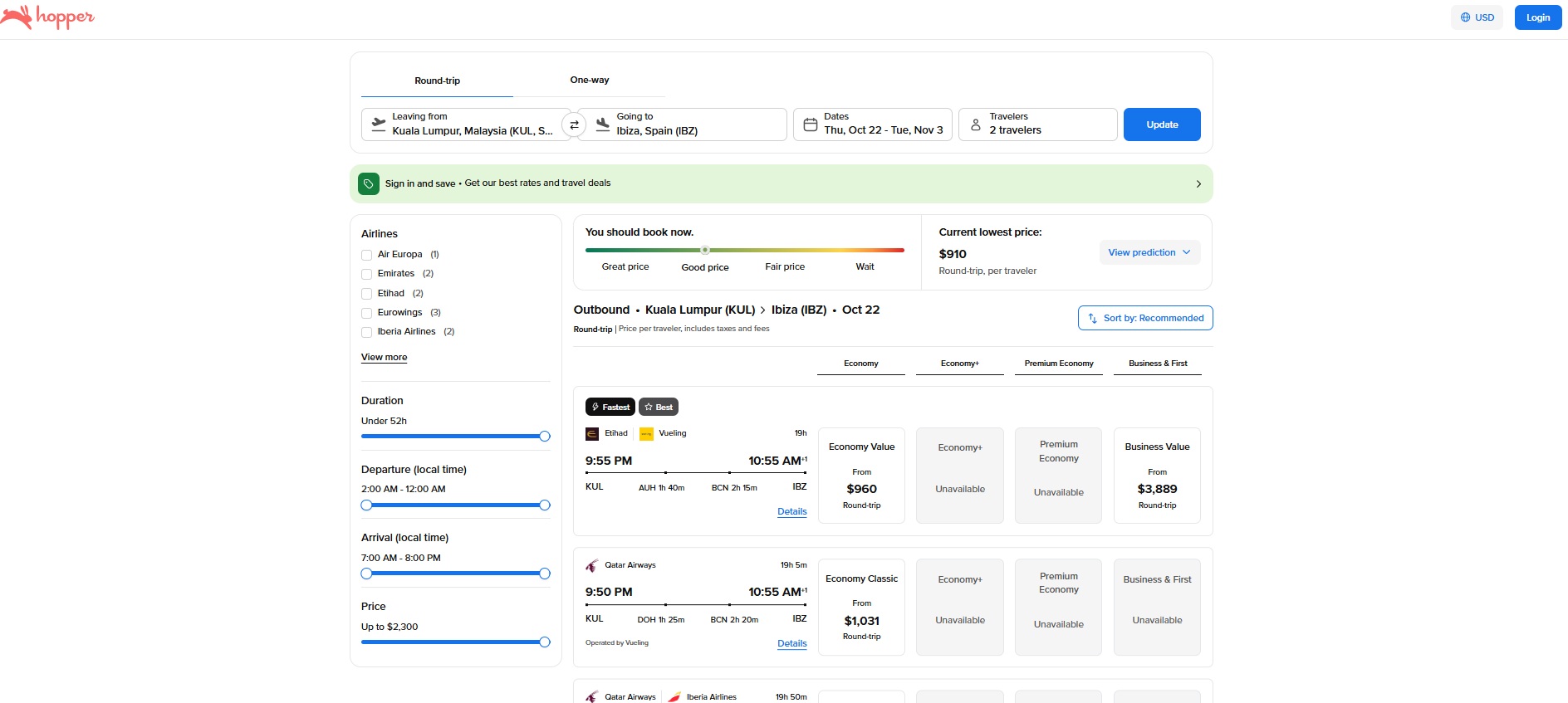
The predictions earn their keep. Booking through the app doesn’t. Service fees stack on top of the fare, so take Hopper’s forecast and then book directly with the airline or a fee-free site.
4. Skyscanner: Best When You’re Flexible on Destination
That “book elsewhere” lesson applies here too, though for a different reason. Skyscanner shines when the price matters more to you than the place.
The “Everywhere” Search and Explore Tab
Set the destination to “Everywhere,” and Skyscanner shows the best flight deals worldwide for your dates. If you’re short on ideas, the “Explore” tab serves up recommended trips.
The Catch: Price Alerts Are Broad, Not Route-Specific by Default
Skyscanner’s alerts work best after you’ve narrowed things down. Browsing “Everywhere” is fun, but you can’t set one alert for the cheapest place to go from my airport next month and forget about it.
5. KAYAK: Price Alerts Across Hundreds of Sites at Once
Manual price checks eat hours. KAYAK turns that chore into a single set of alerts.
What the Price Forecast Feature Actually Tells You
KAYAK scans hundreds of sites and forecasts whether fares on your route will rise or fall. It also flags “Hacker Fares,” which pair two one-way tickets on different airlines to beat round-trip pricing.
The Catch: Redirects to Third-Party Sites Can Be Clunky
Click to book, and KAYAK hands you off to another site. That can mean extra steps, and sometimes the price you saw isn’t the price at checkout. Always verify the final fare before entering payment.
6. Secret Flying: Mistake Fares and Glitch Deals From Around the World
Secret Flying tracks fares airlines may have priced in error. It’s one of the few services built around finding them.
How the Alerts Reach You
On the website and social media, I can scan deals when it suits me. Email alerts are optional, so they won’t flood your inbox unless you sign up. The routes span the world. Premium-cabin fares sometimes match economy prices, which makes those deals especially tempting.
The Catch: Deals Vanish Fast and Departure Cities Aren’t Always Yours
Airlines may correct mistake fares within hours, leaving little time to book. Plenty of deals also leave from cities far from home. You may need a separate positioning flight to reach the departure airport, and that cost can eat into your savings.
7. Dollar Flight Club: Affordable Premium Alerts for International Deals
The deals cluster on international routes, and the subscription undercuts what several rivals charge. Domestic routes get far fewer deals. A free account lets you sample the service before you pay anything, so you can see how the alerts look on your own routes.
What the Free vs. Premium Tiers Include
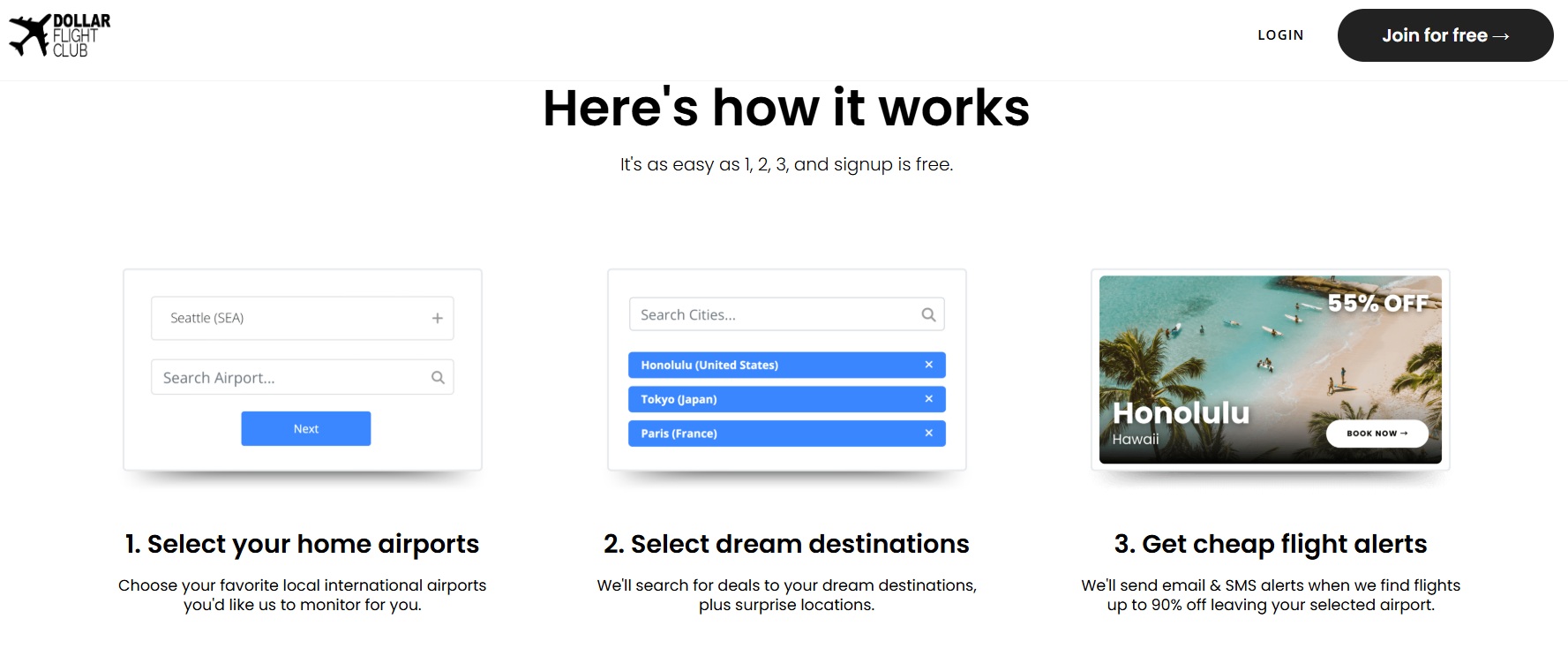
A free account gets you a limited sample of deals. Premium adds international and premium-cabin alerts, and the service has been ranked among the best flight deal services alongside Going and Secret Flying. Whether it’s worth paying for depends on how you travel, not on what the app does.
The Catch: Best for International—Domestic Deals Are Thinner
One well-priced international trip can cover the fee on its own, so count your trips abroad before you commit. If you mostly fly within the US, the alerts may not impress you.
8. Skiplagged: Hidden-City Deals the Airlines Don’t Want You to Find
The airline never meant to sell you that ticket, but the fare exists. Skiplagged prices the trip as City A to City C, and you get off at City B.
How Hidden-City Ticketing Works
You skip the last leg because the layover city was where you wanted to go all along. These fares sometimes undercut direct flights by a wide margin, and Skiplagged finds them when other apps won’t even look.
The Catch: Carry-On Only, and No Frequent Flyer Credit
Check a bag and it flies on to the final destination without you, which is why you travel carry-on only. Airlines withhold frequent flyer credit too, and some ban the practice outright in their terms of service.
9. FareCompare: Real-Time Alerts With a Clean, No-Frills Interface
FareCompare watches the routes you care about and pings you when fares drop. Its emails are about timing: when to fly and when to buy.
What the Advice Emails Actually Tell You
The app compares current prices against recent medians, so a drop it flags is a real drop. The “When to Fly” emails name the cheapest dates and the right moment to buy.
The Catch: Interface Feels Dated and Deals Are US-Centric
The design looks a decade old. Coverage leans hard toward US airports, and international departures from outside the US get far fewer alerts.
10. Airfarewatchdog: Human-Curated Deals Including Budget Airlines
Small budget carriers can slip past automated apps entirely, so Airfarewatchdog’s editors review those fares before sharing them.
Why Human Eyes Still Catch What Algorithms Miss
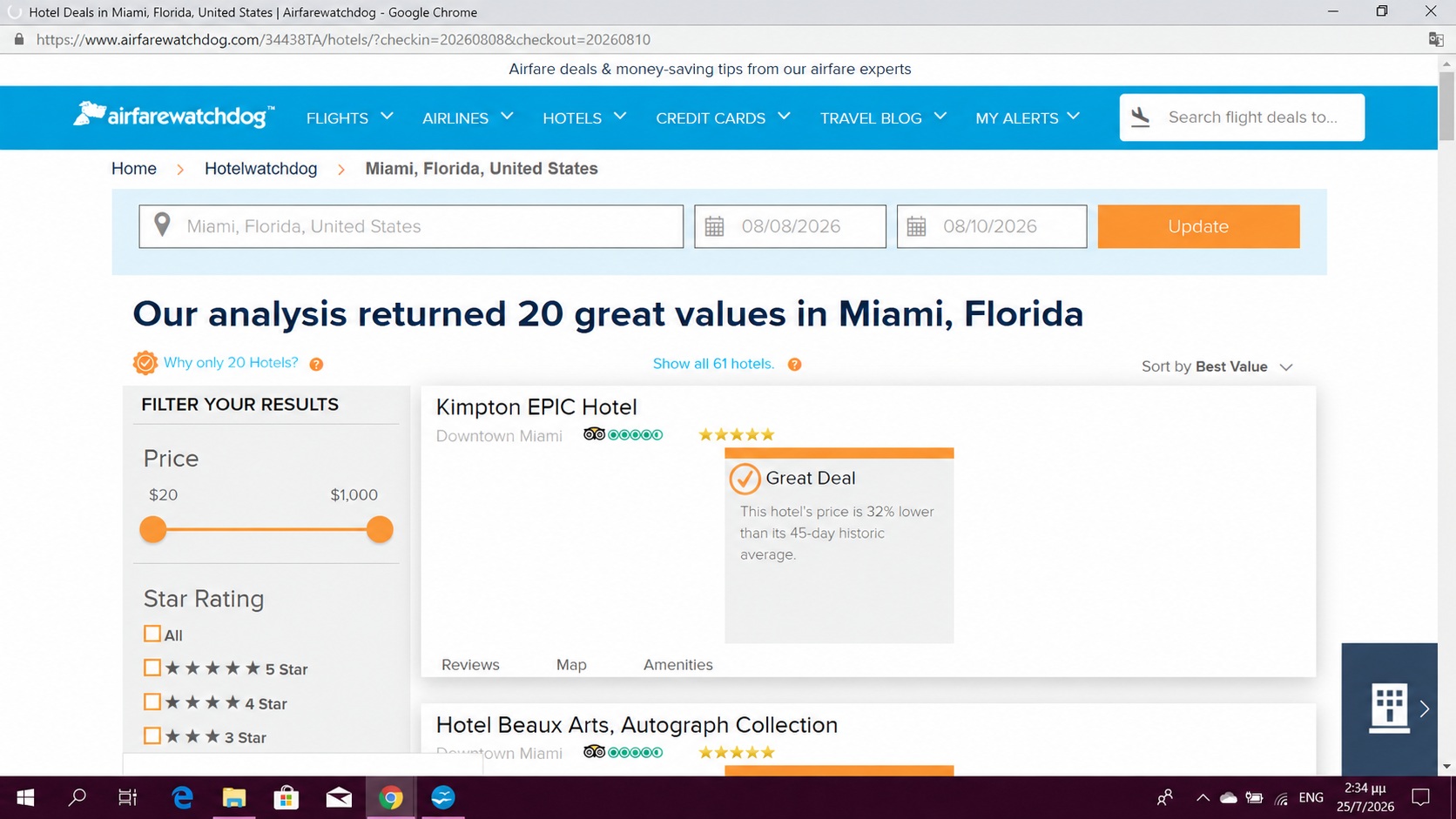
The team checks fares by hand, including deals from smaller carriers that automated systems often miss. Nothing goes out until a human has vetted it, so the cheap flights you hear about really are discounted.
The Catch: Alert Volume Can Be Overwhelming
Alerts keep coming and your inbox fills quickly. Set them to specific routes only and the clutter drops fast.
11. FlightRadar24: Not a Deal App, But a Tool That Helps You Time Bookings
A half-empty route may give an airline a reason to cut fares. FlightRadar24 lets you watch live air traffic before you check prices.
Using Flight Data to Spot Underbooked Routes
The app tracks live air traffic, so you can see how full a plane is before you ever see a fare. If a route keeps flying half empty, the airline may cut fares to fill seats. Checking loads is one more signal, though in 2026 it still adds work on your end.
The Catch: Indirect Strategy — Not a Traditional Alert App
You do the legwork yourself, and no notification will say “book now.” An underbooked flight may never get cheaper before your travel date.
12. NextVacay: Low-Cost Annual Membership for International Mistake Fares
The annual membership costs less than some competitors, and it suits anyone who flies abroad at least once a year. Flexibility on dates and destinations helps.
What You Get for the Membership Fee
Members receive mistake fares and deeply discounted international deals. Use the app regularly and those can add up to real savings. The deals focus on international routes out of US airports, so there’s little here for domestic flyers.
The Catch: Best Value Only if You Book International at Least Once a Year
Fly domestically, or travel once every couple of years, and the membership won’t pay for itself the way a single international trip would. Mistake fares also rarely land exactly where you planned. How far your dates and destinations can bend before you book is something only you can answer.
Final Words: Cheap Flight Alert Apps
If you already know your route, a free tracker like Google Flights does the job. Flexible plans suit Skyscanner’s Everywhere you search, and going or secret flying can surface mistake fares.
One international trip a year is enough to make a paid service pay for itself. Fly less than that, and you’re better off matching the app to your habits, setting alerts only around trips you actually plan to take.
Test a free tracker on your next route before you pay for anything.