

When campaign responses live in one place and sales follow-ups in another, a small team can lose track of who needs a reply—or why a lead came in. The best CRM tools for small marketing teams connect customer records with the work that follows: a campaign response, a sales conversation, or a reminder to check in.
The tools below serve different kinds of teams. Some combine CRM and marketing features; others are better at email automation or sales pipelines. The order favors options with a useful fit for small teams, not products tested against one another.
The best CRM tools for small marketing teams should make contact management and campaign follow-up easier to maintain. I considered documented CRM and marketing features, entry-level limits, add-ons, and how clearly each platform suits a particular workflow. The list includes full CRM suites as well as marketing tools with lighter CRM functions.
Before Choosing CRM Tools for Small Marketing Teams
When comparing the best CRM tools for small marketing teams, look beyond the starting price. Some plans count users, others count contacts or email volume. A feature shown on a product page may also require a higher plan or a separate add-on.
Before importing your contacts, check how the platform handles duplicates, unsubscribes, and consent records. Decide who will keep the database current, too. A CRM can’t compensate for a team that leaves lead stages and contact details untouched.
1. HubSpot CRM
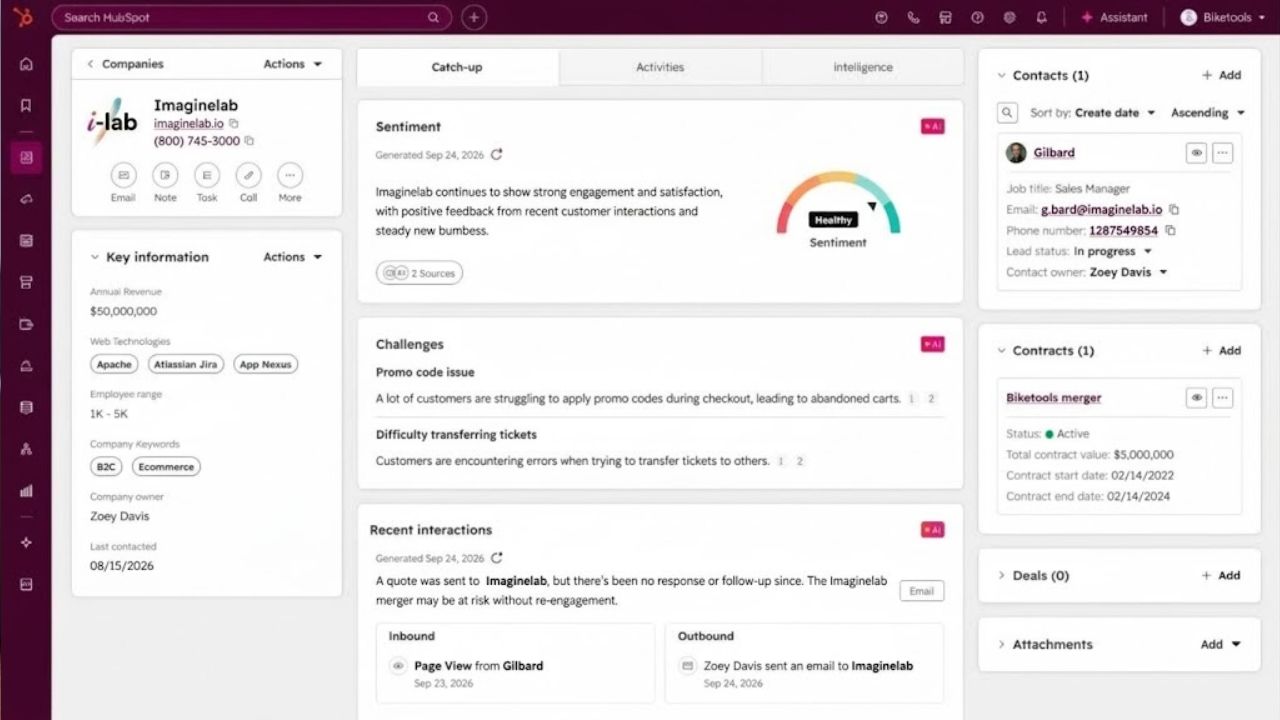
HubSpot earns its place among the best CRM tools for small marketing teams that are moving away from spreadsheets. Its free CRM allows up to two users and 1,000 contacts, with no time limit. It provides a starting point for organizing contact and deal records before a team pays for more advanced tools.
The two-user limit is the first thing a growing team should check. Free access is useful for getting records into one place; it does not mean every marketing feature is free.
2. Brevo
Brevo suits teams whose work starts with email campaigns. Its platform combines customer management with email, SMS, WhatsApp, and chat. The company lists a free plan and paid plans from $9 a month, but the email volume selected can affect both the price tier and contact allowance. Check the current limits against your list size and sending schedule.
If a newsletter and simple lead follow-up are the main jobs, Brevo may be easier to justify than a sales-focused CRM with separate marketing software.
3. Zoho CRM
Zoho CRM is among the best CRM tools for small marketing teams that want to connect campaign activity with leads and deals. Its free edition supports up to three users. CRM campaign tools include forms and campaign tracking; email campaigns are powered by Zoho Campaigns, so check the features and limits available to your account before budgeting.
Zoho’s range of products can be helpful as a business grows, but it can also make setup harder to scope. Decide which apps the team actually needs instead of adopting the whole ecosystem by default.
4. Freshsales Suite
Freshsales Suite brings marketing automation and CRM into one workspace. Its documented features include landing pages, visitor activity, email campaigns, customer journeys, and campaign analytics. The pricing page lists a free plan and paid options from $9 USD; check the current billing terms and feature limits for your market.
It belongs on a shortlist of the best CRM tools for small marketing teams when sales needs to see how a lead engaged before a handoff. A team sending only occasional newsletters may not need the additional tools.
5. ActiveCampaign
ActiveCampaign focuses on email marketing and automation. Its plans start at $15 a month and scale with contact volume and feature needs. However, enhanced pipeline CRM features are add-ons on eligible plans, not a standard inclusion across every tier.
That makes ActiveCampaign a better fit for teams that put automated nurturing first and are prepared to budget for CRM add-ons. If the main need is a straightforward sales pipeline, compare the total cost with a CRM that includes pipeline management in its core plan.
6. Pipedrive
Pipedrive is built around sales pipelines: teams can track leads, assign follow-ups, and see where opportunities stand. Email marketing is available through Campaigns, a paid add-on. Contacts also need to be marked as subscribed before they can receive campaigns.
Choose it when sales follow-up is the problem to solve and marketing email is a supporting task. It is less compelling as a stand-alone choice for a team that needs advanced campaign automation.
7. EngageBay
EngageBay bundles CRM with email broadcasts, sequences, landing pages, and other marketing tools. Its free plan lists 250 contacts and is advertised for up to 15 users. That may accommodate a small team’s access needs, but a contact list can reach the plan limit quickly.
EngageBay is among the best CRM tools for small marketing teams that want to try an all-in-one system without an initial subscription. Before importing a list, confirm that the free tier includes the automation and contact capacity the team needs.
8. Salesforce Starter Suite
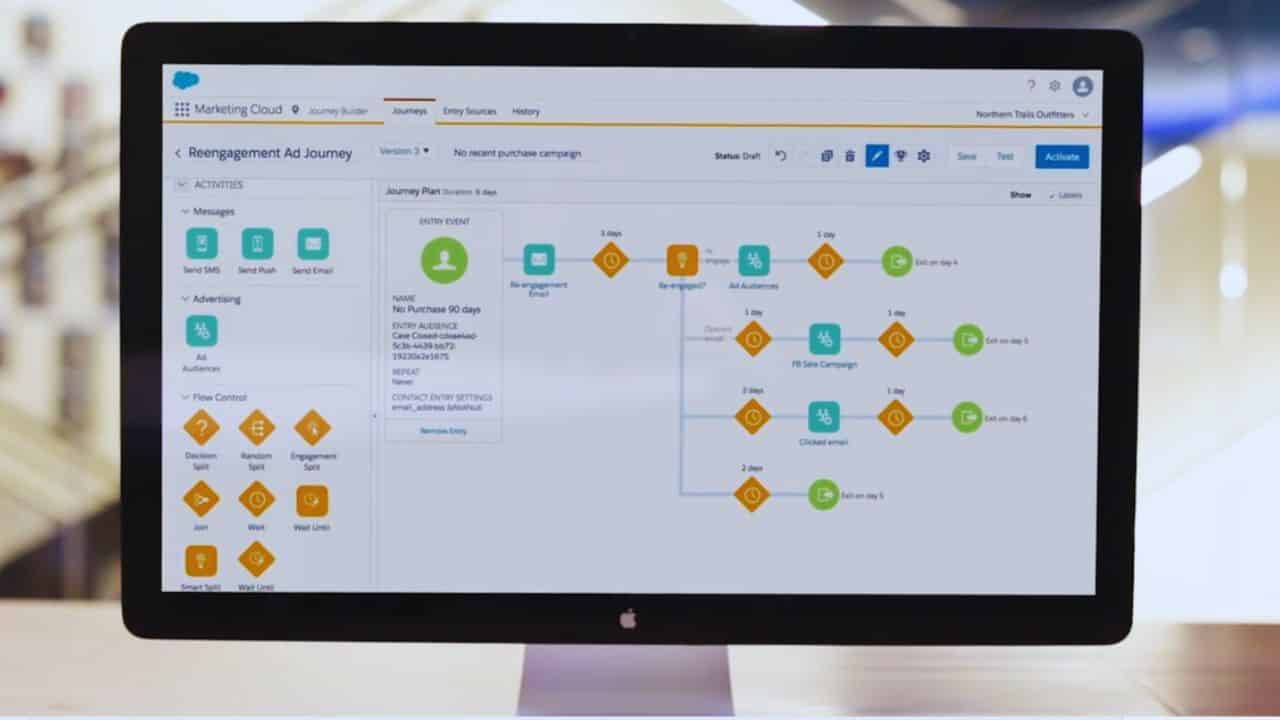
Salesforce Starter Suite brings sales, marketing, service, commerce, and Slack into one platform. Its current U.S. listing starts at $25 per user per month and includes 2,000 monthly emails. Salesforce also offers a separate free suite for up to two users. Pricing and availability may vary by market.
The breadth is useful if a small business wants several connected functions. For a team that needs only a contact list and a newsletter, the extra scope may add cost and setup without solving a pressing problem.
9. Mailchimp
Mailchimp is strongest for email marketing and audience management. Its contact profiles and segmentation help organize subscribers and tailor campaigns, but it is better treated as an email platform with CRM-style contact tools than as a full sales pipeline CRM.
The free plan is limited to 250 contacts, one audience, one seat, and 500 monthly sends, with a daily cap of 250. That may suit a small newsletter; teams that need shared deal stages should look elsewhere or connect Mailchimp to a dedicated CRM.
10. Keap
Keap combines contact management, segmentation, and business automation. Its use case is narrower than a general-purpose marketing CRM: it may suit a small service business with recurring customer follow-ups, but its price is a serious hurdle for a lean team.
Keap’s pricing page lists $299 per month when billed monthly or $2,988 annually, and says an implementation package is required. It also asks potential customers to check for promotions. Confirm the current offer, contact allowance, and full setup cost before signing.
Final Thoughts
The best CRM tools for small marketing teams are the ones that fit a workflow people will keep up to date. Start by naming the actual bottleneck: scattered customer records, slow lead follow-up, email nurturing, or sales visibility. Then compare the plans that include the required users, contact volume, and campaign features. A smaller system your team maintains is more useful than an elaborate one it abandons.
Frequently Asked Questions (FAQs)
Does a small marketing team need email marketing built into its CRM?
No. A separate email platform can work if it syncs reliably and preserves campaign activity and unsubscribe status.
Can a team start with a free CRM?
Yes, provided the user, contact, and sending limits fit. Check the caps before importing the full database.
What should a team check before switching CRMs?
Review data export, duplicate handling, integrations, consent records, and the total cost of the plan you’ll need.