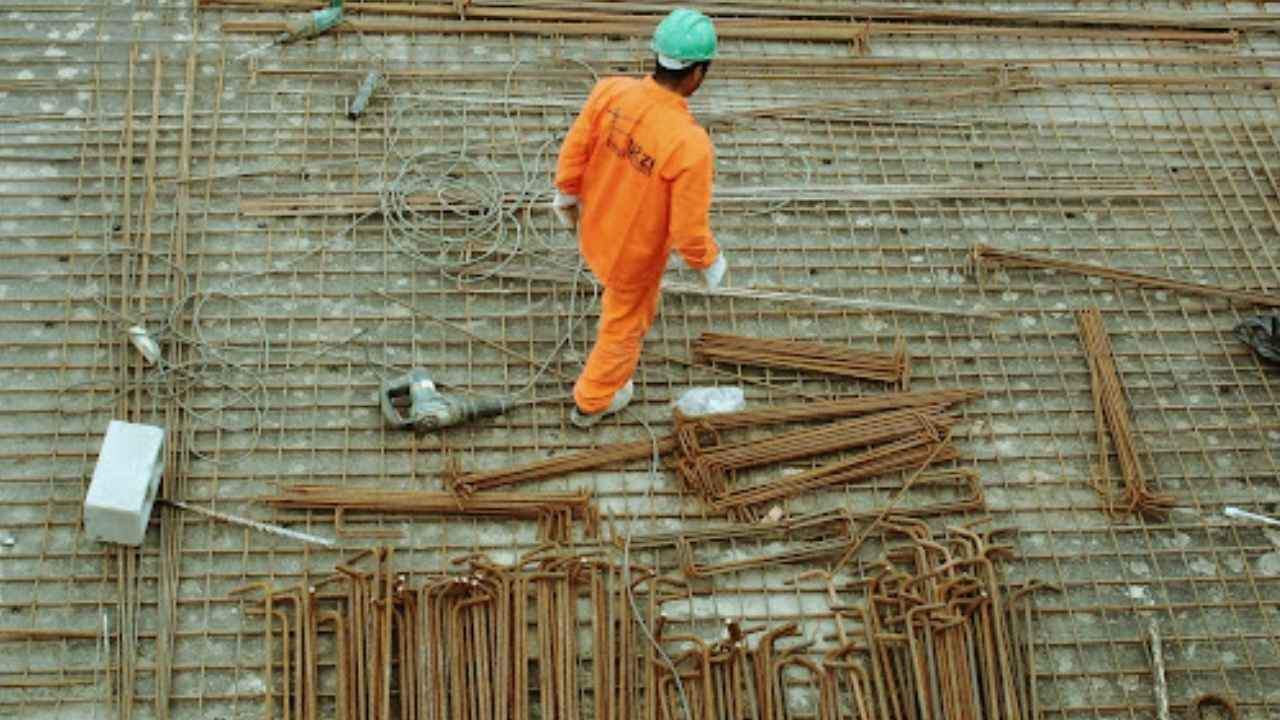
Over the past century, the very elements we build with have undergone monumental shifts, fundamentally altering our skylines. Steel, concrete, and wood each continue to leave their mark, but new contenders are emerging, promising durability and sustainability. This indispensable backbone of construction has, in no uncertain terms, dictated our urban and rural landscapes.
Concrete: The Indomitable Choice
Concrete has shown a formidable presence in the world of construction for over a century. Its strength, affordability, and moldability make it irreplaceable. However, the environmental cost of cement is staggering, contributing to significant carbon emissions. Researchers claim that innovations in green concrete, using recycled materials or lower-energy production methods, could potentially mitigate these impacts. Whether or not this will reshape the ethos of construction remains to be seen.
Continuing advancements in nanotechnology offer promising modifications to traditional concrete. By incorporating nanoparticles, concrete can become more resistant to water and heat, significantly extending its lifespan and performance. Scientists are particularly enthusiastic about the enhanced self-healing properties, which promise to curtail the need for frequent repairs and maintenance, thereby reducing overall resource consumption.
Steel: The Backbone of Skyscrapers
Steel remains a dominant force in defining city skylines. Its ability to bear immense tension and compression makes it the preferred material for giant structures like skyscrapers and bridges. Interestingly, until the 19th century, the world had nothing to compare to its robustness and it wasn’t long until steel ushered in a new era of high-rises. Today, advances in steel processing aim to reduce environmental impact while increasing its tenacity and flexibility. Despite these efforts, the industry wrestles with challenges, particularly around resource depletion and pollution.
Increasing efforts within the industry focus on integrating recycled steel to reduce environmental footprints, addressing the massive energy expenditures traditionally associated with steel production. Simultaneously, the adoption of advanced metallurgical techniques is enhancing steel’s resilience, enabling even taller and more intricate skyscrapers. This push towards eco-friendly practices is paving the way for smarter and more sustainable urban development.
Furthermore, the integration of related technologies, such as high pressure gas pipe systems, can play a pivotal role in supporting innovative construction and infrastructure projects. By offering reliable solutions for gas transportation, these systems contribute not only to functionality but also to safety and environmental efficiency within urban environments.
Wood: A Timeless Yet Resurgent Player
Although often overshadowed by steel and concrete, wood has always held a place in construction. Lately, innovations in mass timber products are bringing it back into the spotlight. Cross-laminated timber, or CLT, offers the warmth and beauty of wood, with the structural integrity to compete with steel and concrete. Its sustainable pedigree earns it favor in eco-conscious circles. Driving the trend toward wooden skyscrapers, wooden beams echo historic architecture yet propose new possibilities.
The versatility of wood extends beyond mere structural application; it plays a role in promoting healthier indoor environments. Its natural capacity to regulate humidity and sound, combined with aesthetic appeals, contributes to improving the quality of life within these structures. Organizations championing sustainability in construction frequently advocate for greater adoption of timber, citing its potential to offset carbon emissions and reduce reliance on non-renewable materials.
The Rise of Novel Materials
Amidst the giants, new materials are emerging, each promising to rewrite construction narratives. Carbon fiber and composites, traditionally seen in aerospace and automotive industries, are finding niche applications in architecture due to their lightweight yet strong characteristics. On another front, graphene-enhanced composites are posing as serious competitors, bringing forward ideas of strength and conductivity that few could envision. Although nascent today, these materials whisper of futuristic cities where buildings might stand not on foundations but on cutting-edge science.
Recent explorations into bio-based materials hint at a future where constructions draw inspiration and substance from nature itself. Researchers at the frontier of material science envision structures integrated with biological elements, designed to evolve and adapt over time. Motivated by the challenges of sustainability, such prospects are not only practical but align closely with a growing ethos towards coexistence with the natural world.
Final Thoughts
The construction industry is a testament to humanity’s relentless drive for progress. While steel beams and concrete slabs continue to erect cities, a new generation of materials stands poised at the threshold, ready to elevate our built environment. As we look toward this horizon, the only certainty is that industrial materials will continue to evolve, shaping both landscapes and so much more. In this period of remarkable transformation, what lies ahead is yet to take solid form in iron, wood, or something else entirely.