Have you been putting off a smile upgrade because you worry about cost, pain, or ending up with teeth that do not look like you? If so, this BrassSmile complete guide is for you.
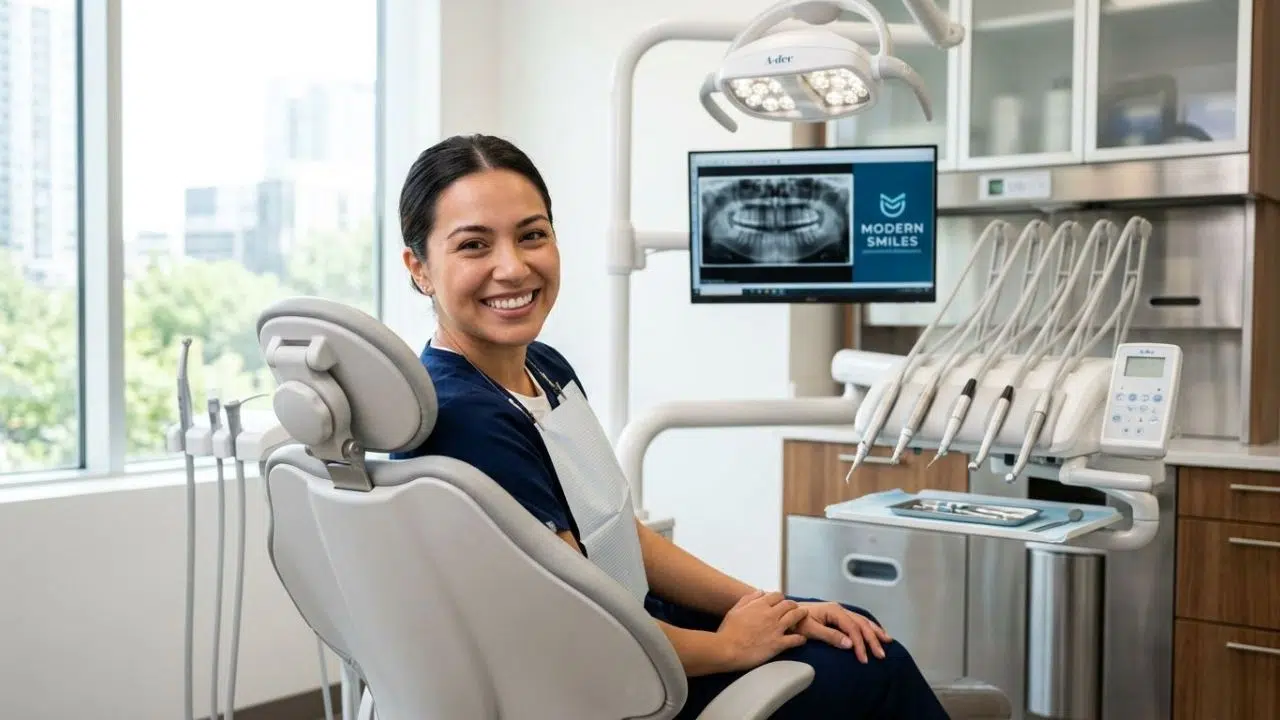
BrassSmile is best understood as a modern style of dentistry that blends preventive dental care, cosmetic dentistry, and AI-powered planning tools. Think digital X-rays, three-dimensional scans, smile previews, and, in some clinics, laser dentistry that can make certain steps faster and more precise.
I am going to walk you through what Brasssmile means, how the technology works, what teeth whitening, veneer, and clear aligner treatment actually involve, and which questions help you avoid expensive mistakes.
What is BrassSmile and How Does It Work?
Brasssmile is not a single procedure. It is a smile-focused approach to dentistry that brings oral health, smile aesthetics, and digital planning into one care path.
That matters because a real smile transformation should start with the basics, your teeth, gums, bite, and existing dental work. A nice preview is helpful, but if you have untreated decay, bleeding gums, or a bite issue, the cosmetic plan has to wait.
- Diagnosis first: a dentist checks teeth, gums, enamel, restorations, and bite before cosmetic changes begin.
- Digital records: photos, radiographs, and 3D scans create a clearer starting point for treatment planning.
- Smile preview: software can show likely changes in tooth color, shape, and alignment before treatment starts.
- Lab coordination: approved digital files can be shared with a dental lab for veneers, crowns, mockups, or surgical guides.
Digital imaging is a big part of this process. The FDA notes that dental 3D imaging can support implant planning, orthodontics, and evaluation of the teeth and jaws, but it should be used when it is actually needed for diagnosis or treatment.
On the comfort side, the ADA says intraoral scanners can be faster and more comfortable than traditional impression trays. If you hate messy molds or gag easily, that is one of the clearest benefits of using Brasssmile.
If Brasssmile includes an online platform for appointments, messages, or file sharing, ask two practical questions before you upload anything: who can view your records, and how is sign-in protected? The official HIPAA Security Rule requires safeguards for electronic health information, so encryption and multi-factor authentication are worth asking about.
Why Is BrassSmile Becoming So Popular?
People like Brasssmile because it answers two needs at once. You want healthier teeth, and you want a confident smile that still looks natural.
It also feels less intimidating than older cosmetic dentistry models. Instead of agreeing to treatment from imagination alone, you can often see scans, photos, and a digital preview before you commit.
- More clarity: patients can see what the dentist sees, which makes decisions easier.
- Better comfort: digital scans can replace impression trays in many cases.
- Smoother user experience: online booking, secure messaging, and digital records can cut friction.
- One connected plan: preventive care, whitening, veneers, orthodontics, and restorative work can be coordinated together.
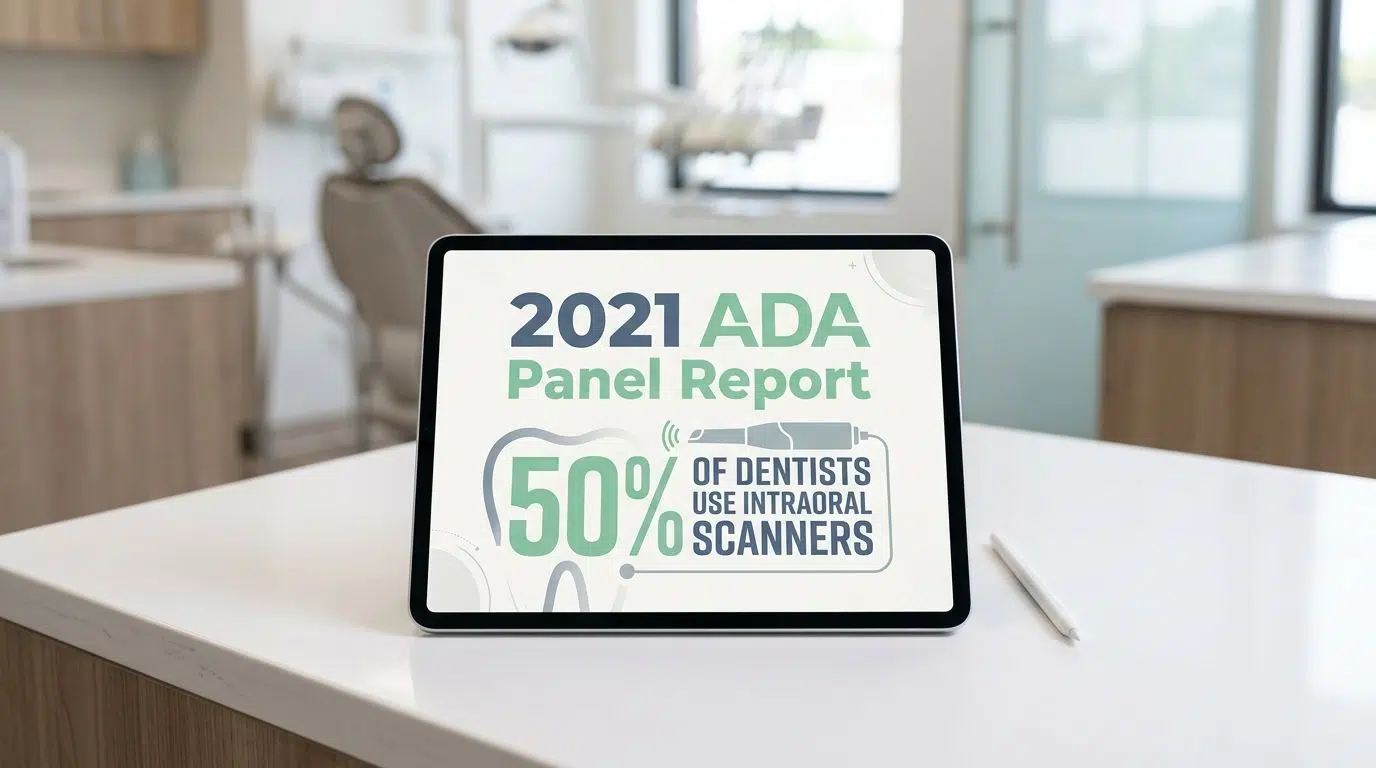
In a 2021 ADA panel report, about half of dentists said they were already using intraoral scanners. For patients, that shift matters because digital impressions make consultations easier to follow on screen and often make the visit feel more modern from the start.
There is also a trust factor. When a clinic can show you the scan, explain the plan in plain language, and give you a realistic timeline, the whole process feels less like guesswork and more like informed decision-making.
Key Features of Brasssmile
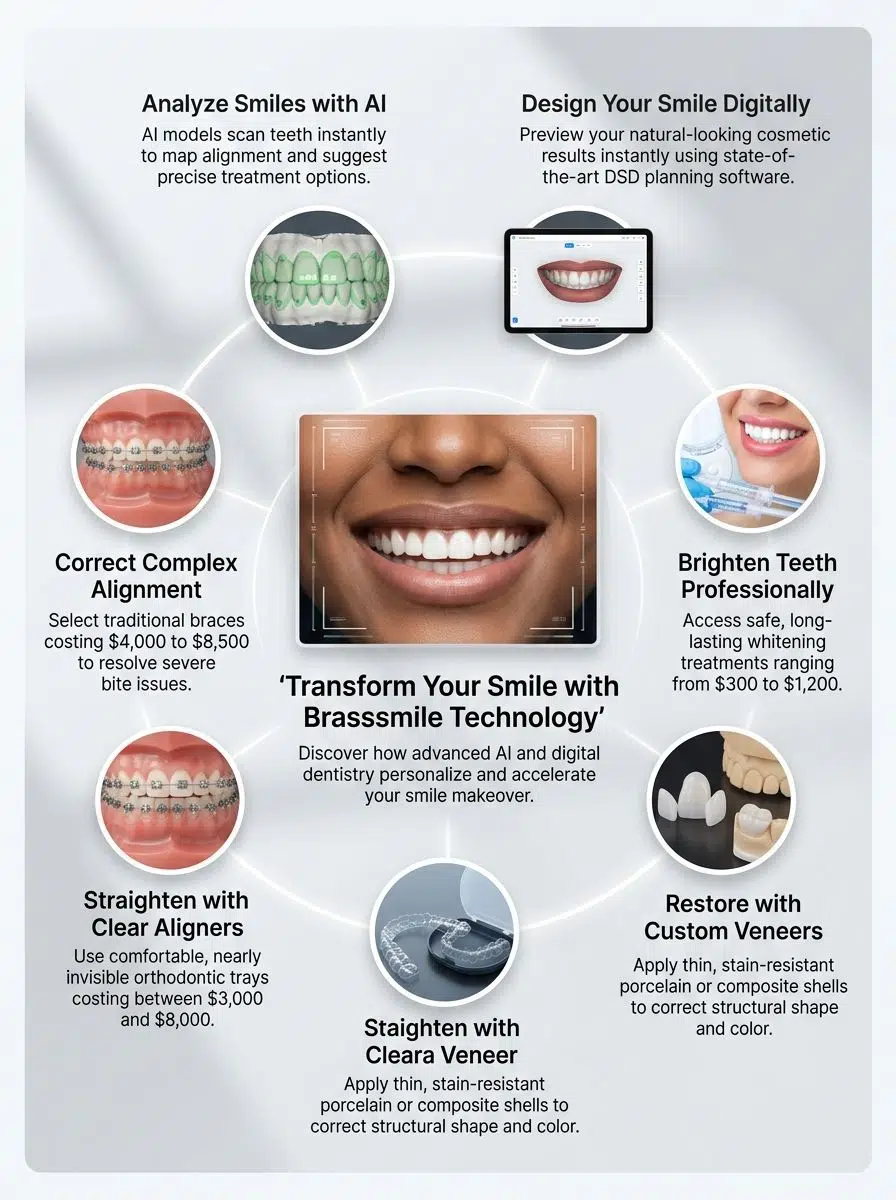
The key features of Brasssmile are not just flashy tools. The real value comes from how each tool helps you make a better choice before you spend money or change your teeth.
How Does AI-Powered Smile Analysis Work?
AI-powered smile analysis uses photos, scans, and bite data to highlight patterns a dentist can review, things like staining, crowding, worn edges, or smile asymmetry. The goal is speed and consistency, not replacing a qualified dental professional.
A 2025 systematic review of dental imaging studies found that artificial intelligence performs especially well as a diagnostic support tool. That makes it useful for first-pass screening, where software can help organize findings faster so the dentist can spend more time explaining your options.
- Ask what data the tool uses: photo-only previews are less reliable than plans built from scans and imaging.
- Ask who reviews the result: AI should support a dentist’s judgment, not make the final call on its own.
- Ask to compare options: a good platform should show conservative and more dramatic versions, not one default smile.
What Is Digital Smile Design Technology?
Digital Smile Design takes planning a step further. The method, pioneered by Dr. Christian Coachman, combines facial photos, tooth proportions, gum display, and bite information so the final plan suits your face instead of forcing a one-size-fits-all look.
This is where the preview becomes genuinely useful. A dentist can test tooth length, shape, and smile arc before enamel is reshaped or a case is sent to the dental lab, which lowers the odds of paying for a look you never really wanted.
Once you approve the direction, those files can move into CAD/CAM design or to the dental lab for mockups, veneers, crowns, or aligner staging. That is one reason digital planning feels more organized than the old photo-and-guess approach.
| Feature | What it does | Why it helps you |
|---|---|---|
| AI smile analysis | Flags visible issues in photos and scans | Gives the consultation a faster, more consistent starting point |
| Digital Smile Design | Previews shape, length, symmetry, and smile arc | Helps you compare natural-looking options before irreversible work |
| 3D intraoral scanning | Builds a digital model of teeth, gums, and bite | Often feels more comfortable than impression trays |
| Digital X-rays and 3D imaging | Shows roots, bone, hidden decay, and jaw structure when needed | Helps the dentist plan safer orthodontic, implant, and restorative care |
A smart Brasssmile preview should help you compare options, not push you into the most expensive one. If the software only shows one ultra-white, ultra-straight result, ask to see a more conservative version too.
Popular Services Offered by Brasssmile
Most Brasssmile services fall into three buckets: color changes, shape changes, and alignment changes. Teeth whitening is usually the fastest win, veneers create the biggest visual change, and orthodontics fixes position and bite.
For cost planning, do not lump them together. In 2025, CareCredit listed the U.S. national average for clear aligners at $5,108, while its veneer guide put a single veneer at a national average of $1,765. That is why a short consultation can save you from choosing the wrong starting point.
| Service | Best for | Typical U.S. cost | Main trade-off |
|---|---|---|---|
| Teeth whitening | Surface stains and yellowing | $500 to $1,000 in-office, or $150 to $600 for dentist-guided take-home trays | Does not change the color of crowns, fillings, or veneers |
| Dental veneers | Major color, shape, and small-gap changes | $500 to $2,895 per tooth, with a national average around $1,765 | Usually irreversible because some enamel is removed |
| Clear aligners | Mild to moderate crowding and discreet treatment | About $5,108 on average | Needs strict wear time and still requires a full exam |
| Traditional braces | More complex movement and bite correction | About $5,108 to $9,221 | More visible and usually needs more in-office adjustments |
What Are the Benefits of Teeth Whitening?
Professional teeth whitening works best for surface stains from coffee, tea, tobacco, and age-related yellowing. Cleveland Clinic notes that in-office bleaching takes about an hour, while take-home systems usually require daily wear for up to six weeks.
Results are usually more noticeable and longer-lasting than store kits. In guidance highlighted by the ADA, professionally supervised whitening can keep a brighter look for more than a year if you stay on top of oral hygiene and cut back on heavy-staining drinks.
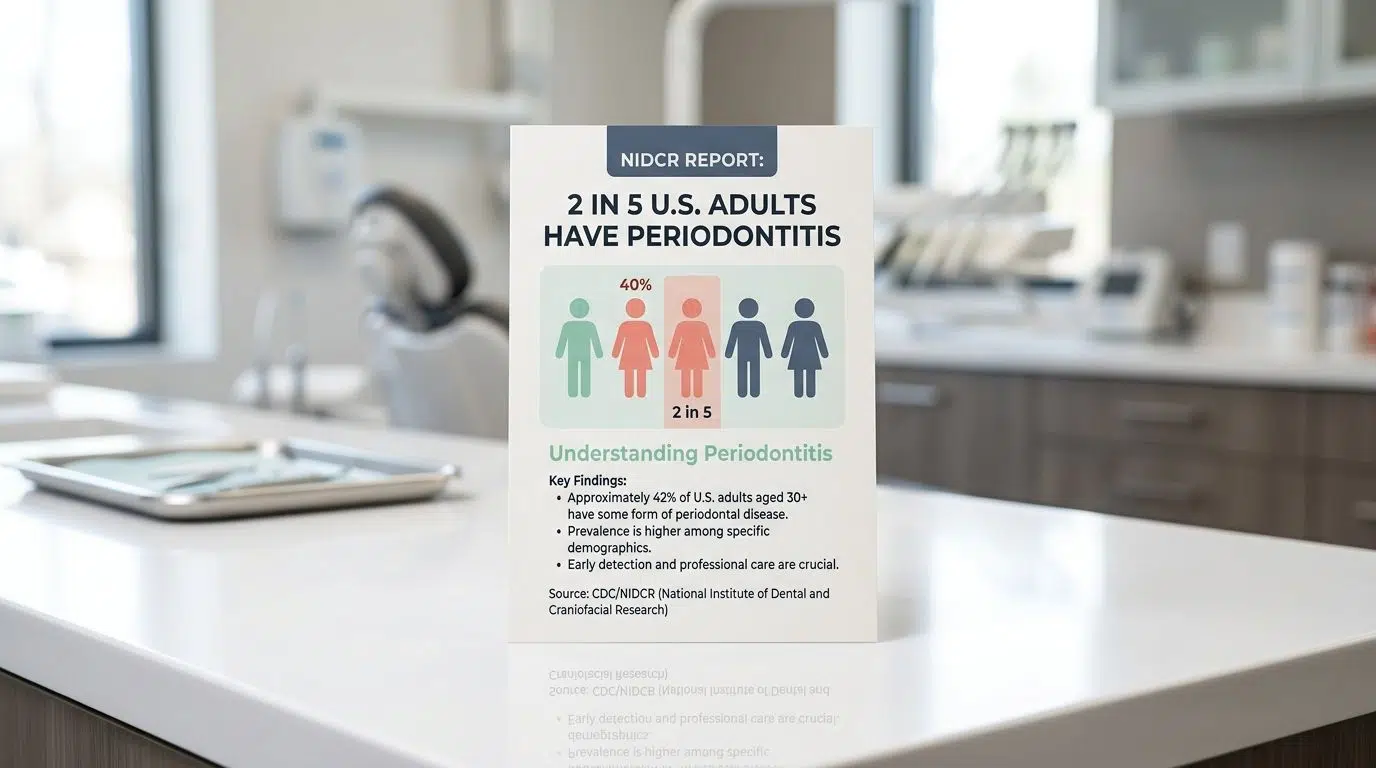
If your gums bleed, slow down before you whiten. NIDCR reports that about 2 in 5 U.S. adults age 30 and older have some form of periodontitis, so active gum problems deserve treatment before cosmetic bleaching.
- Best first step: get a cleaning and gum check before you whiten.
- Know the limit: crowns, fillings, and veneers do not whiten like natural enamel.
- Expect sensitivity: mild tooth sensitivity is common and usually temporary.
- Protect the result: coffee, tea, red wine, and smoking can shorten how long your brighter shade lasts.
How Do Dental Veneers Improve Your Smile?
Dental veneers are thin shells bonded to the front of teeth to change color, shape, small gaps, and minor alignment issues. They can be a great smile makeover tool, but they are also a long-term commitment.
MouthHealthy and Cleveland Clinic both make the big trade-off clear: traditional veneer treatment is usually not reversible because some enamel is removed. Cleveland Clinic also notes that veneers often last 10 to 15 years with good care.
- Choose veneers when: you want a bigger change in color, width, or shape than whitening can deliver.
- Pause first if: you grind your teeth, clench, or have a deep overbite, because those forces can damage veneer edges.
- Ask about the dental lab: material choice, shade matching, and mockups make a major difference in how natural the result looks.
- Think long term: once teeth are prepared, you will need maintenance and eventual replacement.
A common mistake is picking the brightest shade before thinking about face shape, lip movement, and the color of nearby teeth. The best veneer cases look balanced, not just white.
What Orthodontic Treatments Does Brasssmile Offer?
Brasssmile orthodontic care usually means clear aligners for mild to moderate cases and traditional braces for tougher movement. The AAO notes that some cases are treated more predictably with braces, while clear aligners may be less reliable for severe malocclusions, large gaps, or major rotations.
Do not choose based on appearance alone. The same organization also stresses that orthodontic treatment should begin with an in-person exam, photos, and X-rays, because a scan alone cannot show roots, bone, or other issues below the gumline.
- Clear aligners: discreet and convenient, but they usually need at least 22 hours of wear per day to stay on track.
- Traditional braces: more visible, but often stronger for complex bite correction and difficult tooth movement.
- Remote check-ins: helpful for quick progress reviews, but they should support, not replace, full clinical exams.
- Retention: Retainers are part of the treatment because teeth naturally try to shift back after active movement ends.
The most common real-world snag is the eating schedule. If you snack all day, aligner wear time drops fast, so many patients do better by planning meals and setting a timer to get the trays back in quickly.
Final Words
Brasssmile makes the most sense when you treat it as a smarter way to plan dental care, not as a shortcut around real diagnosis. The best results still come from healthy gums, a clear treatment plan, and a dentist who can explain why whitening, veneers, or orthodontics fit your smile.
Use this brasssmile guide to compare costs, ask better questions, and spot trade-offs before you commit. Then book a consultation, review your options side by side, and choose the path that gives you a brighter smile and better oral health.
Frequently Asked Questions (FAQs) on BrassSmile
1. What is Brasssmile?
Brasssmile is an online platform designed for teams and individual users. It offers a clean and intuitive layout, project management, collaboration features, and tools for Marketing and digital marketing.
2. How does Brasssmile stack up, brasssmile vs other tools?
Brasssmile vs older apps, it mixes time tracking and marketing work. It supports real-time messaging and direct messages, but it may have limited project tracking for big plans.
3. Who is Brasssmile for, like brasssmile fans?
Marketers, contractors, freelancers, and small teams use it. People in the United States, and individual users, find value for Productivity, blog posts, and quick research.
4. Is Brasssmile safe, what is behind Brasssmile security?
Brasssmile has privacy measures, and it offers multi-factor authentication. The platform uses clear communication protocol to help guard information privacy.
5. What are common mistakes to avoid?
Mistakes to avoid include skipping a brasssmile review, and thinking it is a magic wand like dental braces for all work. Watch the areas for improvement, and do not rely on one tool for all project needs.
6. How do I explore the full platform and get value?
Explore the full set of features, read the blog, and try sample projects to learn the platform content. Users can log time, members can log in, run research, build knowledge, and check personal finance uses before you commit.