Nutrition basics fitness beginners need are usually much simpler than the internet makes them sound. You do not need a perfect meal plan, six supplements, a kitchen scale, a complicated macro calculator, or a fridge filled with foods you do not even enjoy. At the beginner stage, the real job is learning how to eat in a way that supports movement, energy, recovery, and consistency.
Most beginners get confused because fitness nutrition advice is often too extreme. One person says carbs are bad. Another says you need protein powder immediately. Someone else says fasting is the answer. Then another expert says meal timing is everything. After hearing all of that, a beginner starts feeling like food is more complicated than the workout itself.
That is the wrong starting point.
A good beginner fitness diet should not make you afraid of eating. It should help you train better, recover better, and feel more stable during the day. The goal is not to eat perfectly. The goal is to stop eating randomly. From practical experience, beginners usually improve quickly when they fix the basics: eat enough protein, use carbohydrates wisely, drink water, add fiber, stop skipping meals, and avoid turning every food choice into a moral test. If your eating plan makes you tired, hungry, guilty, and inconsistent, it is not supporting your fitness journey.
This article is part of the larger Beginner’s Complete Fitness Guide cluster. It connects naturally with earlier topics like setting realistic fitness goals, cardio vs strength beginners, beginners workout routine, and warm-up cool-down essentials. Once readers know how to train, they also need to understand how to fuel that training.
For desk workers, professionals, founders, creators, and the Corporate Athlete audience, nutrition matters even more. Long workdays often create messy eating patterns: skipped breakfast, too much coffee, low water intake, random snacks, late dinners, and low-energy workouts. HappinessFit.com can naturally support this practical wellness mindset by helping readers build simple fitness and health habits that work in real life.
Why Nutrition Basics Matter for Fitness Beginners
Nutrition matters because exercise creates a demand on your body. Even a simple beginner workout requires energy before training and recovery afterward. If you train without eating properly, the workout can feel much harder than it should. You may feel weak, tired, unfocused, lightheaded, or unmotivated, and you may assume your fitness level is the only problem. In reality, the issue is often poor fuel. I have seen beginners blame themselves for “low discipline” when they simply trained after five hours without food, too little water, and a stressful workday. A small balanced meal or snack can completely change how a workout feels.
Food also supports recovery. Strength training creates small amounts of stress in the muscles. Cardio uses energy and fluids. Your body needs protein, carbohydrates, water, sleep, and micronutrients to repair and adapt. Without that support, soreness can feel worse and motivation can drop. Nutrition also affects consistency. A beginner who eats too little often feels great for two days and terrible by day five. Hunger builds, cravings increase, energy crashes, and the workout routine becomes harder to maintain. On the other hand, a beginner who eats balanced meals can train with more stability.
A beginner fitness diet should not be extreme. It should be supportive. It should help you walk, lift, stretch, recover, focus at work, and sleep better. That is especially important for Corporate Athlete readers because food is not just about body shape. It also affects energy, concentration, performance, and daily resilience.
| Why Nutrition Matters | What Happens Without It | Better Beginner Approach |
| Workout energy | Exercise feels harder than needed | Eat enough carbs and balanced meals |
| Recovery | Soreness and fatigue last longer | Include protein and sleep support |
| Consistency | Hunger and low energy reduce motivation | Keep meals simple and repeatable |
| Strength progress | Muscles lack repair support | Include protein across the day |
| Cardio performance | Walking or jogging feels draining | Fuel before longer sessions |
| Mood and focus | Irritability and cravings increase | Avoid extreme restriction |
| Weight management | Random eating cancels progress | Build structured meals |
| Long-term habit | Diet feels too strict to maintain | Choose practical food routines |
Good nutrition is not about perfection. It is about giving your body a fair chance to respond to exercise.
What a Beginner Fitness Diet Should Actually Look Like

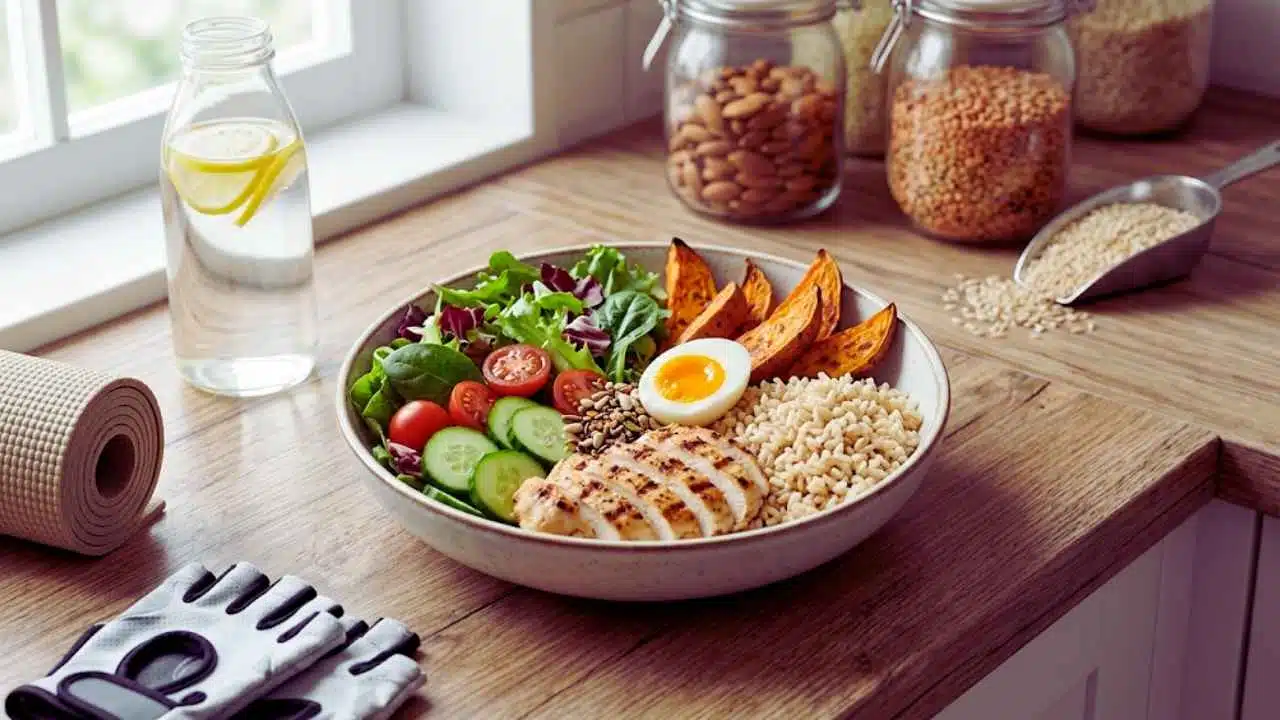
A beginner fitness diet should look normal, practical, and repeatable. It should not look like a bodybuilding contest meal plan or a celebrity transformation diet. Most beginners do not need to eat dry chicken, plain broccoli, and rice every day. They need balanced meals that match their schedule, budget, culture, food preferences, and workout routine. A good beginner plate usually includes protein, carbohydrates, vegetables or fruit, healthy fats, and fluids. That combination supports energy, fullness, recovery, digestion, and overall health. You can build it in many ways. A rice-based meal can work. A sandwich can work. A lentil curry can work. Eggs and toast can work. A yogurt bowl can work.
What matters is structure. If your meal is only carbs, you may feel hungry again quickly. If your meal is only protein, you may lack workout energy. If your meal has no vegetables or fiber, digestion and fullness may suffer. A balanced plate prevents those problems. From experience, beginners do better when they improve their current meals instead of replacing their entire diet. If you already eat rice, keep rice but add protein and vegetables. If you already eat bread, pair it with eggs or yogurt. If you eat takeout, choose meals with protein and fewer random extras.
Your first goal is not to become a perfect eater. Your first goal is to make your regular meals more supportive. Start with one upgrade per meal: add protein, add vegetables, choose water, control portions, or reduce low-value snacking.
| Meal Component | Why It Matters | Beginner-Friendly Options |
| Protein | Helps repair and build muscle | Eggs, fish, chicken, tofu, lentils, yogurt |
| Carbohydrates | Fuels workouts and daily energy | Rice, oats, potatoes, fruit, whole grains |
| Vegetables | Adds fiber, minerals, and volume | Leafy greens, carrots, beans, mixed vegetables |
| Fruits | Provides carbs, fiber, and micronutrients | Banana, apple, berries, oranges |
| Healthy fats | Supports fullness and overall health | Nuts, seeds, olive oil, avocado |
| Fluids | Supports normal body function | Water, milk, unsweetened drinks |
| Simple snacks | Prevents energy crashes | Yogurt, fruit, boiled eggs, nuts |
| Flexible foods | Helps consistency | Familiar meals made slightly better |
A beginner diet should support training without making eating feel like another stressful project.
Carbohydrates Are Not the Enemy for Fitness Beginners
Carbohydrates are one of the most misunderstood parts of beginner fitness nutrition. Many beginners think they need to cut carbs immediately if they want to lose weight or get fit. That idea creates unnecessary fear around normal foods like rice, potatoes, oats, fruit, bread, and lentils. Carbs are a major fuel source for exercise. If you walk, jog, lift weights, cycle, swim, or do a home workout, carbohydrates help provide energy. The harder or longer the workout, the more useful carbs can become. This does not mean you need huge portions, but it does mean carbs are not automatically bad.
I have seen beginners remove carbs too aggressively and then wonder why they feel weak during workouts. They struggle halfway through a session, crave sweets later, and blame their discipline. In many cases, the problem is not discipline. The problem is under-fueling.
The smarter approach is choosing better carb sources most of the time. Rice, oats, potatoes, fruit, beans, lentils, whole grains, and vegetables can all fit into a beginner fitness diet. Highly processed snacks and sugary drinks should not become the main fuel source, but you do not need to fear all carbs. Timing also matters. If you train after a long gap without food, a small carb-based snack can help. If you train after a balanced meal, you may not need anything extra. Beginners should test what helps them feel energetic without stomach discomfort.
| Carb Type | Best Use | Beginner Example |
| Quick carbs | Before workouts when energy is low | Banana, toast, dates, fruit |
| Starchy carbs | Main meals and workout fuel | Rice, potatoes, oats, pasta |
| High-fiber carbs | Fullness and digestion | Beans, lentils, whole grains |
| Fruit | Light pre-workout or snack | Apple, banana, orange |
| Vegetables | Daily nutrition and fiber | Greens, carrots, peppers |
| Sugary foods | Occasional enjoyment | Dessert in moderation |
| Sugary drinks | Usually limit | Replace with water most days |
| Balanced carbs | Best long-term option | Carbs paired with protein and vegetables |
Beginners do not need to fear carbs. They need to understand how to use them.
Protein Basics for Workout Recovery and Strength
Protein matters because it supports muscle repair, recovery, and strength development. When you strength train, your muscles experience stress. Protein gives your body the building blocks it needs to repair and adapt. Even if your goal is fat loss, protein still matters because it helps protect muscle and keeps meals more filling. Beginners often make two protein mistakes. Some barely eat protein during the day because their meals are mostly rice, bread, snacks, or tea and biscuits. Others think protein powder is mandatory before they even build a regular workout habit. Neither approach is ideal.
The best starting point is regular food. Eggs, fish, chicken, lentils, beans, tofu, milk, yogurt, paneer, lean meat, chickpeas, and soy products can all help. Protein powder can be useful later if convenience is a problem, but it should not replace basic meals. A practical beginner rule is to include protein in most meals. This does not need to be complicated. Add eggs to breakfast. Add lentils or fish to lunch. Add yogurt as a snack. Add tofu, chicken, or beans to dinner. Small changes across the day work better than trying to fix everything at night.
Protein also helps with appetite control. A breakfast with only tea and bread may leave you hungry quickly. A breakfast with eggs, yogurt, or lentils usually holds better. For busy professionals, this can reduce random snacking and improve energy.
| Protein Source | Why It Helps | Beginner Meal Idea |
| Eggs | Affordable and easy | Eggs with toast and vegetables |
| Chicken or fish | High-quality protein | Rice, fish, and vegetables |
| Greek yogurt | Convenient and filling | Yogurt with fruit and oats |
| Lentils | Budget-friendly and fiber-rich | Lentil curry with rice |
| Beans | Protein plus carbs and fiber | Bean bowl or bean soup |
| Tofu or soy | Plant-based protein | Tofu stir-fry |
| Milk or dairy | Protein and fluids | Milk with oats |
| Protein powder | Convenient backup | Smoothie when whole food is hard |
Protein is not magic, but beginners recover and progress better when they stop ignoring it.
Fats, Fiber, and Micronutrients Still Matter

Fitness beginners often focus only on protein, carbs, and calories. That is understandable, but incomplete. Healthy fats, fiber, vitamins, and minerals also matter because they support fullness, digestion, energy, hormones, and long-term health. Healthy fats help meals feel satisfying. If your meals are too dry, bland, or low in fat, you may feel hungry quickly and start snacking randomly. Nuts, seeds, olive oil, avocado, eggs, and fatty fish can all fit into a balanced diet. The goal is not unlimited fat. The goal is enough to make meals satisfying and nutritious.
Fiber is one of the most useful tools for beginners. It helps digestion, supports fullness, and makes meals feel more complete. Vegetables, fruits, oats, beans, lentils, and whole grains are simple ways to increase fiber. Increase it gradually if your current diet is low, because jumping too fast can cause bloating. Micronutrients are also important. Your body needs vitamins and minerals for normal function, muscle contraction, energy metabolism, bones, nerves, and immune support. A colorful plate usually helps because different foods bring different nutrients.
The mistake is building a very narrow “fitness diet.” Beginners sometimes eat only a few foods because they think that is cleaner. But boredom often leads to quitting. A better plan has structure, variety, and flavor.
| Nutrition Area | Why It Matters | Beginner-Friendly Sources |
| Healthy fats | Fullness and normal body function | Nuts, seeds, olive oil, avocado |
| Fiber | Digestion and fullness | Vegetables, fruits, oats, beans |
| Vitamins | Supports normal body processes | Fruits, vegetables, dairy, whole foods |
| Minerals | Supports muscles, nerves, bones | Leafy greens, legumes, dairy, fish |
| Color variety | Improves nutrient range | Mix different vegetables and fruits |
| Meal satisfaction | Helps diet last | Add flavor, texture, and balance |
| Digestive comfort | Supports consistent eating | Increase fiber gradually |
| Food enjoyment | Prevents burnout | Keep meals realistic and flavorful |
Beginners should not build a diet that is technically “clean” but miserable to follow.
Hydration Basics for Fitness Beginners
Hydration is simple, but beginners often overlook it. If you are under-hydrated, workouts can feel harder. You may feel tired, get headaches, lose focus, or feel sluggish during strength training and cardio. Many desk workers forget water because coffee, meetings, deadlines, and screen time take over the day. Then they train in the evening already dehydrated and wonder why their body feels heavy. This is a common real-life problem, not a rare mistake.
You do not need to obsess over water intake, but you should drink regularly. Keeping a bottle visible is one of the easiest fixes. Put it on your desk, beside your workout mat, or in your bag. If you see it, you are more likely to use it. For short beginner workouts, plain water is usually enough. Sports drinks and electrolyte powders are not necessary for every session. They may be useful in hot weather, long sessions, heavy sweating, or specific cases, but most beginners should start with water first.
Pay attention to basic body signals. Thirst, dry mouth, headaches, dark urine, and unusual fatigue can suggest you need more fluids. At the same time, do not force extreme amounts. Sensible hydration is the goal.
| Hydration Situation | What to Do | Beginner Tip |
| Before workout | Drink water during the day | Do not start exercise already thirsty |
| During short workouts | Sip water if needed | Most beginner sessions do not need sports drinks |
| After workout | Rehydrate gradually | Drink more if you sweat heavily |
| Hot weather | Increase fluids | Consider electrolytes if sweating a lot |
| Desk work | Keep bottle visible | Drink between work blocks |
| Morning workouts | Drink after waking | Add breakfast if needed |
| Long sessions | Plan fluids ahead | Carry water with you |
| Heavy sweating | Replace fluids calmly | Do not wait until you feel drained |
Hydration is boring until you ignore it and feel the difference the hard way.
What to Eat Before a Workout?
Pre-workout nutrition depends on timing, workout type, and your stomach. Some beginners can train after a normal meal and feel great. Others need a small snack. Some feel uncomfortable if they eat too close to exercise. There is no single perfect answer for everyone. If your workout is two to three hours after a meal, a balanced meal with carbohydrates, protein, and some fat can work well. For example, rice with fish and vegetables, oats with yogurt and fruit, or a sandwich with eggs and salad can give steady energy.
If your workout is 30–60 minutes away, keep food lighter and easier to digest. A banana, toast, yogurt, dates, or a small smoothie may work better than a heavy meal. The closer you are to exercise, the simpler the snack should be. For short and easy workouts, you may not always need a pre-workout snack. But if you often feel weak, shaky, unfocused, or tired during workouts, try eating something small beforehand and notice the difference.
Avoid heavy, greasy, or very high-fiber meals right before training. They may sit heavily in your stomach, especially before squats, jogging, or intense cardio. Pre-workout food should help your body, not distract it.
| Workout Timing | What to Eat | Beginner Example |
| 2–3 hours before | Balanced meal | Rice, protein, vegetables |
| 1–2 hours before | Light meal or hearty snack | Yogurt with oats and fruit |
| 30–60 minutes before | Small easy snack | Banana, toast, dates |
| Early morning workout | Small snack if needed | Fruit and water |
| Short easy session | May not need extra food | Water may be enough |
| Strength workout | Carbs plus protein helps | Egg toast or yogurt |
| Cardio workout | Easy carbs can help | Banana or fruit |
| Sensitive stomach | Keep it simple | Small snack, low fat |
Pre-workout food should make training smoother, not heavier.
What to Eat After a Workout?

Post-workout nutrition is about recovery. After exercise, your body may need fluids, carbohydrates, and protein. The exact urgency depends on workout length, intensity, your last meal, and your next session. Beginners do not need to panic about perfect timing, but they should not ignore recovery food either. A good post-workout meal usually includes protein and carbohydrates. Protein supports muscle repair. Carbohydrates help replace used energy. Fluids help restore hydration. If your next meal is soon, that meal can be your recovery meal. If your meal is several hours away, a snack can help.
For example, yogurt with fruit, eggs and toast, rice with chicken or lentils, a smoothie, or a tuna sandwich can all work. The meal does not need to be fancy. It just needs to be balanced.
Beginners often make the mistake of training hard and then eating almost nothing because they want weight loss. That can backfire. You may feel tired later, snack heavily at night, or recover poorly. Eating after exercise does not ruin progress. It supports the next workout. If the workout was light and you ate recently, you may not need a special post-workout meal. Context matters. The bigger goal is your full-day eating pattern.
| Post-Workout Need | Why It Matters | Beginner Example |
| Protein | Supports muscle repair | Eggs, yogurt, fish, tofu |
| Carbohydrates | Replaces energy | Rice, potatoes, oats, fruit |
| Fluids | Supports rehydration | Water or milk |
| Balanced meal | Covers recovery needs | Rice, protein, vegetables |
| Quick snack | Helps if meal is delayed | Yogurt and banana |
| Light workout recovery | May need only normal meal | Eat next planned meal |
| Hard workout recovery | Needs more attention | Protein plus carbs soon |
| Evening workout | Avoid going to bed starving | Light balanced dinner |
Post-workout nutrition should help you return to training, not punish you for exercising.
Simple Workout Nutrition for Different Goals
Simple workout nutrition changes slightly based on your goal. A beginner trying to lose fat, build strength, improve stamina, or simply feel healthier may all eat similar foods, but the emphasis changes. For fat loss, the goal is not starvation. The goal is a manageable calorie deficit supported by protein, vegetables, walking, and strength training. If you eat too little, your workouts and recovery may suffer. This often leads to cravings and inconsistency.
For strength, protein and enough total food matter. You need the materials and energy to repair muscles and train well. Beginners often gain strength quickly when they train consistently and stop under-eating. For stamina, carbohydrates and hydration matter more. If you want better walking, jogging, cycling, swimming, or cardio performance, your body needs enough fuel to move well. Low-carb or low-food days can make cardio feel much harder.
For general health, balance matters most. You do not need extreme targets. You need meals that support energy, digestion, sleep, focus, and consistency. That is the most realistic place to begin.
| Goal | Nutrition Focus | Beginner Approach |
| Fat loss | Protein, vegetables, controlled portions | Do not crash diet |
| Strength gain | Protein and enough total food | Eat balanced meals regularly |
| Better stamina | Carbs and hydration | Fuel before longer cardio |
| Better recovery | Protein, carbs, sleep | Eat after harder sessions |
| Desk-worker energy | Balanced breakfast and hydration | Avoid long gaps without food |
| General health | Whole foods and consistency | Improve meal quality gradually |
| Less cravings | Protein and fiber | Build more filling meals |
| Better routine | Repeatable meals | Keep simple go-to options |
The right beginner nutrition plan supports your goal without making food stressful.
The Beginner Plate Method for Simple Meal Planning
The plate method is one of the easiest ways to plan meals without tracking every gram. It gives beginners structure while still allowing flexibility. You can use it with home meals, office lunches, restaurant meals, or meal prep. A simple plate usually includes protein, carbohydrates, vegetables, and a small amount of healthy fat. This combination gives you energy, recovery support, fullness, and nutrients. It also helps prevent meals that are only carbs or only protein.
For example, rice alone may fill you temporarily but may not keep you satisfied. Chicken alone may provide protein but may not provide enough workout energy. A balanced plate solves this by combining food groups. This method works well because beginners can adjust portions based on goals. If you are more active, you may need more carbs. If you are trying to lose fat, you may increase vegetables and control portions. If you are building strength, you may increase protein and total food.
The plate method also fits different cultures and budgets. You can use it with rice meals, wraps, soups, curries, pasta, bowls, or traditional home cooking. That makes it easier to follow long term.
| Plate Section | What to Add | Example |
| Protein | Muscle repair and fullness | Eggs, fish, chicken, tofu, lentils |
| Carbohydrates | Workout energy | Rice, oats, potatoes, fruit |
| Vegetables | Fiber and micronutrients | Leafy greens, carrots, mixed vegetables |
| Healthy fats | Satisfaction and health | Nuts, seeds, olive oil |
| Fluids | Hydration | Water, milk, unsweetened drinks |
| Flavor | Makes meals enjoyable | Herbs, spices, sauces in moderation |
| Fruit | Light carbs and nutrients | Banana, apple, orange |
| Flexible food | Keeps diet realistic | Favorite foods in balanced portions |
A beginner plate should look like real food, not a punishment plan.
Beginner Fitness Diet for Busy Professionals
Busy professionals need nutrition habits that survive real workdays. A perfect diet plan that requires cooking six times a day is useless if your day is full of meetings, deadlines, commuting, client calls, family responsibilities, or screen-heavy work. The biggest issue for desk workers is irregular eating. Many skip breakfast, drink coffee, forget water, snack randomly, eat a late heavy meal, and then wonder why workouts feel difficult. This is usually not a motivation issue. It is a planning issue.
A better approach is to build simple anchor meals. Have a reliable breakfast, a practical lunch, a planned snack, and a balanced dinner. These meals do not need to be fancy. They need to be repeatable. For the Corporate Athlete lifestyle, food should support focus as much as fitness. A protein-rich breakfast can reduce morning hunger. A balanced lunch can prevent afternoon crashes. A light pre-workout snack can improve evening training. Hydration at the desk can improve how you feel throughout the day.
Meal prep does not have to mean cooking 20 containers of food. It can mean boiling eggs, cooking rice, washing fruit, keeping yogurt ready, preparing lentils, or packing nuts. Small preparation reduces bad decisions when you are tired.
| Busy Professional Problem | Simple Nutrition Fix | Example |
| Skipping breakfast | Use quick protein option | Eggs, yogurt, smoothie |
| Afternoon crash | Balanced lunch | Protein, carbs, vegetables |
| Forgetting water | Keep bottle on desk | Refill twice daily |
| Random snacking | Plan a snack | Fruit, nuts, yogurt |
| Evening workout fatigue | Eat pre-workout snack | Banana or toast |
| Late overeating | Eat enough earlier | Add protein at lunch |
| No time to cook | Use repeat meals | Rice, lentils, eggs, salad |
| Work stress eating | Improve structure | Planned meals and breaks |
Busy professionals do not need perfect nutrition. They need food systems that reduce chaos.
Beginner Grocery List for Fitness Nutrition
A beginner grocery list should make healthy eating easier. If your kitchen has useful foods, your meals become easier to build. If your kitchen has only random snacks, instant food, and no protein options, your fitness nutrition becomes harder. The goal is to stock simple, flexible foods. You want ingredients that can create multiple meals quickly. Eggs, yogurt, rice, oats, potatoes, chicken, fish, tofu, lentils, beans, fruits, vegetables, nuts, and water-friendly drinks can cover most beginner needs.
Beginners should not buy complicated health foods they do not know how to use. Buy foods you can actually cook, afford, and enjoy. A simple grocery list that matches your routine is better than an expensive list that looks impressive but sits unused. Frozen foods can be helpful too. Frozen vegetables, frozen fruit, and frozen fish or chicken can reduce waste and save time. Canned beans, tuna, lentils, and chickpeas can also be practical for emergency meals.
A good grocery list should support breakfast, lunch, dinner, snacks, and workout nutrition. Think in categories, not random items. That way, you can mix and match without getting bored.
| Grocery Category | Beginner Options | How to Use |
| Protein | Eggs, chicken, fish, tofu, yogurt, lentils | Main meals and recovery |
| Carbs | Rice, oats, potatoes, bread, fruit | Workout energy |
| Vegetables | Greens, carrots, beans, frozen mixes | Fiber and micronutrients |
| Fruits | Banana, apple, berries, oranges | Snacks and pre-workout |
| Healthy fats | Nuts, seeds, olive oil, avocado | Fullness and flavor |
| Quick snacks | Yogurt, boiled eggs, fruit | Busy days |
| Pantry foods | Beans, tuna, chickpeas | Emergency meals |
| Hydration | Water, milk, unsweetened drinks | Daily fluids |
The best grocery list is the one that helps you make better choices when life gets busy.
Common Nutrition Mistakes Fitness Beginners Make

Nutrition mistakes are normal at the beginning. The problem is repeating them without understanding why progress feels harder. Most beginner mistakes come from trying to do too much, too fast.
The first mistake is eating too little. Beginners often think less food means faster progress. But if you train while under-fueled, workouts feel bad, cravings increase, and recovery suffers. A moderate approach works better.
The second mistake is fearing carbs. Carbs are not automatically bad. They help fuel movement. The issue is usually not rice, oats, fruit, or potatoes. The issue is portion balance, low activity, and frequent ultra-processed snacks.
The third mistake is ignoring protein. If most meals lack protein, recovery and fullness may suffer. Adding protein to breakfast and lunch can make a noticeable difference.
Another common mistake is depending on supplements too early. Protein powder, pre-workout, fat burners, and special drinks are not the foundation. Food, sleep, hydration, and training consistency come first.
| Mistake | Why It Hurts | Better Beginner Choice |
| Eating too little | Low energy and poor recovery | Use balanced meals |
| Cutting all carbs | Workouts feel harder | Choose better carb sources |
| Ignoring protein | Recovery and fullness suffer | Add protein to meals |
| Overusing supplements | Distracts from basics | Fix food first |
| Skipping meals | Leads to cravings later | Use regular meal structure |
| Drinking little water | Fatigue and headaches increase | Keep water visible |
| Copying extreme diets | Hard to sustain | Build realistic habits |
| Judging only by scale | Misses energy and strength gains | Track performance too |
Most beginners do not need a stricter diet. They need a smarter basic structure.
A Simple 7-Day Nutrition Starter Plan for Beginners
A 7-day nutrition starter plan helps beginners stop guessing. It does not need to be perfect. It simply gives structure to your week. The goal is to practice balanced eating while supporting workouts.
This plan should include protein at meals, carbs around training, vegetables daily, water, and simple snacks. It should also leave room for real life. Beginners who try to eat perfectly often quit quickly. Beginners who build repeatable meals usually last longer. You can use the same breakfast several times. You can repeat lunches. You can prep ingredients instead of full meals. The plan should reduce stress, not create more.
For workout days, add a light pre-workout snack if needed and a balanced meal afterward. For rest days, keep meals balanced and avoid treating rest as a reason to eat randomly.
This is not a rigid diet. It is a practical starting framework. The goal is to learn which meals help your energy, digestion, training, and recovery.
| Day | Simple Nutrition Focus | Example |
| Day 1 | Add protein to breakfast | Eggs, toast, fruit |
| Day 2 | Drink more water | Keep bottle on desk |
| Day 3 | Build balanced lunch | Rice, protein, vegetables |
| Day 4 | Plan pre-workout snack | Banana or yogurt |
| Day 5 | Add vegetables to dinner | Fish, potatoes, greens |
| Day 6 | Prepare simple snacks | Fruit, nuts, boiled eggs |
| Day 7 | Review what worked | Repeat easy meals next week |
| Every day | Avoid extreme restriction | Keep meals realistic |
A beginner nutrition plan should teach consistency first. Details can improve later.
Should Fitness Beginners Use Supplements?
Most fitness beginners do not need supplements immediately. Supplements can be useful in specific cases, but they should not replace basic meals. If your diet is chaotic, a protein powder will not fix the bigger issue. Protein powder can be convenient if you struggle to get enough protein from food. It is not mandatory. A smoothie after training can help, but eggs, yogurt, lentils, fish, chicken, or tofu can also work.
Pre-workout supplements are often unnecessary for beginners. Many contain caffeine or stimulants. If you are sensitive to caffeine, train late at night, or have certain health concerns, they may not be ideal. A banana and coffee may be enough for some people. Creatine is widely used in strength training, but beginners should not feel pressured to start it immediately. Build the routine first. Learn how to train. Fix meals and sleep. Then consider supplements only if they match your goals and are safe for you.
Anyone with medical conditions, pregnancy, kidney disease, digestive issues, medication use, or special dietary needs should speak with a qualified professional before using supplements.
| Supplement | Beginner Need Level | Practical Note |
| Protein powder | Optional | Useful if food protein is low |
| Pre-workout | Usually unnecessary | Can cause jitters for some |
| Creatine | Optional later | More relevant after routine is stable |
| Multivitamin | Depends on diet | Not a replacement for food |
| Electrolytes | Situational | Useful for heat or heavy sweating |
| Fat burners | Not recommended as a beginner focus | Usually distracts from basics |
| Meal replacements | Sometimes useful | Whole meals are better when possible |
| Caffeine | Optional | Avoid late if it hurts sleep |
Supplements should support good habits, not hide bad ones.
How to Track Nutrition Without Becoming Obsessed?
Tracking nutrition can help beginners, but it can also become stressful if done too aggressively. You do not need to count every calorie from day one. Many beginners benefit from simpler tracking first. Start by tracking habits, not numbers. Did you eat protein at breakfast? Did you drink enough water? Did you eat vegetables today? Did you fuel before a workout? Did you recover with a balanced meal? These questions build awareness without making eating feel like a math exam.
Food photos can also help. Taking a picture of meals for a week can show patterns quickly. You may notice that breakfast lacks protein, lunch lacks vegetables, or dinner is too late. This is useful information. If you have a specific fat-loss or muscle-gain goal, calorie or macro tracking may become useful later. But beginners should first learn meal structure, hunger signals, and workout response.
Tracking should make you calmer and more informed. If it makes you anxious, simplify it. The goal is awareness, not obsession.
| Tracking Method | Best For | Beginner Tip |
| Habit checklist | Low-stress awareness | Track protein, water, vegetables |
| Food photos | Visual patterns | Review after one week |
| Meal notes | Energy and digestion | Note what worked before workouts |
| Workout food log | Pre/post-workout testing | Track what improves energy |
| Water tracking | Hydration habits | Use bottle refills |
| Protein servings | Recovery support | Count servings, not grams at first |
| Weight trend | Optional goal tracking | Use weekly patterns |
| Full calorie tracking | Later if needed | Avoid if it creates stress |
Nutrition tracking should support your fitness, not control your life.
Final Thoughts
Nutrition basics fitness beginners need are not complicated. The hard part is ignoring the noise and staying with the basics long enough for them to work. Eat enough to train well. Get protein regularly. Use carbohydrates for energy. Add vegetables and fruit. Drink water. Recover with real meals. Sleep enough. Avoid extreme rules that make food stressful. That is the foundation.
Your beginner fitness diet does not need to be perfect. It needs to be supportive. It should help you complete workouts, recover from training, manage energy, and build confidence in your routine. For busy professionals and desk workers, food is part of the Corporate Athlete system. You cannot expect strong workouts, sharp focus, and good recovery if your daily meals are chaotic. Fitness does not start only when you exercise. It also starts when you build a meal that helps your body perform.
Start simple. Choose meals you can repeat. Notice how your body responds. Improve one habit at a time. That is how nutrition becomes a support system instead of another source of pressure.
Frequently Asked Question (FAQs) About Nutrition Basics Fitness Beginners
What Should Fitness Beginners Eat?
Fitness beginners should eat balanced meals with protein, carbohydrates, vegetables or fruit, healthy fats, and water. The goal is to support energy, recovery, and consistency. You do not need a perfect diet to start exercising. You need meals that help your body train and recover.
Should I Eat Before a Workout?
It depends on timing and how your body feels. If you ate a balanced meal two or three hours before training, you may not need anything extra. If you feel low on energy, a small snack like a banana, toast, or yogurt can help. Beginners should test what feels comfortable.
What Should I Eat After a Workout?
A good post-workout meal usually includes protein and carbohydrates. Examples include yogurt with fruit, eggs and toast, rice with fish or lentils, or a smoothie with protein and fruit. If your next full meal is soon, that meal can be enough. The main goal is recovery, not perfection.
Do Beginners Need Protein Powder?
No, beginners do not need protein powder automatically. It can be useful if you struggle to get enough protein from food, but whole foods should come first. Protein powder is a convenience tool, not a requirement. Build your regular meals first.
Are Carbs Bad for Beginners Trying to Lose Weight?
No. Carbs are not automatically bad. They fuel exercise and daily activity. The better approach is choosing quality carbs, controlling portions, and pairing them with protein and vegetables. Cutting all carbs is usually unnecessary for beginners.
How Much Water Should I Drink for Workouts?
Drink regularly throughout the day and sip water around workouts as needed. Short beginner workouts usually do not require sports drinks. If you sweat heavily or train in heat, you may need more fluids. Keep water visible to make hydration easier.
Can I Lose Weight Without a Strict Diet?
Yes, many beginners can lose weight by improving meal structure, eating enough protein, walking more, strength training, reducing random snacking, and sleeping better. Extreme dieting is not required for the first step. Consistency matters more than harsh rules.
What Is the Biggest Beginner Nutrition Mistake?
The biggest mistake is trying to change everything at once. Beginners often cut too much food, fear carbs, buy supplements, and follow rules they cannot maintain. Simple consistency works better. Start with protein, water, balanced meals, and repeatable habits.