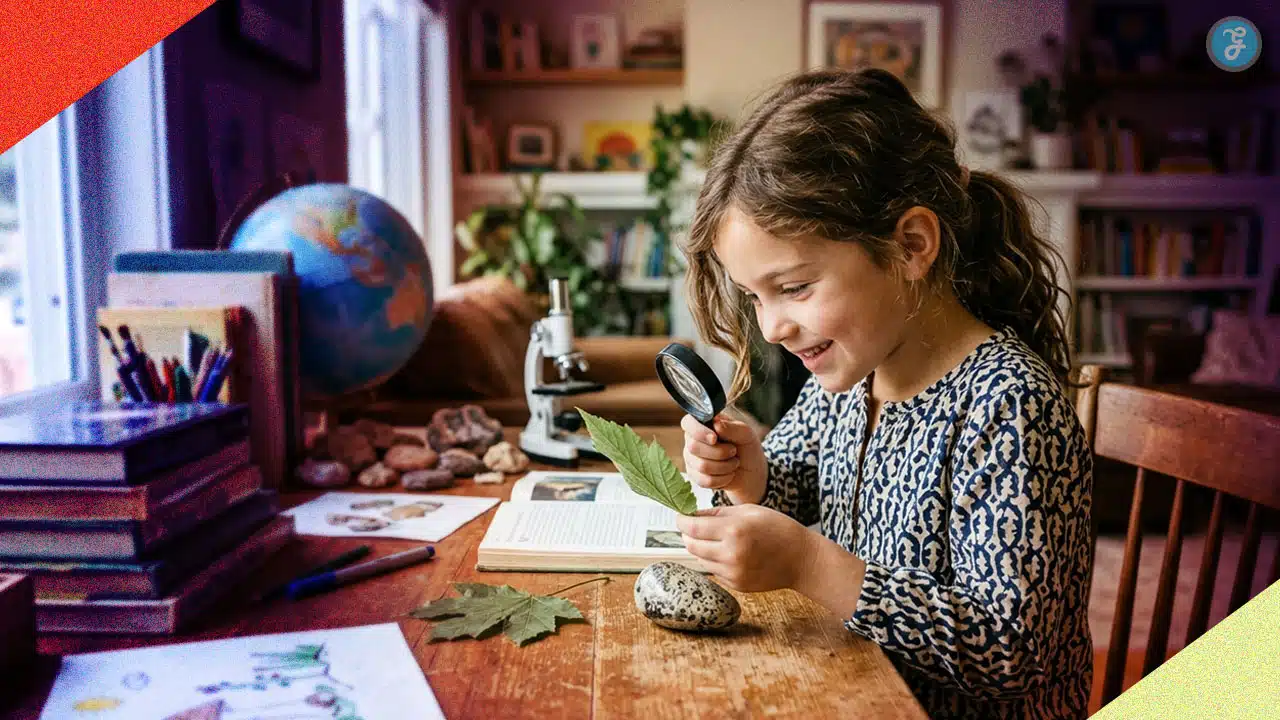
Children often display boundless energy for personal interests but lose enthusiasm when academic tasks begin. Families universally desire to raise a curious and self-motivated learner, seeking practical strategies that prioritize autonomy, effective goal setting, and a consistently stimulating educational environment.
Transforming reluctant students into driven achievers requires actionable systems rather than ongoing frustration. This comprehensive guide explores simple, proven methods to integrate open-ended questions and unstructured play into daily routines. Emphasizing student voice and choice ensures education becomes an engaging pursuit rather than a mandatory chore.
Establishing smart, predictable schedules empowers children to take ownership of their academic progress naturally. By implementing these foundational techniques, caregivers can cultivate confident, independent thinkers who actively pursue knowledge. The ultimate goal is creating a sustainable framework where natural inquisitiveness thrives, ensuring lifelong academic and personal success entirely without needing constant, direct adult supervision.
What Does It Mean to Be a Curious and Self-Motivated Learner?
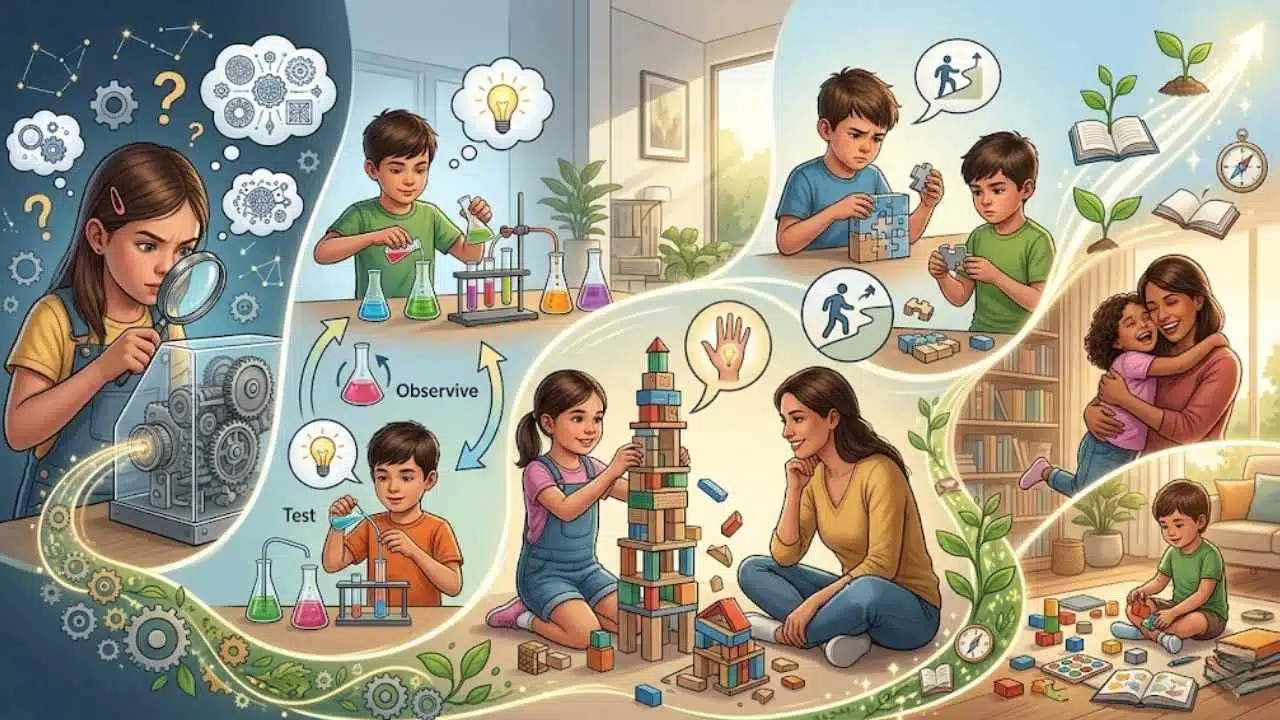
A curious learner wants to know how things work. A self-motivated learner keeps going after the first try, even when the answer does not come fast.
Those two traits feed each other. Intrinsic motivation means your child works because the task feels interesting or meaningful, not because a sticker chart is doing all the work.
In a 2025 CNBC Make It interview, William Stixrud said kids grow more self-driven when adults act more like consultants than controllers. That idea lines up with what motivation research has shown for years: autonomy, competence, and connection help self-motivation grow.
- Curiosity shows up as questions, noticing patterns, and testing ideas.
- Self-motivation shows up as starting, sticking with it, and trying a new strategy after a setback.
- Confidence shows up as seeing mistakes as information, not proof of failure.
Tovah Klein, who led Barnard’s Center for Toddler Development for decades, has long pointed parents back to play, routine, and small choices. A child who feels safe enough to explore is far more likely to become an independent learner later.
The Importance of Fostering Curiosity in Children
Curiosity is not a cute extra. It is one of the engines of child development.
The American Academy of Pediatrics says play supports brain development, intrinsic motivation, executive function, and mental health. In real life, that means block towers, mud kitchens, cardboard ramps, and bug hunts are doing serious learning work.
When kids get room to wonder, they practice attention, problem-solving, and emotional recovery at the same time.
If your child suddenly wants to know why blue whales are so big, or why bells ring differently, that moment matters. Following the question before correcting the answer tells your child that the quest for learning is welcome here.
- Protect some unscheduled play every day.
- Let your child test an idea before you explain it.
- Treat questions as the start of learning, not a distraction from it.
Benefits of Raising a Self-Motivated Learner
When curiosity turns into self-motivation, you usually see the change outside school first. Your child starts conversations, sticks with projects a little longer, and needs less pushing to begin.
| Benefit | What it looks like at home | What helps it grow |
|---|---|---|
| Lifelong learning habits | Asking follow-up questions, rereading, returning to a project | Choice, interest-based topics, and steady routines |
| Problem-solving skills | Trying a second idea before giving up | Hands-on materials, wait time, and fewer quick rescues |
| Confidence and independence | Starting alone, then asking for help when needed | Specific feedback, small wins, and voice and choice |
Lifelong learning habits
Gallup reported in 2025 that only 10% of students in grades 5 through 12 strongly agreed they enjoy their classes, while 34% said they always feel bored. That is a strong reminder that kids do not need more pressure first, they need more meaning.
When you connect learning to real interests, dinosaurs, baking, drawing, coding, or blue whales, school stops feeling like pure compliance. It starts feeling useful.
Enhanced problem-solving skills
Child-led play builds cognitive flexibility because kids have to test, revise, and try again. That is the same mental muscle they use later for math, writing, and real-life decisions.
- Pause before rescuing.
- Ask, “What have you tried so far?”
- Let your child show you their thinking out loud.
Increased confidence and independence
Gallup’s 2025 engagement data also showed that 50% of students said school gave them the chance to do what they do best, up from 40% in 2023. Kids grow confidence faster when they can use strengths they already feel.
That is why a strong learning environment includes small responsibilities, clear routines, and feedback that tells a child what worked.
How to Nurture Curiosity in Your Child
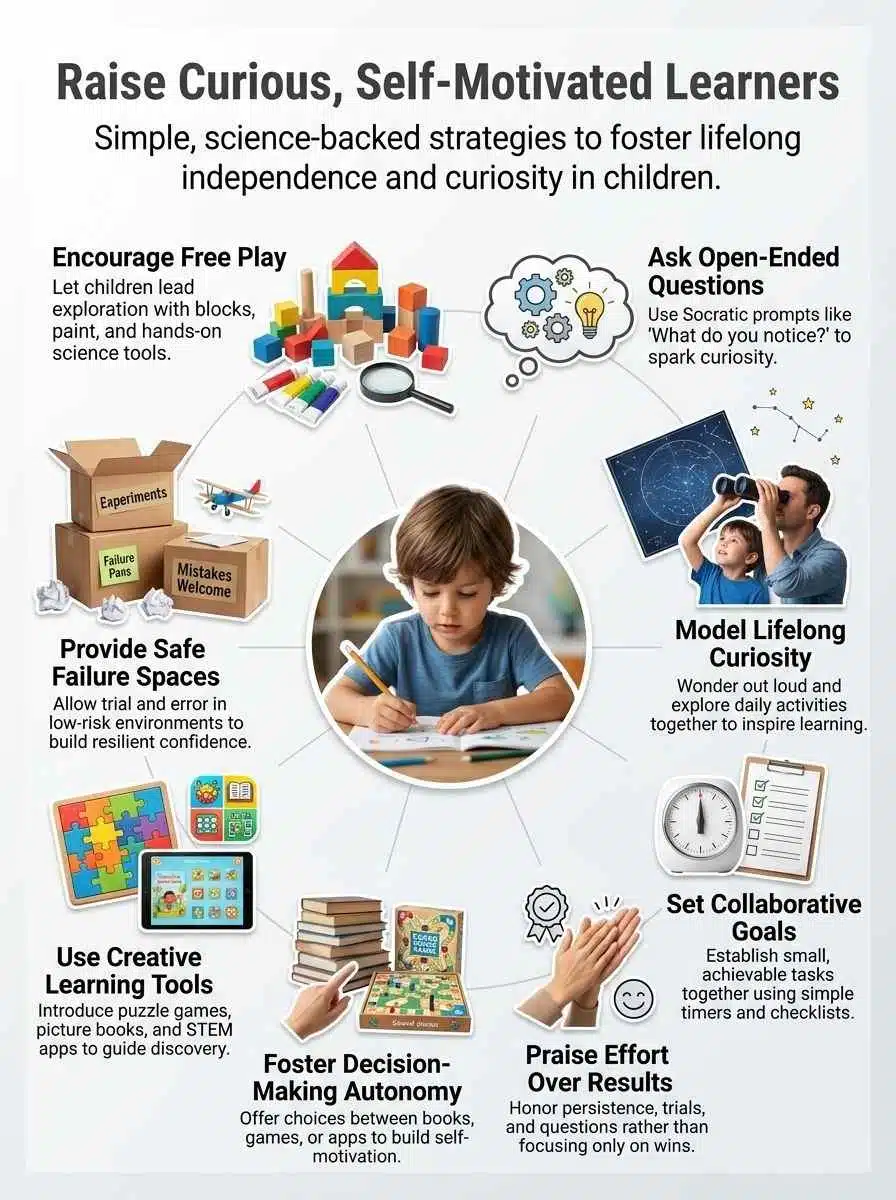
You do not need a perfect playroom. You need a home that says, “Questions belong here.”
Encourage free play and exploration
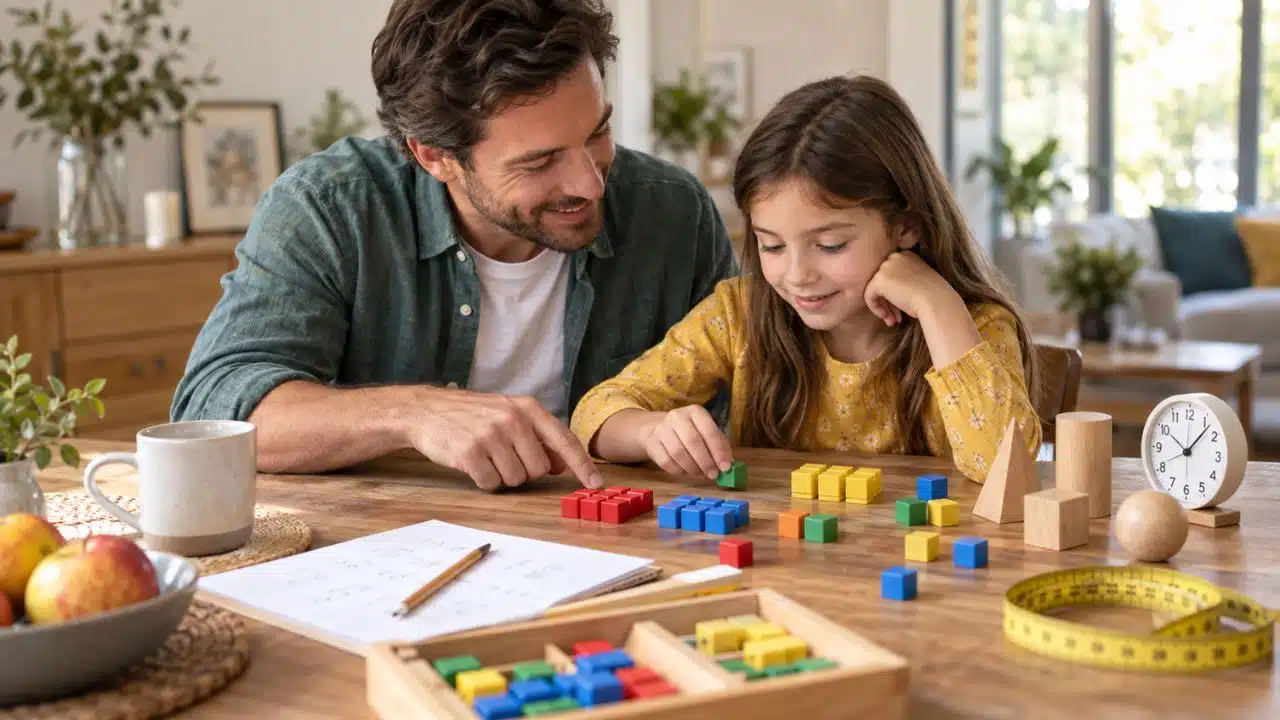
Set out open materials like blocks, tape, cardboard, a magnifying glass, measuring spoons, or a nature journal, then step back. Kids explore longer when the space feels inviting, not crowded.
One of the most useful parenting tips is to rotate just a few materials at a time. Too many choices can flatten curiosity instead of feeding it.
Use open-ended questions
Open-ended questions give your child room to think instead of hunt for the right answer. Prompts like “What do you notice?” or “What do you think will happen next?” work better than quiz-style questions.
- “What makes you think that?”
- “How could we test your idea?”
- “What else might work?”
- “What changed the second time?”
Then give your child a little silence. That pause is often where the best thinking shows up.
Model curiosity in everyday life
Say your thinking out loud. “I wonder why this bread rose higher,” or “Let’s figure out which plant needs more sun.”
That simple habit teaches learning how to learn by doing. It also shows your child that confident people do not need instant answers.
Strategies to Develop Self-Motivation in Children
Self-motivation grows best when the path is clear. Kids are much more likely to start when they know what done looks like.
Set achievable goals together
Use goal setting that is small enough to finish and visible enough to track. Connections Academy advises families to build routines with the student, post a daily schedule, and make expectations easy to see, which helps online school students practice time management and prioritization skills.
- Pick one short goal.
- Let your child choose the order or tool.
- Mark progress with a checklist or sticky note.
- Stop while there is still a little energy left.
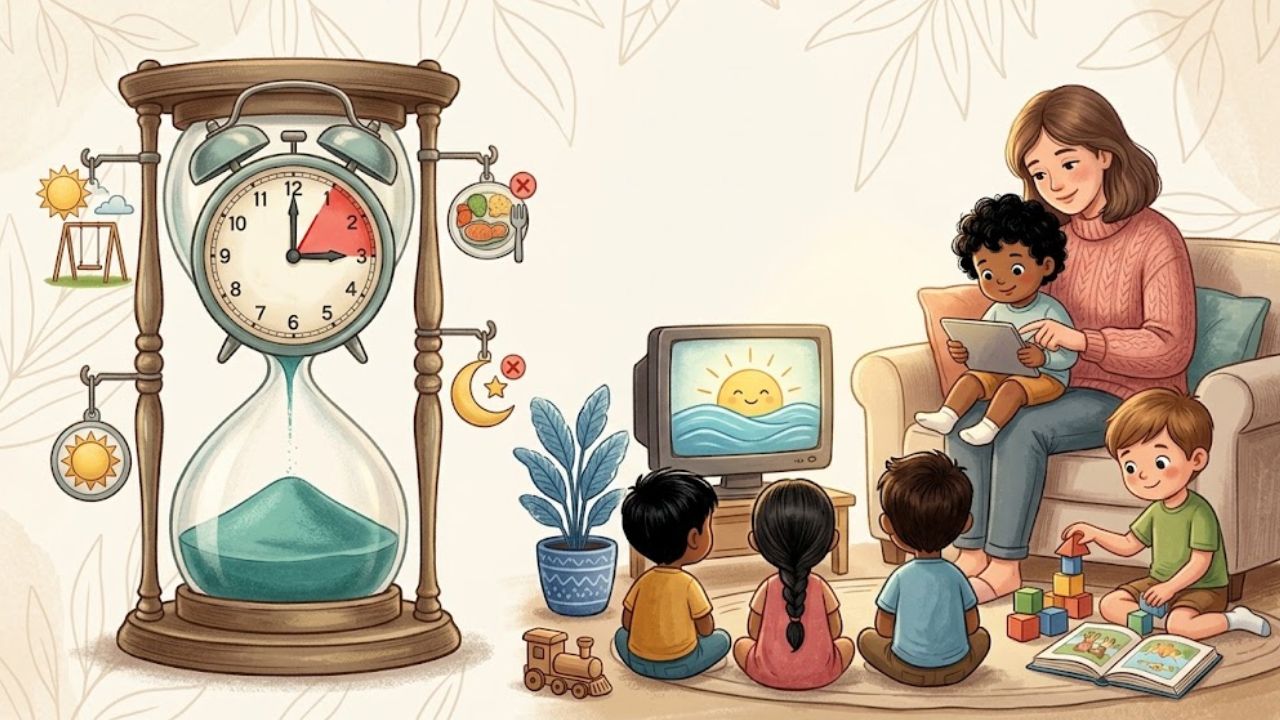
A favorite pro tip from homeschool families is to use a visual timer. When kids can see that work has an end point, resistance often drops fast.
Celebrate effort over results
Generic praise, like “You’re so smart,” feels good for a second but does not tell a child what to repeat. Specific feedback works better: “You kept changing your plan until the bridge held up.”
That kind of response builds confidence because it ties success to strategies, persistence, and revision.
Encourage autonomy in decision-making
Give two real choices, not ten vague ones. Let your child choose the first task, the reading spot, the marker color, or whether they explain an answer by drawing, talking, or writing.
Small decisions build autonomy. Over time, that is what turns a child into a self-motivated learner instead of a child who waits to be managed.
Creative Tools to Inspire Learning
The best tools do one simple thing: they turn passive students into makers.
| Tool | Best for | Why it helps |
|---|---|---|
| Scratch | Storytelling, coding, and simple game design | Scratch is a free visual programming language from MIT that lets kids build stories, games, and animations, so logic and creative expression happen together. |
| Khan Academy Kids | Early readers and young students | The program is free, built for ages 2 to 8, and mixes literacy, math, books, and playful activities. |
| Canva or Adobe Express | Posters, storyboards, and AI-powered art tools | Features like Magic Media or Generate Image can turn a child’s idea into a first draft they can revise, explain, and improve. |
Introduce hands-on activities
Hands-on projects are still hard to beat. Measuring flour, growing beans, building a ramp, or making a paper bridge teaches cause and effect in a way a worksheet rarely can.
For children with special needs, tactile materials, picture instructions, and shorter steps often make these tasks more successful and less draining.
Use books, games, and technology as learning resources
Try pairing formats. Read a book about space, build a cardboard rocket, then let your child explain the launch in Scratch or make a poster with an AI-powered art tool.
Common Sense Media reported in 2025 that 7 in 10 teens had used AI, and Pew found that 26% of U.S. teens had used ChatGPT for schoolwork, up from 13% in 2023. That is a good reason to teach kids to use tech for brainstorming, illustrating, and questioning, not for handing over the thinking.
The Role of Parents in Supporting Independent Learning
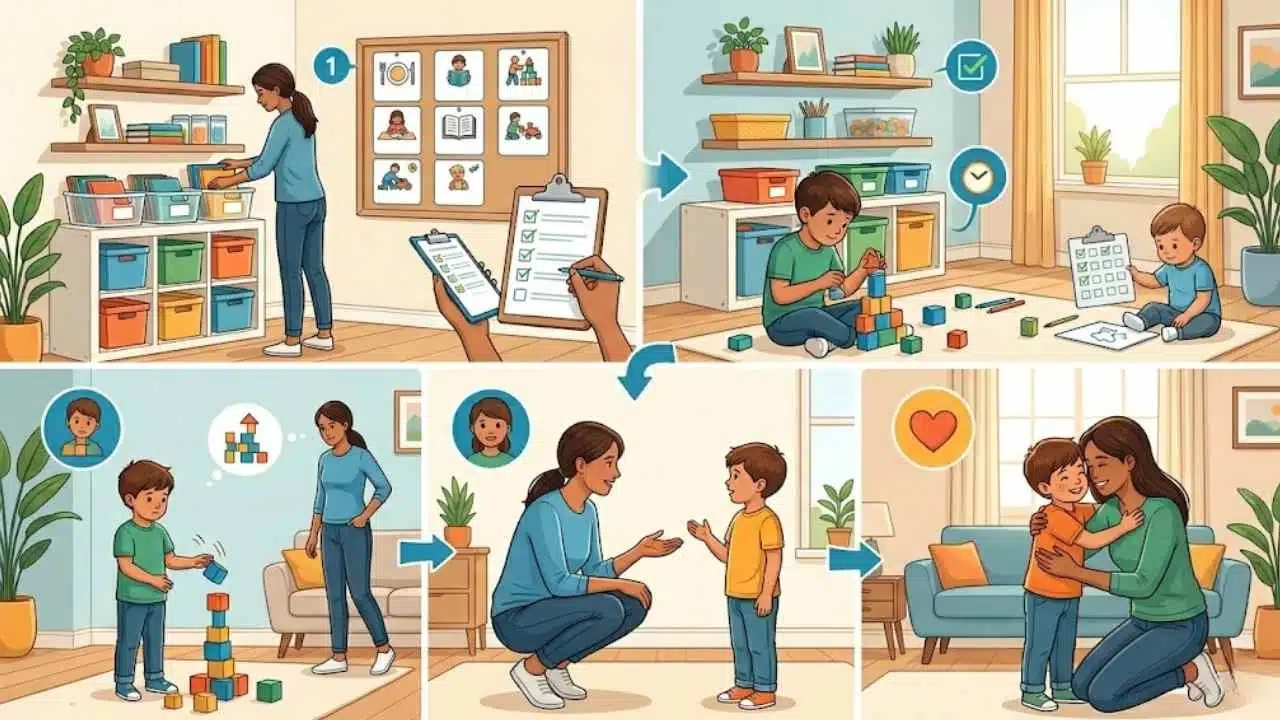
Parents do not need to hover to help. Your job is to create structure, connection, and enough breathing room for independence to show up.
Provide a safe environment for trial and error
Predictable routines work better than repeated nagging. When your child knows what comes next, they spend less energy resisting and more energy starting.
- Keep materials in the same place.
- Use one visible checklist for multi-step tasks.
- Break long assignments into short chunks.
- Use picture schedules when transitions are hard.
Picture schedules and simple visual supports are especially helpful for younger children, online school routines, and children with special needs because they make independence easier to see.
Build a strong emotional connection
A warm relationship does more for self-motivation than daily power struggles. If a child feels judged all the time, curiosity goes quiet fast.
One good rule is this: notice the question, answer the question, and add just enough back-and-forth to keep it going. A child who feels heard is much more likely to keep asking, keep trying, and keep coming back after a setback.
Be the steady place your child returns to, not the pressure they try to escape.
Final Thoughts
Raising curious, self-motivated learners rarely starts with a huge change. It starts with one better question, one small choice, and one routine your child can actually own.
Use open-ended questions, open-ended play, simple goal setting, and a calmer learning environment to grow self-motivation, confidence, and real independence. Start small today.
Your child’s quest for learning can grow one ordinary afternoon at a time.
Frequently Asked Questions (FAQs) About Raising a Curious and Self-Motivated Learner
1. How do I spark curiosity in my kids?
Show curiosity yourself, ask open-ended questions like, “What do you think?”, and follow their lead. Offer choices, time for play and exploration, and use real-world problems to make ideas stick.
2. How do I help my kids become self-motivated learners?
Set small goals, praise effort not talent, and give them real choices. Let them feel autonomy, build a growth mindset, and grow intrinsic motivation with steady, small wins.
3. What daily routines help a curious and self-motivated learner?
Short hands-on play, a reading block, a question-of-the-day, snack-time talks, and quiet hours for projects, plus simple chores to teach responsibility.
4. My kid resists learning, what should I do?
Start at their spark, connect tasks to things they love, and offer tiny wins to build confidence. Moms and dads, model curiosity, drop the pressure, and watch interest grow like a small plant.