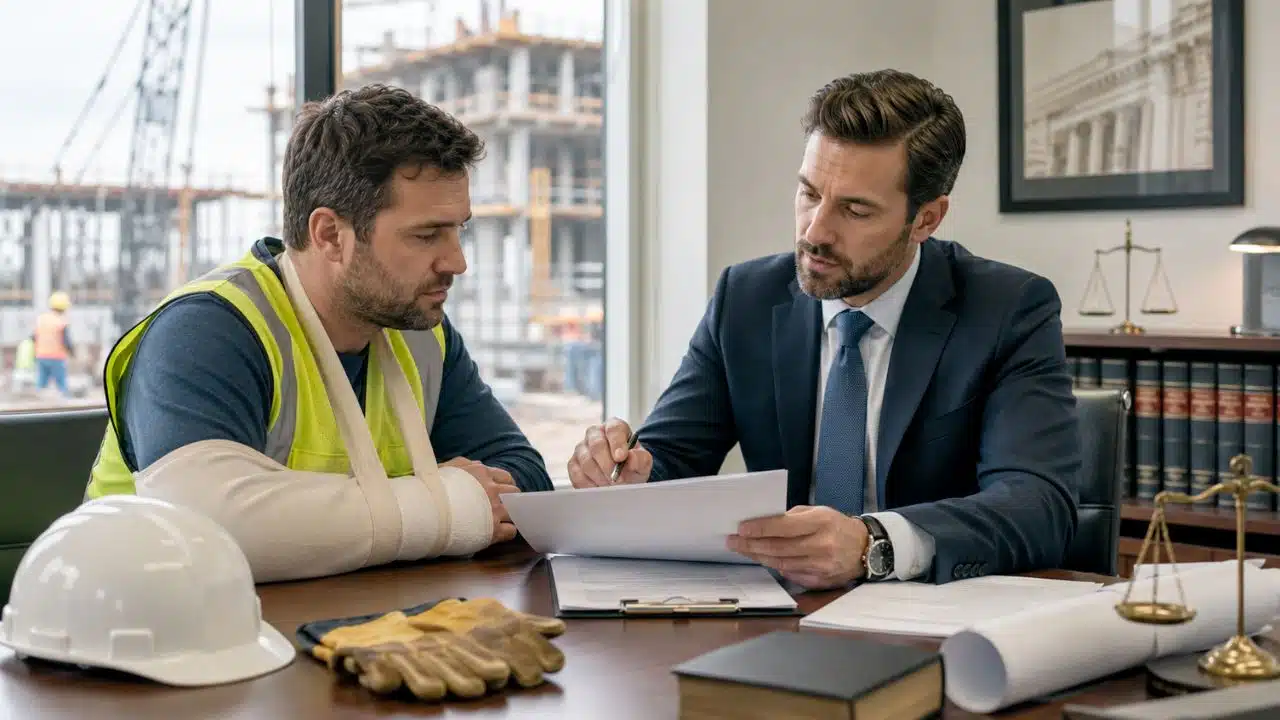
In a city like New York City, construction is part of everyday life. Tower cranes rise above busy streets, older buildings undergo constant renovation, and new developments continue to reshape neighborhoods across the five boroughs. Behind this nonstop growth are thousands of construction workers who take on physically demanding and often dangerous jobs to keep the city moving forward. Even with strict safety regulations in place, serious accidents still happen on construction sites, leaving workers and their families facing medical expenses, lost income, and long recovery periods that can quickly become overwhelming.
What makes these situations even more difficult is that many injured workers are unsure of their legal rights or whether someone else’s negligence contributed to the accident. Insurance companies and employers may not always prioritize the victim’s long-term needs, especially when large construction companies are involved. This is why many injured workers turn to experienced construction site injury lawyers in NYC to understand their options, protect their rights, and pursue compensation that truly reflects the impact the accident has had on their lives.
Early Steps Matter
Hours after a site injury, small details can decide whether a claim holds up later. Emergency records, witness contact information, photographs, and supervisor reports often carry more weight than memory alone. Many injured workers seek construction site injury lawyers once they realize that a missing report or a lost image can weaken their case. Early legal review helps secure evidence before documents disappear or recollections fade.
Workers’ Compensation Has Limits
Workers’ compensation usually covers treatment and part of lost wages, yet that system leaves major gaps. It commonly excludes pain, emotional strain, and the full value of future earning loss. Another company may also bear responsibility, such as a subcontractor, property owner, or equipment manufacturer. Legal counsel can assess those facts and determine whether a separate lawsuit may provide broader financial recovery.
Several Parties May Share Fault
Most construction sites function through overlapping contracts, shared equipment, and split safety duties. One employer may hire the worker, while another crew controls the ladder, scaffold, hoist, or floor opening involved in the event. This arrangement can obscure responsibility after a serious incident. Counsel can review logs, agreements, and inspection records to identify each liable entity before finger-pointing hardens into a defense strategy.
New York Rules Can Strengthen Claims
New York law provides injured construction workers with strong protections in certain situations, especially after falls or injuries from falling materials. Those statutes can shift the pressure onto defendants when safety devices fail or when work areas are unsafe. Legal framing matters because the same incident may carry very different value under different claims. Without counsel, a worker may present a narrow case and miss stronger legal grounds.
Insurers Often Minimize Losses
Insurance carriers usually examine claims with cost control as the main goal. An adjuster may question the treatment, argue that symptoms arose from an earlier condition, or claim that a worker recovered faster than medical records suggest. Those arguments can shrink benefits during an already stressful period. Legal counsel counters with clinical documentation, wage history, and physician findings that connect bodily harm to the site event.
Severe Injuries Carry Long Costs
Serious construction trauma often extends far beyond the first hospital bill. Spinal cord damage, traumatic brain injury, amputation, or severe burns may require repeat procedures, mobility aids, home assistance, and lengthy therapy. Lost future earnings can become as significant as immediate medical expenses. Counsel helps translate these long-term effects into measurable damages, so a claim reflects ongoing needs rather than short-term invoices alone.
Deadlines Can End Valid Cases
A strong claim can fail if notice rules or filing dates are missed. Workers’ compensation deadlines differ from court deadlines, and each forum requires separate paperwork. Some cases also involve public entities, which can trigger extra notice requirements soon after the event. Legal counsel closely tracks those dates and prepares the appropriate documents on time. This structure protects rights while the injured person focuses on recovery.
Fatal Cases Need Careful Action
When a construction accident causes death, relatives often face grief, financial shock, and urgent decisions at the same time. Wage support may stop immediately, while funeral costs and household obligations continue. Workers’ compensation death benefits may apply, and a wrongful death lawsuit may also be available. Counsel can coordinate both paths, preserve critical evidence, and reduce procedural strain during a painful period for surviving family members.
Strong Evidence Builds Leverage
Well-organized proof often changes how defendants value a claim. Photographs, payroll records, incident reports, surveillance footage, expert opinion, and treating physician notes can show both fault and the true effect of injury. A prepared file signals that the case can withstand scrutiny at trial. This pressure often improves settlement discussions because insurers recognize the risk of clear evidence presented before a jury.
Conclusion
Construction injury claims involve more than a single accident report or medical bill. They often require careful review of safety duties, employment relationships, physical harm, and future financial loss. Victims may be healing while employers, insurers, and contractors protect their own interests. Legal counsel helps preserve proof, identify responsible parties, and present the full human cost of injury, giving workers and families a fair chance at recovery.