


Have you ever stared at a browser window overflowing with open tabs? You probably have articles, books, and random PDFs scattered everywhere. You save helpful links but instantly forget where you put them. It is a frustrating cycle. You want to master new skills and grow, but figuring out where to start feels impossible. Many people face this exact hurdle today. They gather information from all over the place, yet they struggle to turn that mess into actual expertise.
Here is the secret. The people who truly master their craft read with a clear plan. Research shows that experts spend thousands of hours learning, and they use that time strategically. They pick resources that match their exact goals, organize their finds, and track their progress over time. This simple shift turns a chaotic pile of links into a focused engine for your personal growth.
I am going to walk you through exactly how to build a Digital Reading List that works for you. You will discover how to set clear targets, find the best tools, and mix up your source materials.
Define Your Expertise Goals
Start by asking yourself what specific skills you want to master. A scattered approach simply will not work when you are trying to grow. Do you want to learn data science, creative writing, or business strategy?
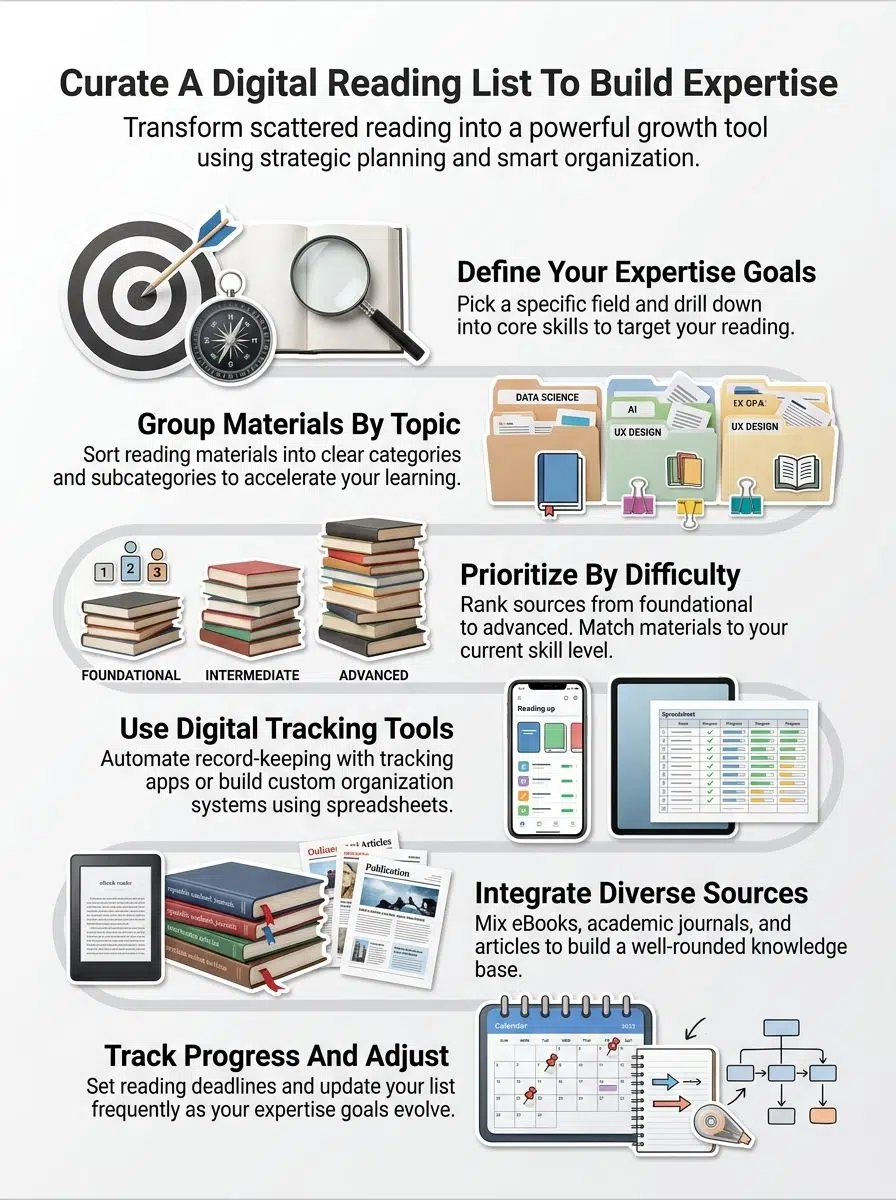
Your answer shapes every decision you make next. According to a 2025 Coursera report, US learners are currently focusing heavily on a mix of technical subjects like Generative AI and foundational skills like project management. You need to pick a clear lane just like they do.
Your chosen field acts as a compass for your daily reading. Without clear targets, you risk wasting hours on materials that do not move you forward.
“The more that you read, the more things you will know. The more that you learn, the more places you will go.” By Dr. Seuss
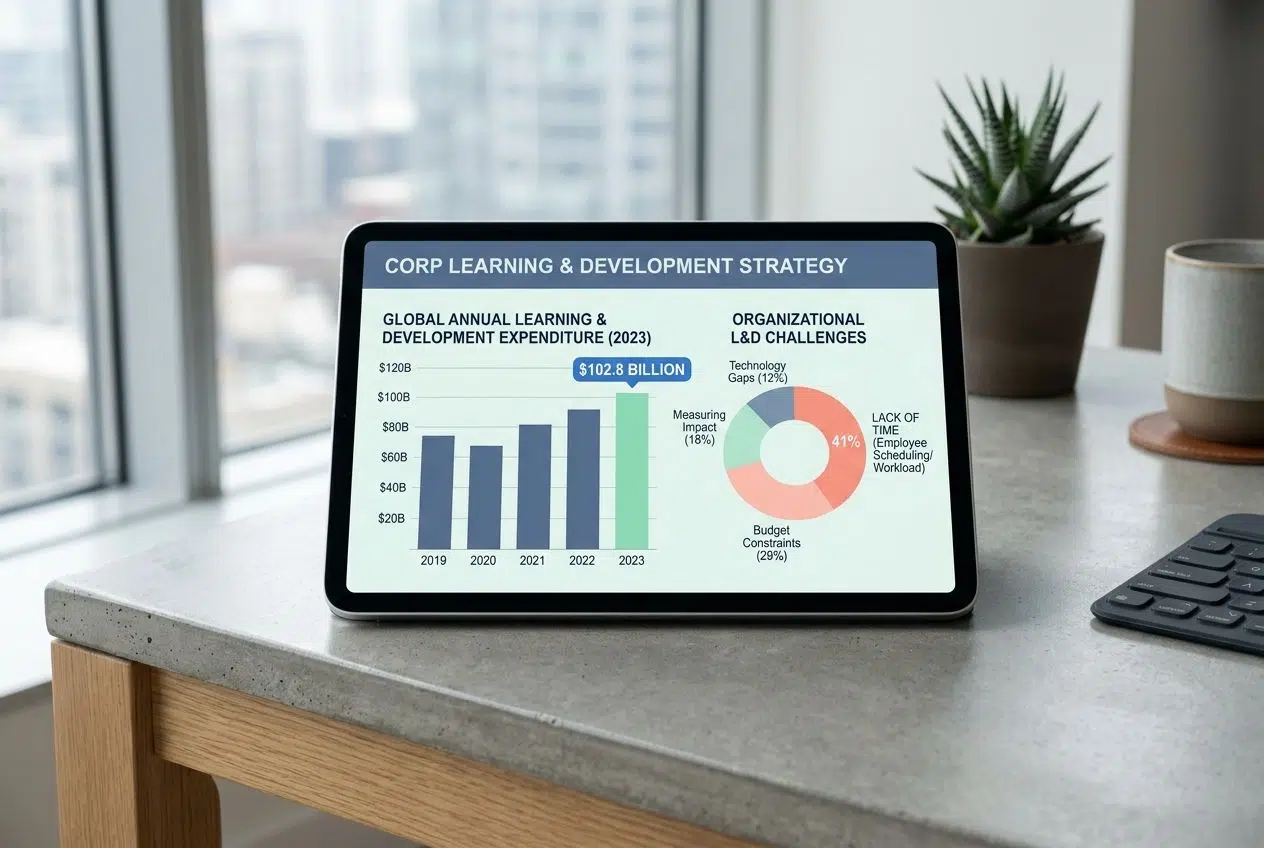
Upskilling is a massive priority right now. A 2025 Training Magazine report shows that US companies spent $102.8 billion on training expenditures alone. Still, finding the hours to learn is tough. A 2025 Gallup study found that 41% of US employees say a lack of time is their biggest obstacle to development.
Because your time is limited, you must break your big goal into smaller chunks. If you want to become a marketing pro, focus your reading on consumer psychology first, then move to data analysis.
Here are three steps to define your focus:
- Identify your core industry: Pick the main umbrella, like technology or finance.
- Select a niche skill: Drill down into something specific, like data analytics or copywriting.
- Find your knowledge gaps: Make an honest assessment of what you do not know yet.
This intentional selection keeps you from grabbing random articles. You will only pick resources that actually fill gaps in your knowledge. Strong expertise comes from strategic choices, not from reading everything you find.
Organize Your Digital Reading List
Organizing your digital reading list transforms scattered books into a powerful learning system. You group materials by topic, skill level, and relevance to build knowledge step by step. Sorting your materials into clear categories makes learning faster and more effective.
Establish Broad and Specific Categories
Grouping content by themes transforms your digital library into a clean knowledge system. Many US professionals use Notion’s popular “2025 Reading List” template to do exactly this. It allows you to create nested subpages for things like “Reading Notes” and “Book Club Notes,” keeping everything perfectly sorted.
You can even apply the popular Zettelkasten method for categorization. This technique involves organizing your notes into “Fleeting” (quick thoughts), “Literature” (direct notes from the text), and “Permanent” (synthesized ideas) to boost your retention.
- Create broad subject categories that match your expertise goals, such as technology, business, history, or science.
- Break down each major category into smaller subcategories that reflect different angles or specializations within that field.
- Use thematic groupings to connect related ideas across different books and articles.
- Label your categories with clear, descriptive names that make sense to your personal workflow.
- Assign color codes or tags to different topics within your digital tools to make visual scanning easier.
Refine and Maintain Your System
Your organizational framework should grow with you. As you learn more, you will need to tweak how you store information. Separating materials by their specific format helps you choose what to read based on the time you have available.
- Separate foundational materials from advanced resources, so you can start with introductory content.
- Group materials by format within each category, placing eBooks together, academic journals in one section, and articles in another.
- Create seasonal or time-based categories if certain topics become more relevant during specific periods.
- Cross-reference materials that span multiple topics, noting which books fit into several categories.
- Review and adjust your categories every few months to remove outdated groupings and add new ones.
Focus on Relevance and Core Knowledge
You have organized your materials into clear categories, and now comes the real work of figuring out what to read first. Prioritizing materials by relevance shapes your entire reading strategy.
- Start with your main goal and ask yourself which materials speak directly to it.
- Assess the difficulty level of each source before you commit to reading it to avoid early frustration.
- Place foundational materials at the top of your reading management system to build basic knowledge.
- Rank intermediate sources next in your personalized lists to act as bridges to harder concepts.
- Reserve advanced academic journals and specialized texts for after you have completed foundational reading.
Manage Difficulty and Progression
A smart reading strategy paces the difficulty of your content. You want to challenge yourself without burning out.
- Mix difficulty levels throughout your reading strategy instead of stacking all hard materials together.
- Consider your current skill level honestly when prioritizing content, matching materials to where you stand right now.
- Identify prerequisite knowledge by scanning introductions and abstracts before beginning specific sources.
- Group related materials by difficulty within each category to create a natural learning progression.
- Adjust your prioritization as you progress, moving sources up or down based on what you actually learn.
Tools for Managing a Digital Reading List
You need the right tools to keep your reading list organized and accessible. Apps and spreadsheets turn scattered notes into a system that actually works for you.
Book Tracking Apps and Highlight Managers
Goodreads and The StoryGraph make tracking your reading progress simple, so you can focus on learning instead of managing lists. You can easily organize books into custom categories, which aligns perfectly with building expertise in specific fields.
For managing the specific highlights inside those books, a tool called Readwise has become incredibly popular in the US. It uses a scientific concept called spaced repetition to send you a “Daily Review” email with your best highlights. This ensures you retain exactly what you read weeks later. In 2025, Readwise even launched “Audio Reviews,” a feature that turns your text highlights into a conversational podcast using high-quality AI voices.
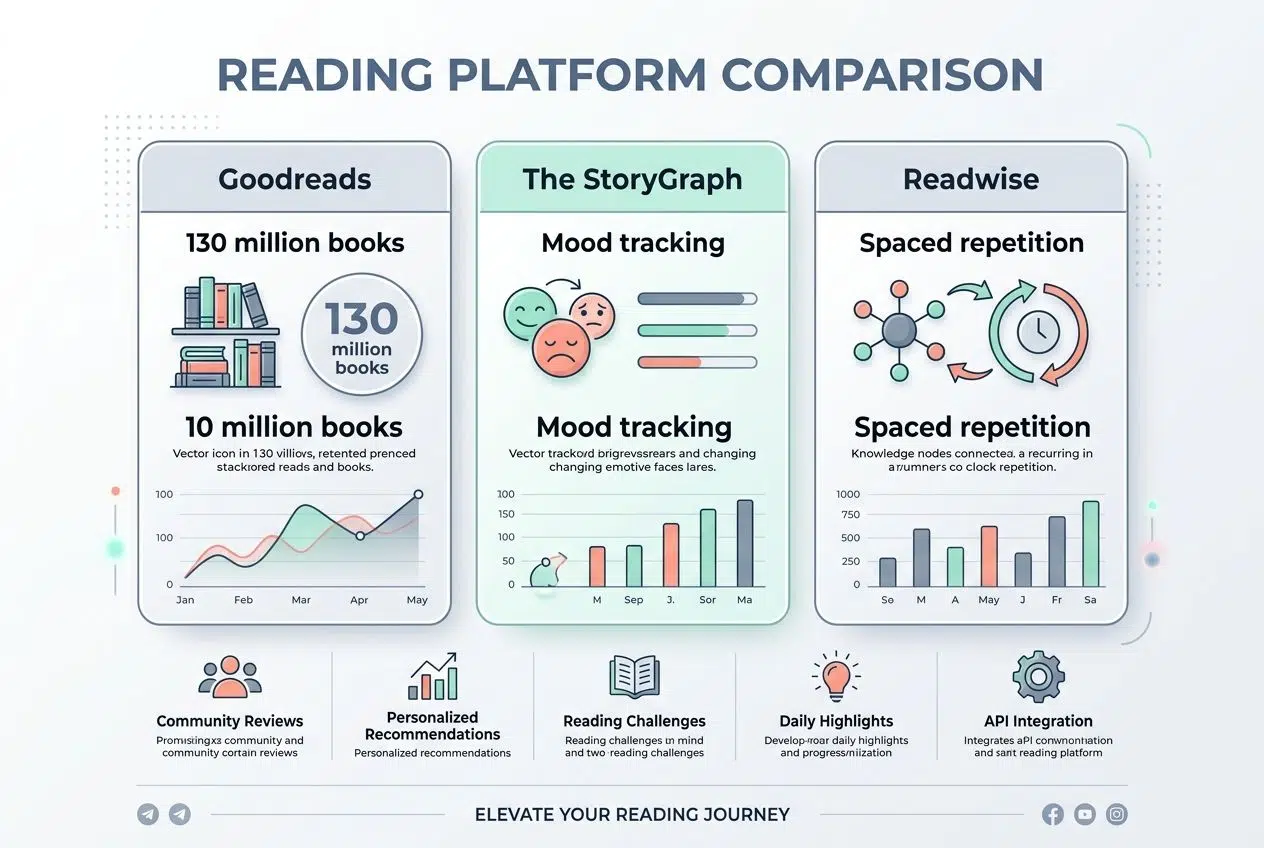
| App Name | Key Features | Best For |
|---|---|---|
| Goodreads |
|
Building broad knowledge across genres and connecting with other readers. |
| The StoryGraph |
|
Deep expertise in building with mood-based organization and personal analytics. |
| Readwise |
|
Retaining exact quotes and building a searchable digital brain. |
Goodreads works well if you want social features and broad discovery. The StoryGraph is best when you prefer detailed mood tracking. Both apps sync easily across your devices.
Spreadsheets for Custom Organization
Spreadsheets give you total control over your reading management system. You build the framework exactly how you want it by creating columns for book titles, authors, and publication dates.
You can add columns for topics, difficulty levels, and personal ratings, too. This approach beats rigid apps because you shape every detail. Your spreadsheet becomes your personal library, organized your way.
Google Sheets or Excel work perfectly for this task. You can access your list from any device, anytime, and share it with friends who want reading recommendations. This method costs nothing, requires no special skills, and adapts as your expertise grows.
Integrate Diverse Sources
You will grow faster when you pull from multiple formats. Mixing books, journals, and articles prevents you from getting stuck in one perspective and keeps your brain sharp.
Include Foundational and Academic Texts
Your reading management strategy should pull from different content types to create a well-rounded knowledge base. Text-based resources are the bedrock of any solid learning plan.
Academic journals contain peer-reviewed research that experts have vetted, making them solid foundations for specialized fields. Research databases through your local library grant access to paywalled journals that might otherwise cost hundreds of dollars annually.
- eBooks offer convenience and speed, letting you access full texts instantly on phones or tablets.
- Academic journals provide rigorous, peer-reviewed data to support your learning.
- Project Gutenberg supplies thousands of free texts, including classic literature and historical documents.
- Google Scholar connects readers to millions of scholarly papers, citations, and research across disciplines.
- Research databases unlock premium academic content for free through public library systems.
- White papers and case studies show the real-world applications of complex theories.
Leverage Modern Digital Formats
You also need to stay current with fast-moving trends. Digital audio is a massive part of this mix now.
According to the Audio Publishers Association 2025 Consumer Survey, 51% of US adults have listened to an audiobook. That is an estimated 134 million people turning their daily commutes into dedicated learning sessions. Digital audio now accounts for 99% of all US audiobook revenues, with science fiction and general non-fiction being the top learning genres.
- Articles from reputable websites provide current information on breaking news and recent developments.
- Medium and Substack host long-form essays from industry professionals sharing practical insights.
- Industry publications like Harvard Business Review deliver expert knowledge for specific corporate sectors.
- Podcasts and audiobooks work perfectly for readers who learn while commuting, exercising, or multitasking.
- Blogs from subject matter experts present difficult concepts in highly accessible language.
- News aggregators like Flipboard or Feedly gather articles from multiple sources into one streamlined place.
Structure and Prioritize Your Reading List
Your reading list works best when it follows a clear structure that matches your learning pace. Prioritization separates the absolute must-read materials from the nice-to-have ones.
Set Clear Deadlines and Tracks
Finding the time to read is a universal struggle. A 2025 Gallup report shows that 89% of Chief Human Resources Officers in the US cite “time away from job responsibilities” as the biggest obstacle to employee development. You have to be incredibly intentional with your schedule.
Setting firm deadlines for your reading prevents your list from becoming an overwhelming mountain of untouched links.
- Start by ranking materials based on foundational knowledge versus advanced content.
- Assign difficulty levels to each item in your digital tools, marking entries as introductory, intermediate, or expert.
- Group related materials together by subject matter so your brain can easily build connections.
- Set specific reading deadlines for each piece to give yourself a realistic timeframe.
- Create a progress tracking system within your spreadsheet or app to celebrate small wins.
- Place high-impact resources at the top of your queue, prioritizing books that directly support your goals.
Mix Content Types for Better Retention
You also have to balance the mental load of your reading list. A 2025 TalentLMS report found that 65% of employees say their company increased performance expectations this year. With workloads rising, you cannot read heavy academic texts every single night. You need to mix heavy academic resources with lighter, more accessible content to prevent burnout.
- Mix heavy academic resources with lighter content to maintain consistent engagement.
- Organize materials by publication date when relevant to ensure your knowledge reflects current research.
- Separate your list into seasonal sections to keep your content selection fresh and intentional.
- Include diverse sources like eBooks, journals, and articles in balanced proportions.
- Flag materials that build on each other sequentially to create mini-learning pathways.
- Review your prioritization monthly, adjusting the order based on how your expertise goals evolve.
The Closing Thoughts
Your digital reading list is a living tool that shapes how you grow as a learner. The work you put into content selection and knowledge organization will pay huge dividends over time. You will start to notice gaps in your learning, spot connections between ideas, and watch your expertise develop in real ways.
This progress is incredibly rewarding because it shows you are building actual knowledge. The strategy you create today becomes the foundation for your mastery tomorrow. Keep your reading management system flexible, so it adapts as your goals shift and new learning resources emerge.
Expert knowledge does not happen by accident. It happens through consistent engagement with quality materials. The tools you choose and the frameworks you build all work together to accelerate your development. Stay curious, adjust your approach when something feels off, and trust the process.
Frequently Asked Questions (FAQs) on Digital Reading List
1. How do I start building a digital reading list that helps me become an expert?
Pick one specific topic you want to master, then search for trusted sources like industry blogs, academic journals, or respected newsletters in that field. A study by Pew Research found that 73% of US adults who follow a structured reading plan report feeling more confident in their knowledge area. Start with just 5 to 10 high-quality pieces so you don’t get overwhelmed.
2. What types of content should I include in my digital reading list?
Mix up your formats with articles, podcasts, videos, and research papers so your brain processes the information in different ways. This variety helps ideas stick better and keeps learning from feeling like a chore.
3. How often should I update my digital reading list to keep it useful?
Review your list every one to two weeks, removing outdated links and adding fresh finds you discover during your research or casual browsing. This regular refresh keeps your collection relevant and aligned with your current learning goals.
4. Can curating a digital reading list really build expertise over time?
Yes, it absolutely works. Consistent reading from quality sources fills knowledge gaps and gives you multiple perspectives on complex topics, and those small pieces of learning stack up over time into real expertise.





















