
Why Southeast Asia is the New Startup Hub
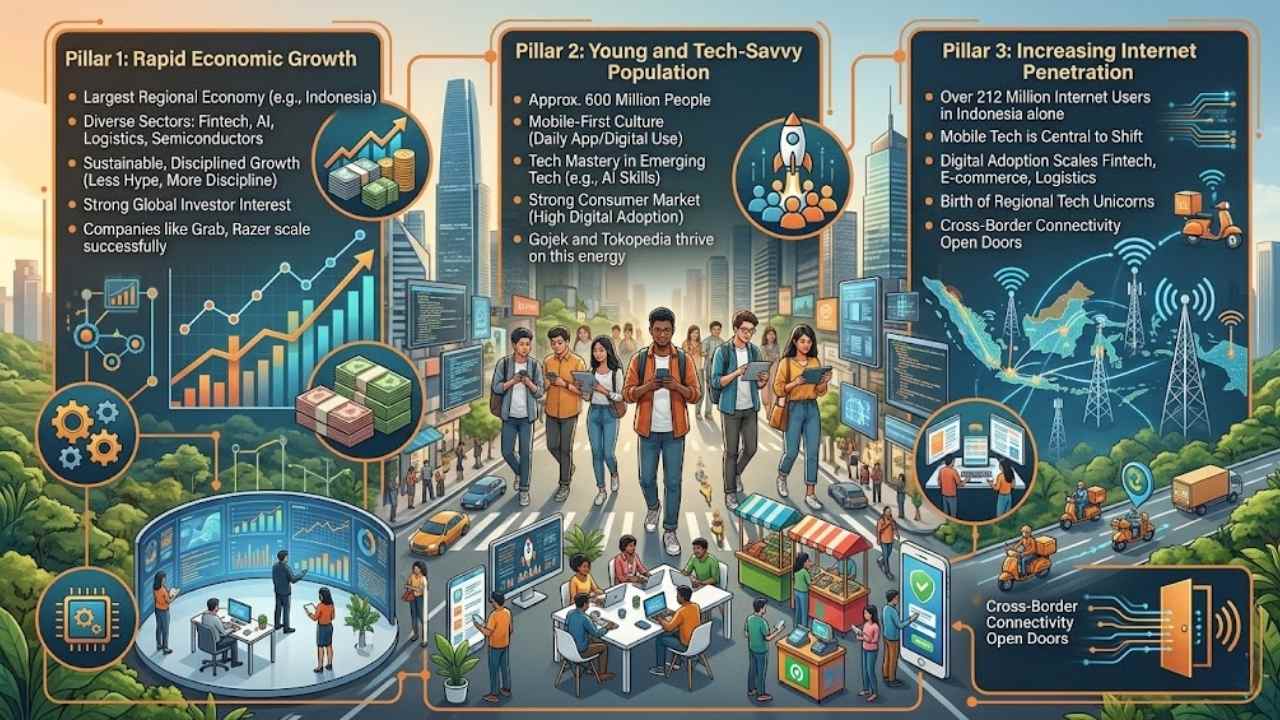
Southeast Asia bursts with rapid economic growth, drawing entrepreneurs like bees to honey. Its young, tech-savvy people, plus rising internet access, fuel a vibrant entrepreneurial ecosystem full of venture capital chances.
Rapid economic growth
Indonesia leads as the largest market in Southeast Asia, boasting over 212 million internet users. This massive user base highlights the broad economic growth potential here. Companies like Grab and Razer have scaled successfully, showing how startups thrive in this dynamic spot.
The region’s diversified economies fuel innovation in multiple sectors, from healthcare to semiconductors.
Rapid economic growth draws both domestic and international investors to the digital economy. Startup funding shifts from hype-fueled expansion to disciplined, sustainable growth. Global firms eye these emerging markets to diversify supply chains, creating big investment opportunities.
Growth sectors like fintech, AI, and logistics reflect the expanding regional economies, much like a rising tide lifting all boats.
Young and tech-savvy population
Southeast Asia boasts a population of about 600 million people. Most of them are young and love tech. These folks use mobile apps and digital tools every day. They fuel the need for fresh services, like quick payments or online shopping.
Imagine a bustling street in Vietnam, where kids swipe through Shopee deals on their phones. This energy builds a strong base for tech startups across the region.
Tech-savvy consumers drive the growth of fintech, e-commerce, and AI, notes the e-conomy SEA 2022 report from Google for Startups.
Youth in places like Singapore and Vietnam master AI skills fast. They solve tricky problems in niche markets, from agritech to smart cities. Demand surges for B2B and B2C digital solutions.
Gojek and Tokopedia thrive on this vibe. High digital adoption sparks innovation, drawing talent from Thailand to the Philippines. Consumer behavior shifts to sustainability and ESG trends, boosting startups in APAC.
Increasing internet penetration
Internet growth in Southeast Asia sparks startup magic. More folks jump online every day, fueling fresh business ideas. Indonesia boasts over 212 million internet users, turning it into a hot spot for new ventures.
Rapid boosts in mobile and web access open doors for digital models that thrive. High usage levels scale up fintech, e-commerce, and AI platforms with ease. This connectivity wave drives logistics and supply chain tweaks, keeping things smooth.
Mobile tech spreads like wildfire, central to the region’s digital shift. Advancements in infrastructure birth tech unicorns that shine across borders. Internet penetration lets B2B stars like J Janu, SATA, and Pasnet rise and expand.
Startups grab cross-border chances, thanks to strong links. Go-Jek and Traveloka ride this surge, proving the power of digitalization. World Bank notes highlight how such growth links markets, from Vietnam to Malaysia.
Key Startup Hubs in Southeast Asia
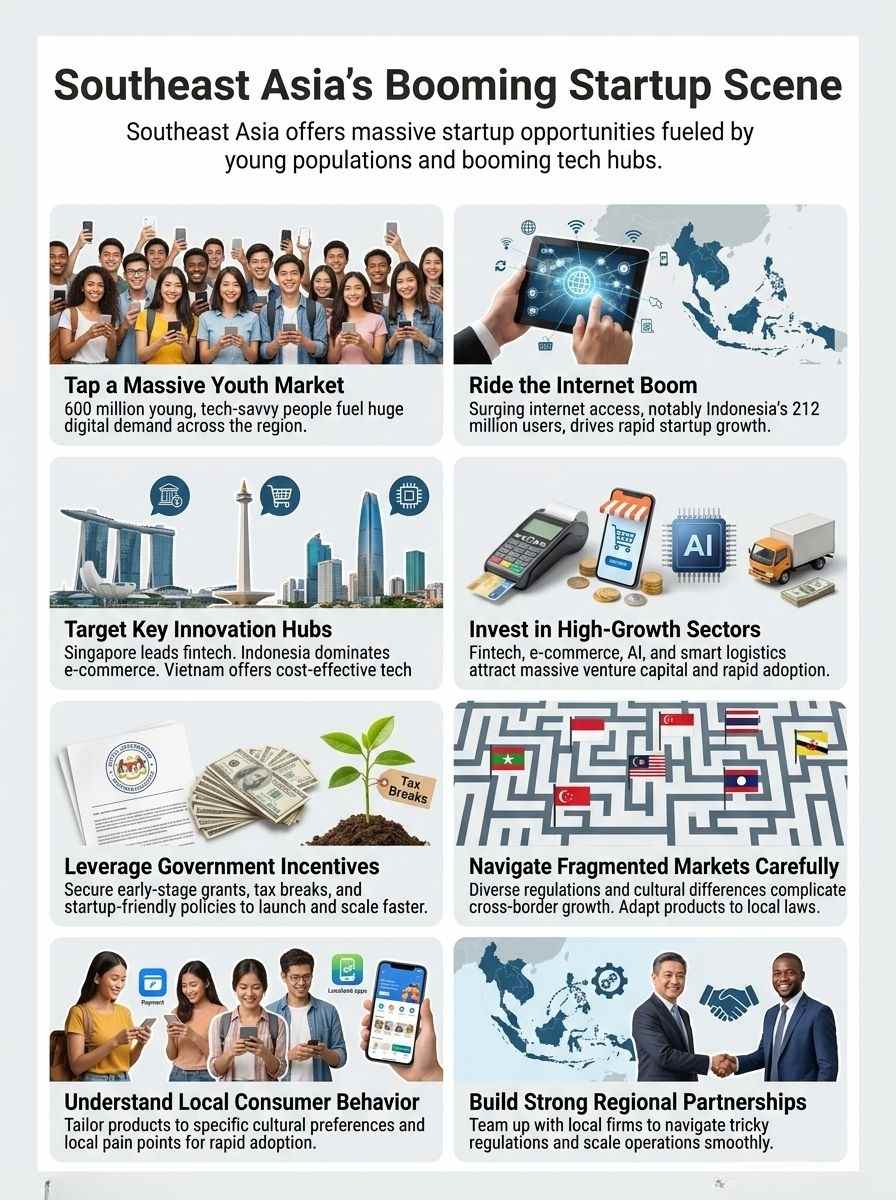
Southeast Asia lights up with cities that fuel startup dreams, like Singapore leading in fintech with tools such as GrabPay buzzing through daily life. Indonesia draws crowds with its massive e-commerce wave, where platforms like Lazada and Zalora turn shopping into a regional adventure, pulling entrepreneurs into the mix.
Singapore: The innovation and fintech leader
Singapore kicks off its venture capital story in the late 1990s. The National Science and Technology Board, or NSTB, launched it all. Fast forward, the National Research Foundation stepped in 15 to 20 years ago.
They fixed early funding issues and boosted the start-up ecosystems. Today, entrepreneurs find active support in Series A and C funding stages. Funding flows plenty in later rounds like B and C too.
Fintech grabs a big share of that cash, sparking tons of fresh ideas. Singapore shines as the go-to spot for regional headquarters. Its stability and business-friendly policies draw companies in.
Imagine a hub where corporate venture capital meets digitalization head-on.
Singapore leads the region in AI hiring, development, and high-tech innovation, notes a recent OECD report on start-up Asia.
AI booms here, with Singapore pulling ahead in talent grabs and R&D efforts. The ecosystem faces hurdles, though. It stacks up against Silicon Valley and Israel. Getting VC for bold ideas lacks quick market pull.
Still, fintech drives the charge, outpacing others. GrabPay shows how innovation thrives in this space. Leaders like Antler fuel the fire with smart investments. Vietnam and Indonesia watch, but Singapore sets the pace in AI and high-tech fields.
Indonesia: The largest market with growing e-commerce
Indonesia boasts the largest market in Southeast Asia, with over 212 million internet users fueling its growth. This massive scale, paired with high internet penetration, creates a prime domestic arena for startups to scale fast.
Picture a bustling digital bazaar where consumer behaviour shifts daily, driven by quick adoption of mobile services. Companies like Foodpanda thrive here, riding the wave of e-commerce and fintech unicorns that have already emerged.
The ecosystem pulses with energy from digitalisation, as folks embrace apps for shopping and payments on the go.
Startups in Indonesia zero in on consumer sectors, e-commerce, and fintech, thanks to market dynamics that boost high-growth B2C models. The government ramps up support for digital entrepreneurship, making it easier to launch and expand.
Imagine tapping into a connected population that craves online deals, much like how hatch programs nurture ideas into reality. With robust e-commerce expansion, entrepreneurs find fertile ground, even as they study local consumer behaviour to stay ahead.
This setup has birthed notable tech firms, proving Indonesia’s pull for innovators eyeing big wins.
Vietnam: Rising hub for cost-effective talent and manufacturing
Vietnam draws startups with its pool of skilled workers in tech and manufacturing. This nation offers cheap yet strong teams for new companies. Foreign firms flock here for R&D centers, thanks to low costs.
Think of it like finding a hidden gem in South Asia’s neighbor, Viet Nam shines bright. The local scene grows fast in AI and software firms. Government aid and outside money fuel this boom.
Startups love Vietnam’s edge in hardware and supply chain work. Low labor costs beat nearby spots, easing market entry. Picture building gadgets without breaking the bank, that’s the draw.
Talent here boosts enterprise tools and tech growth. International groups set up shops for smart manufacturing. Viet Nam rivals places like Bangladesh or Pakistan in pulling innovators.
Expansion happens in both tech and factory sectors.
Key Industries Driving Growth
Southeast Asia’s startups zoom ahead in fields like digital payments and online shopping, where smart tech sparks fresh ideas in shipping networks. Picture a young founder in Jakarta flipping the script on supply chains with clever algorithms, huh? Stick around to see how these sectors fuel the boom.
Fintech
Fintech leads the charge in Southeast Asia’s startup boom. This sector grabs huge venture funding, thanks to its focus on underserved consumers. Indonesia and Singapore stand out as top hubs for fintech innovation.
Several unicorns here started as fintech companies, showing real strength. Governments push financial inclusion, fueling more growth. Startups use high mobile and internet access to tap new markets.
The young crowd drives quick adoption of these tools.
Imagine fintech as a bridge over banking gaps, much like a shortcut in a crowded city. It fixes holes in traditional services with smart apps and digital wallets. Firms like those backed by Ganas Ventures or linked to Lolita Taub inspire the scene.
Even echoes from Startup India and WIPO add global flair, blending ideas from places like Sri Lanka or Maldives. Young users in Vietnam and beyond jump on board, turning phones into banks.
Venture spots like CIEE.co highlight the buzz, drawing talent from Lightcastle Partners. This mix keeps fintech humming with fresh energy.
E-commerce
E-commerce thrives in Southeast Asia. It sees strong growth, especially in Indonesia and Vietnam. Indonesia boasts a large internet user base of 212 million people. This makes it a key e-commerce battleground.
Young, tech-savvy folks fuel platform adoption across the region. Startups scale quickly, thanks to digital infrastructure improvements. The sector contributes big to the region’s unicorn count.
Increased internet and mobile penetration support this boom. It attracts both local and international investment, with strong fundamentals drawing players from places like China.
Market fragmentation poses real challenges for cross-border e-commerce growth. Diverse regulations slow things down, much like moving through a crowded street market. Investors eye opportunities here, similar to those in renewable energy hubs.
Folks like Mike Kim from invest2innovate spot the potential. Sites such as ciie.co highlight global ties. Development centre studies show how policies, including angel tax breaks, boost the scene.
Even spots like NSTP Islamabad inspire, while IndiaAI pushes tech edges. E-commerce startups often partner up to tackle these hurdles.
Artificial Intelligence (AI)
AI grows fast in Southeast Asia. Singapore leads in hiring and development for this tech. Teams here tackle tough, specific problems. They aim for quick returns on investment. Startups like Pasnet shine, offering smart business insights and research tools.
Folks apply AI in healthcare, finance, rules checks, and shipping chains. The talent base swells, full of coders and AI experts.
Companies chase better operations and edge over rivals with AI. Singapore excels in research and real-world uses. Startups build fast models and team up close with clients. Picture a bustling hub where ideas spark into tools that solve daily headaches, like streamlining deliveries or spotting fraud.
The Orie fits right in, boosting this vibrant scene with fresh approaches. Neural networks power many projects, while tools like machine learning frameworks speed up innovations.
Logistics and supply chain
Logistics and supply chain sectors thrive in Southeast Asia. Startups tackle tough problems here. Fragmented markets across countries spark complex challenges. These firms solve them with smart ideas.
J Janu stands out as a prime example. They optimize operations for better flow. E-commerce booms and boosts demand for fresh solutions. Companies in this field cut costs and boost efficiency for other businesses.
Innovation in supply chains helps startups scale up regionally and globally.
These sectors gain big from AI and data analytics. Tools like machine learning spot patterns fast. They predict delays before they hit. This tech drives quick wins. Successful players grab market share swiftly.
Pressing needs push rapid adoption. The area adds many unicorns from this space. Picture a startup turning chaos into smooth delivery; that’s the magic at work. Entrepreneurs spot gaps and fill them with grit.
Government Support and Initiatives
Governments across Southeast Asia offer tax breaks and grants that make starting a business feel like a warm welcome. They push easy visa rules and funding programs, sparking growth for new ventures and pulling in global talent.
Investment incentives
Singapore pumps serious cash into early-stage startups. They do this through groups like NSTB and the National Research Foundation. Picture a young company, fresh ideas bubbling, but short on funds.
These programs step in, fill that gap with grants and support. Tax breaks pop up too, common in key spots like Indonesia and Vietnam. They target hot areas, you know, fintech, AI, and healthcare.
This setup draws in local investors and folks from abroad, eager to bet on winners.
These perks boost seed funding and early venture capital across the region. Startups grab resources to grow big, regionally or even worldwide. Officials tweak incentives often, matching new tech waves and market shifts.
Imagine your idea taking off, thanks to a smart grant that fits just right. Programs tackle those funding holes head-on, making the ecosystem thrive. Venture capital flows stronger because of it all.
Startup-friendly policies
Governments in Southeast Asia push hard for startups. They craft policies that spark innovation and entrepreneurship. Take Singapore, Indonesia, and Vietnam; these countries roll out rules that make business setup a breeze.
Their frameworks stress easy company formation, strong shields for ideas, and open doors for outside cash. Leaders keep tweaking laws to cut red tape for tech ventures. This drive has birthed over 52 unicorns across the area, like a garden blooming with rare flowers.
These efforts build networks that help operations hum and turn ideas into real products. Policies nudge firms to grow past borders, aiming for bigger stages. They back hubs in stable spots, drawing global tech giants to plant R&D centers and spark fresh ideas.
Indonesia’s market size pairs with Vietnam’s talent pool, while Singapore’s steady ground lures headquarters. Imagine your startup as a ship; these supports act like favorable winds, pushing you forward without the usual storms.
Challenges in Southeast Asia’s Startup Ecosystem
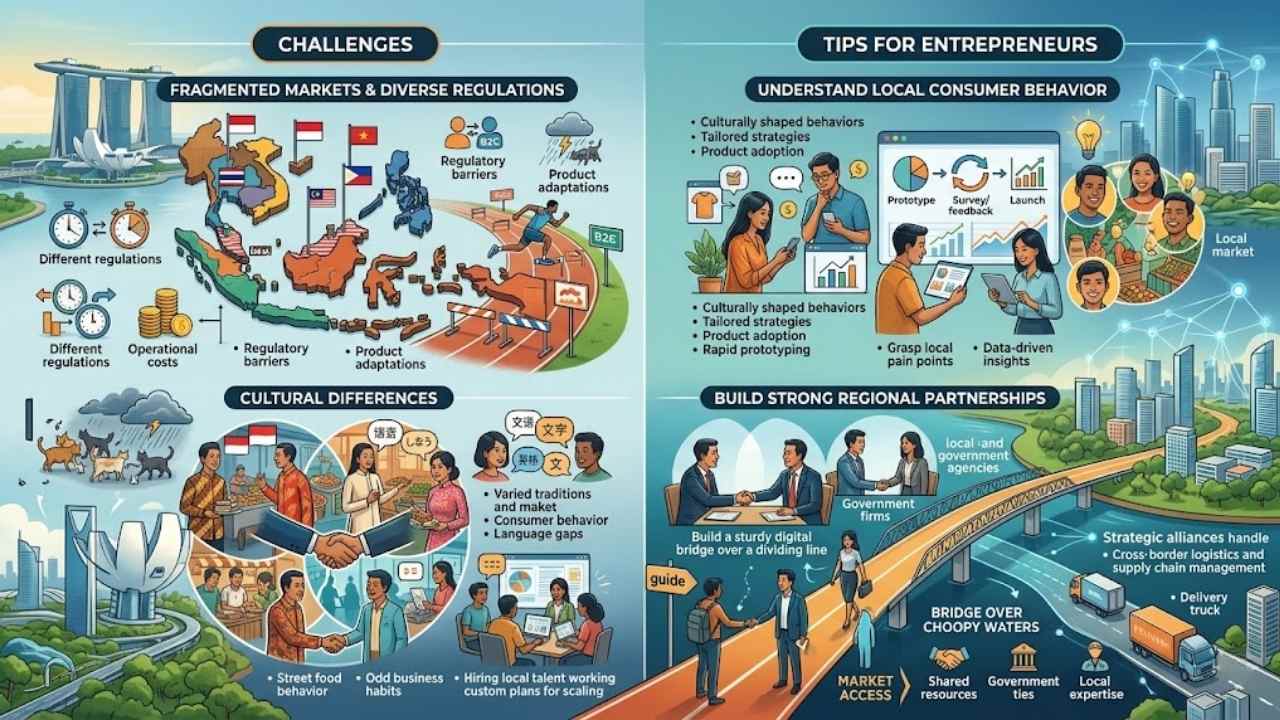
Startups face tough hurdles with markets split across borders, each with its own rules that can trip you up if you’re not careful. Add in the mix of cultures from one country to the next, and it’s like trying to juggle while riding a bike—exciting, but one wrong move and things get messy, so keep reading for ways to tackle these head-on.
Fragmented markets and diverse regulations
Southeast Asia’s startup scene splits across many countries, like pieces of a tricky puzzle that don’t always fit. This market fragmentation hits hard, it limits how B2B and B2C models scale up.
Diverse regulations in each nation build barriers, they block smooth regional and cross-border growth. Picture trying to run a race with different rules at every mile marker, that’s the daily grind for entrepreneurs here.
Companies adapt products and services to match local laws, a must-do that eats time and effort. Regulatory complexity jacks up operational costs, no doubt about it.
These differences slow the commercialization process, they demand teams jump through hoops in varied legal frameworks. Fragmented markets block unified operational networks from forming, a real headache for building big.
Think of it as herding cats in a storm, each country pulls in its own direction. Regulatory gaps also fuel the shortage of regional B2B software firms, leaving gaps in the ecosystem.
Entrepreneurs face cultural twists too, but hey, that’s part of the adventure in this vibrant spot.
Cultural differences across countries
Cultural differences hit startups hard in Southeast Asia. Diversity here throws up big hurdles in grasping consumer behavior. You face a mix of traditions that demand you tweak products and ads for each spot.
Picture trying to sell the same gadget in bustling Jakarta and quiet Hanoi, it won’t fly without changes. Startups build teams packed with locals to break into markets. Those folks know the ins and outs, helping you dodge missteps.
Cross-border deals get tricky with odd business habits and language gaps. Barriers like these shape how you hire, lead, and chat with customers. Smart founders pump money into homegrown talent to close those divides.
Consumer wants vary wildly, so craft custom plans to launch and grow. All this pushes for real grit in scaling across the region, keeping things steady for the long haul.
Tips for Entrepreneurs Entering the Market
Jumping into Southeast Asia’s startup scene feels like entering a vibrant marketplace, where grasping what locals really want can make or break your venture, so dive deep into consumer surveys and chat with folks on the ground to get that edge.
Plus, forging ties with area businesses acts like a sturdy bridge over tricky borders, helping you navigate regulations and scale up fast—think teaming up with Jakarta suppliers if you’re in e-commerce.
Understand local consumer behavior
Southeast Asia’s markets show diverse consumer behaviors, all shaped by cultural differences. Startups thrive when they tailor products and marketing strategies to local preferences.
This boosts adoption rates fast. High-performing startups team up deeply with customers to refine offerings. They use rapid prototyping and feedback loops to meet local needs well.
Grasp local pain points, and you design relevant solutions that stick. Consumer behavior insights fuel successful entry and scaling strategies. Build local consumer trust through transparency and adaptation to expectations.
Data-driven approaches spot emerging market trends and preferences right away.
Build strong regional partnerships
Form strong regional partnerships to thrive in Southeast Asia. These ties help startups handle fragmented regulations and cultural differences, like a bridge over choppy waters. Partnerships with local firms give you market access and regulatory guidance, opening doors you didn’t know existed.
Think of it as teaming up with a local guide on a jungle trek; they know the paths.
Strong operational networks let you scale across the region, essential for growth. Collaborations share resources and cut risks, making your journey smoother. Build relationships with government agencies; they unlock investment incentives that boost your startup.
Strategic alliances handle cross-border logistics and supply chain management, keeping things moving. These partnerships tap into local expertise and distribution channels, fueling sustainable, scalable growth.
Imagine your business as a tree; these roots make it stand tall.
Final Thoughts
Southeast Asia draws startups with its fast growth, young tech fans, and rising web access. Places like Singapore lead in fintech, Indonesia shines in e-commerce, and Vietnam offers cheap skills for making goods.
Fintech, online shopping, AI, and shipping drive the boom, backed by government perks and rules that help new firms. Watch out for split markets and culture gaps, but tips like knowing local tastes and teaming up make entry smooth and quick.
These steps boost your odds in this hot spot, where over 50 unicorns prove big wins await smart players. Check reports from groups like Tech in Asia for more tips, and jump in now, because this scene turns dreams into deals faster than you think.
FAQs
1. What’s fueling the boom in Southeast Asia’s startup scene?
Picture a bustling market where ideas pop like fireworks; young entrepreneurs dive in with tech innovations that solve real problems. Easy funding from investors keeps the energy high, and governments add support to make it all click. It’s like striking gold in a digital age, drawing folks from everywhere.
2. Which spots in Southeast Asia stand out as startup hubs?
Singapore leads the pack with its sleek tech vibe and solid rules. Indonesia buzzes with e-commerce giants, while Vietnam surprises with fast-growing apps.
3. How can I jump into this startup wave as an entrepreneur?
Start by networking in places like Bangkok or Jakarta, where meetups feel like friendly chats over coffee. Grab funding through local accelerators; they’re like treasure maps guiding you to success. Remember, a dash of grit turns dreams into reality, even if you trip a bit along the way.
4. What challenges do startups face in Southeast Asia?
Competition heats up like a spicy curry, making it tough to stand out. Regulations vary by country, so navigating them requires smart moves. Still, with empathy for local needs, many turn hurdles into stepping stones.