As summer temperatures rise, keeping your home comfortable can become a challenge without piling up high energy bills. Ensuring your air conditioner operates efficiently can make a significant difference in both comfort and monthly expenses. Many homeowners overlook that a few simple habits and preventive steps can help maximize their system’s cooling power. Whether you are trying to lower costs, extend your unit’s lifespan, or avoid inconvenient breakdowns, these strategies will help you get the most out of your cooling system. Efficient AC operation not only supports energy savings but also helps limit the environmental impact of the overuse of electric appliances.
For those living in Central New Jersey, it’s especially important to have a reliable air conditioner. When unexpected issues arise, seeking AC repair in New Brunswick, NJ can help restore comfort quickly and keep your cooling system running efficiently. Regionally, humidity and heat waves can make inside temperatures uncomfortable very quickly, and sudden issues can quickly disrupt your summer plans. Routine maintenance and timely repairs can prevent discomfort, and if something does go wrong unexpectedly, fast, professional support is available.
Regularly Replace or Clean Air Filters
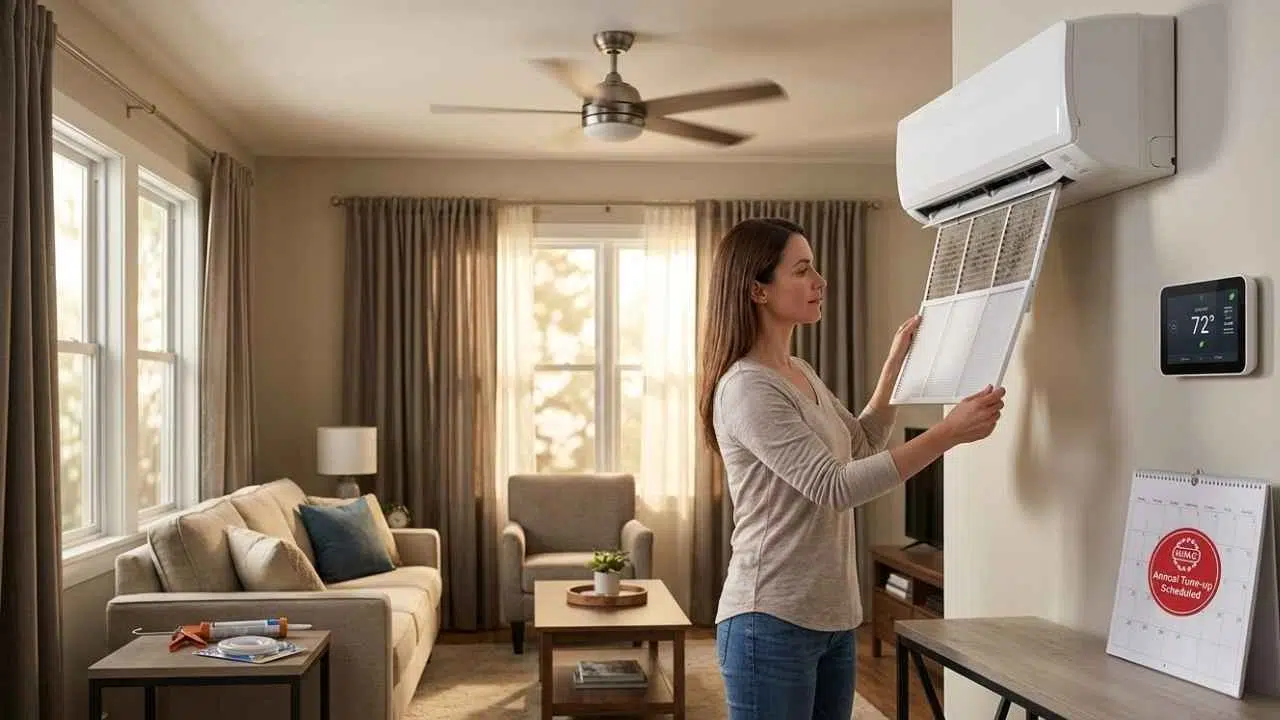
One of the simplest and most effective ways to improve air conditioner efficiency is to regularly maintain air filters. Dirty or clogged filters restrict airflow, causing the unit to use more energy to cool your home. As filters become saturated with dust, pollen, and other airborne particles, your system is forced to compensate by running longer cycles, which not only wastes electricity but can leave your home less comfortable. This added strain not only increases energy consumption but also forces your system to work harder, potentially shortening its lifespan and causing components to wear out prematurely. Make it a habit to check your filters every 1 to 3 months and replace or clean them according to the manufacturer’s recommendations. In households with pets, allergy sufferers, or high dust levels, more frequent checks may be beneficial. Clean filters not only promote better airflow but also contribute to cleaner indoor air quality, reducing allergens and dust in your living space, which, in turn, benefits your family’s health.
Install a Programmable or Smart Thermostat
Thermostat upgrades are a cost-effective way to boost your air conditioner’s performance. Programmable thermostats let you set customized cooling schedules, so your system only runs when necessary, like during the hours you’re home or asleep, ensuring efficiency without sacrificing comfort. Smart thermostats go a step further by learning your daily routines and automatically adjusting temperatures for optimal comfort and savings. For instance, they can adjust cooling when the house is empty or during the coolest parts of the day, and then return to a comfortable temperature before you arrive home. This means you can avoid cooling an empty house during work hours, lowering your electricity use without sacrificing comfort. Some advanced models offer remote smartphone controls, allowing you to adjust temperatures from anywhere, so even last-minute schedule changes won’t result in wasted energy. These features not only streamline temperature management but can lead to substantial reductions in your utility bills over the course of a summer.
Seal and Insulate Your Home
If your home isn’t properly sealed or insulated, much of the cool air your air conditioner produces can escape through gaps in doors, windows, and even attic openings. Use weather stripping along doors and caulking around window frames to prevent air leaks, ensuring a tight seal to keep cooled air inside and hot air out. Inspecting and maintaining insulation in areas like attics, basements, and crawl spaces is just as essential; compromised insulation can allow heat to seep inside quickly. Adequate insulation creates a thermal barrier, helping your air conditioner maintain a steady, comfortable temperature without excessive effort. This helps keep hot air out and cool air in, so your system doesn’t have to work nonstop to maintain your desired temperature. Frequently overlooked gaps, such as those around plumbing or wiring, should also be identified and sealed.
According to the U.S. Department of Energy, proper insulation can significantly reduce energy bills by slowing the rate of heat gain or loss in your home. Periodically checking for drafts and addressing any newly discovered leaks helps maintain your home’s energy efficiency year after year.
Use Ceiling Fans to Enhance Air Circulation
Ceiling fans are an excellent complement to air conditioning, as they help circulate cool air throughout your living space, supporting uniform temperatures and eliminating warm spots. This even distribution means you can set your thermostat a few degrees higher while still feeling just as cool, translating to tangible savings over time. To maximize airflow, make sure your ceiling fans spin counterclockwise during the summer months. This pushes cool air downward, providing a more comfortable breeze and assisting your body’s natural cooling mechanisms. Using ceiling fans in tandem with your AC can reduce reliance on your cooling system, thus saving energy. Remember to turn off ceiling fans in unoccupied rooms to avoid wasting energy; their benefit is felt only when you’re present to enjoy the airflow. Additionally, incorporating portable or oscillating fans can help improve circulation in rooms without ceiling fans.
Keep Blinds and Curtains Closed During Peak Sunlight
Sunlight pouring through your windows can quickly increase indoor temperatures, making your air conditioner work harder. By keeping blinds or curtains closed during the hottest parts of the day, especially in rooms that get direct sunlight, you can block much of the heat gain. For additional benefits, consider reflective window coverings or blackout curtains, which are designed to further reduce the transfer of heat through your windows. These coverings are especially effective on south- and west-facing windows, where sun exposure is most intense. A recent report from The New York Times highlights the energy-saving potential of quality curtains during peak heat hours. Window shades or solar screens can also be useful solutions, offering flexibility and style while helping your air conditioner operate more efficiently.
Schedule Regular Professional Maintenance
Annual inspections by a licensed HVAC technician are crucial for prolonged efficiency. During maintenance visits, technicians can clean coils, check refrigerant levels, inspect electrical connections, and spot early signs of wear or malfunction. Addressing minor issues before they escalate into major breakdowns prevents costly repairs and reduces overall energy consumption. Well-maintained systems are less prone to emergency breakdowns, providing peace of mind during the hottest months. Many HVAC companies offer maintenance plans that include seasonal check-ups and priority service, ensuring your equipment receives timely care and that you stay ahead of issues that could cause system failures.
Final Thoughts
Taking proactive measures can make a measurable difference in your air conditioner’s performance and longevity. From swapping out old air filters to investing in a smart thermostat, even small changes can lead to lower energy bills and a more comfortable home. By combining routine maintenance with simple lifestyle habits, you can enjoy an efficiently cooled home all summer long, avoid surprise breakdowns, and extend the lifespan of your equipment. Ultimately, caring for your air conditioning system is an investment in your comfort, your home, and your family’s well-being, a win-win opportunity for any homeowner.