

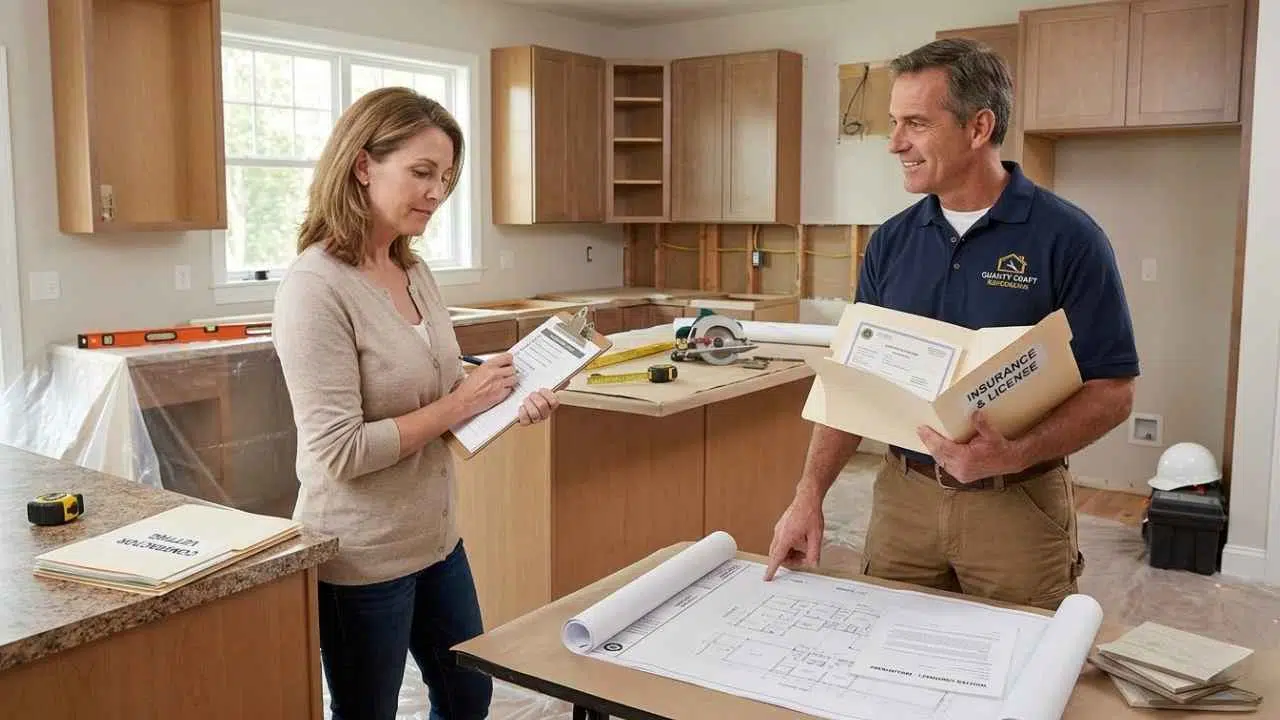
Every year, thousands of homeowners hand over deposits to contractors who disappear, deliver shoddy work, or balloon the final bill far beyond the original estimate. The nightmare stories are real — and they happen to careful, well-intentioned people, not just careless ones. The good news? Most of these situations are entirely preventable with the right approach.
Whether you’re planning a kitchen overhaul, a master bathroom upgrade, or a full home renovation, hiring the right contractor is the single most important decision you’ll make before the first nail is driven. This step-by-step checklist walks you through every phase of the process — from the first Google search to the final payment — so you can hire with confidence, protect your investment, and avoid the costly mistakes that trip up so many homeowners.
Step 1: Define Your Project Before You Start Searching
Before reaching out to a single contractor, get crystal clear on what you actually need. Vague requests lead to vague proposals — and vague proposals lead to scope creep, cost overruns, and heated disputes down the line.
Write down the full scope of your project: which rooms are involved, what structural or cosmetic changes you want, and what materials or finishes you’re considering. Establish a realistic budget range — not just a ceiling — and decide on your ideal timeline, including any hard deadlines. This upfront clarity will save you hours of back-and-forth and make it far easier to compare bids on an equal footing.
Step 2: Find Reputable Contractors the Right Way
Your best source is still word-of-mouth. Ask neighbors, friends, or family members who’ve had recent remodeling work done — and ask specifically whether they’d hire that contractor again. A contractor who delivered great results for someone you trust is already a significant step ahead of an unfamiliar name on a directory listing.
Beyond referrals, check platforms like Houzz, Angi, and Google Reviews. Look for contractors with consistent, detailed reviews across multiple platforms — not just a handful of five-star ratings concentrated on one site. Your local trade associations and city or county contractor licensing board are also valuable resources for finding vetted professionals.
One important rule: avoid door-to-door solicitations and anyone offering steeply discounted rates immediately after a storm or natural disaster. These are classic warning signs of unlicensed, fly-by-night operations that prey on vulnerable homeowners.
Step 3: Vet Every Candidate Thoroughly
Before inviting anyone to walk through your home and give a bid, run through this non-negotiable verification checklist:
- Confirm they hold a valid contractor’s license in your state
- Verify they carry both general liability insurance and workers’ compensation coverage
- Check their Better Business Bureau rating and review any unresolved complaints
- Confirm they have a verifiable physical business address — not just a phone number
- Look up their permit history with your local building department
A legitimate, professional contractor will have absolutely no problem providing proof of licensing and insurance on request. If they hesitate, make excuses, or claim their policy is “currently being renewed,” walk away immediately.
Step 4: Ask the Right Questions During the Interview
Treat the contractor interview with the same seriousness you’d give a job interview — because in many ways, that’s exactly what it is. The answers you receive (and how they’re delivered) reveal a great deal about professionalism and reliability. Ask every candidate these essential questions:
- Who will be on-site daily — you personally, or subcontractors?
- Can I see a portfolio of similar completed projects and speak directly with past clients?
- Will you pull all necessary permits for this project?
- What does your payment schedule look like?
- How do you handle unexpected costs or changes in scope?
- What does your workmanship warranty cover, and for how long?
A confident, experienced contractor will answer every one of these questions clearly and without hesitation. Vague, evasive, or defensive responses are red flags worth taking seriously.
Step 5: Get At Least Three Written Bids
Never accept the first bid you receive, no matter how impressive the contractor seems. Getting at least three written proposals gives you the context to evaluate pricing fairly and spot anything that looks off. A proper bid should include a full itemized breakdown of labor costs, materials, subcontractor fees, and any allowances for finishes or fixtures you haven’t selected yet.
One of the most common and costly mistakes homeowners make is automatically choosing the lowest bid. A significantly cheaper proposal usually signals something is missing — inferior materials, skipped steps, or a contractor who plans to make up the difference through change orders once the work is underway. Compare bids on completeness, detail, and overall value — not just the final number.
Step 6: Get Everything in Writing
A handshake agreement is not a contract, and a verbal promise is not enforceable. Before any work begins, make sure your written contract clearly includes all of the following:
- Full project scope and detailed specifications
- Itemized materials list with brands, grades, and quantities
- Payment schedule — never pay more than 10–30% upfront
- Project start date and estimated completion date
- A clearly defined process for handling change orders
- Dispute resolution clause and lien waiver requirements
If a contractor resists putting the details in writing or insists a formal contract “isn’t necessary,” that resistance itself is all the information you need.
Step 7: Recognize the Red Flags and Walk Away
No matter how far along you are in the process, it’s always better to start over than to proceed with someone who raises serious concerns. Walk away immediately if a contractor:
- Demands a large upfront cash payment before work begins
- Cannot or will not provide proof of insurance and a valid license number
- Refuses to pull the required building permits
- Uses pressure tactics or offers pricing that expires within hours
- Insists on verbal-only agreements and avoids written documentation
Step 8: Stay Actively Involved During the Project
Signing a contract doesn’t mean you hand over the keys and disappear until move-in day. Stay engaged throughout the project. Keep a running journal with dated photos documenting progress at every stage. Confirm all change requests in writing — a simple email thread or text message chain works perfectly and creates a paper trail.
Withhold your final payment until a thorough punch list walkthrough is complete and every outstanding item has been addressed. A reputable contractor will expect this and welcome the final inspection. Pushback against a reasonable walkthrough is a warning sign, not a minor inconvenience.
Final Thoughts
Hiring the right remodeling contractor comes down to one thing: doing your homework before the first hammer swings. Verify credentials, ask the tough questions, insist on a detailed written contract, and stay involved from start to finish. The time you invest upfront can save you thousands of dollars and months of unnecessary headaches on the back end.
If you’re looking for a team that checks every box on this list — licensed, insured, transparent, and experienced — consider partnering with a full home remodeling contractor who brings real accountability and craftsmanship to every project.
Your home is one of the largest financial investments you’ll ever make. Approach the contractor selection process with the same diligence you’d bring to any major decision — and you’ll be far more likely to end up with a renovation you’re proud of for years to come.





















