

You want your website to show up first when people search for “Best X For Y.” Maybe you have great products, but your listicles and review articles get buried on page two. It feels like everyone else knows some secret recipe for top rankings, while you are stuck guessing what works. Here is one important fact: more shoppers type in “Best X For Y” searches every year. These searches come from buyers who already know what they need. If your site can help them decide, you are closer to making a sale.
This blog post will guide you step by step through ranking strategies that work right now and will keep working in 2026. You will learn about search engine visibility, keyword optimization, content freshness, and simple ways to meet buyer intent.
Stay with me if getting seen matters to you!
Why “Best X for Y” Keywords Are Crucial in 2026
People want fast answers, and these keywords help them find just what they need. Smart marketers use this to grab more clicks, simple as that.
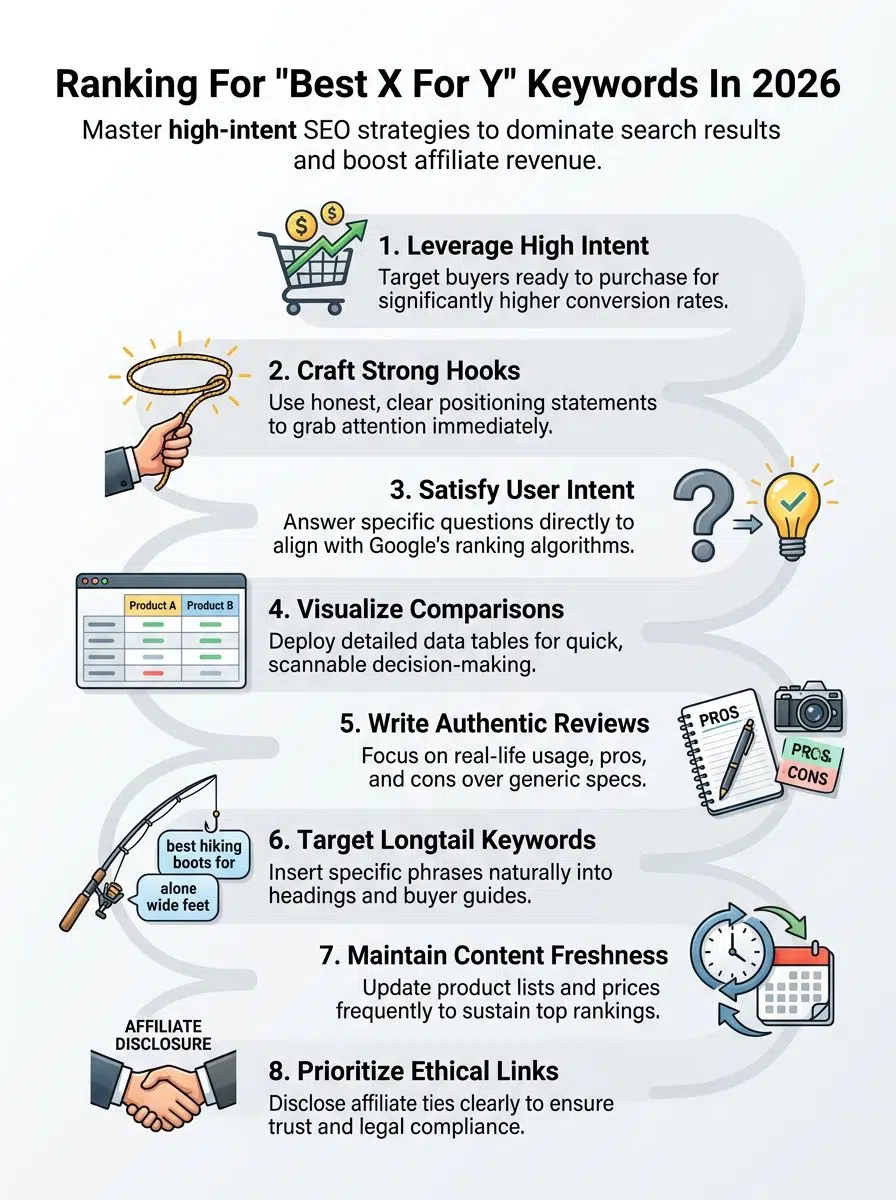
High search intent and traffic potential
Best X for Y keywords signal strong buyer intent. Someone typing “best laptops for college students” is ready to compare and possibly buy. Search engines like Google recognize this intent, rewarding well-crafted review articles with top positions in search rankings.
These keywords drive steady traffic because nearly 72% of shoppers look for comparison guides before making a decision. In fact, pages optimized for this “Commercial Investigation” intent often see conversion rates hovering around 4.8%, much higher than standard informational posts.
Clicks from these searches bring highly interested readers who want answers fast. Using keyword optimization and SEO strategies helps websites grab those visitors at just the right time.
Increased affiliate revenue opportunities
Ranking for “Best X for Y” keywords in 2026 can boost affiliate revenue. Strong buyer intent from searchers looking for product recommendations leads to higher clicks on affiliate links.
For example, someone searching “Top Products for Kids in 2026” likely wants trusted advice and is closer to making a purchase.
High-converting review articles and detailed comparison guides push users down the buying funnel fast. Smart keyword targeting attracts more traffic with less competition than broad terms.
With well-placed links and clear calls to action, every visitor has the chance to become a commission-earning customer. More focused content means better earnings from fewer visitors, as long as your posts stay accurate and fresh.
Crafting the Perfect “Best X for Y” Article
Getting the right angle for your article grabs readers fast, like a catchy song hook. Knowing why people search helps you write words that truly answer what they want to know next.

Clear and engaging positioning statement
A strong positioning statement hooks readers fast. It tells them why this product guide stands above others, and how it answers their questions about “Best X for Y” choices in 2026.
“Top picks, clear reasons,” should be the goal. The statement must promise real help, not a bunch of fluff or endless marketing talk.
Our expert comparison guides cut through hype and highlight which products actually solve your needs today.
Right away, readers want facts they can trust, nothing sugar-coated. Use direct language like “top recommendations,” “trusted reviews,” and “easy comparisons.” This boosts user intent and search engine visibility at the same time. Keep it bold but honest so buyers know what to expect next.
Importance of understanding user intent
A clear and engaging positioning statement grabs attention, but true power comes from knowing what readers truly want. Many visitors search for “Best X for Y” because they need quick solutions or comparisons.
Some people hope to find the best laptop for school in 2026, others want top running shoes for flat feet, or safe dog food brands. Google’s ranking algorithms now reward posts that offer direct answers matching these real needs. The right approach can turn search engine visibility into steady website traffic.
User intent is like a compass pointing your marketing strategy in the right direction. Ignoring buyer intent leads to missed chances and lost sales potential. Review articles must address common product concerns without fluff or sales talk.
Use simple comparison guides so users quickly see why one product beats another based on facts, such as battery life or price changes in recent years. Understanding search patterns helps tailor content optimization efforts while making each post stand out among other listicles competing for those valuable clicks and conversions.
Essential Structure of Top-Ranking Posts
Good posts hook readers right from the start and keep them glued till the end. Clever formats help people find answers fast, so they’re more likely to stick around.
Compelling introductions
First lines matter a lot. A reader decides in seconds whether to keep reading or click away. Grab attention with a bold fact, a real-life example, or even a quick story about choosing the wrong vacuum for pet hair and ending up covered in fur.
Use top keywords like Product Comparison and Buyer Intent right from the start to help with Search Rankings. Keep introductions short but punchy. Address user needs without fancy words or long phrases. Let your audience know they will get helpful advice on Top Products and smart SEO Strategies for 2026 searches. Clear openings lead readers straight into juicy comparison tables next.
Detailed comparison tables
Picking winners is easier with visuals. Here’s a table, built for practical decision-making, to stack up products side by side and spotlight standout features.
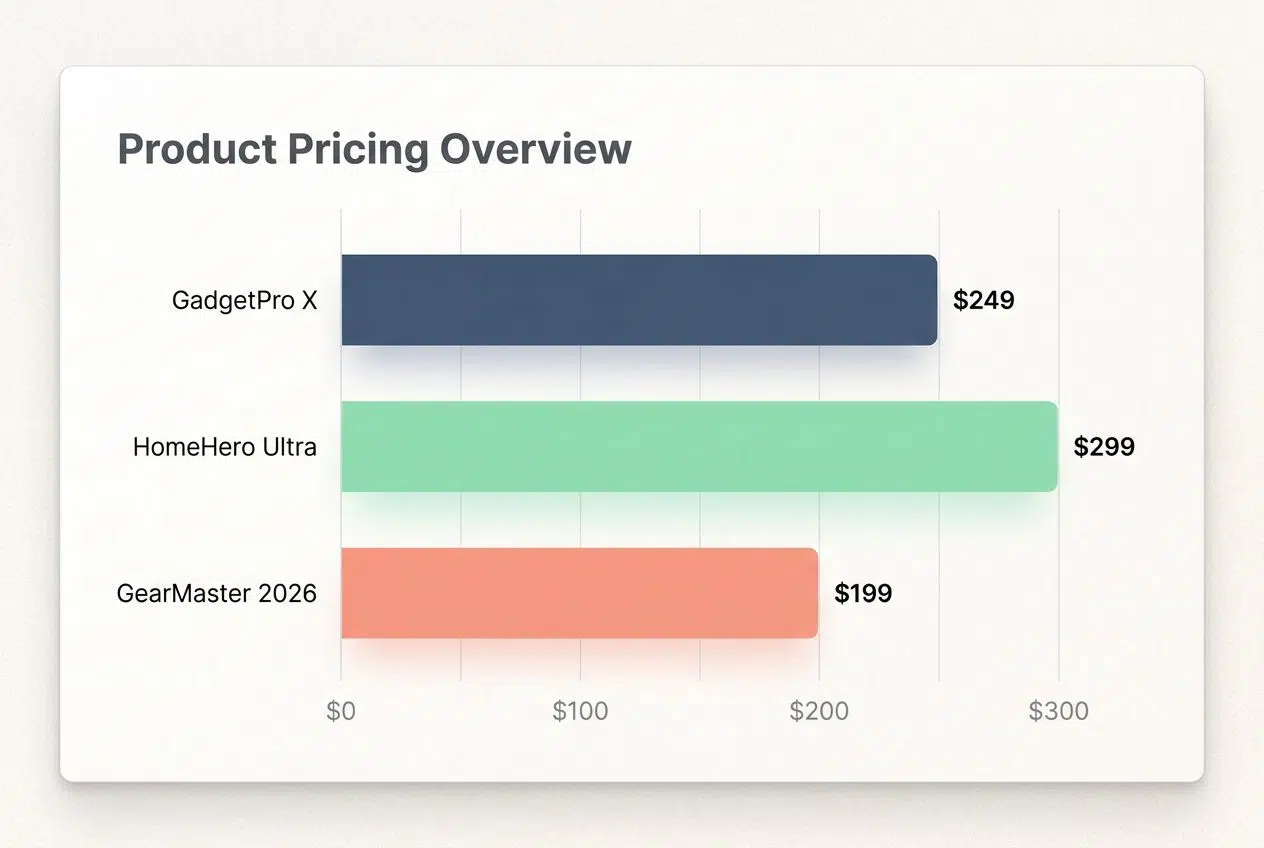
You can build these easily using tools like TablePress or GenerateBlocks, which look great on mobile phones.
| Product | Key Feature | Price (2026) | User Rating (out of 5) | Best For | Affiliate Commission % |
|---|---|---|---|---|---|
| GadgetPro X | AI-assisted setup | $249 | 4.7 | Tech Beginners | 7% |
| HomeHero Ultra | Voice control | $299 | 4.6 | Busy Families | 9% |
| GearMaster 2026 | Battery life: 48hrs | $199 | 4.3 | Outdoor Use | 8% |
| SmartEase Lite | Compact design | $129 | 4.1 | Travelers | 6% |
| EcoTech Choice | Recycled materials | $179 | 4.4 | Eco-Conscious Buyers | 10% |
In-depth individual product reviews
Each product review should go beyond basic features. Write about how the item works in real life. Share hands-on tests or user stories, not just facts from a box. Highlight price points, warranty details, and where to buy it with up-to-date links.
Add clear pros and cons so readers know what they are getting into before clicking an affiliate link. Use comparison guides that show why this pick stands out against others on your listicles of top recommendations. Short bullet points help busy people scan quickly for key info like speed, size, or battery life.
Insert relevant SEO strategies by including search engine visibility keywords inside each review without overdoing it. This helps boost online traffic and keeps your content fresh for higher search rankings in 2026 and beyond.
Optimizing “Best X for Y” Posts for Search Rankings
Effective keyword targeting acts like a magnet, pulling in readers who are ready to buy. Smart linking between pages builds authority and keeps visitors clicking for more.
Using targeted keywords effectively
Targeted keywords help people find your “Best X for Y” listicles through search engines. Focus on longtail keywords like “Top Products for Kids” or “Best Shoes for Running.” Aim to include these phrases in headings, product reviews, and comparison guides.
Sprinkle related terms such as Buyer Intent or Search Engine Rankings into your writing where they fit naturally. Stuffing too many words can turn a post into alphabet soup. Instead, use SEO Best Practices by placing main keyword phrases in the intro, comparison tables, and even within buyer’s guide sections.
Google notices clear language and rewards posts that answer real questions about Top Recommendations or Product Comparison every single year, including 2026. Think of each section as a magnet pulling web traffic with smart Keyword Targeting; small steps lead to big jumps up in rankings.
Leveraging internal and external linking
Internal links help readers jump to sections or related posts, keeping them on your site longer. A well-placed link can boost search engine rankings by spreading authority across key pages about Top Products or Comparison Guides.
Drop in links using natural anchor text like “Buyer’s Guide Content That Converts” instead of plain “click here.” Google values sites with good navigation and connected topics.
External linking sends visitors to trusted sources, such as the official websites of brands mentioned in Review Articles, adding credibility and freshness signals for ranking algorithms.
Outbound links also hint at strong research and show your content is up-to-date with Digital Marketing Trends. Next, a mobile-friendly design makes sure these SEO strategies work smoothly for all users.
Importance of mobile-friendly design
Most people now search for top recommendations and product comparison guides on their phones. Google gave priority to mobile-friendly sites back in 2019, so having a design that works well on phones greatly boosts search engine visibility.
Tiny buttons, hard-to-read text, or slow loading can send users running. Quick-loading pages with easy navigation help keep visitors happy and improve SEO rankings.
A smart mobile layout also means buyers get the info they need fast; comparison tables, reviews, and buyer intent details should fit smaller screens without any hassle. Better user experience keeps them exploring your listicles and review articles longer.
Buyer’s Guide Content That Converts
Give readers clear tips and simple choices, keep their questions answered, and leave them wanting more. Read on to see how you can do it too!
Key comparison criteria
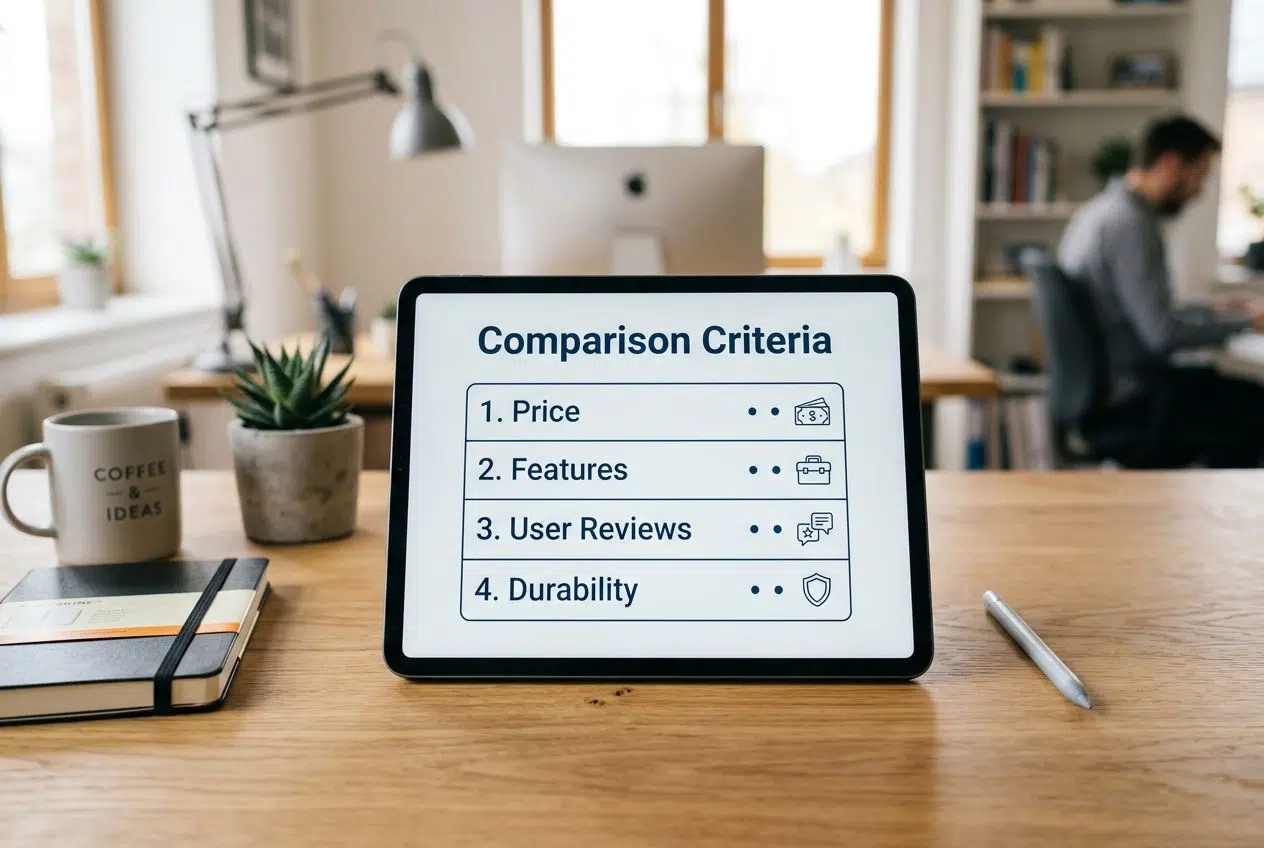
Every good product comparison follows a set of simple rules. Each item on your list helps readers make smart choices.
- Price matters to most buyers, so show clear cost differences.
- Product features tell you what each choice can do, making comparisons easy.
- User reviews highlight real-life use and trustworthiness.
- Performance scores or test results reveal how well items work for daily needs.
- Durability stands out: products that last longer often get picked first.
- Brand reputation plays a big role in buyer confidence and influences final decisions.
- Availability impacts quick buying; if it is hard to find, shoppers move on fast.
- Warranty coverage provides peace of mind and sets top products apart from the rest.
- Safety ratings hold high value for many families shopping online in 2026.
- Ease of use pulls ahead when buyers want something quick, simple, and hassle-free.
Each criterion interacts with buyer intent and supports SEO strategies by matching exact keyword searches like “Top Products,” “Product Comparison,” and “Buyer’s Guide.”
Providing actionable advice
Break down each feature using simple words. Use step-by-step tips, so readers know what to check first, next, and last. Show real-life situations or quick stories about how an option solved a buyer’s problem. Add clear product comparison tables with standout points like price, performance ratings, and user reviews.
Give easy steps to narrow down choices based on needs like budget or must-have features. Share best practices for doing quick side-by-side checks before buying anything online in 2026.
Highlight signals from trusted sources, think awards or well-known review sites, to help people make smart picks without stress.
Keeping Posts Relevant and Updated
Stay on your toes, keep your posts fresh and sharp, then stick around to see what smart moves you can make next.
Monitoring trends and competition
SEO Strategies shift fast. New products, updated features, and changing buyer intent pop up each month. Watch what top sites do with their Buyer’s Guides. See which Comparison Guides climb in search rankings for your keywords like “Best X for Y.” Use tools like Google Trends to watch Keyword Optimization patterns.
Some marketers scan Review Articles from rivals every week. They check if those posts get more user comments or social shares.
Track content freshness by seeing how often others update their Product Comparison lists or Top Recommendations pages. If a competitor launches a big listicle or adds smart internal linking, note it down and examine its effect on traffic via SimilarWeb or Ahrefs data.
These steps help spot gaps in your own Listicle Formats and highlight shifts in consumer guides that drive website traffic now, not last year.
Regularly updating product recommendations
People look for fresh and honest advice, so keep your product lists up to date. Prices change fast, features get better, and new top products hit the market almost every month. If an old phone drops in ranking or a laptop gets a software upgrade that fixes bugs, swap out your picks right away.
This kind of content freshness sends a strong signal to search engines like Google. Top recommendations that stay current boost keyword optimization and improve search rankings over time. Readers stick around longer because they see you give them the latest info, not last year’s news.
Keeping tabs on trending products also helps spot shifts in buyer intent quickly; these insights lead straight into tracking changes in keyword performance trends next.
Tracking Changes in Keyword Performance Trends
After freshening up your product picks, shift focus to keyword performance. Keyword trends can change fast, and search engine algorithms update often. What ranked high last month may slip without warning next week.
Google made over 4,000 improvements to Search in 2023 alone, and the December 2025 Core Update focused heavily on user satisfaction signals. Monitor the rise and fall of keywords like “Top Products,” “Comparison Guides,” or “Best X for Y.” Use tools such as Google Search Console or Ahrefs to track daily shifts.
Spotting changes early helps you keep your Review Articles visible. A sudden spike for a longtail keyword could mean new consumer needs are popping up. Sometimes an old favorite loses steam as competition sharpens their SEO strategies or user intent shifts with new tech launches in 2026.
Keep eyes on click-through rates and impressions; these numbers tell stories about what people want now, not yesterday. Adjust content targeting quickly so your guides stay at the top of search rankings, meeting expectations every step forward.
Ethical Use of Affiliate Links
Good relationships matter, even online, so always play it straight with your links. Readers spot sneaky tricks a mile away, honesty draws them in, and keeps them coming back for more.
Proper disclosure for transparency
Affiliate links should always be clear to your readers. Use simple statements, like “We may earn a commission if you buy from our links,” near product mentions or at the top of your review articles.
This builds user trust and keeps your audience informed. Google’s guidelines require sponsored content disclosure for better search engine visibility and legal protection, as noted in 2024 updates.
Honesty helps people make smart choices while boosting your credibility with each ranking strategy. The Federal Trade Commission (FTC) updated its guidelines in 2025 to require these disclosures be “unavoidable” and “conspicuous,” meaning no hidden text in footers.
Skip fancy talk; keep it short and visible on a mobile-friendly design too. Simple actions help you stay compliant without scaring off website traffic or making things awkward.
Balancing monetization with user trust
Clear disclosure keeps readers on your side. Use simple language for affiliate or sponsored links, so trust does not get lost in the shuffle of effective marketing and SEO strategies. Too many ads or pop-ups can send users running, fast as lightning from a summer storm.
Focus on honest product reviews using real data and genuine buyer intent. Promote only top products that solve user needs in every comparison guide or review article. Invite feedback to show you value their voice over pure monetization goals.
FAQs and Common User Questions
Readers often want quick answers before making choices, so clear responses help people feel more confident. Straight talk on popular questions can turn skimmers into buyers in a flash.
Addressing concerns about features, pricing, and usability
Shoppers often feel lost in long lists of features. Clear comparison tables help people pick the top products for their own needs, showing differences at a glance. Smart review articles explain what each product can do without drowning readers in tech words or endless lists.
Site visitors want answers fast. If a tool’s hard to use, say so.
Prices change like the weather; list current prices and highlight deals if possible. Some tools are pricey but worth it for extra benefits, while others save money but sacrifice options.
Talk openly about these trade-offs to build trust with your audience and boost search engine visibility using strong keywords like “product comparison” and “buyer intent”. Up next comes how to keep content fresh as trends shift quickly in 2026.
Closing Thoughts
You’ve picked up some smart tips on ranking for “Best X for Y” keywords in 2026, from writing catchy intros to keeping your buyer’s guides fresh. Each step we covered keeps things simple, practical, and quick to use.
Results get better when you mix clear comparisons with strong SEO strategies and keep updates steady as a clock. These easy tweaks could bump your website higher in search rankings and win more readers or buyers every week.






















