

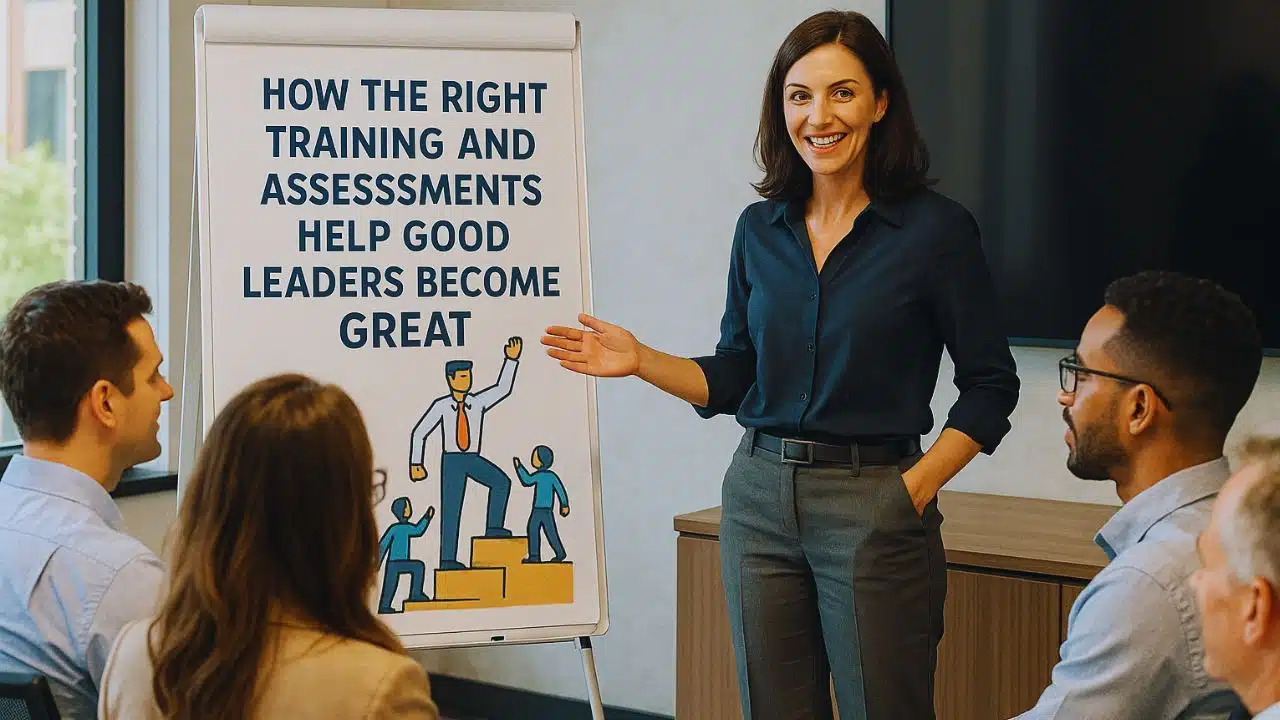
Good leaders aren’t born fully formed. They mature, layer by layer, as they learn what actually makes people want to follow them, trust them, and work with them. Training, assessments, reflection, coaching, and actual real world application change everything. Leadership is not just a philosophical conversation. It’s a lived experience. The right tools help you self-regulate better, communicate better, build teams that actually want to work together, and make decisions that are grounded rather than reactive.
Train Leaders to Understand Their Strengths and Personality First
Strong leadership always begins with self-awareness. The most effective leaders know how they think, how they make decisions, what motivates them, what drains them, and how they naturally connect with people. One way to do this is to take assessments that measure character skills and values so leaders can understand what’s already working instead of guessing. A personality report can help leaders identify which strengths show up consistently so they can use them strategically and confidently in how they lead.
When leaders understand these traits, they stop wasting energy trying to mimic someone else’s style. They can run their team meetings in a way that feels natural. They know what types of conversations help them solve problems faster. They can also assign projects in a way that draws out strengths in the people around them, which builds trust and increases team cohesion.
Use The Right Training Platforms to Hone Practical Leadership Skills
After a leader understands how they operate internally, the next step is developing the day to day skills that make leadership actually effective. This is where immersive programs, ongoing workshops, and learning platforms become helpful. There are platforms designed to help leaders expand business leadership skills through courses, guided frameworks, and community based learning.
You can explore different platforms geared toward leaders who want to learn strategic thinking, organizational communication, influence, and decision making in a real world context. The key is choosing training that targets the specific skills a leader hasn’t developed yet, rather than trying to absorb random best practices. Great leadership comes from repeatable habits. You get better at facilitating conversations by actually doing it.
Teach Leaders How to Hold Conversations That Actually Change Outcomes
Training that focuses on communication is what separates leaders who constantly fight fires from leaders who can move people toward solutions. Most interpersonal conflict in leadership doesn’t come from technical failure. It comes from misinterpretation, emotional reactivity, unclear expectations, and conversations that never fully resolve anything.
Leadership training that develops emotional intelligence, conversational framing, and repair skills can change team culture almost overnight. When leaders learn how to frame feedback in a way that is collaborative instead of adversarial, people stop feeling threatened. When leaders learn how to ask curious questions instead of assuming motive, problems get solved faster. Healthy communication is a skill set that must be trained consistently, and it’s one of the most important differentiators between average and extraordinary leadership.
Help Leaders Develop Pattern Recognition Instead of Relying on Guesswork
The best leaders aren’t just reacting to whatever is happening today. They notice patterns. They can see where something is headed long before it becomes a problem. They can spot which habits shape outcomes in positive or negative ways. Strategic training and assessments help leaders build this type of pattern recognition. Data driven assessments show where performance is trending. Peer reviews highlight recurring blind spots.
Leadership coaching connects dots between behaviors and outcomes. This kind of pattern recognition helps leaders become more proactive and less reactive. Instead of constantly playing defense, leaders can anticipate friction and address it early. They can identify which roles need restructuring, which decisions require slowing down, and which relationships need repair before it becomes urgent.
Create Training Programs That Build Capacity Instead of Only Knowledge
Some leadership training stops at information transfer. But the leaders who actually grow beyond a plateau are the ones who intentionally build capacity. Capacity means developing the emotional, psychological, and mental resilience necessary for high stakes decisions, high conflict situations, long term projects, and intense pressure.
Training that builds capacity teaches leaders how to hold tension without panicking. It teaches them how to regulate when emotion spikes so they don’t sabotage the moment. It teaches them to pause and think clearly instead of reacting impulsively. You can’t build strong leadership on an internal system that collapses every time circumstances shift. Capacity training helps leaders become steady enough to create safety during change.





















