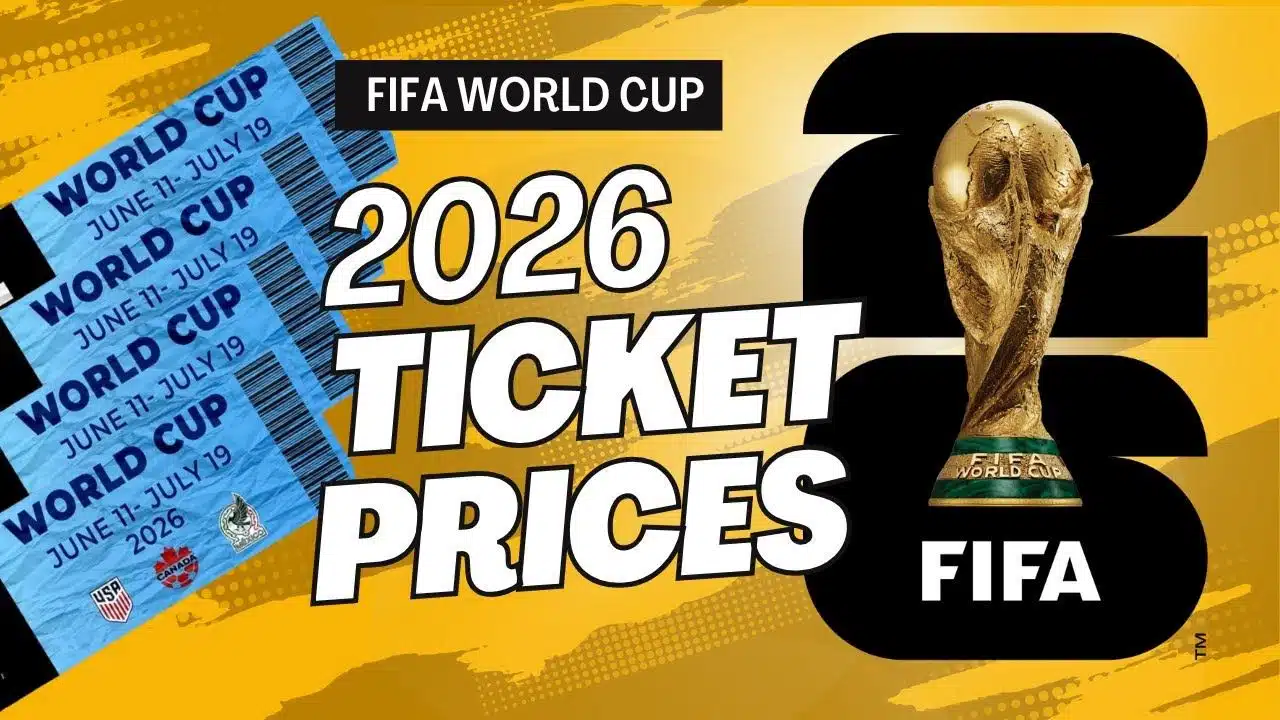
The world governing body of football, is facing a torrent of criticism from global fan organizations over what are being called “astonishing” and “prohibitive” ticket prices for the 2026 World Cup, to be co-hosted by the United States, Canada, and Mexico.
As the first phase of ticket sales commenced, supporters have been left reeling by the costs, particularly for the final, and the introduction of a controversial “variable” pricing model. FIFA has defended its strategy, citing market norms in the host nations and the necessity of reinvesting revenue into the global game.
The controversy centers on a ticketing structure that sees the most expensive general admission seats for the final at MetLife Stadium in New Jersey priced at an eye-watering $6,730, a significant increase from previous tournaments. The cheapest available ticket for the final is slated to be $2,030, a figure that has drawn sharp condemnation from fan advocacy groups. The implementation of a variable pricing system, which allows FIFA to adjust ticket prices based on demand, has further fueled accusations that the organization is prioritizing profit over the accessibility of the sport for ordinary fans.
The Heart of the Backlash: “A Disgrace to the Game”
Fan groups have been unequivocal in their condemnation of the ticket prices. The Football Supporters’ Association (FSA), through the England Fans’ Embassy, has been particularly vocal.
“These prices are astonishing – 2,000 dollars for the cheapest final ticket is unacceptable,” said Thomas Concannon from the England Fans’ Embassy in a statement released on October 3, 2025. “If fans are successful in obtaining a category four ticket from the first game to the last, that could set them back $3,180 at least. That is more than double what Qatar cost. Combined with travel to the Americas and accommodation, this will be the most expensive World Cup for match-going fans we’ve ever seen by some distance.”
The sentiment is echoed by Football Supporters Europe (FSE), which in a joint statement with consumer organization Euroconsumers in July 2025, raised serious concerns about the dynamic pricing model, stating it “risks turning loyal supporters into targets for profit, rather than recognising them as central participants in a shared cultural event.”
Many fans have taken to social media to express their frustration, with some calling the prices a “disgrace” and accusing FIFA of being out of touch with the financial realities of ordinary supporters. The scarcity of the advertised “$60” tickets for group stage matches has also been a point of contention, with many applicants in the initial draw reporting an inability to find these lower-priced options.
FIFA’s Official Stance: A Necessary Economic Model
In response to the growing criticism, FIFA has issued a detailed defense of its ticketing strategy. A spokesperson for the organization emphasized that the pricing model is in line with major sporting and entertainment events in the host countries and is essential for the financial health of global football.
“The pricing model adopted generally reflects the existing and developing market practice in our co-hosts for major entertainment and sporting events on a daily basis, soccer included,” a FIFA spokesperson stated. “We are focused on ensuring fair access to our game for existing but also prospective fans, and are offering group stage tickets starting at 60 US dollars, a very competitive price point for a major global sporting event in the US. It is important to note, as a not-for-profit organisation, the revenue FIFA generates from the World Cup is reinvested to fuel the growth of the game (men, women, youth) throughout FIFA’s 211 member associations globally.”
FIFA has also clarified that its “variable” pricing is not fully automated “dynamic” pricing, as seen with airline tickets, but involves a “human element” in the management of price changes between sales phases. The organization argues this is necessary to counter the legally open secondary resale market in the United States and to ensure that as much revenue as possible is channeled back into football development.
A Tale of Two Tournaments: The Price Hike from Qatar 2022 to North America 2026

The sense of outrage among fans is amplified when comparing the cost of attending the 2026 tournament with its predecessor in Qatar. The increase is stark across all categories, especially for the final match.
Ticket Price Comparison: 2022 vs. 2026 World Cup Final (in USD)
| Ticket Category | Qatar 2022 (approx. USD) | North America 2026 (USD) | Percentage Increase |
| Category 1 | $1,607 | $6,730 | 318.8% |
| Category 2 | $1,002 | $4,210 | 320.1% |
| Category 3 | $605 | $2,790 | 361.1% |
| Category 4 | $205 | $2,030 | 890.2% |
The data clearly illustrates a dramatic escalation in cost, with the cheapest seats for the final (Category 4) seeing a nearly nine-fold increase.
The Economic Justification: A Boon for Host Cities
While fans grapple with the personal cost, host cities are anticipating a significant economic windfall. A report conducted by Deloitte Canada for the City of Toronto estimates that hosting six matches will contribute $1.3 billion in positive economic output for the province of Ontario and create or preserve over 8,700 jobs between June 2023 and August 2026.
Similarly, a broader study by The Boston Consulting Group projected that individual host cities across the three nations could see between $160 million and $620 million in incremental economic activity. In Mexico City, preparations include significant infrastructure investments, such as a $475 million renovation plan for the city’s international airport, to handle the influx of visitors.
This projected economic boom provides a key part of the rationale for the host nations’ investment and, from FIFA’s perspective, underlines the commercial value and appeal of the tournament.
What to Watch Next
The current phase of ticket sales is just the beginning. Further sales phases, including a random selection draw after the final tournament draw in December, will offer more opportunities for fans to purchase tickets. However, the controversy over pricing is unlikely to dissipate.
Fan organizations have called on national football associations, such as the English FA, to lobby FIFA for a fairer and more transparent pricing structure. The success of FIFA’s official resale platform, which is intended to curb scalping, will also be closely monitored. Ultimately, the empty seats—or lack thereof—in stadiums across North America in the summer of 2026 will be the final verdict on whether FIFA’s pricing strategy has struck the right balance between revenue generation and fan accessibility.