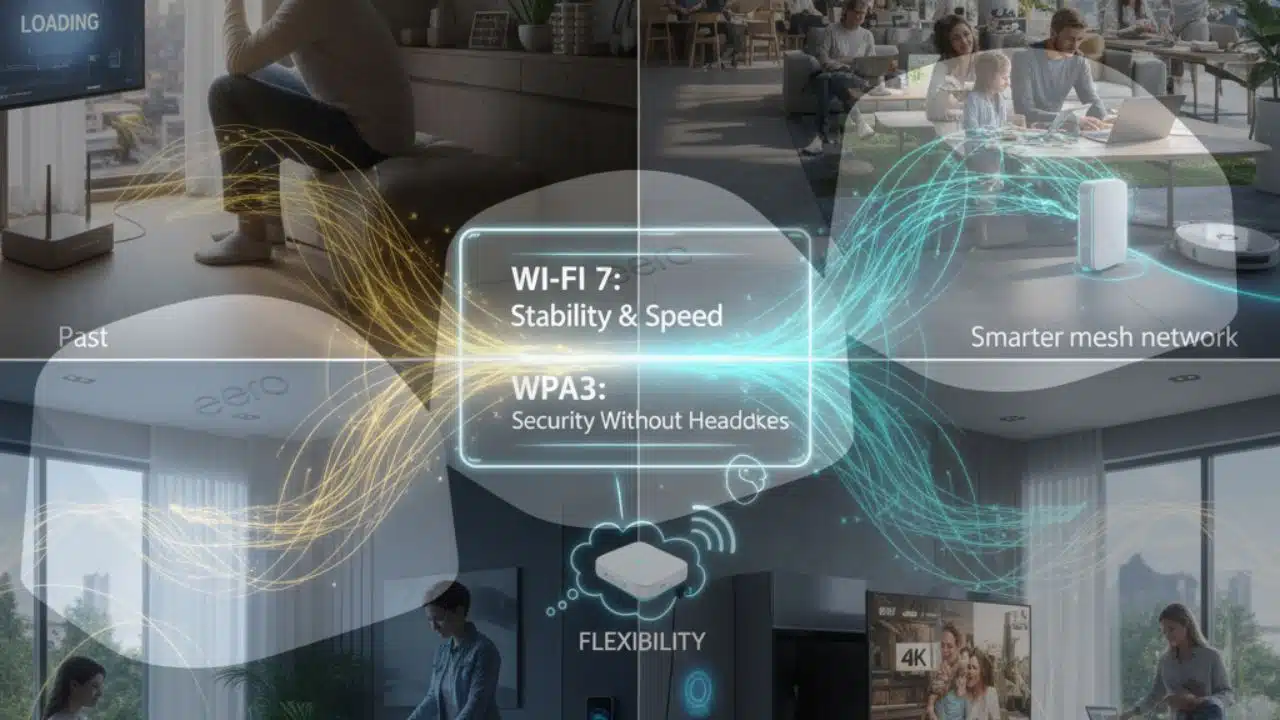
Wireless networking used to be something people tolerated, like a utility you noticed only when it broke. Lately it has started to feel different. The changes aren’t coming from a single gadget or flashy update but from a steady series of improvements that are reshaping how people connect at home, at work, and everywhere in between. The story of Wi-Fi right now is less about minor tweaks and more about a clear shift toward networks that actually keep up with the ways people live.
The Rise of Smarter Mesh Networks
The once-annoying dead spot in the upstairs bedroom or back corner of the office is finally losing its grip on daily life. The biggest reason is the new generation of mesh systems that do more than just hand off a signal from one access point to another. Built around wifi 6 mesh, these setups carry higher speeds across multiple rooms without the slowdowns people used to accept as inevitable. It’s not just that the numbers on a speed test look better, it’s that your video call doesn’t freeze when you walk to the kitchen or when three people stream at once.
The real surprise is how accessible this technology has become. A few years ago, a mesh network felt like something only early adopters or tech hobbyists would bother with. Now it’s packaged for ordinary households that simply want the Wi-Fi to work no matter which couch they land on. That convenience has made it less about bragging rights and more about baseline expectation, which is usually the moment when a technology quietly wins.
Wi-Fi 7 And The Push For Stability
The industry is already talking up Wi-Fi 7, which promises to deliver even lower latency and support for ultra-high-definition streaming across more devices at once. What matters most isn’t the extra bandwidth for the handful of people who own cutting-edge laptops, it’s the idea that your network will simply behave more predictably. That shift toward reliability is quietly huge. Stability used to be the part of the marketing pitch nobody believed, but the focus on reducing interference and handling crowded environments is making it real.
As Wi-Fi 7 hardware rolls out, the difference won’t hit like flipping a switch. It will show up in small ways—less buffering when the neighbors all fire up their devices at once, smoother performance during crowded events, fewer excuses for why a connected doorbell can’t stay online. Those may sound like small wins, but they add up to networks that feel invisible, which is exactly what most people want.
Security Without The Headaches
One of the quieter stories in Wi-Fi trends is the steady march toward stronger encryption and easier ways to keep strangers out of your network. WPA3, the current standard, makes brute-force password guessing far harder, and manufacturers are building more automatic protections into routers without forcing users to become security experts. It’s a rare case where consumers don’t need to memorize a string of technical acronyms to benefit.
That said, the rise of connected everything—light bulbs, thermostats, even kitchen appliances—means security will never be a solved problem. The good news is that the industry seems to understand that expecting every consumer to manage their own digital perimeter is unrealistic. Smarter defaults and better built-in defenses are finally starting to close that gap.
Flexibility Is The New Selling Point
For years, internet service providers loved to lock customers into long commitments. That model looks increasingly out of place. More companies are advertising plans where you can avoid contracts, and the same shift is happening with Wi-Fi gear itself. Leasing hardware from an ISP used to be the norm, but people are more willing to buy their own routers and mesh kits because the setup has become less intimidating. Once you realize you can move your system from one apartment to another or expand it piece by piece, the logic of locking yourself into equipment you don’t control starts to look flimsy.
This move toward flexibility lines up with how people actually live. Jobs change, families relocate, roommates come and go. Wi-Fi that can adapt without punishing fees or forced upgrades is more in tune with reality. It’s less about squeezing customers and more about building loyalty through usefulness, which tends to work out better for both sides.
Public Wi-Fi And The Blurred Line Between Work And Life
Another notable shift is how public Wi-Fi is being reshaped by hybrid work. Coffee shops and co-working spaces are expected to handle heavier loads than ever, and airports or hotels can’t get away with the old trick of offering a token signal that collapses under pressure. Reliable connections in shared spaces are turning into an expectation, and businesses that fall short feel it immediately.
There’s also a subtle cultural change here. People are less tolerant of the idea that stepping outside the home or office means accepting lousy connectivity. The line between personal use and professional demand has blurred to the point where a dropped signal at a café isn’t just an annoyance—it can mean a missed deadline or an awkward video call moment. That kind of pressure is forcing public Wi-Fi to grow, and while it’s uneven, the trend line is positive.
Looking Ahead
Wi-Fi has always evolved, but the changes happening now feel less like optional upgrades and more like the groundwork for a baseline people will expect everywhere. Networks that stretch to every corner, adapt to crowded environments, defend themselves without fuss, and move with you instead of locking you down—that’s the shape of the wireless future. The technology is still technical, but the way it shows up in daily life is more human than ever.