


Unique flower arrangements express the language of beauty and emotions perfectly. Such compositions can transform any space into something truly special. Creating beautiful bouquets works wonderfully for both weddings and everyday occasions. A creative approach combined with cultural traditions reflects true artistry. Flowers can become part of something meaningful, even in the simplest of arrangements. Following basic principles helps achieve balance and stunning visual appeal.
Exquisite flower arrangements can be created in different styles and color schemes. From minimalist designs in soft tones to bold classical arrangements, endless possibilities exist. Flowers are the perfect way to express emotions and feelings without words. For nature enthusiasts, a floral bouquet provides a special touch of joy. Beautiful flowers can brighten any setting during memorable events. Flowers enhance offices, dining tables, and cozy home corners beautifully. Choosing appropriate flowers directly impacts both emotional and visual appeal. Even beginners can create stunning arrangements with modern design principles.
Types of Floral Arrangements – Styles for Every Occasion
There are different types of floral arrangements, each with a unique appearance and meaning. Each style carries distinctive significance and special symbolism throughout its design. Creating remarkable bouquets effectively showcases your creative potential. Understanding various types is essential for choosing appropriate designs for any occasion. Each flower variety plays a role in enhancing the event’s overall atmosphere. Experienced florists can create structured, contemporary compositions perfectly. This approach is most effective in corporate and formal settings. Evaluating floral ideas depends on the space’s purpose and desired emotional impact. Here are the key characteristics of different arrangement types:
- Bouquet Arrangement. A bouquet arrangement combines classic elements, such as roses, with simple flowers, either hand-tied or wrapped in special packaging. These compositions are perfect choices for presentations and gifts.
- Centerpiece Arrangement. Centerpiece arrangements are versatile for both dining and celebration tables. Typically, pastel or white flowers are used to convey a natural, understated beauty. Such arrangements don’t interfere with conversation or draw excessive attention.
- Ikebana. Types of floral arrangements include ikebana, which incorporates traditional Japanese artistic principles. This style perfectly reflects minimalist floral design philosophy. The use of symbolism and spatial depth demonstrates the composition’s profound meaning.
- Cascading Arrangement. In these arrangements, flowers are positioned to create flowing movement for special occasions. Cascading designs are particularly popular for events like weddings or theatrical performances.
- Vertical Arrangement. Vertical arrangements feature tall, elegant long flowers that create a dramatic impact. Roses are frequently used for their striking effect and romantic symbolism. These arrangements work best in rooms needing a sophisticated atmosphere.
- Garlands. Floral ideas often feature wreaths or garlands that incorporate circular or flowing shapes. These are commonly used for festive decorations during holiday celebrations.
- Modern Design. Contemporary design combines geometric patterns with abstract compositional elements. Typically, florists use minimalist approaches while respecting traditional design principles.
Flowers for Arrangements – Choosing the Right Blooms
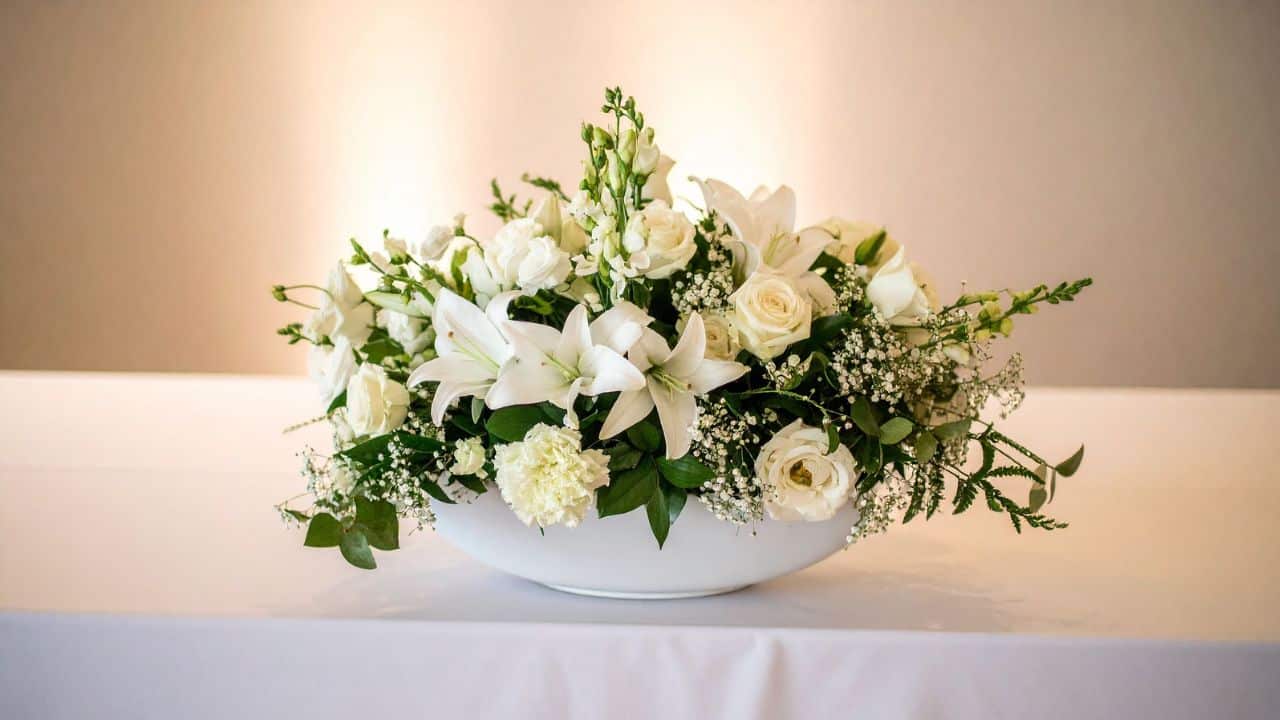
Selecting the right flowers can directly influence the mood and overall atmosphere. Beautiful arrangements can carry special meaning through powerful symbolic elements. Flowers come in various colors and varieties, creating distinct atmospheric qualities. Thoughtful flower selection creates unique moods and emotional connections. Here are valuable considerations and examples of exceptional flower choices:
- Seasonality. Flowers for arrangements shine with vibrant colors through the selection of seasonal flowers. In spring, excellent options include tulips, daffodils, and charming peonies. Summer arrangements reflect warmth and playful energy beautifully. Sunflowers and roses work perfectly during this time of year. Choose poinsettias in winter, and chrysanthemums in autumn for subtle charm.
- Symbolism. Flower symbolism lends powerful meaning when it enhances the aesthetic appeal of an arrangement. Roses symbolize passionate love and deep romantic feelings. Lilies represent purity, while orchids embody luxury and elegance in bouquets. Carnations and sunflowers are chosen to express strong friendship and joy.
- Longevity. Flowers are typically selected for arrangements based on their lasting blooming period. This quality makes compositions durable and meaningful, providing enjoyment for many days to come.
- Color Palette. Flowers in attractive color arrangements offer excellent visual appeal. For bold, dramatic compositions, florists choose red, orange, and deep burgundy. Cool shades like blue and purple create mystical, serene atmospheres. Neutral colors such as white and pastels reflect elegance and peaceful tranquility.
- Texture Variety. For depth and sophistication, gentle and natural combinations work beautifully. Soft petals combined with textured elements, such as eucalyptus or evergreen branches, create unique visual interest. This combination adds dimensional depth and intrigue to any special event.
- Fragrance. Flower arrangements offer unique and delightful fragrances throughout their display. For sensory appeal, consider pairing jasmine and lavender with classic roses. These flowers provide perfect combinations with delicate aromas that enhance any experience.
Basic Floral Arrangement – Step-by-Step Guide
Creating beautiful bouquets requires a thoughtful and creative approach. Beginners can choose simple compositions as foundations for remarkable creations. A basic strategy helps create balanced and visually appealing arrangements. Using simple techniques is best for a basic floral arrangement. Here’s the essential process for creating exquisite bouquets:
- Tool Selection. Choosing basic tools, such as vases, containers, or decorative boxes, is fundamental. Beginners should evaluate the desired appearance of their future arrangement to create something unique. The foundation can be made from floral foam or eco-friendly materials, depending on the preferred style.
- Flower Preparation. It plays a vital role in creating beautiful, lasting arrangements. It’s helpful to cut stems at proper angles and remove wilted or excess leaves. Then, place the flowers in clean water with the appropriate flower preservative.
- Structure Building. Creating basic floral arrangements requires particular structure and unique foundational elements. Eucalyptus and other greenery can provide a beautiful framework and shape. Primary flowers will draw attention and establish the event’s overall tone.
- Variety Addition. Using roses, peonies, or tulips creates playful visual variety and interest. For beginners, filler flowers help emphasize texture and fullness. Small daisies and lavender add subtle mystery and charm.
The final composition should appear harmonious and reflect the intended mood of the event. Special ribbons and decorative accents add distinctive finishing touches. Beginners can adjust the height and positioning to achieve their desired final result.
Unique Flower Arrangement Ideas – Beyond the Basics
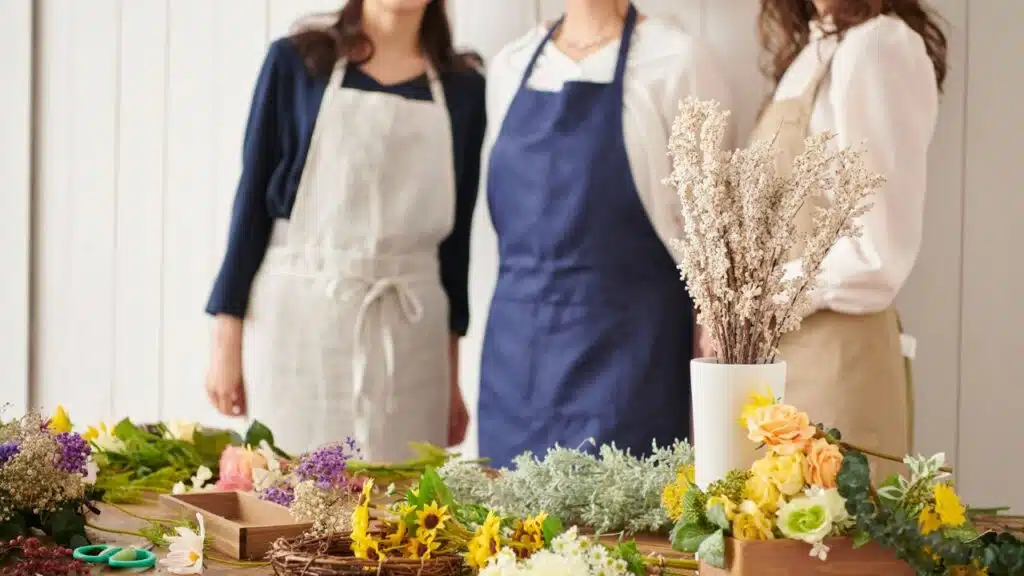
Unique flower arrangement ideas extend far beyond standard bouquet concepts. Exploring innovative ideas and techniques allows full expression of creative potential. Traditional bouquets maintain exceptional and timeless aesthetic appeal. However, fresh approaches to creating outstanding compositions establish new design standards. Florists go beyond conventional arrangements to create truly innovative designs. Here’s what creative approaches typically include:
- Monochromatic Concepts include single-color compositions featuring various tonal variations. These arrangements showcase a range of colors, representing modern elegance and sophisticated refinement.
- Natural Wildflower Designs, inspired by meadow flowers, create special, organic effects. Unique flower arrangement ideas in this style incorporate herbs, field flowers, lavender, and dried botanical elements.
- Edible Accents – Florists incorporate edible elements, such as fresh fruits or aromatic mint. Designers can incorporate berries and citrus fruits to add freshness and a distinctive character. These compositions are excellent choices for birthdays or special celebrations with loved ones.
- Dried Flower Elements create long-lasting wonder without requiring special maintenance care. They create compositions that are unique while maintaining their beauty over time. Florists can design exquisite floating arrangements using flowers with petals placed in water containers.
- Thematic Designs include creating compositions that perfectly match specific event themes. Beautiful bouquets can carry symbolic messages while reflecting the florist’s creative imagination. Today, environmental consciousness drives the use of sustainable, high-quality materials. Biodegradable materials and recycled containers are continuing to gain popularity among eco-conscious designers.
Floral Accents – Elements That Complete the Design
Creating beautiful bouquets requires a genuinely creative and thoughtful approach. Both florists and enthusiasts can incorporate interesting floral accent elements effectively. These accents add charm to the overall design, enhancing its integrity and visual perfection. Such elements enhance both large arrangements and minimalist compositions beautifully. Flower pieces comprise various decorative elements that seamlessly integrate into any interior space. Small compositions work ideally for weddings and formal corporate events.
To create warm and inviting atmospheres, opt for wide vases filled with vibrant, colorful flowers. Floral garlands or floating blooms are perfect for elegant banquet table settings. Flower pieces can feature different color schemes, especially for lively celebratory events. Bold combinations of various colors and exotic flowers work best for photography sessions. Light or pastel flowers are chosen for decorating altars and ceremonial spaces. Creating unique arrangements adds special notes of mystery and intrigue. Developing distinctive bouquets requires imagination combined with practical experience and skill.





















