


Picture this: It’s game day in Denver, and while thousands pack into Coors Field to watch the Rockies, millions more across Colorado are pulling out their phones to place bets on everything from the next home run to the final score. This isn’t some underground operation, but t’s completely legal, regulated, and generating serious money for the state.
Colorado didn’t just stumble into sports betting success. The state crafted a blueprint that other states are scrambling to copy, combining cutting-edge technology with rock-solid consumer protections. The result? A thriving industry that’s creating jobs, filling state coffers, and giving sports fans a whole new way to engage with their favorite games.
From Risky Business to Regulated Revenue Generator
Remember when sports betting meant shady bookies and back-alley deals? Those days are long gone in Colorado. The state’s transformation into a sports betting leader happened fast, but it didn’t happen by accident.
The key was getting the regulatory framework right from day one. Colorado learned from other states’ mistakes and built something better. They created rules that protect consumers without strangling innovation—a delicate balance that many states still struggle with.
Today’s Colorado sports betting market runs on smartphones and apps, not handshake deals. Bettors can place wagers from their couch, at the stadium, or anywhere else with a cell signal. The technology behind these platforms rivals what you’d find at major banks, with layers of security protecting every transaction.
The Mobile Revolution Changes Everything
Walk into any Colorado sports bar during football season, and you’ll see the new reality. Fans aren’t just watching games, but they’re actively participating through their phones. The mobile-first approach has completely transformed how people think about sports betting.
This digital shift created opportunities nobody saw coming. Suddenly, the elderly couple who never set foot in a casino can bet on their grandson’s college basketball team. The busy professional can place a quick wager during lunch break. Sports betting became accessible to everyone, not just hardcore gamblers.
The numbers tell the story: Tax revenue from sports betting jumped 3.55% year-over-year according to the FY2023 Audited Financial Statements. That’s real money flowing into state programs, infrastructure, and services that benefit every Colorado resident.
Educational resources like Coloradobettinghub.com became essential guides for newcomers trying to understand odds, strategies, and responsible betting practices. These platforms bridge the gap between complex regulations and everyday users who just want to have fun with their favorite teams.
Building Trust Through Transparency
Colorado’s sports betting success isn’t just about making money, but it’s about building trust. The state created a regulatory system that actually works for consumers, not just operators.
Every sportsbook operating in Colorado must meet strict standards. They need proper licensing (like Vendor Minor License #96477681), Colorado Division of Gaming approval, and operation by licensed entities such as On The Dot Media Ltd. This isn’t bureaucratic red tape, it’s consumer protection that actually protects consumers.
The Colorado Sports Betting Rules and Regulations spell out exactly what operators can and can’t do. No hidden fees, no rigged games, no vanishing act when it’s time to pay out winnings. Everything operates in the open, with state oversight ensuring fair play.
This transparency extends to the money side too. Unlike some industries where financial performance stays hidden, Colorado’s sports betting revenues are public record. Audited financial statements show exactly how much money flows through the system and where it goes. This openness builds confidence among both bettors and taxpayers.
Technology That Actually Enhances the Experience
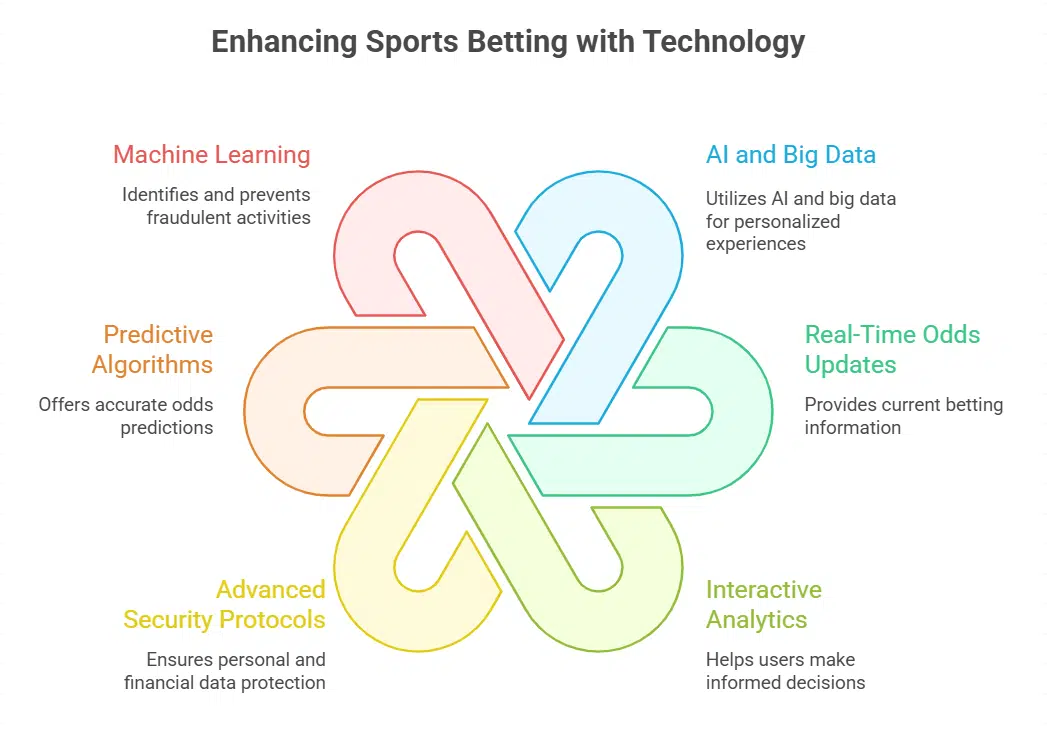
Colorado’s sports betting platforms aren’t just digital versions of old-school betting. They’re sophisticated tools that use artificial intelligence and big data to create personalized experiences.
Real-time odds updates mean bettors get the most current information possible. Interactive analytics help people make smarter decisions. Advanced security protocols protect personal and financial information better than most banks.
The technology evolution mirrors trends across digital industries. Just as lifestyle blogs to follow in 2024 show how lifestyle bloggers adapt to changing consumer preferences, sports betting platforms constantly evolve to meet user expectations.
Predictive algorithms analyze massive amounts of data to offer more accurate odds. Machine learning identifies suspicious betting patterns that might indicate fraud or manipulation. These aren’t just cool features, but essential tools that keep the system fair and secure.
What Industry Experts Are Saying
The director of the Colorado Division of Gaming, Dan Hartman says that Colorado is a massive betting catalog, which means that people can bet on anything under the sun. He said further that this robust catalog, which allows bettors to put money on in-state college sports has made for good business.
That’s expert-speak for “Colorado figured out how to do this right.” The state balanced innovation with oversight, creating a system that benefits everyone involved.
Industry insiders point to Colorado as the gold standard for sports betting regulation. Other states send delegations to study Colorado’s approach. The model works because it treats sports betting as legitimate entertainment, not a necessary evil to be barely tolerated.
The Ripple Effects Beyond Betting
Colorado’s sports betting success created unexpected benefits throughout the economy. New jobs emerged in technology, customer service, and regulatory compliance. Local businesses near major venues saw increased foot traffic from fans placing bets before games.
Tax revenue from sports betting helps fund education, infrastructure, and other public services. Every successful bet placed on a Broncos game contributes to Colorado’s broader economic health.
The industry also pushed innovation in related fields. Payment processing companies developed faster, more secure systems. Data analytics firms created new tools for understanding consumer behavior. Marketing agencies learned to navigate the complex world of gambling advertising regulations.
Looking Ahead: What’s Next for Colorado Sports Betting
Colorado’s sports betting market shows no signs of slowing down. New technologies like virtual reality and augmented reality could create even more immersive betting experiences. Cryptocurrency integration might streamline payments and attract tech-savvy bettors.
The state continues refining its regulatory approach, always looking for ways to improve consumer protection without stifling innovation. Future updates might include enhanced cybersecurity requirements, more comprehensive consumer education programs, and tighter integration with responsible gambling resources.
Other states are watching Colorado’s continued evolution. As the industry matures, Colorado’s early investments in proper regulation and consumer protection position it to remain a leader in whatever comes next.
The Bottom Line: Colorado Got It Right
Colorado’s journey from sports betting prohibition to industry leadership offers valuable lessons for other states and industries. The key wasn’t just legalizing sports betting, but creating a framework that prioritizes consumer protection, embraces technological innovation, and maintains transparency at every level.
The result is a thriving industry that generates significant economic benefits while keeping consumers safe. Sports fans can enjoy betting on their favorite teams without worrying about fraud, unfair practices, or regulatory uncertainty.
Colorado proved that with the right approach, sports betting can be both profitable and responsible. As more states follow Colorado’s lead, the Centennial State’s influence on the national sports betting landscape will only grow.





















