

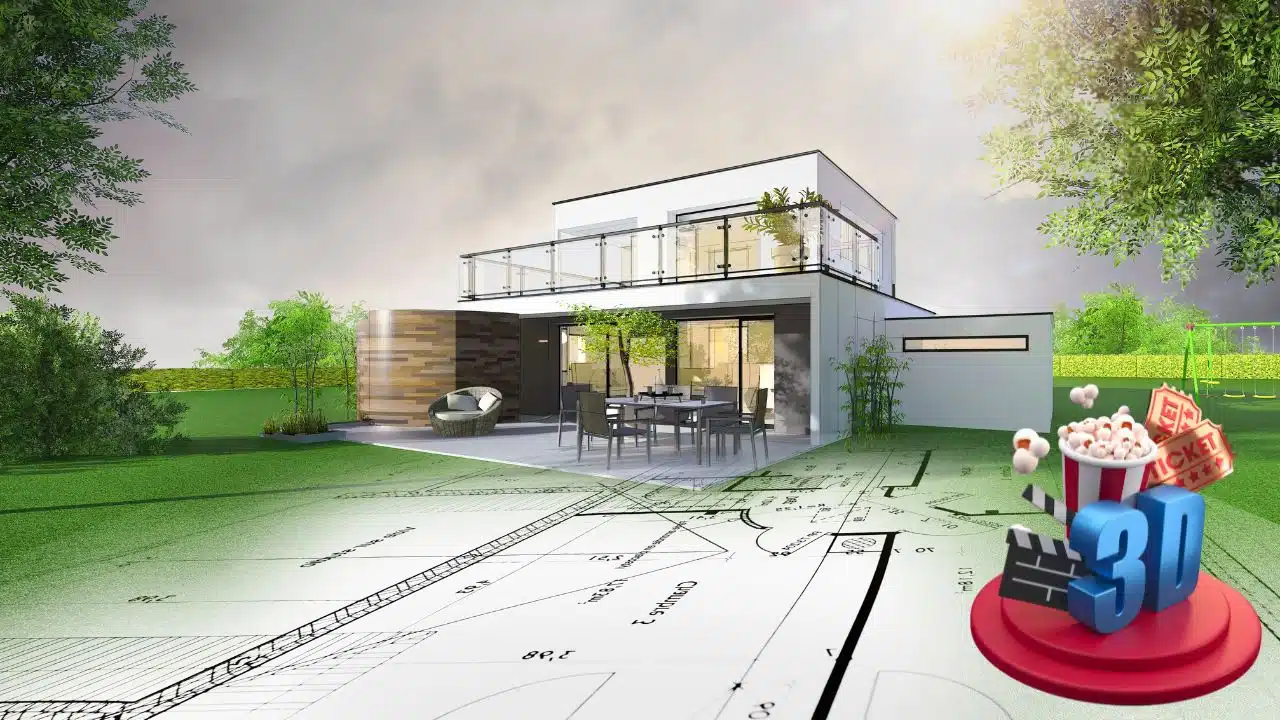
Animation has made a major impact in almost every industry, ranging from entertainment to education and more. Thanks to technological advancements, one of the main decisions that arise in this regard is choosing between 3D animation and 2D animation. Exploring multiple teams with unique styles can help organizations or individuals choose the one that serves their animation needs accurately.
Fundamentals of 3D Animation
When you hire a 3D animation video company, the characters and environment look a lot more realistic. Using depth, perspective, and texture, this style provides audiences with a stimulating and immersive experience. This makes it great for any project that requires realistic motion, because it maintains a high level of realism.
Key Benefits of 3D Animation
One of the biggest advantages of 3D animation is that it promotes versatile features. For one, it provides a sense of realism that 2D animation simply cannot replicate. This style creates characters that feel much more alive and dynamic. It also provides the ability to incorporate dynamic lighting and shading to improve visual depth. This style ensures that even scenes with a lot going on are accessible and easy on the eyes. 3D animation is used for projects that need high precision and accuracy to capture the minutest details and movements of objects. Cognitive and creative skills in communication, along with architectural visualizations and product demonstrations, help demonstrate detailed features.
What It Is: 2D Animation
2D animation has a two-dimensional artistic approach. Usually tied to old-school animation, this technique is based on the repetition of images to create a sense of movement. Wide open spaces with simple and quaint characters are its most common markers, staying timeless and relevant to audiences.
Pros of 2D Animation
2D animation tends to be much simpler. It enables simple storytelling without time and effort-intensive sculpting or rendering. It is an affordable style, making it a preferred option for low-budget projects. Additionally, 2D animation also has a unique artistic feel. This style rewards creativity, allowing for individually stylized visuals. This method tends to be most suitable for projects that have a more quirky or retro vibe.
When You Should Choose 3D Animation
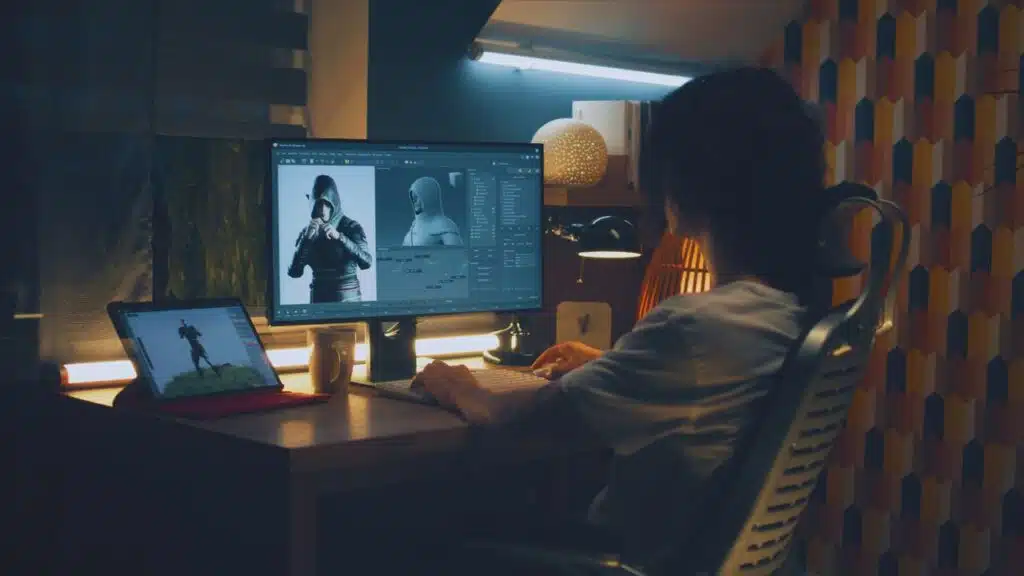
Knowing when to use 2D or 3D animation usually depends on the project requirements. For medical visualizations or intricate simulations that require strong realism, 3D animation can provide the needed depth and detail that 2D lacks. It allows for the expression of more complex, nuanced processes or environments. Moreover, the gaming and film industries often opt for 3D animation due to its ability to create realistic worlds. This style simulates real-world physics and movements to create a more immersive experience for the viewer and is also a popular choice for larger, intricate storylines.
When to Use 2D Animation
On the flip side, if projects require simplicity and style over realism, 2D animation tends to be better suited. It’s perfect for projects that need to be delivered fast or are on a budget. Thanks to its simplicity, the videos can be produced faster without sacrificing the quality of storytelling. 2D animation works best for education-related content. The simplicity of the style allows for more nuanced ideas to be communicated expressively. It’s a top choice for e-learning because it produces interesting visuals that aid learning.
Cost Considerations
Although budget should not be the deciding factor when selecting between 3D and 2D animation, it often ends up being one of the biggest factors. 3D is more realistic, but realism generally takes more time and money to achieve. Modeling, lighting, and rendering are other complex aspects that can increase costs. This makes 2D animation more affordable. The design is uncomplicated and incurs lower manufacturing time and costs. 2D animation serves as a practical, low-cost alternative for projects with limited budgets or short deadlines.
Technology and Tools
The style of animation to be used also depends on the technology and tools available. 3D animation requires advanced software and hardware, which is why a professional team is needed to make it look great. This limited accessibility is typically due to the technical requirements, which can be challenging for smaller teams or projects with limited resources. In contrast, two-dimensional animation requires less intensive technology, effort, resources, and hardware. More accessible tools allow smaller teams to provide high-quality production with minimum resource use. Such accessibility widens the horizon for artistic expression and exploration.
Takeaways
Art styles play a vital role in helping us understand what 3D animation is in comparison to 2D animation. If a project demands realism, depth, and complexity, then 3D animation is a natural fit. On the other hand, 2D animation is best suited for priorities like simplicity, cost-effectiveness, or artistry. In the end, it boils down to the type of animation style you opt for, while considering your project goals, budget, time, and resources. By matching these components to the strengths of their associated style, businesses and individuals alike can make strategic decisions that guide them towards the effective use of their animations and the ability to capture vast and varied audiences.





















