Soil Health Management in Australia plays a critical role in sustainable agriculture, ensuring food security, environmental protection, and long-term productivity. In Australia, managing soil health is particularly vital due to unique challenges such as low fertility, salinity, and climate extremes.
Farmers and land managers must adopt tailored strategies to meet these challenges and maintain the vitality of their land.
This article outlines 10 best practices for Soil Health Management in Australia, offering detailed insights, practical examples, and actionable steps for effective implementation.
Understanding Soil Health in Australia
What Is Soil Health?
Soil Health Management in Australia refers to the soil’s ability to sustain agricultural productivity and ecosystem balance. It involves physical, chemical, and biological components that interact to support plant growth, water infiltration, and nutrient cycling.
Key characteristics of healthy soil include:
- Rich Organic Matter: Enhances fertility and water retention.
- Balanced pH Levels: Ensures nutrient availability.
- Biological Activity: Promotes soil biodiversity and resilience.
10 Best Practices for Soil Health Management in Australia
1. Conduct Regular Soil Testing
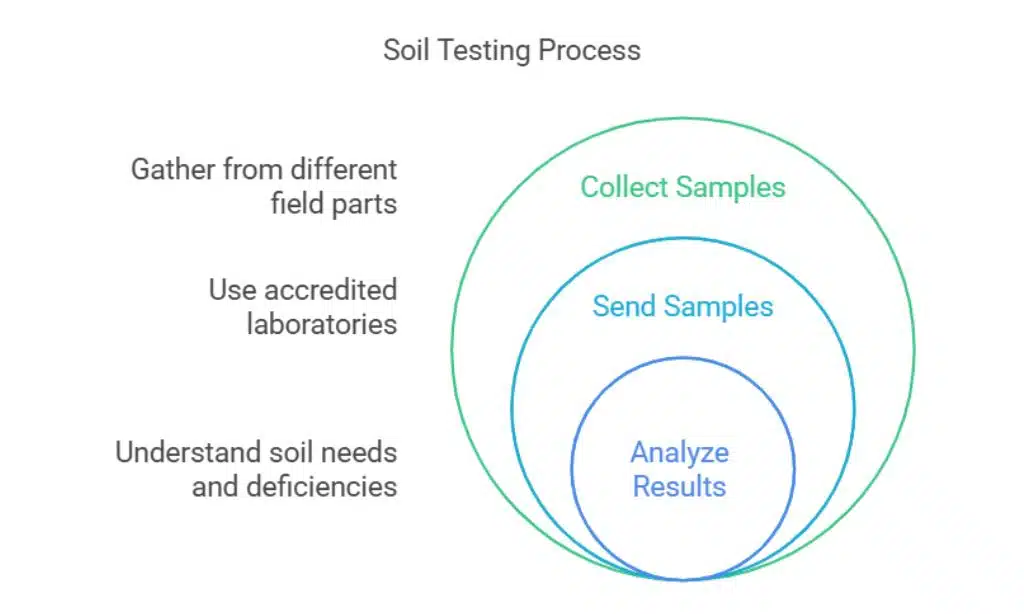
Soil testing is the first step in effective Soil Health Management in Australia. It provides crucial data about nutrient levels, pH, and organic matter, allowing farmers to make informed decisions.
How to Conduct Soil Testing
- Collect samples from different parts of the field.
- Send samples to an accredited soil testing laboratory.
- Analyze results to understand soil needs and deficiencies.
| Parameter | Optimal Range | Significance |
| pH Level | 5.5–7.0 | Ensures nutrient availability. |
| Organic Matter (%) | 3–6% | Improves soil structure. |
| Phosphorus (mg/kg) | 10–50 | Supports root development. |
Practical Example
A Western Australian farmer identified phosphorus deficiency through soil testing and applied targeted fertilizers, leading to a 25% increase in crop yields.
Pro Tip: Conduct soil tests annually to monitor changes and optimize soil health interventions.
2. Incorporate Organic Matter
Adding organic matter is one of the simplest and most effective ways to improve soil health. It enriches the soil, supports microbial life, and enhances water retention, making it indispensable for Soil Health Management in Australia.
Sources of Organic Matter
- Compost: Recycles agricultural or food waste.
- Animal Manure: Adds nitrogen and phosphorus.
- Crop Residues: Retain stubble or use green manure crops.
- Mulches: Suppress weeds and conserve moisture.
| Organic Source | Nutrient Benefits | Best Use Case |
| Compost | Balanced nutrients | General soil improvement. |
| Manure | High nitrogen content | Fertility enhancement. |
| Mulch | Moisture conservation | Dry regions and orchards. |
Practical Example
In Victoria, a farmer incorporated green manure crops into their soil, boosting organic matter by 15% over two growing seasons.
Pro Tip: Regularly add organic matter after harvest or during planting to maintain soil vitality.
3. Rotate Crops Strategically
Crop rotation helps maintain soil nutrients, disrupt pest cycles, and improve biodiversity, which are all essential components of Soil Health Management in Australia.
Effective Crop Rotation Sequences
- Alternate cereals (e.g., wheat) with legumes (e.g., lentils) to replenish nitrogen.
- Include cover crops like clover to improve soil structure.
- Rotate deep-rooted crops (e.g., carrots) with shallow-rooted ones (e.g., spinach).
| Year | Crop | Purpose |
| Year 1 | Wheat | Primary cash crop. |
| Year 2 | Lentils | Nitrogen fixation. |
| Year 3 | Barley | Reduces pest buildup. |
Practical Example
A Queensland farmer alternated wheat with lupins, reducing nitrogen fertilizer costs by 30% and improving yields.
Pro Tip: Design crop rotations based on soil testing results and regional conditions.
4. Use Cover Crops
Cover crops shield soil from erosion, improve nutrient cycling, and enhance microbial activity. They are a crucial strategy for Soil Health Management in Australia.
Best Cover Crops for Australia
- Clover: Fixes nitrogen and suppresses weeds.
- Ryegrass: Protects soil from erosion.
- Radishes: Break up compacted soil.
| Cover Crop | Primary Benefit | Suitable Regions |
| Clover | Nitrogen fixation | Pastures and cropping systems. |
| Ryegrass | Erosion control | Sandy or sloping soils. |
| Radishes | Reduces compaction | Compacted and heavy soils. |
Practical Example
In New South Wales, a farmer planted ryegrass during fallow periods, reducing erosion by 40% over three years.
In cases of severe or large-scale erosion, individual strategies may need to be supplemented with professional expertise. Consulting an erosion control company can provide access to engineering solutions, professional-grade materials, and customized plans to effectively stabilize soil and prevent further degradation.
Pro Tip: Plant cover crops during off-seasons to protect and enrich the soil.
5. Minimize Soil Disturbance with Reduced Tillage
Reducing soil disturbance is a cornerstone of Soil Health Management in Australia. Tillage can break down soil structure, reduce organic matter, and increase erosion risk.
Benefits of Reduced Tillage
- Preserve Soil Structure: Prevents the breakdown of aggregates, maintaining aeration and water retention.
- Enhances Organic Matter: Keeps crop residues on the surface, enriching the soil.
- Reduces Erosion: Minimizes soil loss from wind and water.
Steps to Implement Reduced Tillage
- Use direct-drill seeders for planting without disturbing the soil.
- Leave crop residues on the surface as a protective cover.
- Monitor fields for weed growth and implement cover crops to suppress them.
| Aspect | Impact |
| Soil Structure | Maintains aeration and reduces compaction. |
| Organic Matter Retention | Builds fertility and reduces carbon loss. |
| Erosion Control | Protects soil from wind and water forces. |
Practical Example
A South Australian farmer transitioned to no-till farming for wheat production. Over three years, they observed a 20% increase in water retention and saved approximately $15,000 in fuel and labor costs.
Pro Tip: Pair reduced tillage with cover cropping to maximize soil protection and fertility.
6. Implement Controlled Traffic Farming (CTF)
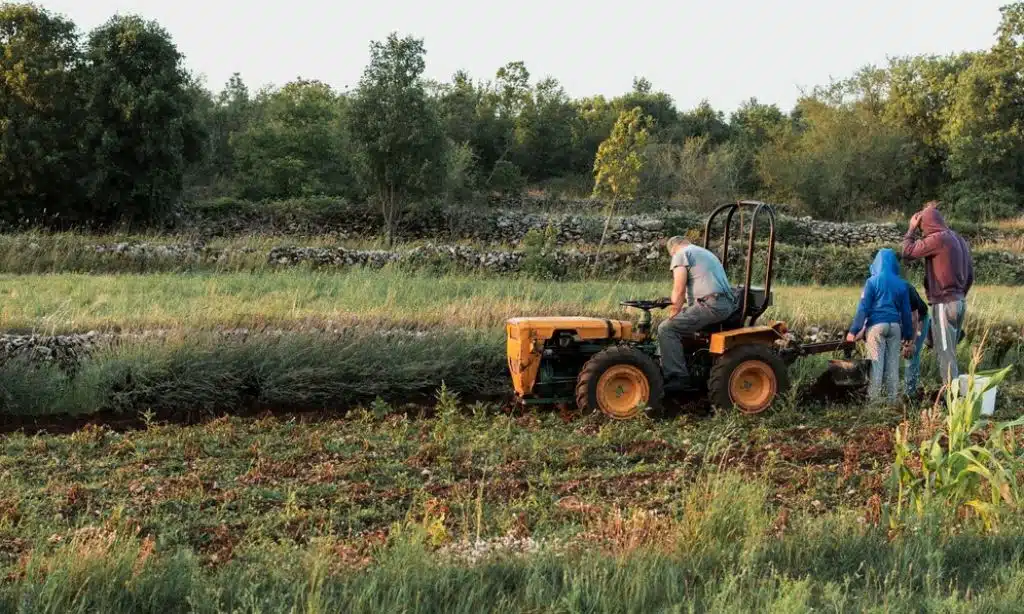
Controlled Traffic Farming (CTF) is a practice that reduces soil compaction by limiting machinery movement to specific lanes. For Soil Health Management in Australia, where compaction is a common issue in intensive farming systems, CTF is a proven strategy to improve soil structure and productivity.
Benefits of CTF
- Reduced Soil Compaction: Ensures better root penetration and water infiltration.
- Enhanced Aeration: Promotes microbial activity and plant health.
- Efficient Machinery Use: Minimizes overlaps, reducing fuel costs and time.
Steps to Implement CTF
- Map Permanent Machinery Lanes: Designate specific pathways for all farm machinery.
- Adopt GPS Technology: Use GPS-guided systems for precision alignment.
- Monitor Soil Condition: Regularly check soil compaction in crop zones.
| CTF Benefit | Impact on Soil |
| Reduced Compaction | Promotes root growth. |
| Improved Aeration | Enhances water infiltration. |
| Efficient Traffic | Reduces unnecessary soil disturbance. |
Practical Example
A farmer in Queensland implemented CTF, reducing soil compaction by 50% and improving wheat yields by 15%. GPS-guided equipment helped maintain consistent traffic lanes, minimizing disruptions to the crop zone.
Pro Tip: Invest in machinery with narrow wheelbases to reduce the footprint of compaction zones further.
7. Manage Water Efficiently
Water is a scarce and valuable resource in Australia. Efficient water management is critical for maintaining soil moisture levels and preventing degradation, making it a core aspect of Soil Health Management in Australia.
Techniques for Efficient Water Use
- Drip Irrigation: Delivers water directly to plant roots, minimizing waste.
- Mulching: Reduces evaporation and maintains soil temperature.
- Contour Farming: Slows runoff on slopes, increasing water absorption.
| Technique | Benefit | Ideal For |
| Drip Irrigation | Reduces water wastage | Row crops, vineyards. |
| Mulching | Retains soil moisture | Orchards, gardens. |
| Contour Farming | Improves water absorption | Sloped fields. |
Practical Example
A farmer in New South Wales adopted drip irrigation for tomato crops, reducing water usage by 30% while increasing yields by 20%. The addition of organic mulch further enhanced soil water retention.
Pro Tip: Combine water-saving techniques with organic matter to maximize soil water-holding capacity.
8. Address Soil Erosion Proactively
Soil erosion is one of the most significant challenges for Soil Health Management in Australia. Wind and water erosion can strip away topsoil, reduce fertility, and degrade farmland, making prevention a priority.
Impacts of Soil Erosion
- Loss of Topsoil: Reduces nutrient availability and productivity.
- Increased Sedimentation: Pollutes waterways, affecting aquatic ecosystems.
- Reduced Water Retention: Limits the soil’s ability to hold moisture.
Erosion Control Techniques
- Plant Windbreaks: Rows of trees or shrubs reduce wind speeds and protect soil.
- Contour Farming: Align plowing and planting with natural contours to slow runoff.
- Terracing: Step-like fields prevent water erosion on slopes.
- Grass Strips: Vegetation along waterways traps sediment and reduces runoff.
| Technique | Primary Benefit | Ideal For |
| Windbreaks | Reduces wind erosion | Open, windy areas |
| Contour Farming | Slows water runoff | Sloped fields |
| Terracing | Prevents soil loss on steep slopes | Mountainous regions |
| Grass Strips | Captures sediment | Areas near water bodies |
Practical Example
In Victoria, a farmer planted native grass strips around their property and adopted contour farming. These measures reduced sediment loss by 50% and improved crop productivity in erosion-prone areas.
Pro Tip: Regularly monitor erosion-prone zones after heavy rains or windstorms to implement timely interventions.
9. Balance Soil Nutrients with Integrated Fertilizer Use
Balancing organic and synthetic fertilizers is key to maintaining soil fertility and preventing degradation. Integrated fertilizer management is a fundamental approach for Soil Health Management in Australia.
Best Practices
- Conduct Soil Testing: Determine nutrient deficiencies to guide fertilizer use.
- Use Slow-Release Fertilizers: Minimize nutrient leaching and improve efficiency.
- Alternate Inputs: Combine organic (e.g., compost) and synthetic fertilizers for balanced nutrition.
| Fertilizer Type | Benefit |
| Organic | Improves soil structure. |
| Synthetic | Provides quick nutrient release. |
Practical Example
A farmer in Western Australia alternated between organic compost and nitrogen-rich synthetic fertilizers for wheat production. This approach increased yields by 18% while maintaining soil health over five years.
Pro Tip: Apply fertilizers in split doses aligned with crop growth stages to maximize nutrient uptake.
10. Enhance Soil Biodiversity
Soil biodiversity is vital for resilient and productive ecosystems. A diverse soil community supports nutrient cycling, pest control, and improved soil structure, making it a key focus of Soil Health Management in Australia.
Benefits of Soil Biodiversity
- Improved Nutrient Cycling: Microorganisms break down organic matter, releasing nutrients.
- Disease Suppression: Beneficial microbes outcompete harmful pathogens.
- Enhanced Soil Structure: Earthworms and organisms aerate soil and promote root growth.
How to Boost Soil Biodiversity
- Reduce Pesticide Use: Limit chemicals that harm beneficial organisms.
- Add Organic Matter: Provide a food source for soil microbes.
- Introduce Earthworms: Improve aeration and drainage naturally.
- Use Microbial Inoculants: Add beneficial bacteria and fungi to enhance soil health.
| Method | Key Benefit | Ideal For |
| Reduce Pesticides | Protects beneficial organisms | Farms with pest challenges |
| Add Organic Matter | Feeds microbes, improves fertility | All soil types |
| Introduce Earthworms | Improves aeration and drainage | Compact or heavy soils |
| Apply Microbial Inoculants | Enhances nutrient availability | High-value crops |
Practical Example
In Tasmania, a farmer introduced earthworms and microbial inoculants into their soil. Over two growing seasons, this practice improved yields by 15% and reduced dependency on synthetic fertilizers.
Pro Tip: Rotate crops and reduce tillage to create stable habitats for diverse soil organisms.
Takeaways
Adopting these 10 best practices for Soil Health Management in Australia ensures long-term sustainability for agriculture and the environment.
By focusing on practices such as regular soil testing, reduced tillage, water management, and enhancing biodiversity, Australian farmers can address unique challenges while improving productivity.
Start implementing these strategies today to create healthier soil and contribute to a sustainable future.