In today’s fast-paced world, we’re often bombarded with material possessions, endless to-do lists, and digital distractions.
This overwhelming clutter can leave us feeling stressed, unfulfilled, and disconnected from what truly matters. Minimalist living offers a solution—a lifestyle focused on intentionality, simplicity, and prioritizing what brings genuine joy and value.
Adopting minimalist principles doesn’t mean giving up everything you own or living in a stark, empty space. Instead, it’s about creating clarity, reducing excess, and focusing on what matters most in your life.
These 10 minimalist living tips will guide you on your journey to declutter your space, mind, and habits for a more peaceful and purposeful life.
1. Start Small and Focus on One Area at a Time
Decluttering can feel overwhelming, especially if you have a lifetime of accumulated possessions. Starting small allows you to build momentum and confidence as you experience the benefits of minimalism in manageable steps.
How to Start?
Begin with a single drawer, shelf, or corner of a room. For example, declutter your nightstand or a single kitchen cabinet. Remove everything, assess what you use regularly, and discard items that no longer serve a purpose.
Tackling one area at a time prevents burnout and ensures that each space is thoughtfully organized before moving on to the next. Celebrate small victories, as these will motivate you to continue.
2. Adopt the “One In, One Out” Rule
The “one in, one out” rule is a simple yet effective way to maintain balance and prevent clutter from accumulating. For every new item you bring into your home, you commit to letting go of an existing one.
How to Implement It?
If you buy a new pair of shoes, donate or sell an old pair you no longer wear. Apply this principle to all areas of your life, including clothes, gadgets, and even digital files. This habit encourages mindful consumption and helps maintain a clutter-free space.
By adopting this rule, you’ll become more intentional with your purchases, choosing only items that truly add value to your life.
3. Declutter Sentimental Items Thoughtfully
Sentimental items often carry emotional value, making them difficult to let go of. However, holding onto every memento can lead to overwhelming clutter that detracts from the joy these items once brought.
How to Approach Sentimental Decluttering?
- Start by sorting through sentimental items gradually.
- Keep only the pieces that hold the most meaning, such as a handwritten note or a single photograph from a memorable trip.
- Consider taking photos of bulky sentimental items to preserve the memory without occupying physical space.
This thoughtful approach allows you to cherish meaningful memories while letting go of unnecessary clutter.
4. Simplify Your Wardrobe with a Capsule Closet
A capsule closet is a curated collection of versatile, high-quality clothing that you love and wear frequently. It eliminates the stress of deciding what to wear and reduces the need for constant shopping.
How to Create One?
- Sort through your clothes and donate or sell items you haven’t worn in the past year.
- Choose a neutral color palette and invest in timeless, multi-purpose pieces.
- Aim for a wardrobe of 30–40 items, including shoes and accessories.
A simplified wardrobe not only saves time but also encourages intentional consumption and helps you define your personal style.
5. Digitally Declutter Your Devices
Digital clutter, such as unread emails, unused apps, and disorganized files, can create mental stress and reduce productivity. Decluttering your digital spaces is just as important as tidying your physical environment.
How to Digitally Declutter?
- Emails: Unsubscribe from unnecessary newsletters and organize important emails into folders.
- Files: Delete duplicates and unused files, and store important documents in cloud-based storage.
- Apps: Remove apps you no longer use to free up space and simplify your device.
Regularly maintaining your digital spaces ensures a more organized and focused online experience.
6. Practice Mindful Consumption
Minimalism isn’t just about decluttering; it’s about preventing unnecessary accumulation. Mindful consumption encourages you to evaluate the value and purpose of every purchase before bringing it into your life.
How to Practice Mindful Consumption?
- Ask yourself: Do I need this? Will it add value to my life?
- Avoid impulse buying by waiting 24–48 hours before making non-essential purchases.
- Prioritize quality over quantity to ensure long-term satisfaction.
Mindful consumption fosters gratitude and helps you develop a healthier relationship with material possessions.
7. Create a Decluttering Schedule
Decluttering is not a one-time event—it’s an ongoing process. Establishing a regular decluttering schedule ensures that your home stays organized and free of excess over time.
How to Build a Schedule?
- Dedicate 15–30 minutes each week to tidying a specific area.
- Perform seasonal decluttering to address clothes, holiday décor, and other items that accumulate over time.
- Set reminders to review areas prone to clutter, such as junk drawers or storage closets.
A consistent schedule keeps clutter in check and prevents the need for overwhelming, large-scale cleanouts.
8. Focus on Multi-Functional Items
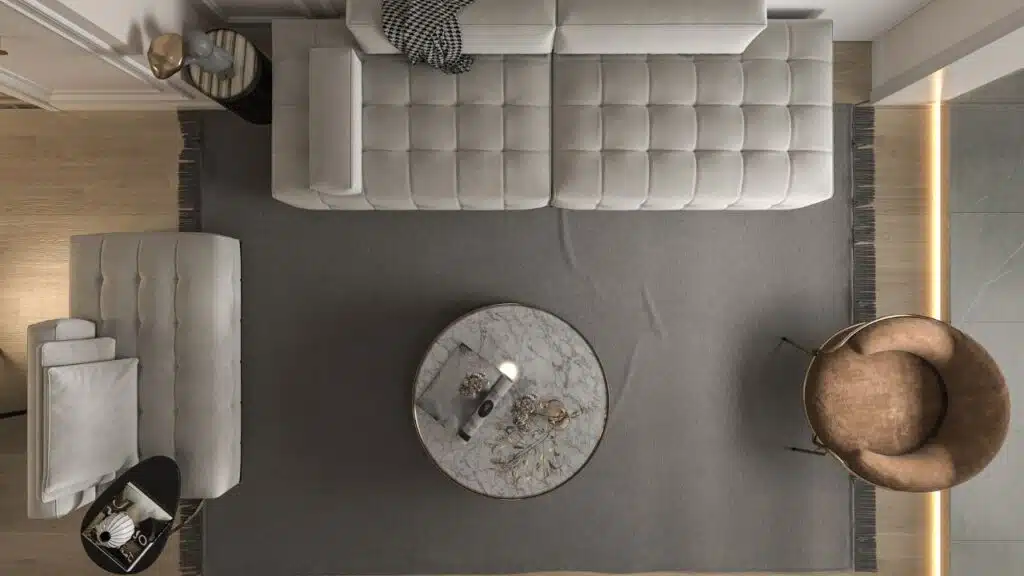
Minimalist living emphasizes owning fewer, more purposeful items. Multi-functional items save space, reduce clutter, and increase the efficiency of your home.
Examples of Multi-Functional Items
- Furniture: Choose pieces like sofa beds, storage ottomans, or foldable tables.
- Kitchen Tools: Invest in multi-use appliances, such as a blender that also serves as a food processor.
- Technology: Use a single device that combines multiple functions, like a tablet that serves as an e-reader and a laptop.
By prioritizing versatility, you’ll reduce the number of items you need while maximizing their utility.
9. Let Go of “Just in Case” Items
Holding onto items “just in case” you might need them someday often results in unnecessary clutter. These items rarely get used and take up valuable space in your home.
How to Let Go?
- Be honest about whether the item serves a realistic purpose in your current life.
- If you haven’t used it in the past year, it’s likely safe to let go.
- For rarely used items, consider borrowing or renting them when the need arises.
Letting go of “just in case” items frees your space and mind for things that truly matter.
10. Prioritize Experiences Over Possessions
Minimalism shifts the focus from accumulating material possessions to creating meaningful experiences. Prioritizing experiences fosters personal growth, connection, and happiness.
How to Embrace Experiences?
- Spend time with loved ones instead of shopping for unnecessary items.
- Invest in activities like travel, hobbies, or classes that bring joy and enrichment.
- Reflect on past experiences to cultivate gratitude and appreciation.
By valuing experiences over possessions, you’ll create a more fulfilling and balanced life.
Conclusion
Minimalist living is a journey toward simplicity, intentionality, and greater well-being. By following these 10 tips, you can declutter your physical space, mental load, and daily habits, making room for what truly matters.
From starting small and practicing mindful consumption to prioritizing experiences over material possessions, each step brings you closer to a more peaceful and purposeful lifestyle.
Embrace minimalism today and discover the profound freedom and clarity it offers—one decluttered drawer, shelf, and habit at a time.