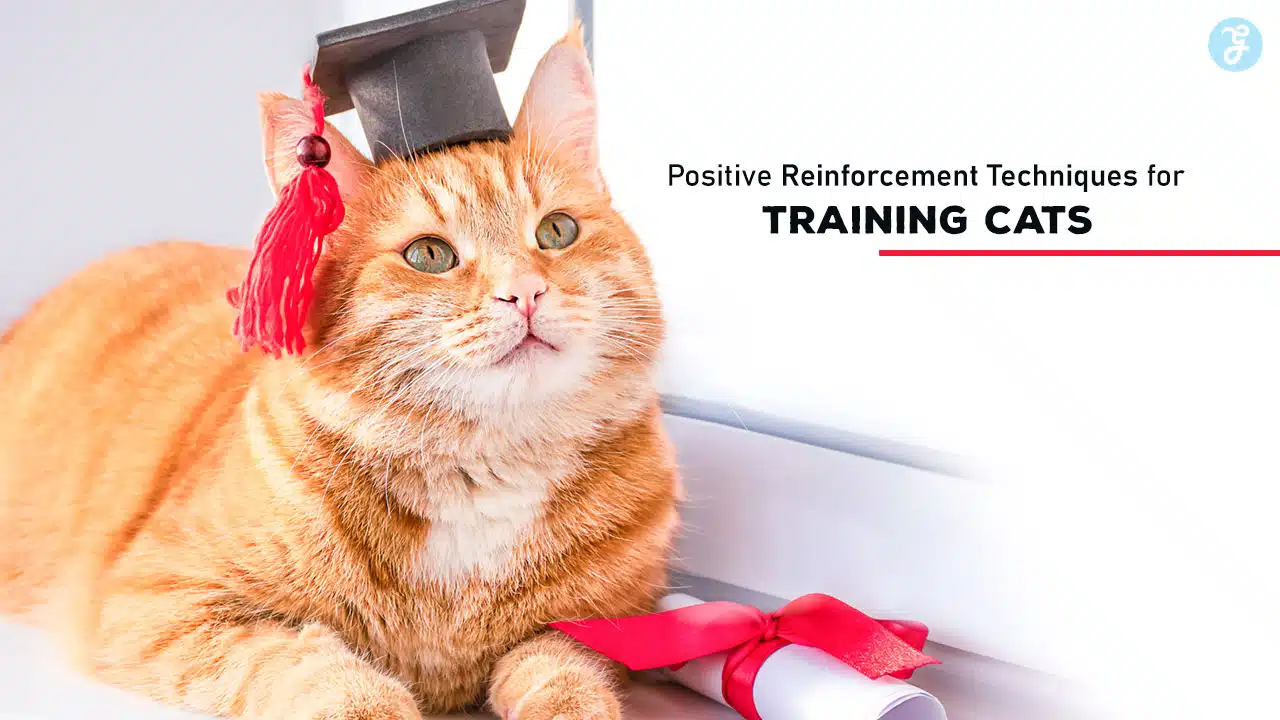
Training a cat requires patience, creativity, and, most importantly, a positive approach. Unlike dogs, cats can be more independent and less responsive to traditional training methods.
Positive reinforcement, which focuses on rewarding good behavior instead of punishing bad behavior, is a highly effective way to train cats.
By rewarding actions you want to encourage, you can teach your feline friend new skills, improve their behavior, and build a strong bond. Here are 15 positive reinforcement techniques that can help you train your cat effectively.
Why Positive Reinforcement Works Best for Cats?
Cats are sensitive animals with strong instincts, so punishment-based training methods can lead to stress, fear, and even aggression.
Positive reinforcement, on the other hand, rewards desirable behavior, making training enjoyable for both you and your cat. It also strengthens the bond between you, as your cat learns to associate training sessions with positive experiences.
Using positive reinforcement, you’ll help your cat understand that good behavior earns rewards. Whether it’s teaching them to use a scratching post, come when called, or even perform tricks, these techniques encourage curiosity and confidence in your cat.
15 Positive Reinforcement Techniques for Training Cats
Let’s take a look!
1. Use Treat-Based Rewards
One of the most straightforward ways to train a cat is by using treats as a reward. Cats are often food-motivated, so finding a treat they love can make training sessions more effective and enjoyable.
- Choose High-Value Treats: Use treats that are especially enticing, such as small pieces of tuna, cooked chicken, or commercially available cat treats. These high-value treats will make your cat more interested in learning.
- Give Treats Immediately: Timing is crucial in training. Offer the treat right after your cat performs the desired behavior to reinforce the action clearly.
- Limit Treat Size: Use small treats to avoid overfeeding during training. This way, you can extend training sessions without worrying about excess calories.
2. Use Clicker Training
A click sound and a reward follow a desired behavior when using the well-liked clicker training method on your cat.
- Introduce the Clicker: Start by associating the clicker sound with treats. Click, then immediately give your cat a treat to help them understand the connection.
- Use the Clicker for Specific Behaviors: Once your cat associates the clicker with rewards, use it to mark desired behaviors. For example, click when your cat sits on command and follow it with a treat.
- Keep Sessions Short: Cats can lose interest quickly, so aim for brief training sessions, around 5-10 minutes, to keep them engaged and focused.
3. Praise and Affection as Rewards
Food isn’t the only thing that drives cats. Many cats respond positively to praise, petting, and affection.
- Combine Verbal Praise with Treats: Use a consistent phrase, like “Good job!” along with a treat. Eventually, your cat may respond to praise alone.
- Learn What Your Cat Likes: Some cats enjoy gentle petting, ear scratches, or chin rubs. Use these types of affection to reward behavior if treats aren’t effective.
- Be Consistent: Use the same praise words and tone to help your cat understand they are being rewarded for good behavior.
4. Train in a Quiet Environment
Considering how easily distracted cats are by noise and movement, creating a calm, quiet environment can aid in training.
- Limit Distractions: Choose a space away from loud noises, other pets, or children to help your cat stay focused.
- Keep the Training Area Consistent: Use the same area for training sessions so your cat associates the space with learning.
- Reward Calm Behavior: If your cat remains calm and focused, reward them to reinforce that being relaxed is part of the training.
5. Use Play as a Reward
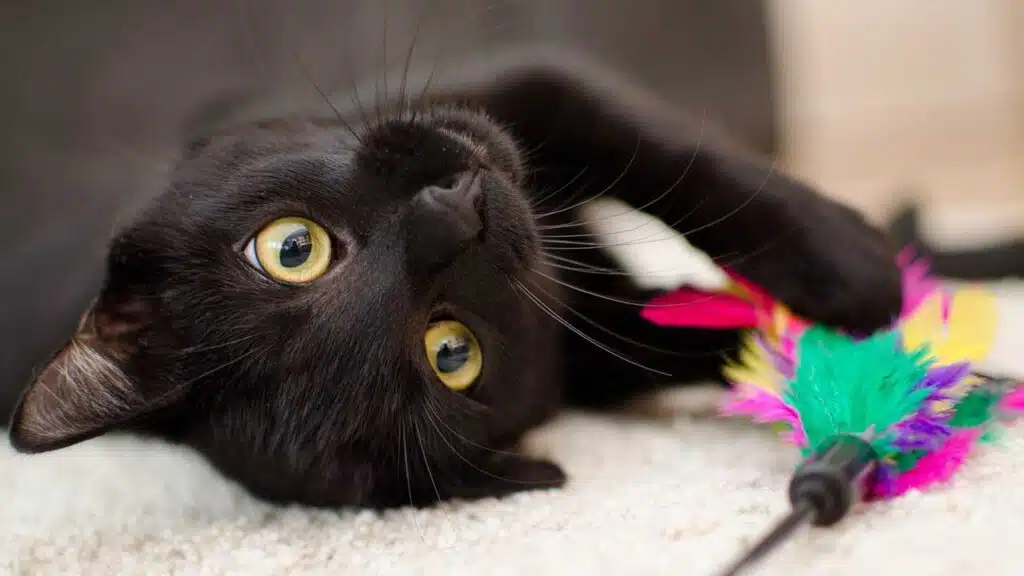
Play is a great motivator for many cats. Using play as a reward for good behavior can make training sessions feel like a fun game for your cat.
- Offer a Toy They Love: Use a feather wand, laser pointer, or small ball as a reward after they perform a desired action.
- Incorporate Play into Training: For example, if you’re training your cat to “come,” use the toy as an incentive to approach you, then reward them with playtime.
- Keep Play Sessions Short: Use play sparingly as a reward so your cat remains motivated and doesn’t get overstimulated.
6. Introduce the “Target” Technique
Target training involves teaching your cat to touch an object, like a wand or your hand, which can be helpful for guiding them through various behaviors.
- Start with a Target Stick: A target stick or even a spoon with a bit of wet food can be used to encourage your cat to touch it with their nose.
- Reward Touches: Each time your cat touches the target, reward them immediately to reinforce the behavior.
- Use the Target to Guide: Once they’re comfortable, use the target to guide your cat to specific areas, like their bed or scratching post.
7. Establish a Routine
Cats thrive on routine, and setting a consistent schedule for training can help them understand what to expect and keep them engaged.
- Train at the Same Time Daily: Choose a regular time when your cat is active, such as before meals, to keep them attentive.
- Establish a Training Signal: Use a specific phrase, like “Let’s train!” or “Time to learn,” at the beginning of each session to set the tone.
- Use Routines to Reinforce Learning: Practicing behaviors like “sit” or “stay” at specific times, such as before meals, can help reinforce these commands.
8. Reward Quiet Behavior
If you want to reduce meowing or scratching at inappropriate times, reinforce quiet, calm behavior instead of reacting to the noise.
- Ignore Unwanted Meowing: Don’t reward attention-seeking meows. Instead, wait for a quiet moment before giving attention or treats.
- Reward Calm Interactions: When your cat approaches you quietly or sits calmly, reward them to reinforce peaceful behavior.
- Create a Calm Environment: Avoid loud noises or overstimulation that may increase your cat’s vocalization or anxiety.
9. Train Basic Commands Like “Sit” and “Stay”
Teaching basic commands can provide mental stimulation and allow you to reinforce positive behaviors more effectively.
- Use Treats as a Lure: Hold a treat near your cat’s nose and slowly move it back to encourage them to sit. Reward them immediately when they sit.
- Practice “Stay” in Small Steps: Move a few steps away from your cat after they sit. If they stay seated, reward them. Gradually increase the distance.
- Keep Commands Consistent: Use clear, simple commands like “Sit” or “Stay” to avoid confusion.
10. Redirect Unwanted Behavior
Instead of scolding or punishing, redirect your cat’s attention from unwanted behaviors to more appropriate ones.
- Distract with Toys: If your cat scratches furniture, offer a scratching post instead and reward them when they use it.
- Use Positive Reinforcement for Good Choices: Reinforce their decision to scratch the appropriate area by offering treats and praise.
- Avoid Punishment: Redirecting is more effective than punishment, which can damage trust between you and your cat.
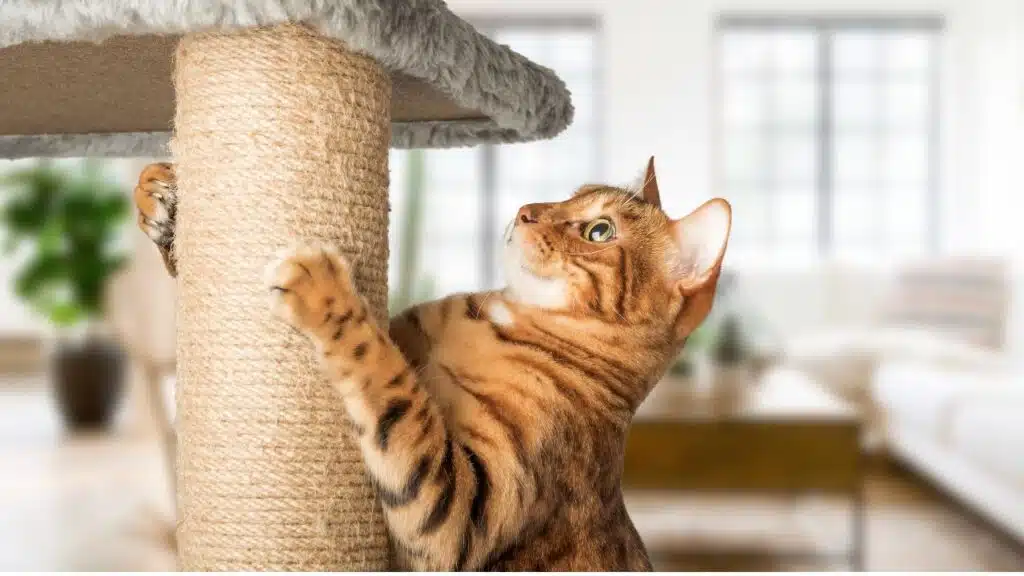
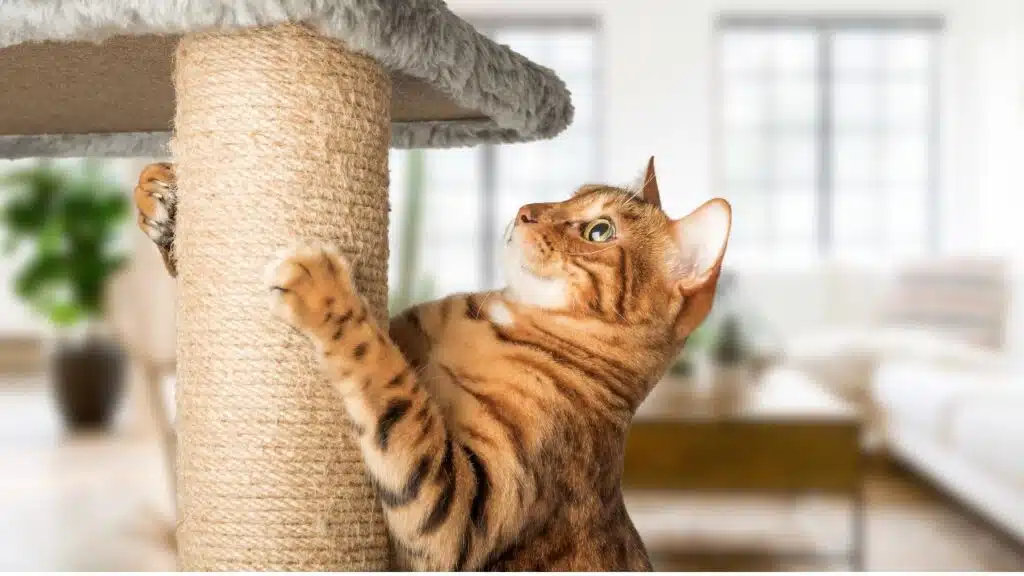
11. Teach Your Cat to Use a Scratching Post
Cats have a natural urge to scratch, and teaching them to use a scratching post can save your furniture and reinforce positive behavior.
- Choose the Right Scratching Post: Find a scratching post that is sturdy, tall, and appealing to your cat. Some cats prefer sisal rope, while others like cardboard or carpet.
- Reward Them for Using the Post: When your cat uses the post, offer immediate praise, treats, or even a little catnip as a reward.
- Place the Post in a Visible Location: Cats are more likely to use the post if it’s in a place where they usually scratch, like near your sofa or bed.
12. Use Patience and Consistency
Cats learn at their own pace, so it’s essential to be patient and consistent with training.
- Avoid Forcing Behaviors: Cats may become stressed or resistant if forced. Let training be a gentle process, allowing them to learn at their own speed.
- Be Consistent with Rewards: Consistency is crucial to reinforce the connection between behavior and reward.
- Celebrate Small Wins: Even small steps in the right direction deserve praise and rewards, which build your cat’s confidence.
13. Offer Food Puzzles and Enrichment Toys
Food puzzles and interactive toys provide mental stimulation and can also be used to reinforce positive behavior.
- Incorporate Treats in Food Puzzles: Use a puzzle toy that dispenses treats when solved. This encourages problem-solving and keeps your cat engaged.
- Reward Play with Food Puzzles: Offer the puzzle as a reward for completing a behavior, like “sit” or “come.”
- Rotate Toys for Variety: Switch up the toys to keep your cat interested and avoid boredom.
14. Use Clicker Training for Specific Skills
Clicker training is especially helpful for teaching specific skills, such as coming when called or staying in a designated area.
- Click for Specific Commands: Use the clicker for more complex tasks like “Come” or “High-five.” The click sound helps the cat identify exactly what behavior you want.
- Follow with Treats: Immediately follow the click with a treat to reinforce the behavior.
- Build on Each Success: Start with simple commands and gradually build up to more complex behaviors as your cat becomes comfortable.
15. End on a Positive Note
Always end training sessions on a positive note to ensure your cat leaves the session happy and ready for the next one.
- Finish with a Favorite Treat: End the session with a favorite treat or a short play session as a reward.
- Keep Sessions Short and Positive: Cats have short attention spans, so 5-10 minutes is often best. Ending on a high note keeps them interested in future training.
- Praise and Affection: Conclude each session with praise and affection to reinforce positive associations with training.
Conclusion
Training a cat requires patience, consistency, and an understanding of their unique personality.
By using positive reinforcement techniques, you can foster a trusting relationship with your feline friend, encouraging good behavior and creating a harmonious living environment.
With these 15 effective methods, you’re well-equipped to embark on a rewarding training journey that respects your cat’s independence while nurturing their potential.
Remember, each cat is unique, so try different techniques to see what works best for your furry companion.