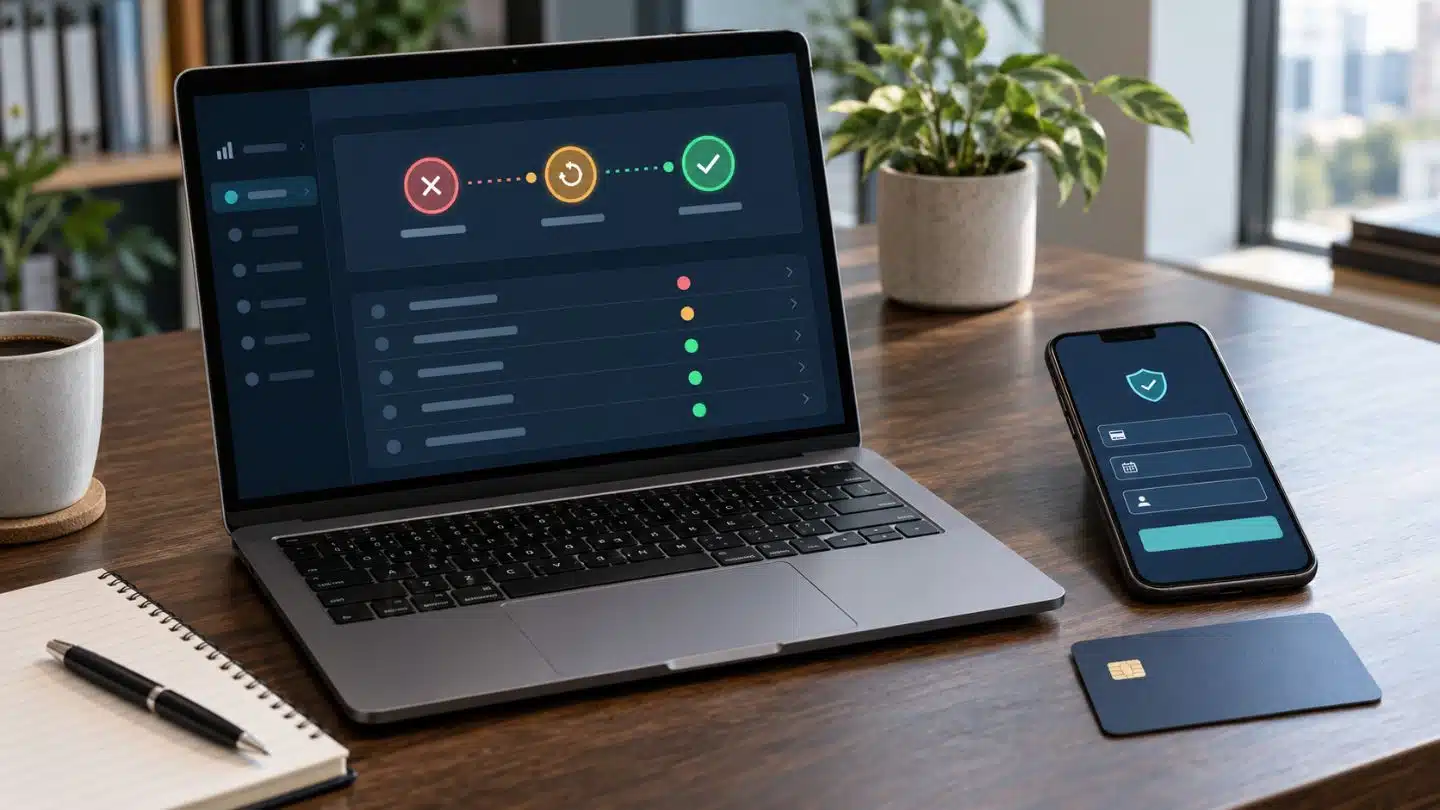
In the area of cybersecurity, which is always changing, social engineering attacks have become a main threat. Sociological engineering is different from traditional hacking, which focuses on using technical flaws to get people to reveal private information or do things that could damage security. This essay will examine typical strategies used by attackers, go into the area of social engineering assaults, and offer helpful advice on how to spot and stay clear of these sneaky schemes.
Understanding Social Engineering
Attackers use tricks of the mind to get people to reveal private details or do things that help their bad plans. This is known as “social engineering. These attacks rely on deception, persuasion, and trust to trick individuals into revealing sensitive data or taking actions that compromise security.
Common Social Engineering Tactics:
- Phishing: Attackers send emails, texts, or websites that look like they come from real sources in order to get people to give them private information like passwords or credit card numbers.
- Impersonation: Attackers pose as trusted individuals or entities, either in person, over the phone, or through digital communication, to gain access to restricted areas or information.
- Pretexting: People who want to attack make up a fake situation or reason to get people to give them information or do things they wouldn’t normally do.
- Quizzes and Surveys: Quizzes and polls that sneakily collect personal information that can be used for bad things are often shared on social media sites.
- Baiting: Attackers offer tempting things, like free software downloads or USB drives, to get people to do things that are bad for their security.
Recognizing Social Engineering Attacks
1. Urgency or Fear Tactics:
Social engineering attacks often create a sense of urgency or fear to manipulate individuals into acting hastily. Be cautious of messages or requests that demand immediate action, threaten negative consequences, or play on emotions to elicit a quick response.
2. Unsolicited Communication:
Be careful of emails, texts, or calls that you didn’t ask for, especially if they ask for personal information or tell you to click on links. Legitimate organisations usually do not ask for sensitive information via email or message.
3. Unusual Requests:
Social engineering attacks often involve unusual or unexpected requests. If a request seems out of the ordinary, especially if it involves sharing personal or financial information, take a step back and verify the legitimacy of the request through official channels.
4. Check Sender Details:
Examine the sender’s email address or phone number. Attackers often use email addresses that resemble legitimate ones but may have subtle variations. Check for misspellings or irregularities in the sender’s details.
5. Verify Requests for Sensitive Information:
Before sharing sensitive information, verify the legitimacy of the request through alternative means. Contact the organisation or individual directly using contact information from official sources, not the information provided in the suspicious communication.
6. Be Sceptical of Unsolicited Links:
Do not click on links or download files from emails or messages that you did not ask for. Hover over links to preview the URL before clicking, and ensure that the website’s address is legitimate.
7. Review Quizzes and Surveys Carefully:
Exercise caution when participating in quizzes or surveys, especially on social media. Be mindful of the information being requested and consider whether it is necessary to disclose such details.
Avoiding Social Engineering Attacks
1. Security Awareness Training:
Through security awareness training, you and your team can learn about how to trick people online. Recognizing the signs of a social engineering attack is the first line of defence.
2. Use Multi-Factor Authentication (MFA):
Implement multi-factor authentication wherever possible. By demanding additional verification, such as a code texted to your mobile device, in addition to your password, MFA offers an extra degree of protection.
3. Secure Communication Channels:
Use secure communication channels, especially when sharing sensitive information. Encrypt email communications, and avoid discussing confidential matters over unsecured platforms.
4. Regularly Update Security Software:
Keep your devices and security software up to date. Patches for vulnerabilities are frequently included in routine updates, which lowers the possibility of social engineering attacks exploiting the system.
5. Verify Requests through Official Channels:
If you receive a request for sensitive information, contact the organisation or individual directly using contact information from official sources. Do not use contact details provided in suspicious communications.
6. Implement Email Filtering:
Utilise email filtering services that can identify and quarantine phishing emails before they reach your inbox. These services look for problematic trends and material using sophisticated algorithms.
7. Report Suspicious Activity:
Notify the IT department of your company or the appropriate authorities if you believe you have been the victim of a social engineering assault. By reporting these occurrences, we can increase awareness and stop more assaults.
8. Use GoProxies for Anonymity:
An additional layer of security can be achieved by using GoProxies, a solution that enhances proxy security through advanced machine learning algorithms. GoProxies give an additional line of defence against social engineering assaults, monitor network data, and identify possible dangers.
In short
Social engineering assaults are still a serious concern in the field of cybersecurity. People and organisations can lessen their chance of falling for these deceptive schemes by being aware of the typical strategies used by attackers and taking preventative action.
Be on the lookout, be wary of unsolicited correspondence, and confirm requests for private information via formal means. To strengthen your defences against social engineering attacks, make use of sophisticated proxy solutions like GoProxies, multi-factor authentication, and security awareness training.
Remember, the first line of defence against social engineering is awareness and a cautious mindset. Being informed and putting in place strong security policies can stop social engineers from using dishonest methods to get to your personal and business data.